Updated on Sep 29, 2026
The Story Behind Tommy Hilfiger and Its Classic American Style
Brand StoriesSmit Rangras12 Mins reading time
Tommy Hilfiger started with $150 in savings and a small storefront in Elmira, New York, decades before the name became shorthand for preppy American style worldwide. This guide walks through how a teenager selling bell-bottoms turned that into one of the most recognized fashion labels on the planet, and why its particular mix of Ivy League polish and street-level cool still resonates today.
TL;DR – How Tommy Hilfiger Built Its Classic American Style
- Tommy Hilfiger opened his first store, People’s Place, in Elmira, New York, in 1969, selling bell-bottom jeans and records.
- He launched his namesake menswear label in 1985, backed by investor Mohan Murjani and a bold Times Square ad campaign.
- The brand built its identity around preppy, Ivy League-inspired basics, button-downs, chinos, polos, styled with a red, white, and blue color scheme.
- Hip-hop and R&B artists embraced the label in the 1990s, pulling it into youth culture well beyond its original preppy audience.
- The brand expanded into womenswear, denim through Tommy Jeans, footwear, and accessories over subsequent decades.
- PVH Corp acquired the company in 2010 for roughly $3 billion, and it now operates in over 100 countries.
The Origins of Tommy Hilfiger and His Early Fashion Career
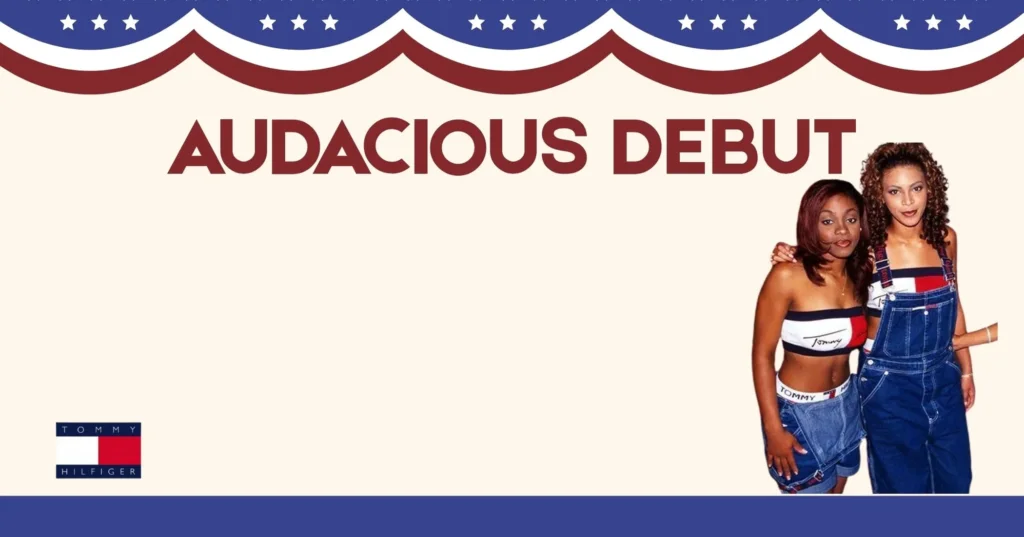
Long before there was a global label, there was just a teenager with a small store, a record collection, and a lot of nerve.
How People’s Place Started Tommy Hilfiger’s Journey in Fashion
Thomas Jacob Hilfiger, born in Elmira, New York, one of nine children in a working-class family, opened his first shop, People’s Place, in 1969 at around eighteen years old, using $150 saved from working nights at a gas station. The store sold bell-bottom jeans and records to friends in his hometown, less a fashion business at first than a hangout for people who loved music and clothes in equal measure. He described the goal simply: create a place for people who loved fashion and music, rather than a traditional boutique.
The Lessons That Shaped His Approach to Building a Fashion Brand
Even as a teenager, he was already buying jeans, remodeling them himself, and reselling them to friends, showing an instinct for retail and reinvention years before he had any formal design training. That early store taught him how to read what a specific community actually wanted to wear, watching trends form in real time among his own customers rather than studying them from a distance. That instinct for reading a subculture directly, rather than dictating taste from above, shaped almost everything that came after.
How Tommy Hilfiger Launched His Namesake Brand in 1985
The eponymous line launched in 1985 with financial backing from entrepreneur Mohan Murjani. The brand’s debut campaign, developed with veteran ad man George Lois, placed a Times Square billboard declaring him “the next great American designer,” a bold claim for someone with essentially no prior national reputation at that point. The strategy worked well enough that the label more or less lived up to its own advertising almost immediately, with the first Tommy Hilfiger collection debuting that same fall to strong early interest from retailers and press alike. What’s notable in hindsight is that the earliest Tommy Hilfiger ads barely showed any clothing at all, leaning almost entirely on the founder’s face and name recognition, a risky bet for a brand nobody had actually seen yet.
How Tommy Hilfiger Defined Classic American and Preppy Fashion
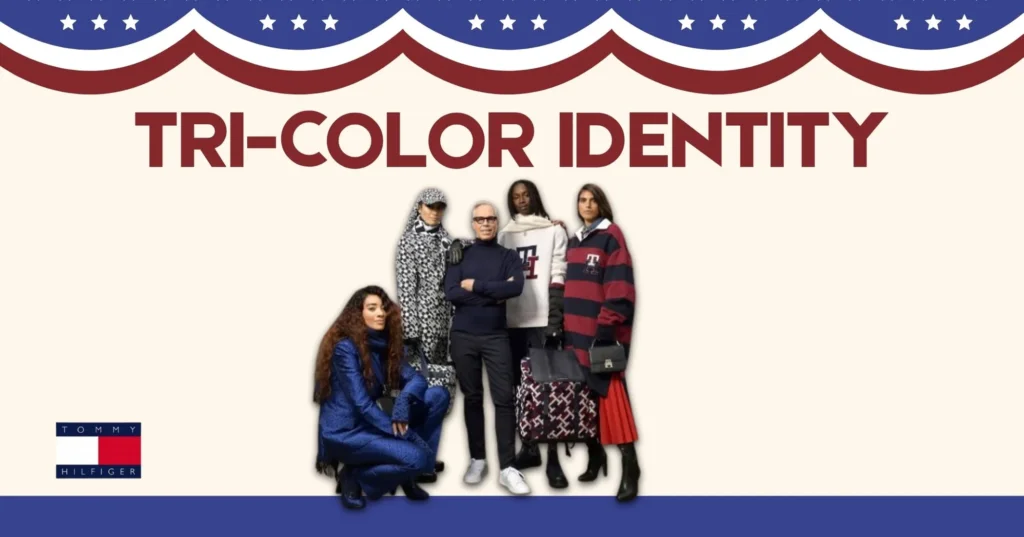
Once the label existed, the next challenge was giving it a look people could recognize instantly, something distinct from both traditional East Coast preppy labels and the more casual American sportswear brands already on the market.
The Preppy Influences Behind the Look
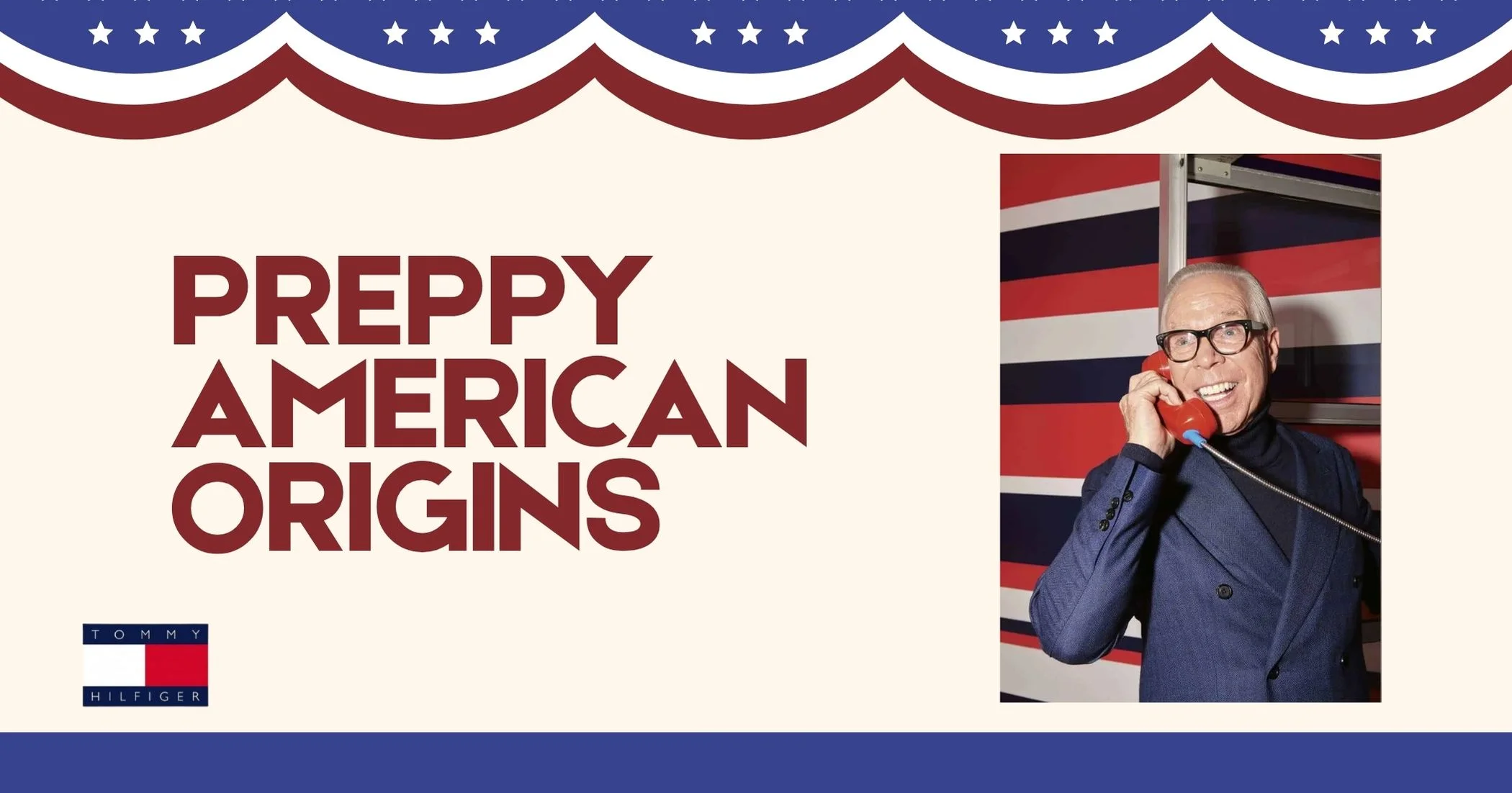
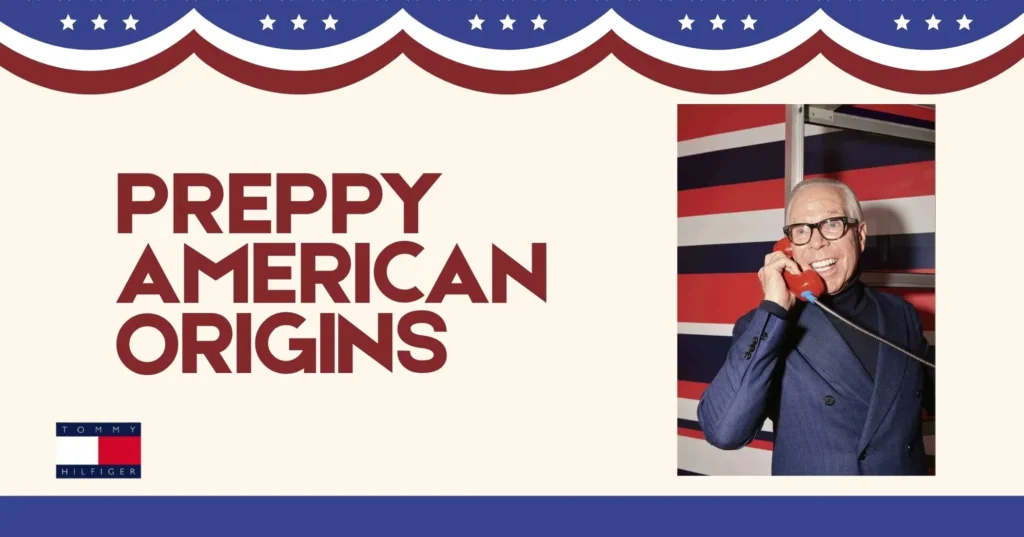
Hilfiger drew heavily on Ivy League staples, button-down shirts, chinos, nautical details, updating them just enough to feel current without abandoning their East Coast preppy roots entirely. This wasn’t traditional preppy fashion. It was a modern version with mid-tier prices that made the style accessible to a much wider customer base.
How Red, White, and Blue Became Part of the Brand Identity
The now-iconic flag-style logo, red, white, and blue, became one of the most recognizable pieces of branding in American fashion through the 1990s, giving the label an unmistakable visual identity that customers could spot from across a room, whether on a shirt, a sweatshirt, or a duffel bag.
Combining American Fashion Heritage With Modern Style
Military-inspired pieces like the peacoat sat alongside contemporary cuts and bold branding, a combination that let the label reference genuine fashion heritage while still feeling distinctly modern rather than nostalgic or costume-like.
How the Tommy Hilfiger Polo Became a Signature Piece
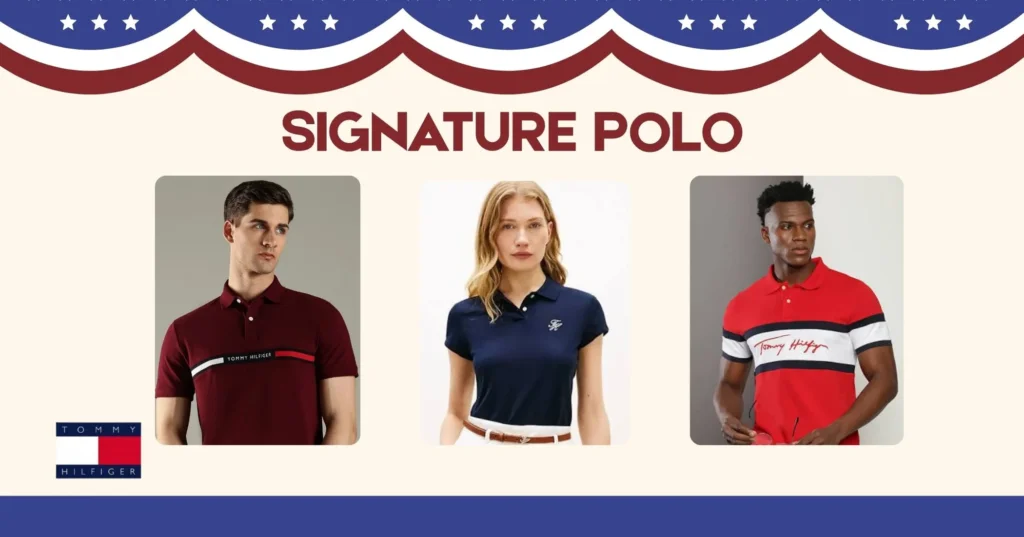
Why the Polo Shirt Fits This Preppy Identity
A polo shirt is basically preppy fashion’s founding garment, clean, collared, built equally for country clubs and college campuses. It fit the label’s Ivy League-inspired identity almost too perfectly, which is part of why it became such a natural flagship piece so early in the brand’s history.
From Classic Polos to the Slim Fit Polo
As fits shifted with changing tastes over the decades, the label introduced a slim fit polo alongside its original classic cuts, giving customers a more tailored option without dropping the roomier silhouette that had built the brand’s reputation in the first place.
How Polos Became Part of Everyday Preppy Outfits
The polo became a building block for countless preppy outfits, paired with chinos, boat shoes, or even denim, cementing its place as one of the label’s most enduringly recognizable, endlessly repeatable pieces.
How Music and Pop Culture Transformed Tommy Hilfiger in the 1990s
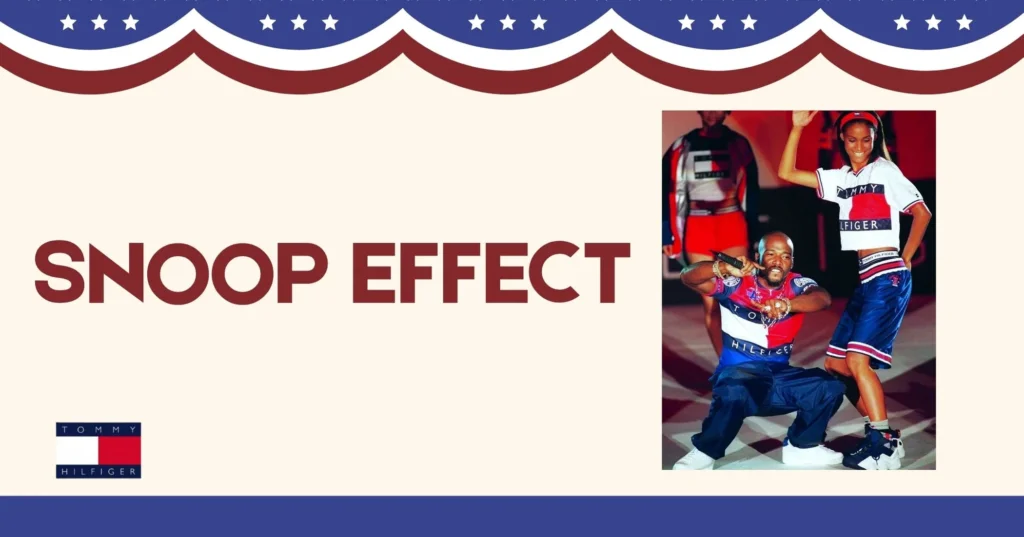
The brand’s biggest cultural shift came from an audience nobody had originally designed the clothes for.
How Hip-Hop Culture Gave the Brand a New Audience
By the mid-1990s, roomier styles and oversized logos had caught on hard with hip-hop artists, pulling the label into a completely different cultural lane than its preppy origins suggested. When Snoop Dogg wore a Hilfiger sweatshirt during an appearance on Saturday Night Live in the early 1990s, it reportedly sold out of New York City stores within a single day, a fairly remarkable outcome for a brand still primarily known for chinos and boat shoes.
The Role of Musicians and Celebrities in the Brand’s Growth
Artists like Aaliyah, Lenny Kravitz, and Coolio became closely linked with the label’s advertising and public image during the decade. Their presence helped Tommy Hilfiger reach audiences beyond its original preppy customer base. In 1995, the CFDA named Hilfiger Menswear Designer of the Year, recognising the brand’s growing influence. By the late 1990s, logo-emblazoned clothing and carpenter jeans had become such a fixture of youth style that the label’s annual sales figures reportedly climbed well past $25 million within a few short years, a striking jump for a company that started with a single billboard and one unproven collection.
How the Brand Mixed Preppy Fashion With Street Style
This blend of Ivy League basics and hip-hop culture became a defining strategy, one that let the label sit comfortably in both worlds simultaneously rather than being confined to either, a balancing act few competitors managed as successfully during the same period. This crossover also reflects how street fashion evolved by bringing together influences from different cultural and style movements.
From Tommy Jeans to Chinos: How the Brand Expanded Its Classic Style
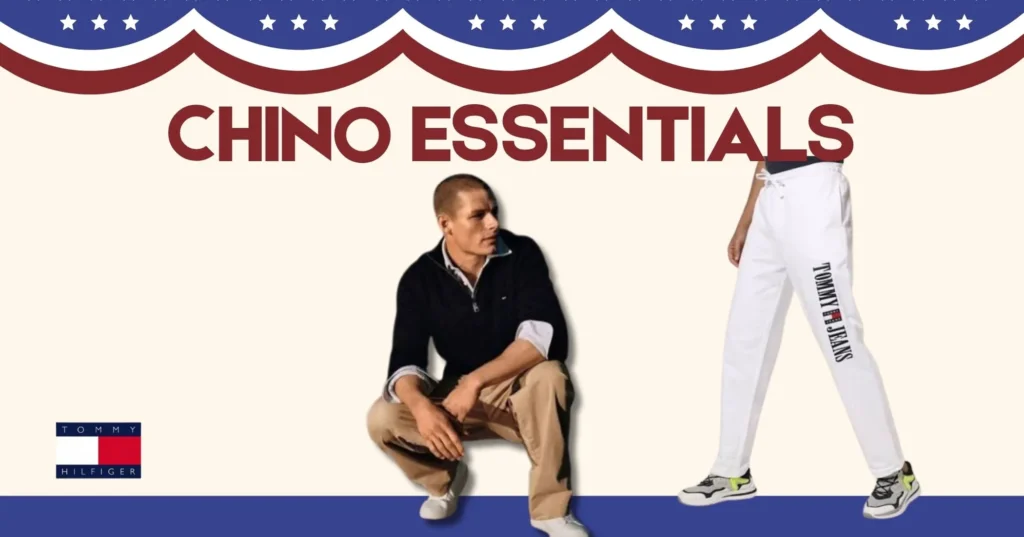
Denim and casualwear became the next major growth area beyond the original menswear collection, extending the aesthetic into everyday, lower-cost staples.
How Tommy Jeans Brought Denim Into the Brand Identity
Tommy Jeans, later rebranded simply as TommyJeans, extended the label’s classic American aesthetic directly into denim, with carpenter jeans among its most popular styles during the brand’s commercial peak in the late 1990s, worn as heavily on the street as the label’s original polos and button-downs.
Chinos, Quarter Zips, and Casual American Style
Chinos remained a wardrobe staple throughout this expansion, alongside newer additions like quarter zip pullovers that translated the label’s preppy foundation into more contemporary, athleisure-adjacent pieces suited to a more casual era of dressing.
How Tommy Sport Expanded Its Casual Clothing Range
A dedicated sport line extended the aesthetic further into performance-oriented casualwear, applying the same red, white, and blue identity to a more athletic product category without straying too far from the brand’s established visual language.
Tommy Hilfiger Women, Footwear, and Accessories
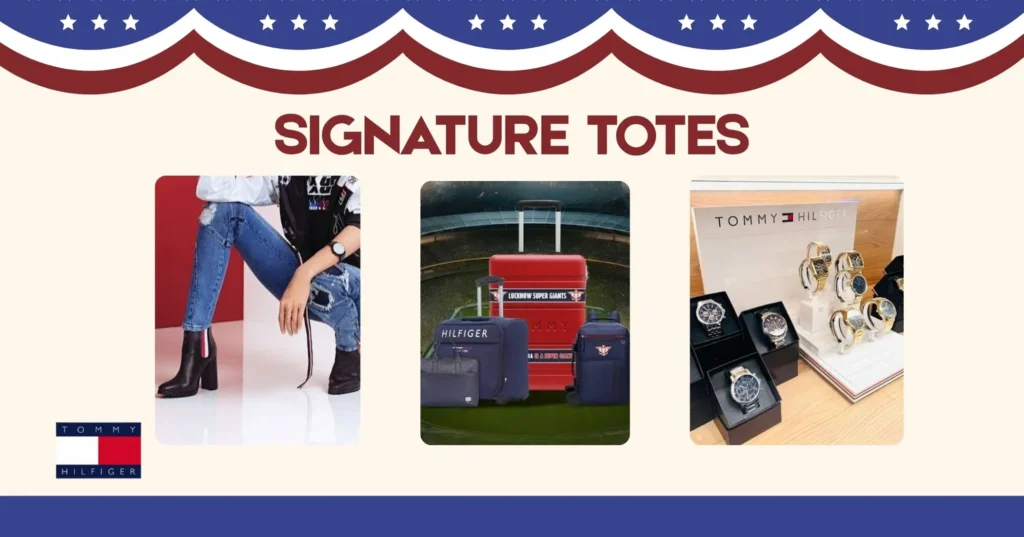
Menswear alone couldn’t carry a global lifestyle brand forever, and the label expanded accordingly.
How Womenswear Expanded the Classic American Wardrobe
Womenswear launched in 1996, extending the label’s preppy, Americana-inspired design language into a full women’s collection rather than treating it as a smaller, secondary line tacked onto the men’s business. The move reflected a broader shift happening across the industry at the time, as successful menswear labels increasingly recognized that a genuine lifestyle brand needed a complete wardrobe offering, not just a complementary product line borrowed from elsewhere.
From Wedges to Everyday Footwear
Footwear became a significant category too, with wedges and other casual styles applying the brand’s classic aesthetic directly to shoes rather than leaving that space to outside licensing partners.
How the Tote Became Part of Its Lifestyle Offering
Bags, including totes carrying the brand’s signature colors and logo, rounded out a full lifestyle offering that let customers build an entire look, not just a wardrobe, around a single, recognizable label.
How Tommy Hilfiger Became a Global American Fashion Brand
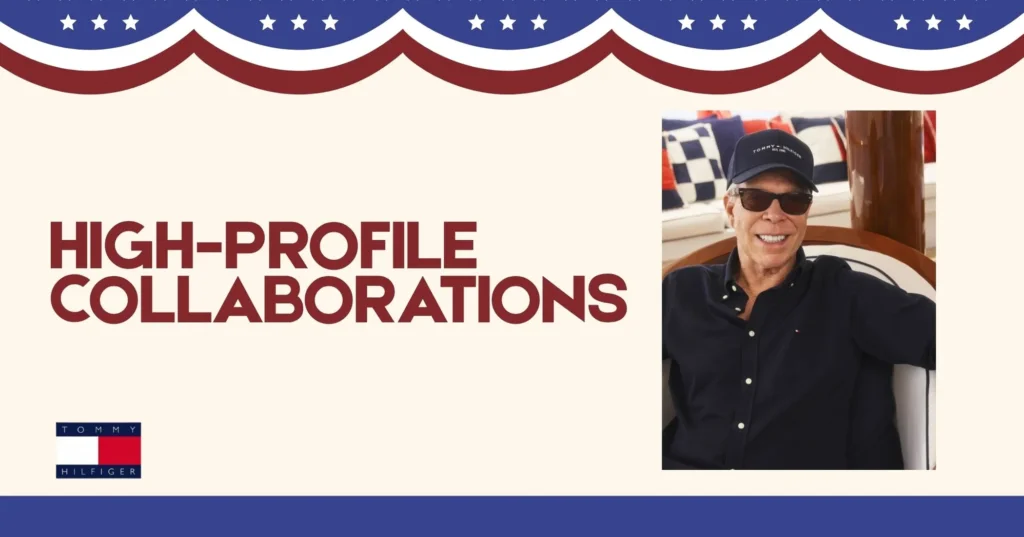
What started in one small New York town eventually reached over a hundred countries worldwide.
Taking Classic American Style to International Markets
The company went public in 1992 and expanded steadily afterward, eventually operating more than 1,800 stores across over 100 countries by the time PVH Corp acquired Tommy Hilfiger in 2010 for roughly $3 billion, a dramatic scale-up from its single-store beginnings in Elmira. That growth wasn’t uninterrupted, either; the brand hit a genuine rough patch around the early 2000s, as oversaturation and shifting trends dented its momentum, before a repositioning strategy under new ownership pulled it back toward stronger, more consistent global growth through the following decade.
How the Brand Balanced Fashion Heritage With New Trends
Even as ownership and leadership changed over the years, the label kept returning to its original preppy, Americana foundation, updating silhouettes and running collaborations, most recently with figures like Gigi Hadid and Lewis Hamilton, without ever fully abandoning the visual identity that built its reputation decades earlier.
Why This Preppy Identity Works Across Generations
That consistency is part of why the fashion aesthetic still resonates today. Parents who wore it in the 1990s and their kids discovering it now are, in a real sense, shopping the same core identity, just updated for a new decade and a slightly different cultural moment.
The Bottom Line: Why Tommy Hilfiger’s Classic American Style Still Matters

From a small Elmira storefront to a global lifestyle brand generating billions in annual retail sales, the label’s story comes down to one consistent idea: classic American style, reinterpreted for whoever happens to be looking at it next. Preppy roots, an unlikely hip-hop crossover, and decades of steady international expansion never really changed that foundation. They just kept finding new audiences willing to wear it. That’s arguably the more interesting lesson buried in the brand’s history, longevity in fashion often has less to do with reinventing an identity every few years and more to do with knowing exactly which parts of it are worth protecting.
FAQs
When was Tommy Hilfiger founded?
The label launched in 1985, though its founder’s first store, People’s Place, opened back in 1969 in Elmira, New York.
What is Tommy Hilfiger best known for?
Preppy, Ivy League-inspired basics, button-downs, chinos, and polos, styled with its signature red, white, and blue branding.
Why is Tommy Hilfiger associated with preppy fashion?
Its earliest collections drew directly on Ivy League and nautical style, updated for a broader, more accessible price point than traditional preppy labels offered at the time.
What is the difference between Tommy Hilfiger and Tommy Jeans?
Tommy Jeans, now branded TommyJeans, is the label’s denim-focused line, while the main collection covers the brand’s broader menswear, womenswear, and lifestyle offerings.
Why did Tommy Hilfiger become popular in the 1990s?
Hip-hop and R&B artists adopted the label’s roomier styles and bold logos during the decade, pulling it into youth culture well beyond its original preppy audience.
The label launched in 1985, though its founder’s first store, People’s Place, opened back in 1969 in Elmira, New York.
Preppy, Ivy League-inspired basics, button-downs, chinos, and polos, styled with its signature red, white, and blue branding.
Its earliest collections drew directly on Ivy League and nautical style, updated for a broader, more accessible price point than traditional preppy labels offered at the time.
Tommy Jeans, now branded TommyJeans, is the label’s denim-focused line, while the main collection covers the brand’s broader menswear, womenswear, and lifestyle offerings.
Why did Tommy Hilfiger become popular in the 1990s?
Tags:

Smit Rangras
Product Associate, NineE
Smit works on the product team at NineE, helping shape how the platform is built and how it serves t...
Read More
Get Latest Fashion Insights, Before Everyone Else.