Updated on Oct 4, 2026
Hugo Boss: From German Tailoring to Global Menswear
Brand StoriesSmit Rangras12 Mins reading time
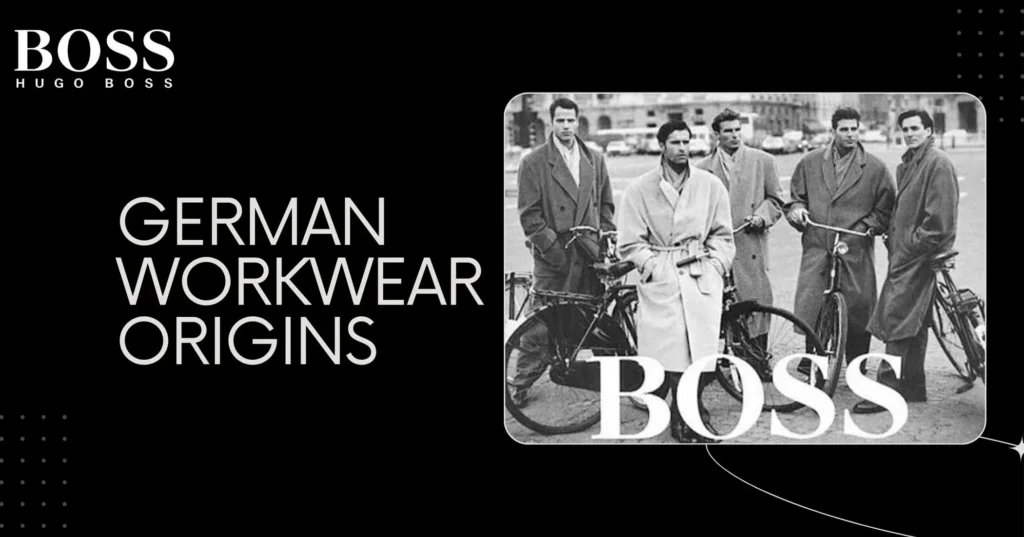
A small workwear factory in a German town eventually became one of the world’s recognised fashion groups. HUGO BOSS began in Metzingen in 1924, when Hugo Ferdinand Boss established a workshop that produced shirts, jackets, and workwear. The company later moved into men’s suits, creating the foundation for the BOSS brand and its modern menswear identity. This story follows that transformation from workwear production to tailoring, casualwear, sportswear, and a global fashion business.
TL;DR
- Hugo Ferdinand Boss established his workshop in Metzingen in 1924. The early business focused on shirts, jackets, workwear, and raincoats.
- The company received its first orders for men’s suits in the 1950s.
- In 1960, the company began standardised production of off-the-peg men’s suits, marking an important step toward modern menswear.
- The BOSS brand launched in the early 1970s and was registered as a brand in 1977.
- Motorsports sponsorship in the early 1970s helped BOSS build an international profile.
- In 1993, HUGO joined BOSS as part of a three-brand strategy, giving the company a more progressive brand aimed at new target groups.
- The company later moved to a two-brand structure built around BOSS and HUGO.
- In 2022, both brands received new visual identities and a stronger focus on younger and more global consumers.
- Today, HUGO BOSS operates with two distinct brands, BOSS and HUGO, covering tailoring, casualwear, sportswear, shoes, accessories, and lifestyle products.
The Origins of Hugo Boss in Germany
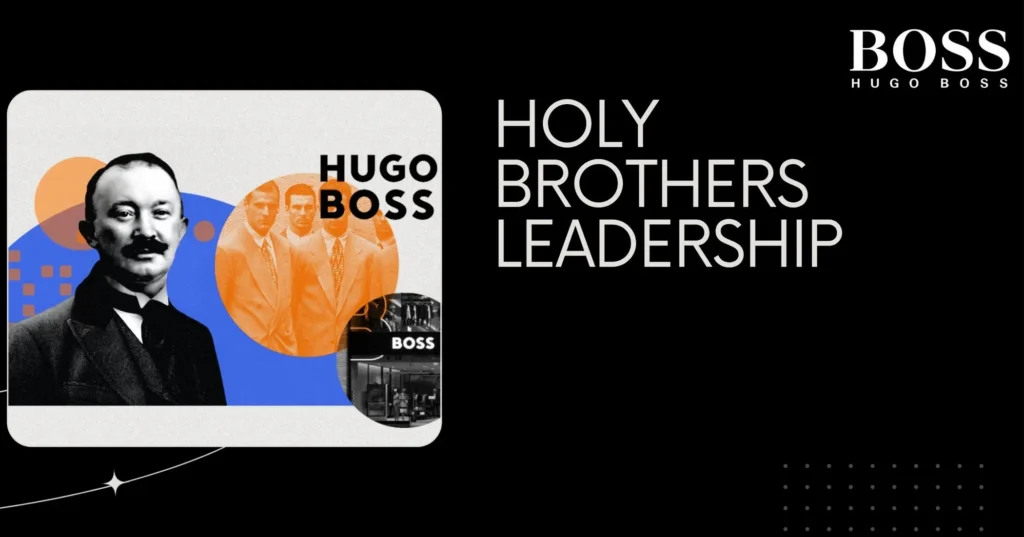
How Hugo Boss Was Founded in Metzingen in 1924
Hugo Ferdinand Boss established his workshop in Metzingen in 1924. The company began as a small clothing business rather than a fashion house. Its early production included shirts, jackets, workwear, and raincoats for customers in the local market.
This early focus on practical fashion reflected the importance of functional, everyday clothing long before the company became known for tailored menswear. Metzingen also remained closely connected to the company’s identity as it developed and expanded over the following decades.
From Workwear Production to Men’s Clothing
The company’s move toward menswear happened gradually after the Second World War. Under the leadership of Hugo Ferdinand Boss’s son-in-law, Eugen Holy, manufacturing expanded during the 1950s. The company received its first orders for men’s suits during this period.
By 1960, HUGO BOSS had started standardised production of off-the-peg men’s suits. This marked an important shift in the company’s development, as suits became a central part of its future business. In 1969, Hugo Boss’s grandsons, Jochen and Uwe Holy, took over the company and began reshaping it into the international fashion group that followed.
How Hugo Boss Became a Menswear Brand
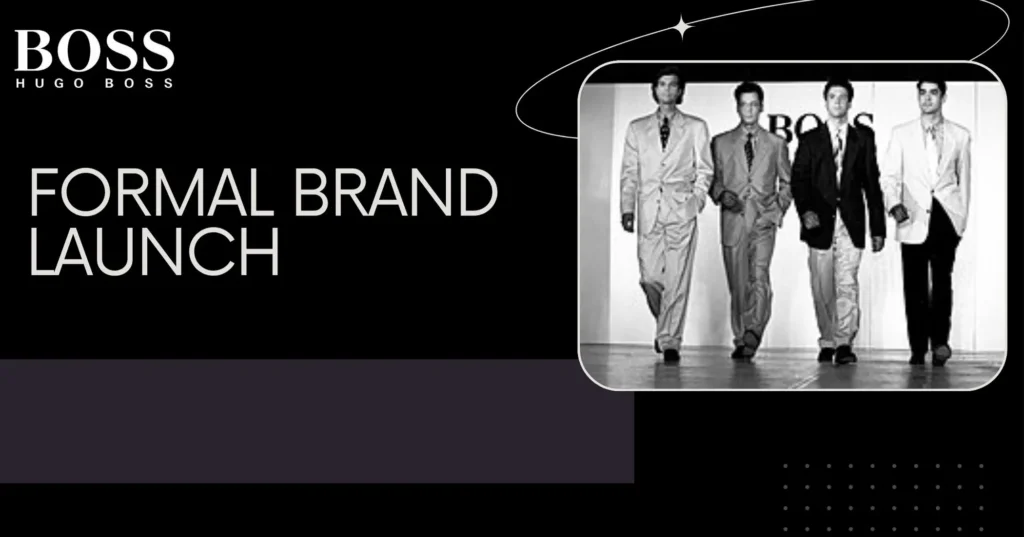
The Introduction of the BOSS Brand in the 1970s
The creation of BOSS gave the company a clear fashion identity. The BOSS brand launched in the early 1970s with high-quality men’s collections at a time when men’s interest in fashion and changing aesthetics was growing. The early BOSS look included narrow shoulders and two-button, single-breasted blazers.
BOSS was officially registered as a brand in 1977. This helped establish a distinct name and identity for the company’s growing menswear business.
How Tailoring Became the Foundation of BOSS Menswear
Tailoring became the core of BOSS because the company’s first standardised men’s suits had already created a strong production base. The brand built its identity around precise cuts, structured silhouettes, and a polished approach to men’s clothing.
This tailoring heritage later became the foundation for the wider BOSS wardrobe, including businesswear, casual clothing, sportswear, and accessories.
The Rise of Modern Men’s Suits
The growth of BOSS also reflected changing expectations around men’s clothing. Suits became more than practical workwear. They became part of a broader fashion identity, helping BOSS build recognition in Germany and then internationally.
The company’s expansion beyond Germany was supported by its growing product range and international marketing. Sports sponsorship also played an important role in bringing the BOSS name to audiences outside traditional fashion circles.
How Hugo Boss Defined Classic Menswear
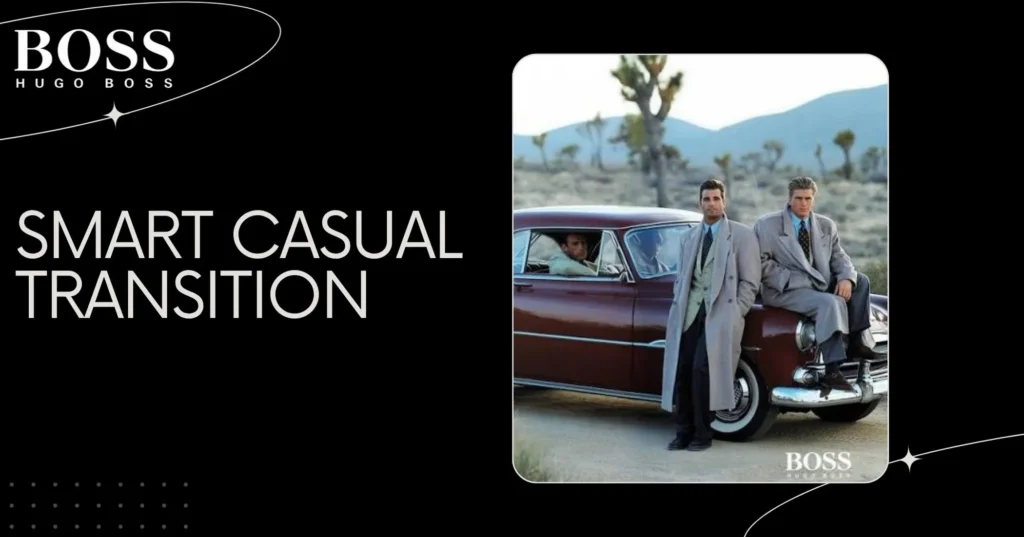
The Role of Tailoring in Hugo Boss Style
Tailoring remained central to BOSS style as the company expanded. The brand carried its structured approach into different categories, allowing customers to move between formal, business, and more relaxed looks while keeping a consistent visual identity.
How German Precision Shaped the Brand’s Design
The company’s history in garment production helped create a strong connection between manufacturing and design. As BOSS developed, precision, fit, and construction became important parts of its menswear identity.
Moving From Formalwear to Modern Business Casual
As workplace dress codes loosened up through the 1980s and 1990s, the company adjusted rather than staying locked into strict formalwear. Business casual became a real category worth chasing, and the brand’s existing reputation for precise tailoring translated pretty naturally into that looser, though still polished, direction. This shift also reflects the broader move toward smart casual dressing, where structured pieces can be combined with more relaxed styles.
From Hugo Boss Suits to Everyday Clothing
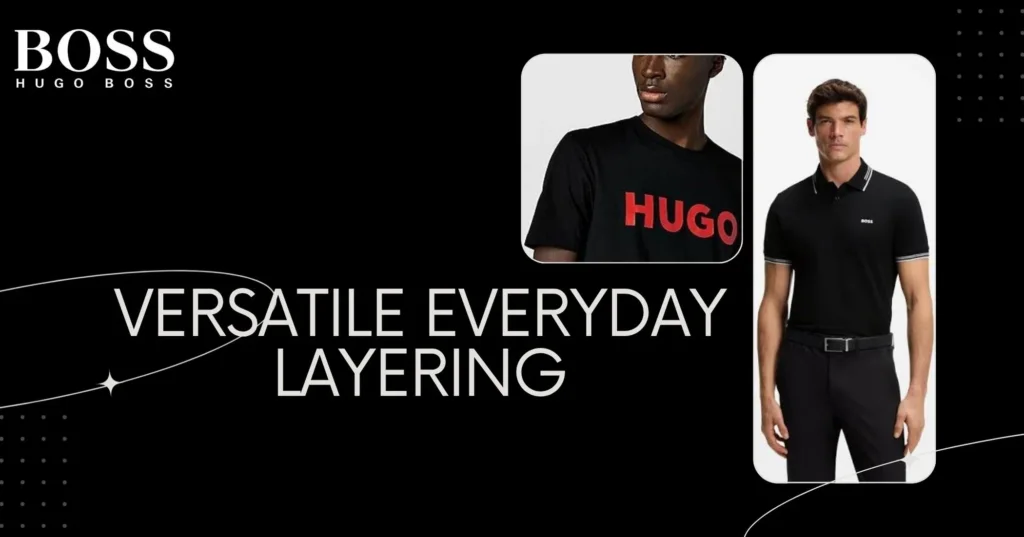
Hugo Boss T-Shirts, Polo Shirts, and Casual Essentials
T-shirts and polo shirts eventually joined the lineup, stretching that same tailored sensibility into far more relaxed, everyday garments. These pieces let customers wear the brand outside boardrooms and formal events, without dropping the clean, structured fashion aesthetic that built its name in the first place. Polo shirts especially became reliable sellers, sitting right in that middle ground between a formal dress shirt and a plain casual tee.
Hugo Boss Jackets, Jeans, and Modern Layers
Jackets and jeans rounded things out into a fuller wardrobe, giving the label real staying power across seasons and occasions instead of confining it to suiting alone. Layering pieces especially let the brand bridge formal and casual dressing within one cohesive collection.
How Casualwear Became Part of the Menswear Collection
As customer habits kept shifting toward comfort and flexibility, casualwear stopped being some side project and turned into a core part of the business. The label treated it with the same manufacturing discipline applied to its suits too, rather than outsourcing quality to some separate, lower-priority line.
How Hugo Boss Expanded Into Smart Casual Fashion
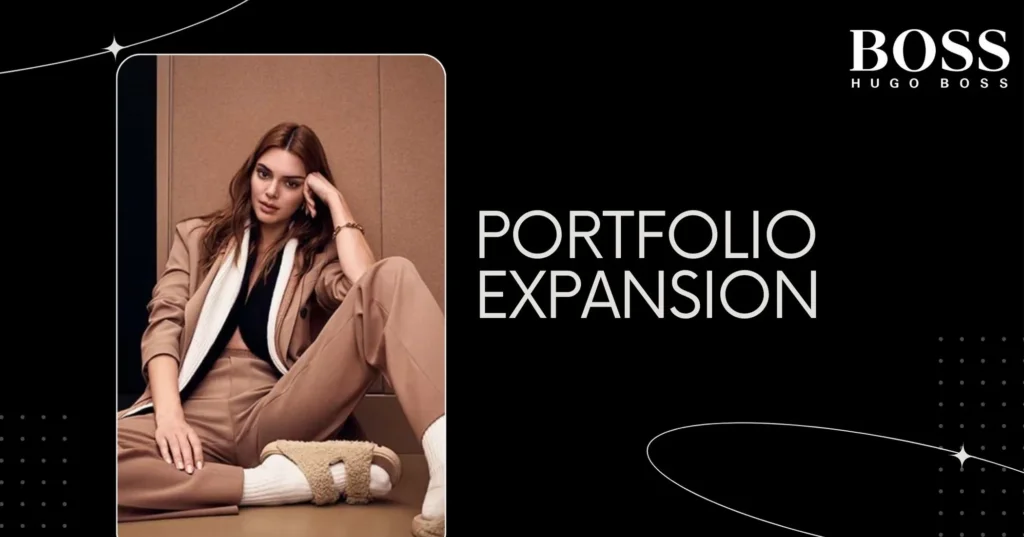
Combining Tailoring With Relaxed Clothing
Structured blazers paired naturally with simpler knitwear and relaxed-fit jeans, letting the brand build outfits that felt put-together without tipping into stiff formality. That balance became one of the label’s clearest strengths as menswear generally moved away from strict suiting altogether.
The Growth of Modern Menswear and Business Casual
Modern menswear increasingly rewards versatility over rigid formality, and the company adapted its collections accordingly, expanding pieces that could move from an office setting straight into an evening out without requiring a full wardrobe change. Quarter-zip pullovers, knitted polos, and lightweight jackets all reflected this shift, giving customers pieces built for a working day that no longer ended at a desk.
How Hugo Boss Adapted to Changing Men’s Fashion Trends
Fashion for men doesn’t stay put for long. Lock into one identity too tightly and you risk becoming irrelevant fast. This company avoided that trap by keeping the tailoring DNA, sticking with it through decade after decade, while quietly adjusting silhouettes, fabrics, whatever proportions the moment called for.
The Evolution of Hugo Boss Into a Global Fashion Brand
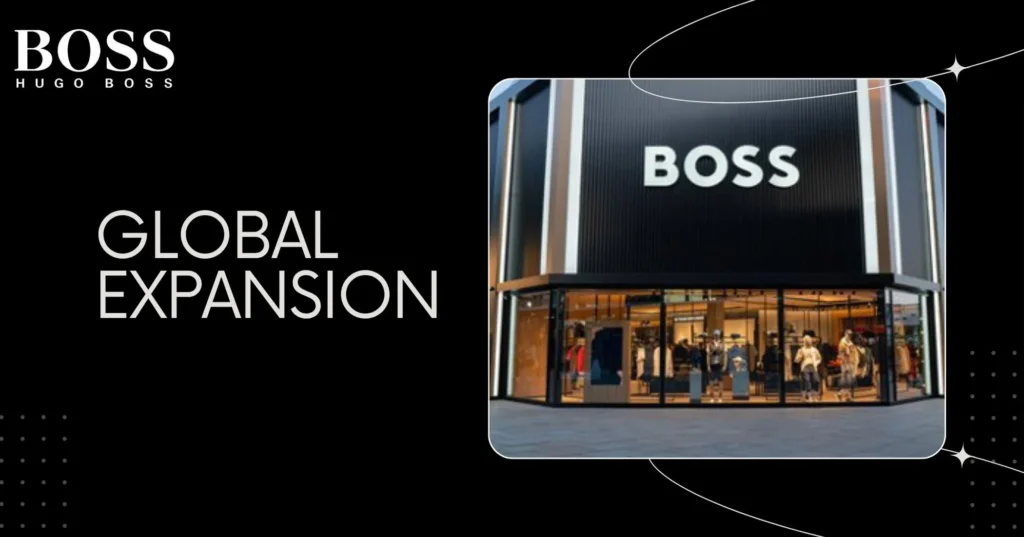
How Sports Sponsorship Helped Build Global Recognition
Early 1970s, motorsports sponsorship entered the picture, putting the name in front of audiences that had nothing to do with fashion circles at all. Golf followed in 1985. Both moves tied the brand to a competitive, achievement-driven culture, which lined up perfectly with the “success” image it had already been building. There’s more to it than just visibility too. These sponsorships planted the name right next to exactly the kind of ambitious, high-achieving customers the company had spent years trying to dress.
The Expansion Into Fragrances, Accessories, and Lifestyle Products
Fragrances came next. Then eyewear, watches, footwear, leather accessories. A pure clothing manufacturer slowly turned into something closer to a full lifestyle brand. Every new category kept that same tailored, precision-first identity the original suits had built decades earlier.
How HUGO and BOSS Created Different Sides of the Brand
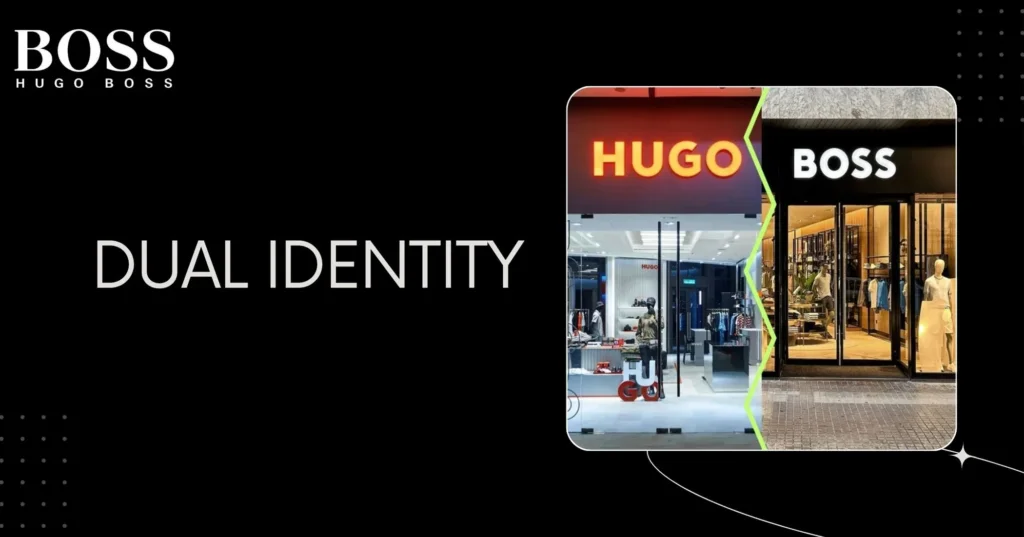
Why HUGO Was Created as a Younger, More Progressive Brand
1993, HUGO arrived, aimed squarely at trendsetters, mixing modern tailoring with casualwear for a younger, more experimental, urban crowd. It didn’t go head to head with BOSS. Instead it opened up a completely separate audience the main line had basically never bothered chasing.
How BOSS Remained Focused on Refined Menswear
BOSS stuck to its lane, polished, international customers who valued fit and fabric quality over whatever was trending that season. Splitting the two let the company run two genuinely separate design philosophies at once, without either one diluting the other.
How Hugo Boss Expanded Beyond Traditional Menswear
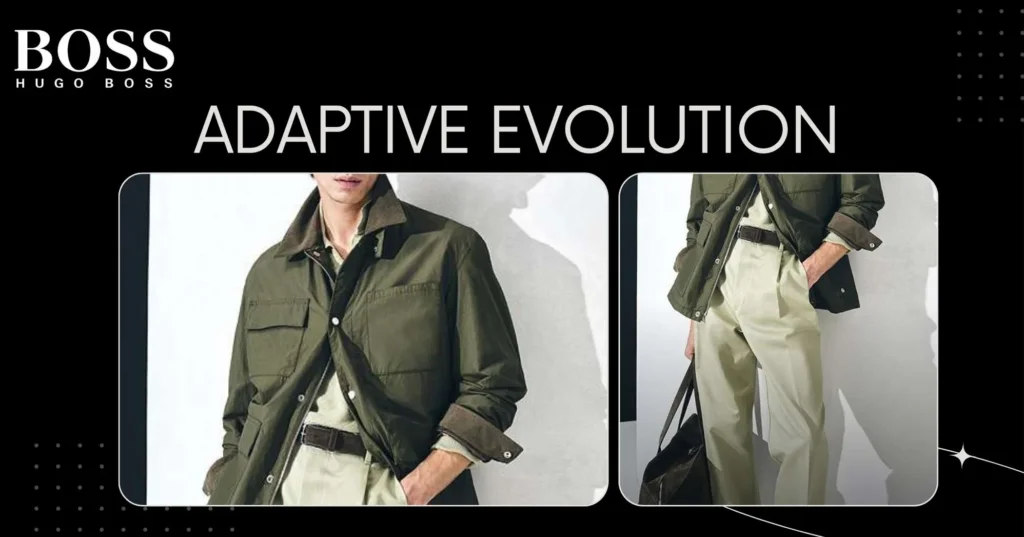
The Introduction of Womenswear and Lifestyle Collections
2000 brought BOSS’s first womenswear collection, a genuinely big shift for a company that had spent nearly eighty years focused almost entirely on men. That single move opened real new revenue streams sitting right alongside the existing menswear business.
How Sportswear and Casual Lines Broadened the Brand
BOSS Orange, BOSS Green, these pushed things further into casualwear and sportswear territory. Distinct sub-lines, each built for different lifestyle needs, rather than cramming everything through one narrow, formal filter.
The Hugo Boss Identity in Modern Menswear
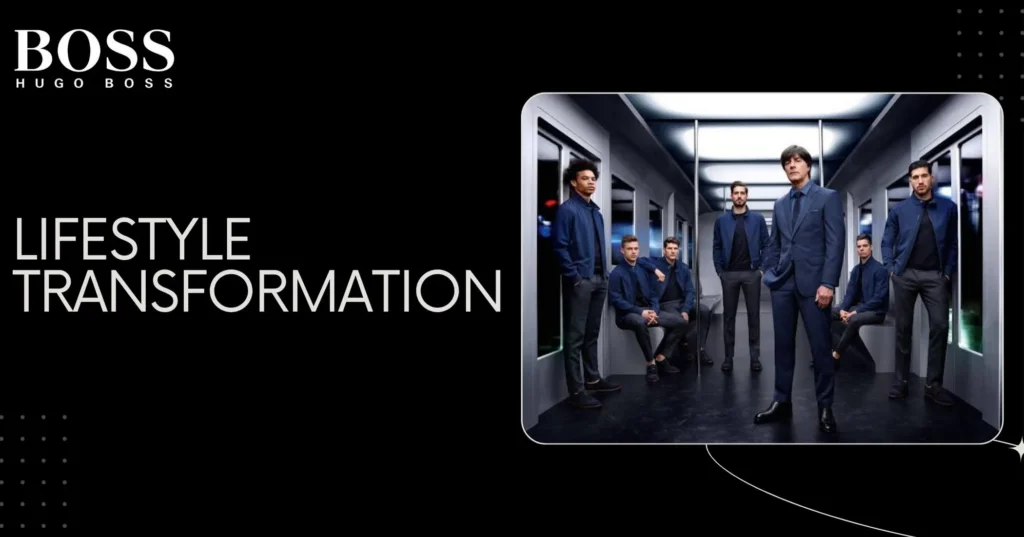
From Classic Tailoring to 24/7 Lifestyle Dressing
Workplace norms kept shifting, customer habits along with them, so the brand stopped talking about itself purely in terms of suits. Now it thinks in terms of an entire day, starting to finish.
How BOSS Combines Heritage With Contemporary Style
BOSS gets described these days as a 24/7 lifestyle brand. Menswear’s still central to that strategy, tailoring, casualwear, sportswear, shoes, accessories, bodywear, all of it. That framing lets the label keep its tailoring heritage intact while still holding its own in categories it never touched in its earliest years. Recent collections lean harder into performance fabrics, looser fits too, which says something. The brand’s still testing how far that tailoring foundation can stretch before it loses what made it recognizable in the first place.
The Bottom Line: How Hugo Boss Shaped Modern Menswear
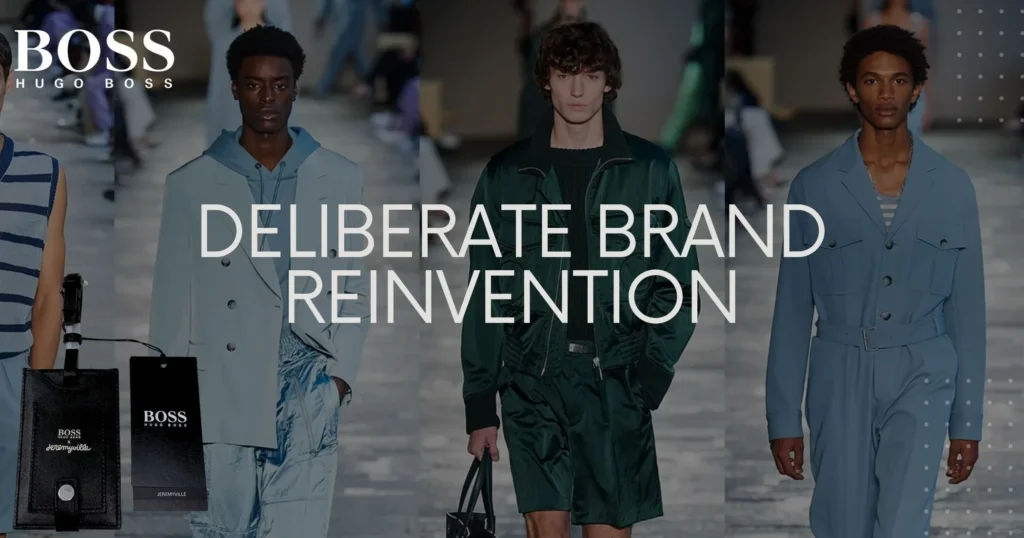
Small workwear factory to global lifestyle brand, tailoring, casualwear, fragrance, accessories, the whole arc really comes down to steady, deliberate reinvention rather than any single dramatic leap. Precision-driven manufacturing never disappeared. It just kept finding new categories to apply itself to. Suits first, then sportswear, then eventually a more versatile men’s capsule wardrobe. That consistency, more than any one product, explains why the brand still carries weight in menswear today, nearly a hundred years after it started out sewing shirts and raincoats in a small German town.
FAQs
When was Hugo Boss founded?
1924, Metzingen, Germany. Founded by Hugo Ferdinand Boss.
What is Hugo Boss best known for?
Precision-tailored menswear, suits above all, alongside a wider lifestyle range spanning casualwear, fragrances, accessories.
What makes Hugo Boss menswear different?
Structured, precise tailoring, consistently, paired with a steady drift toward smart casual and modern business dressing.
Is Hugo Boss a German fashion brand?
Yes, headquartered in Metzingen since 1924.
What is the difference between BOSS and HUGO?
BOSS stays refined, internationally minded. HUGO, launched 1993, chases a younger, more experimental crowd.
What does Hugo Boss sell besides suits?
T-shirts, polos, jackets, jeans, sportswear, fragrances, eyewear, watches, footwear, leather goods, plus womenswear since 2000.
Is Hugo Boss considered a luxury fashion brand?
Sits in the premium tier. Known for quality tailoring and craftsmanship, above mass-market but short of ultra-luxury.
1924, Metzingen, Germany. Founded by Hugo Ferdinand Boss.
Precision-tailored menswear, suits above all, alongside a wider lifestyle range spanning casualwear, fragrances, accessories.
Structured, precise tailoring, consistently, paired with a steady drift toward smart casual and modern business dressing.
Yes, headquartered in Metzingen since 1924.
BOSS stays refined, internationally minded. HUGO, launched 1993, chases a younger, more experimental crowd.
T-shirts, polos, jackets, jeans, sportswear, fragrances, eyewear, watches, footwear, leather goods, plus womenswear since 2000.
Sits in the premium tier. Known for quality tailoring and craftsmanship, above mass-market but short of ultra-luxury.
Tags:

Smit Rangras
Product Associate, NineE
Smit works on the product team at NineE, helping shape how the platform is built and how it serves t...
Read More
Get Latest Fashion Insights, Before Everyone Else.