Updated on Jul 30, 2026
Fashion Aesthetics Guide: Understanding Popular Fashion Styles
Fashion GuidesAakash Jethwani38 Mins reading time
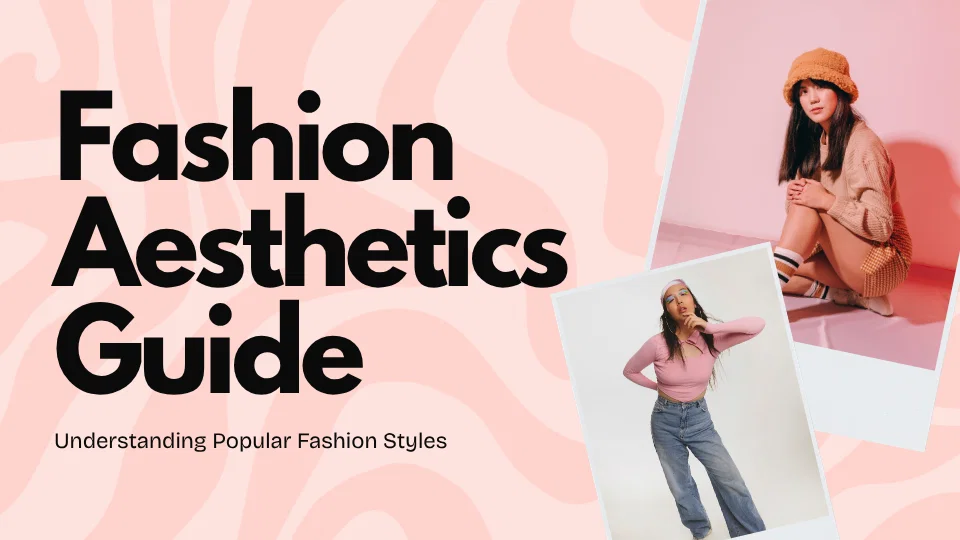
Have you ever seen someone’s outfit and immediately understood the kind of style they were going for—even before noticing the individual clothes?
Maybe it felt polished and timeless. Maybe it looked relaxed and effortless. Or perhaps it was bold, vintage-inspired, or unmistakably edgy. Even when you can’t describe it perfectly, you can usually recognize the overall look.
That’s what a fashion aesthetic is.
Quick Answer
A fashion aesthetic is a recognizable style or visual identity created through clothing, colors, silhouettes, fabrics, accessories, and overall styling. Popular fashion aesthetics include Old Money, Quiet Luxury, Minimalist, Streetwear, Y2K, Clean Girl, Cottagecore, Dark Academia, and many others. Understanding these aesthetics can help you discover your personal style, build a more cohesive wardrobe, and make more confident shopping decisions.
A fashion aesthetic is more than a collection of clothes. It’s the overall visual identity created by your choice of colors, silhouettes, fabrics, accessories, and the way you put outfits together. Rather than following random trends, people often gravitate toward aesthetics that reflect their personality, lifestyle, or the image they want to project.
Understanding different fashion aesthetics can make getting dressed much easier. Instead of buying clothes that look good on their own, you begin building a wardrobe where everything feels connected. Shopping becomes more intentional, outfits feel more consistent, and your personal style becomes easier to define.
Whether you’re trying to discover your own style, understand popular aesthetics like Old Money or Quiet Luxury, or simply want inspiration for refreshing your wardrobe, this guide will walk you through everything you need to know.
What is a Fashion Aesthetic?
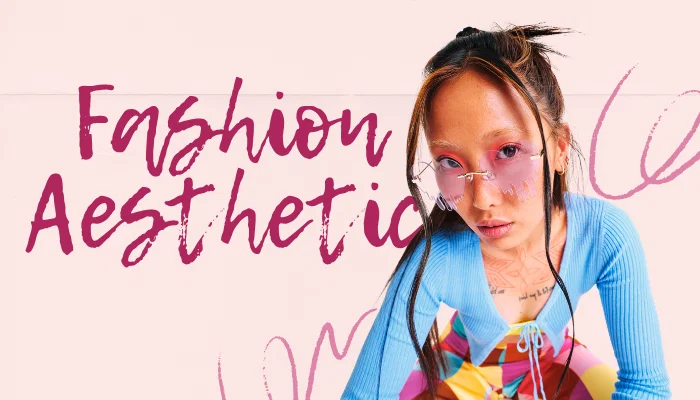
A fashion aesthetic is the overall look and feel of the way you dress. It’s the combination of clothing, colors, silhouettes, fabrics, accessories, and styling choices that creates a recognizable visual identity.
Think of it as the mood your outfits communicate.
Someone who wears tailored blazers, loafers, and neutral colors creates a very different impression from someone who prefers oversized hoodies, sneakers, and graphic prints. Neither approach is better. They simply represent different fashion aesthetics.
An aesthetic isn’t defined by one specific item of clothing. Instead, it comes from how different pieces work together.
For example, a white button-down shirt can appear in several aesthetics. It might feel polished in an Old Money outfit, modern in a Minimalist wardrobe, relaxed in a Scandinavian look, or casual when styled with baggy jeans and sneakers.
The surrounding pieces give the outfit its identity.
Fashion aesthetics also help explain why two people can wear similar clothes but create completely different looks. The colors they choose, the fit of their clothing, the fabrics they wear, and the accessories they add all influence the final result.
Fashion Aesthetic vs Fashion Style
The terms fashion aesthetic and fashion style are often used interchangeably, but they aren’t exactly the same.
A fashion style is your overall way of dressing. It reflects your long-term preferences and the clothes you naturally enjoy wearing.
A fashion aesthetic is a specific visual direction within that style. It follows a recognizable mood or theme that other people can easily identify.
For example, someone may have a classic personal style while being drawn to the Old Money aesthetic. Another person might have a relaxed style but prefer Scandinavian or Minimalist aesthetics.
Your personal style is unique to you. So fashion aesthetics simply provide inspiration and a framework for expressing it.
Fashion Aesthetic vs Fashion Trends
Fashion trends come and go.
But fashion aesthetics tend to last much longer.
A trend might make leopard print, barrel-leg jeans, or a particular color popular for one season. An aesthetic is much broader. It represents a complete way of dressing rather than a single trending item.
That’s why aesthetics often outlive trends.
People have been dressing in minimalist, bohemian, preppy, and vintage-inspired ways for decades, even though the specific pieces within those aesthetics continue to evolve.
Understanding this difference makes shopping easier. Instead of chasing every new trend, you can choose the ones that naturally fit the aesthetic and personal style you already enjoy.
Why Understanding Fashion Aesthetics Matters
Many people think they need more clothes to improve their wardrobe.
In reality, they often need more clarity.
When you understand the fashion aesthetic you’re naturally drawn to, getting dressed becomes much easier. Instead of mixing random pieces that never quite feel right, you begin building outfits with a clear sense of direction.
That’s one reason people with smaller wardrobes often look more put together than those with overflowing closets. Their clothes share a consistent visual language.
Why Understanding Your Fashion Aesthetic Matters
Understanding fashion aesthetics can also help you shop more intentionally.
Before buying something new, you stop asking, “Do I like this?” Instead, you start asking:
- Does this fit the style I’m trying to build?
- Will it work with the clothes I already own?
- Can I create multiple outfits with it?
- Is this something I’ll still enjoy wearing next year?
These questions lead to better purchasing decisions and fewer impulse buys.
Fashion aesthetics can also help you:
- Build a wardrobe that feels more cohesive.
- Develop a stronger sense of personal style.
- Create outfits with greater confidence.
- Avoid chasing every new fashion trend.
- Make shopping faster and more intentional.
Perhaps the biggest benefit is confidence.
When your wardrobe reflects a style that feels authentic to you, getting dressed becomes less about following fashion rules and more about expressing yourself. You spend less time second-guessing your outfits because they feel consistent with who you are.
At the same time, it’s worth remembering that a fashion aesthetic isn’t a rulebook.
You don’t have to follow one aesthetic perfectly or limit yourself to a single label. Think of aesthetics as a source of inspiration rather than a set of restrictions. They’re meant to help you understand your style—not define it.
Before exploring the most popular fashion aesthetics, it helps to understand what actually creates them in the first place.
The Building Blocks of Every Fashion Aesthetic

At first glance, different fashion aesthetics can seem completely unrelated.
Old Money feels polished. Streetwear feels relaxed. Cottagecore feels romantic. Minimalist fashion feels clean and understated.
But every aesthetic is built using the same core elements. The difference lies in how those elements are combined.
Understanding these building blocks makes it much easier to recognize different aesthetics and develop your own.
Color Palette
Color is often the first thing people notice about an outfit.
Some aesthetics rely on neutral shades like black, white, navy, and beige. Others embrace soft pastels, earthy tones, or bold, high-contrast colors.
For example, Quiet Luxury often uses timeless neutrals, while Y2K fashion is known for brighter, more playful colors.
A consistent color palette helps create a recognizable look, even when the individual pieces change.
Silhouettes and Fit
The shape of your clothes plays a huge role in defining an aesthetic.
Some styles favor structured tailoring and clean lines. Others lean toward oversized fits, flowing fabrics, or relaxed proportions.
Even a basic white shirt can feel completely different depending on how it’s styled. Worn with tailored trousers, it creates one impression. Paired with baggy jeans, it creates another.
The silhouette often communicates as much as the clothing itself.
Fabrics and Textures
Different materials create different moods.
Linen and cotton often feel light and effortless. Wool and tweed add structure and tradition. Leather creates a bolder look, while silk and satin introduce elegance.
Texture also adds depth to an outfit. Mixing fabrics thoughtfully can make even simple outfits feel more interesting.
Footwear
Shoes do more than complete an outfit. They often reinforce the entire aesthetic.
Loafers and leather shoes create a different impression from chunky sneakers or combat boots.
The same outfit can look polished, casual, or edgy simply by changing the footwear.
Accessories
Accessories help bring an aesthetic to life.
Bags, belts, jewelry, sunglasses, scarves, and watches all contribute to the overall look. They can also add personality without changing your entire wardrobe.
In many cases, accessories are what make an outfit feel intentional rather than unfinished.
Hair and Grooming
Fashion doesn’t stop with clothing.
Hairstyles, makeup, and grooming often become part of an aesthetic’s identity. A sleek bun creates a different feeling from loose beach waves. Natural makeup communicates something different from bold graphic eyeliner.
These details help complete the overall look without becoming the main focus.
The Overall Mood
Perhaps the most important building block is the feeling an outfit creates.
Every fashion aesthetic tells a visual story.
Some feel elegant and refined. Others feel creative, nostalgic, sporty, rebellious, or romantic.
This overall mood is what ties everything together. It’s why people can often recognize an aesthetic instantly, even if they can’t name the individual pieces.
Once you understand these building blocks, you’ll start noticing them everywhere. More importantly, you’ll begin to see how different fashion aesthetics are created—and what makes each one unique.
How Fashion Aesthetics Are Created
Fashion aesthetics don’t appear overnight.
They develop over time as different influences shape the way people dress. Culture, history, music, art, lifestyle, and even social media all play a role in creating recognizable styles.
Understanding where aesthetics come from makes them easier to appreciate. It also helps you build a wardrobe that feels authentic instead of simply copying what’s popular.
Culture and History
Many fashion aesthetics have deep cultural or historical roots.
Old Money style draws inspiration from traditional European tailoring and classic sportswear. Dark Academia is influenced by historic universities, literature, and vintage fashion. Bohemian style has roots in artistic and free-spirited communities.
Even modern aesthetics often borrow ideas from the past and reinterpret them for today’s wardrobes.
Music and Pop Culture
Music has always influenced fashion.
Rock, hip-hop, punk, indie, K-pop, and other genres have each inspired distinct ways of dressing. Over time, these influences have evolved into recognizable aesthetics that extend beyond the music itself.
Celebrities and public figures often help introduce these styles to a wider audience, making them even more popular.
Lifestyle
The way people live naturally shapes the clothes they wear.
Someone working in a corporate office has different wardrobe needs than a student, a creative professional, or someone who works remotely. As similar lifestyles emerge, so do similar ways of dressing.
Many popular aesthetics reflect not only fashion preferences but also everyday routines and values.
Social Media
Platforms like Instagram, Pinterest, TikTok, and YouTube have made fashion aesthetics more visible than ever.
Instead of following seasonal trends alone, people now discover complete style identities through outfit inspiration, mood boards, and creator communities.
As a result, aesthetics such as Clean Girl, Coastal Grandmother, and Mob Wife became widely recognized in a relatively short period of time.
Personal Expression
Perhaps the biggest influence is individuality.
People use clothing to communicate personality, interests, creativity, and confidence. Over time, those personal choices often align with broader aesthetics, but no one follows an aesthetic in exactly the same way.
That’s why two people can both dress in a Minimalist or Streetwear aesthetic while still looking completely different.
Fashion aesthetics aren’t about fitting into a box.
They’re simply different ways of expressing yourself through clothing. The best aesthetic is the one that feels natural to your personality, lifestyle, and the image you want to present.
Now that you understand how fashion aesthetics develop, let’s explore some of the most popular styles and what makes each one unique.
Popular Fashion Aesthetics Explained
Fashion aesthetics come in many forms, and there’s no single style that’s right for everyone.
Some people are drawn to timeless tailoring and understated elegance. Others prefer relaxed streetwear, romantic silhouettes, or bold statement pieces. Each aesthetic reflects a different way of expressing personality through clothing.
You don’t have to commit to just one aesthetic, either. Many people naturally combine elements from different styles to create a look that feels uniquely their own.
Below are some of the most popular fashion aesthetics today and what makes each one distinctive.
1. Old Money Aesthetic
The Old Money aesthetic is inspired by timeless elegance rather than obvious luxury. Instead of chasing trends or wearing clothing covered in designer logos, it focuses on high-quality basics, classic tailoring, and understated sophistication.
The style is often associated with heritage fashion, Ivy League influences, and traditional country club dressing. It values clothes that look refined without appearing overly styled.
Common pieces include blazers, Oxford shirts, tailored trousers, polo shirts, cashmere sweaters, loafers, pleated skirts, trench coats, and well-made knitwear.
The color palette is equally timeless. Navy, white, beige, cream, camel, olive, and soft grey are some of the most common shades because they create polished outfits that never feel overpowering.
Accessories are usually minimal and functional. Leather belts, structured handbags, simple watches, pearl jewelry, and classic sunglasses complete the look without drawing unnecessary attention.
Despite its name, the Old Money aesthetic isn’t about wealth. It’s about choosing quality over quantity and building a wardrobe that feels elegant, versatile, and enduring.
Best for: People who appreciate classic, refined, and timeless dressing.
Read next: Old Money Aesthetic Guide
2. Quiet Luxury
Quiet Luxury is built around the idea that great style doesn’t need to be loud.
Rather than relying on bold logos or trend-driven pieces, this aesthetic focuses on exceptional quality, clean silhouettes, and timeless design. The emphasis is on craftsmanship, fit, and subtle elegance rather than showing off expensive brands.
Although Quiet Luxury became widely discussed in recent years, the philosophy behind it has existed for decades. It’s about investing in well-made clothing that feels sophisticated and remains stylish long after trends have passed.
Typical wardrobe staples include tailored blazers, cashmere sweaters, wide-leg trousers, crisp shirts, high-quality T-shirts, structured coats, leather loafers, and simple dresses. Every piece is chosen for its versatility and longevity.
The color palette is understated and refined. Shades such as black, white, cream, camel, taupe, charcoal, navy, and chocolate brown create a polished look without demanding attention.
Accessories follow the same approach. Structured leather bags, minimal jewelry, classic watches, and understated footwear complement the outfit instead of becoming its focal point.
While Quiet Luxury and the Old Money aesthetic share many similarities, they aren’t identical. Old Money draws inspiration from heritage fashion and traditional elegance, while Quiet Luxury is rooted in modern minimalism and exceptional quality.
Best for: People who prefer timeless, sophisticated outfits with a modern and understated feel.
Read next: Quiet Luxury Style Guide
3. Minimalist Fashion
Minimalist fashion is built on the idea that less can often achieve more.
Instead of filling a wardrobe with bold prints, fast-changing trends, or unnecessary details, this aesthetic focuses on clean lines, simple silhouettes, and carefully chosen pieces that work together effortlessly.
The goal isn’t to make every outfit look plain. It’s to remove distractions so quality, fit, and thoughtful styling become the focus.
Minimalist wardrobes typically include well-fitting T-shirts, tailored trousers, straight-leg jeans, button-down shirts, knitwear, structured blazers, simple dresses, and timeless outerwear. Each piece is chosen because it can be worn repeatedly in different combinations.
The color palette is usually calm and versatile. Black, white, grey, navy, beige, cream, and soft earth tones create outfits that feel modern without becoming repetitive.
Accessories are equally understated. Clean sneakers, leather loafers, structured handbags, delicate jewelry, and classic watches add polish without overwhelming the outfit.
One common misconception is that minimalist fashion is boring. In reality, the aesthetic relies on thoughtful proportions, quality fabrics, and excellent fit rather than decorative details. Small differences in texture, layering, and tailoring often have a bigger impact than bright colors or statement pieces.
Minimalist fashion also pairs naturally with concepts like capsule wardrobes because both encourage intentional shopping and versatile clothing, even though they aren’t exactly the same.
Best for: People who appreciate clean, timeless outfits and prefer quality over excess.
Read next: Minimalist Fashion Guide
4. Clean Girl Aesthetic
The Clean Girl aesthetic is defined by simplicity, polish, and an effortlessly put-together appearance.
Rather than following bold fashion trends, it focuses on creating outfits that feel fresh, balanced, and understated. The look became popular through social media, but its appeal comes from timeless basics rather than constantly changing styles.
The wardrobe is built around versatile essentials that are easy to mix and match. Popular pieces include oversized white shirts, fitted tank tops, straight-leg jeans, tailored trousers, relaxed blazers, basic T-shirts, knitwear, and simple dresses.
The color palette is light and neutral. White, cream, beige, grey, black, and soft brown dominate the aesthetic, creating outfits that look clean without feeling overly formal.
Footwear is equally understated. White sneakers, loafers, ballet flats, and minimal sandals are common choices because they complement a wide range of outfits.
Accessories are kept to a minimum. Small gold jewelry, structured handbags, classic sunglasses, and simple belts add subtle detail without becoming the center of attention. Hair is often worn in sleek buns or soft waves, while makeup focuses on natural, glowing skin rather than dramatic looks.
Although the Clean Girl aesthetic shares some similarities with Minimalist Fashion and Quiet Luxury, it has a more youthful and relaxed feel. It places just as much emphasis on grooming and overall presentation as it does on clothing.
Best for: People who prefer polished, effortless outfits with a fresh and modern appearance.
Read next: Clean Girl Aesthetic Guide
5. Streetwear
Streetwear is one of the most influential fashion aesthetics today. It combines comfort, individuality, and cultural influence to create outfits that feel relaxed yet intentional.
Originally shaped by skateboarding, hip-hop, and sneaker culture, streetwear has evolved into a global fashion movement. While trends within streetwear continue to change, self-expression remains at the heart of the aesthetic.
The style is known for oversized silhouettes, relaxed fits, and layering. Common wardrobe staples include graphic T-shirts, hoodies, oversized sweatshirts, cargo pants, baggy jeans, bomber jackets, varsity jackets, and statement sneakers.
Unlike many other aesthetics, streetwear doesn’t rely on a fixed color palette. Some outfits are built around monochrome neutrals, while others embrace bold colors, graphics, and eye-catching prints. The focus is less on matching perfectly and more on creating a balanced, confident look.
Footwear plays a major role. Sneakers are often the centerpiece of an outfit, with limited editions, classic basketball shoes, and skate-inspired designs all being popular choices.
Accessories such as caps, crossbody bags, beanies, chains, and statement socks add personality and help complete the overall look.
Streetwear is also one of the most flexible fashion aesthetics. It often overlaps with luxury fashion, vintage clothing, workwear, and even minimalist style, allowing people to create looks that reflect their own interests rather than following strict rules.
Best for: People who value comfort, creativity, and expressing their personality through fashion.
Read next: Streetwear Style Guide
6. Y2K Fashion
Y2K fashion takes inspiration from the late 1990s and early 2000s. It’s playful, nostalgic, and unapologetically bold, bringing back many of the trends that defined the turn of the millennium.
The aesthetic embraces experimentation. Instead of following timeless wardrobe rules, it celebrates statement pieces, vibrant colors, shiny fabrics, and eye-catching accessories.
Popular clothing includes baby tees, crop tops, low-rise jeans, cargo pants, denim mini skirts, velour tracksuits, mesh tops, and oversized denim jackets. Layering and unexpected combinations are common, giving outfits a fun and youthful feel.
The color palette is much brighter than many other aesthetics. Pink, purple, silver, metallic finishes, pastel shades, and colorful prints all have a place alongside classic denim and black basics.
Footwear often includes chunky sneakers, platform shoes, knee-high boots, and strappy sandals. Accessories play an equally important role, with tinted sunglasses, baguette bags, butterfly clips, chunky jewelry, and colorful hair accessories helping to complete the look.
While Y2K fashion is inspired by a specific era, today’s interpretation feels more wearable and modern. Many people incorporate just a few Y2K-inspired pieces into otherwise contemporary outfits rather than dressing entirely in early-2000s fashion.
The key to the aesthetic is confidence. It’s designed to be expressive, playful, and a little nostalgic without taking itself too seriously.
Best for: People who enjoy bold, trend-forward outfits and love experimenting with nostalgic fashion.
Read next: Y2K Fashion Guide
7. Cottagecore
Cottagecore is a romantic fashion aesthetic inspired by nature, slow living, and traditional countryside life. It celebrates simplicity, craftsmanship, and clothing that feels soft, comfortable, and timeless.
Rather than focusing on modern trends, Cottagecore embraces a nostalgic way of dressing. Natural fabrics, delicate details, and vintage-inspired silhouettes create outfits that feel peaceful and effortlessly charming.
Common wardrobe pieces include flowing maxi dresses, floral prints, puff-sleeve blouses, linen skirts, knitted cardigans, aprons, overalls, and relaxed trousers. Handmade details such as embroidery, lace, and crochet are also closely associated with the aesthetic.
The color palette reflects the natural world. Cream, white, sage green, dusty blue, soft yellow, terracotta, muted pink, and earthy brown create a gentle, organic look that feels warm and inviting.
Footwear tends to be practical and understated. Leather boots, Mary Jane shoes, simple sandals, and clogs pair naturally with the relaxed silhouettes. Accessories often include straw hats, woven baskets, delicate jewelry, ribbons, and vintage-inspired bags.
Although Cottagecore is inspired by rural life, you don’t need to live in the countryside to embrace the aesthetic. Many people incorporate just a few Cottagecore elements into their everyday wardrobe, creating outfits that feel softer and more romantic without becoming costume-like.
At its heart, Cottagecore is less about where you live and more about appreciating comfort, craftsmanship, and a slower approach to fashion.
Best for: People who love romantic, vintage-inspired outfits with natural fabrics and a soft, feminine feel.
Read next: Cottagecore Fashion Guide
8. Dark Academia
Dark Academia is a fashion aesthetic inspired by classic literature, historic universities, and vintage academic style. It combines traditional tailoring with rich textures and muted colors to create a look that feels intellectual, timeless, and slightly mysterious.
The aesthetic draws influence from old libraries, ivy-covered campuses, and European heritage fashion. Instead of following seasonal trends, it celebrates craftsmanship, layering, and clothing with a sense of history.
Typical wardrobe pieces include tweed blazers, wool coats, Oxford shirts, knitted sweaters, turtlenecks, pleated trousers, midi skirts, waistcoats, and loafers. Layering is an important part of the aesthetic, especially during cooler months.
The color palette is deep and understated. Brown, charcoal, black, olive, burgundy, forest green, navy, and cream create the moody atmosphere that defines the style. Fabrics such as wool, tweed, corduroy, leather, and knitwear add texture and depth.
Accessories are classic rather than trendy. Leather satchels, vintage watches, scarves, round-frame glasses, and simple gold or silver jewelry complete the look without feeling excessive.
While Dark Academia is often associated with autumn and winter, its appeal goes beyond seasonal dressing. Many people adopt elements of the aesthetic year-round by combining classic tailoring with timeless wardrobe staples.
At its core, Dark Academia isn’t just about dressing like a student from another era. It’s about appreciating knowledge, craftsmanship, and clothing that feels thoughtful rather than trend-driven.
Best for: People who enjoy classic tailoring, vintage-inspired fashion, and sophisticated outfits with a literary feel.
Read next: Dark Academia Fashion Guide
9. Boho (Bohemian)
Boho, short for Bohemian, is a fashion aesthetic that celebrates creativity, individuality, and a free-spirited approach to dressing. Instead of following strict fashion rules, it embraces relaxed silhouettes, natural fabrics, and expressive details.
Inspired by artists, travelers, and bohemian culture, the aesthetic values comfort just as much as personal expression. Every outfit feels effortless, layered, and slightly eclectic without appearing overly polished.
Common wardrobe pieces include maxi dresses, flowy skirts, wide-leg trousers, embroidered blouses, crochet tops, kimonos, fringed jackets, linen shirts, and relaxed denim. Layering different textures and fabrics is a defining feature of the style.
The color palette is warm and earthy. Shades like cream, beige, terracotta, olive, rust, mustard, brown, and dusty blue create a natural, lived-in feel. Floral prints, paisley patterns, and subtle ethnic-inspired prints are also common.
Footwear is comfortable and casual. Leather sandals, ankle boots, suede boots, espadrilles, and clogs complement the relaxed aesthetic.
Accessories often make a bigger statement, with layered necklaces, stacked bracelets, oversized hats, woven bags, scarves, and handcrafted jewelry adding personality to simple outfits.
Although Boho fashion has evolved over the years, its core philosophy remains the same. It’s about dressing in a way that feels authentic rather than overly structured or trend-driven. Many people blend Boho elements with minimalist basics or modern tailoring to create a look that feels both relaxed and contemporary.
Best for: People who enjoy relaxed silhouettes, earthy colors, natural fabrics, and expressive, free-spirited style.
Read next: Boho Fashion Guide
10. Scandinavian Style
Scandinavian fashion is built around simplicity, functionality, and timeless design. Instead of chasing trends, it focuses on well-made clothing that is practical, comfortable, and easy to wear every day.
Originating from countries like Sweden, Denmark, and Norway, this aesthetic reflects the Scandinavian approach to design—clean, purposeful, and understated. Every piece has a reason to be in the wardrobe, with an emphasis on quality over quantity.
Common wardrobe staples include oversized shirts, straight-leg jeans, tailored trousers, relaxed blazers, knitwear, trench coats, minimalist dresses, and well-cut outerwear. The silhouettes are clean and comfortable, often combining structured pieces with softer, more relaxed layers.
The color palette is calm and versatile. White, black, grey, navy, beige, cream, olive, and muted blue create outfits that feel effortless throughout the year. Small accents of color are sometimes introduced, but they rarely overpower the overall look.
Footwear is practical without sacrificing style. White sneakers, leather boots, loafers, and simple sandals are popular choices because they pair easily with almost every outfit.
Accessories are minimal and functional. Structured leather bags, understated jewelry, classic watches, and simple scarves complete the outfit without adding unnecessary detail.
Scandinavian style is often confused with Minimalist Fashion because both embrace clean lines and timeless pieces. The difference is that Scandinavian fashion feels softer and more relaxed, placing greater emphasis on comfort, layering, and everyday practicality.
Best for: People who want comfortable, versatile outfits with a clean, modern, and effortlessly stylish feel.
Read next: Scandinavian Fashion Guide
11. Parisian Chic
Parisian Chic is known for its effortless elegance. Rather than following every new fashion trend, it focuses on timeless pieces, understated styling, and the confidence to keep things simple.
The aesthetic is often described as looking polished without appearing like you tried too hard. Instead of building outfits around statement pieces, it relies on classic wardrobe staples that remain stylish year after year.
Typical clothing includes tailored blazers, striped Breton tops, crisp white shirts, straight-leg jeans, black trousers, trench coats, slip dresses, knitwear, and well-fitted basics. Every piece is versatile and easy to combine with the rest of the wardrobe.
The color palette is refined and understated. Black, white, navy, beige, camel, grey, and soft earth tones dominate, with occasional touches of red or burgundy adding subtle contrast.
Footwear is timeless rather than trend-driven. Ballet flats, loafers, ankle boots, white sneakers, and classic heels are common choices because they pair effortlessly with everyday outfits.
Accessories follow the same philosophy. Structured leather bags, silk scarves, delicate jewelry, and classic sunglasses add personality without overwhelming the outfit. Hair and makeup are typically natural, reinforcing the effortless character of the aesthetic.
Although Parisian Chic shares similarities with Old Money and Quiet Luxury, it feels more relaxed and personal. The emphasis isn’t on perfection but on wearing classic pieces with confidence and ease.
Best for: People who appreciate timeless fashion, understated elegance, and effortless everyday style.
Read next: Parisian Chic Style Guide
12. Coastal Grandmother
Despite its name, the Coastal Grandmother aesthetic has nothing to do with age. It’s a relaxed, elegant style inspired by coastal living, timeless home interiors, and effortless everyday dressing.
The aesthetic became popular through social media, but its roots lie in classic resort wear and laid-back luxury. Think breezy mornings by the sea, linen clothing, oversized sweaters, and simple outfits that always look put together.
The wardrobe centers around natural, breathable fabrics. Linen shirts, oversized button-downs, relaxed trousers, white T-shirts, knit sweaters, wide-leg pants, midi dresses, and lightweight cardigans are some of its signature pieces.
The color palette is soft and calming. White, cream, beige, light blue, sage green, sand, and soft grey reflect the colors of the coast and create outfits that feel fresh without being overly styled.
Footwear is practical and comfortable. Leather sandals, espadrilles, loafers, white sneakers, and simple slides complement the relaxed mood of the aesthetic.
Accessories are understated and functional. Woven tote bags, straw hats, oversized sunglasses, pearl jewelry, and lightweight scarves add character while maintaining the effortless feel.
Although Coastal Grandmother shares some similarities with Quiet Luxury, it has a much more casual personality. It prioritizes comfort, natural textures, and easy layering over structured tailoring, making it ideal for everyday wear in warmer climates.
Best for: People who love relaxed, timeless outfits inspired by coastal living and effortless elegance.
Read next: Coastal Grandmother Style Guide
13. Soft Girl
The Soft Girl aesthetic is playful, feminine, and youthful. It combines pastel colors, comfortable silhouettes, and delicate details to create outfits that feel gentle, approachable, and expressive.
Originally popularized through social media, the aesthetic takes inspiration from Korean and Japanese street fashion, while also incorporating elements of 1990s and early-2000s style. The result is a look that feels sweet without being overly formal.
Common wardrobe pieces include oversized cardigans, cropped sweaters, pleated skirts, wide-leg jeans, baby tees, oversized hoodies, slip dresses, knitted vests, and relaxed trousers. The silhouettes are soft and comfortable, balancing fitted pieces with looser layers.
The color palette is light and cheerful. Soft pink, lavender, baby blue, cream, white, sage green, and pastel yellow are among the most recognizable shades. Floral prints, subtle patterns, and playful graphics also appear frequently.
Footwear usually includes white sneakers, Mary Jane shoes, ballet flats, platform sneakers, and simple ankle boots. Accessories help define the aesthetic, with hair clips, mini shoulder bags, delicate necklaces, ribbons, and small earrings adding a youthful touch.
Unlike many trend-driven aesthetics, the Soft Girl aesthetic focuses more on creating a gentle overall mood than following specific clothing rules. Many people incorporate just a few Soft Girl elements into their everyday wardrobe while maintaining their own personal style.
Best for: People who enjoy soft colors, feminine silhouettes, and relaxed outfits with a playful, youthful feel.
Read next: Soft Girl Aesthetic Guide
14. Balletcore
Balletcore is a fashion aesthetic inspired by the elegance and discipline of ballet. It blends graceful silhouettes, soft fabrics, and delicate details to create outfits that feel feminine, refined, and effortlessly polished.
Although inspired by dancewear, Balletcore isn’t about dressing like a ballerina. Instead, it borrows key elements from ballet and adapts them into everyday fashion.
Typical wardrobe pieces include wrap tops, fitted cardigans, knit sweaters, slip dresses, pleated skirts, ribbed tops, wide-leg trousers, and lightweight layers. Soft fabrics such as knitwear, cotton, satin, and chiffon help create the flowing look that defines the aesthetic.
The color palette is light and understated. Blush pink, cream, white, beige, soft grey, lavender, and pale blue are commonly used to create a calm and elegant appearance. Black is also used as a classic ballet-inspired neutral.
Footwear plays an important role. Ballet flats are the signature choice, but loafers, sleek sneakers, and low heels also fit naturally within the aesthetic. Accessories remain subtle, with delicate jewelry, satin ribbons, structured handbags, and simple hair accessories adding a graceful finishing touch.
Balletcore has become increasingly popular because it combines comfort with elegance. Many people embrace the aesthetic by incorporating just one or two ballet-inspired pieces into an otherwise modern wardrobe, making it feel wearable rather than theatrical.
Best for: People who appreciate elegant, feminine outfits with soft colors, graceful silhouettes, and timeless simplicity.
Read next: Balletcore Fashion Guide
15. Gorpcore
Gorpcore is a fashion aesthetic that takes inspiration from outdoor and hiking clothing, bringing technical, performance-focused pieces into everyday wardrobes. The name comes from the nickname “gorp,” short for Good Ol’ Raisins and Peanuts—a classic trail snack associated with hiking culture.
What began as practical outdoor wear has evolved into a popular fashion aesthetic. Today, Gorpcore combines functionality with modern styling, proving that performance clothing can look just as fashionable in the city as it does on the trail.
Common wardrobe pieces include waterproof jackets, fleece pullovers, puffer vests, cargo pants, technical trousers, utility vests, hiking boots, trail running shoes, and lightweight performance layers. Comfort and durability are just as important as appearance.
The color palette is inspired by nature. Olive green, charcoal, black, beige, grey, navy, rust, and earthy browns are the most common choices, although bright technical colors are sometimes used as accents.
Footwear is one of the defining features of the aesthetic. Hiking boots, trail sneakers, and rugged outdoor shoes are often paired with otherwise simple outfits, creating a balance between utility and everyday style.
Accessories are practical rather than decorative. Crossbody utility bags, backpacks, caps, beanies, sunglasses, and weather-resistant outerwear all reinforce the functional nature of the look.
Although Gorpcore is rooted in outdoor gear, you don’t need to spend your weekends hiking to embrace the aesthetic. Many people simply enjoy its combination of comfort, durability, and understated style, making it one of the most practical fashion aesthetics for everyday wear.
Best for: People who value comfort, functionality, and outdoor-inspired style without compromising on modern fashion.
Read next: Gorpcore Fashion Guide
Fashion Aesthetics at a Glance
If you’re unsure which fashion aesthetic feels most like you, this comparison table is a good place to start. It highlights the defining characteristics of each style and the overall impression it creates.
| Fashion Aesthetic | Overall Vibe | Common Colors | Best For |
| Old Money | Classic, elegant, timeless | Navy, beige, cream, white | People who prefer refined and sophisticated outfits |
| Quiet Luxury | Understated, modern, premium | Black, camel, taupe, white | Those who value quality and subtle elegance |
| Minimalist | Clean, simple, versatile | Black, white, grey, beige | People who enjoy timeless, clutter-free style |
| Clean Girl | Fresh, polished, effortless | White, cream, beige, soft brown | Everyday outfits with a neat, modern look |
| Streetwear | Relaxed, expressive, urban | Neutral tones plus bold accents | Creative dressers who value comfort |
| Y2K | Playful, nostalgic, bold | Pink, silver, pastel shades | Fashion lovers who enjoy experimenting |
| Cottagecore | Romantic, natural, vintage-inspired | Sage, cream, brown, floral tones | Those who love soft, countryside-inspired fashion |
| Dark Academia | Intellectual, vintage, moody | Brown, charcoal, olive, burgundy | Fans of classic tailoring and heritage style |
| Boho | Free-spirited, artistic, relaxed | Earth tones, rust, olive, cream | People who prefer natural fabrics and relaxed silhouettes |
| Scandinavian | Functional, modern, effortless | White, grey, navy, beige | Those who value comfort and simplicity |
| Parisian Chic | Elegant, effortless, timeless | Black, navy, camel, white | Lovers of classic everyday dressing |
| Coastal Grandmother | Relaxed, airy, sophisticated | White, sand, light blue, cream | People who enjoy laid-back coastal style |
| Soft Girl | Feminine, youthful, playful | Pink, lavender, pastel blue | Those who love gentle colors and soft silhouettes |
| Balletcore | Graceful, delicate, refined | Blush, cream, white, lavender | Elegant dressers who appreciate soft, feminine styling |
| Gorpcore | Functional, outdoorsy, practical | Olive, charcoal, beige, navy | Those who prioritize comfort and utility |
Remember, these aesthetics aren’t strict categories. Many people naturally combine elements from several styles to create a wardrobe that reflects their own personality and lifestyle.
How to Find Your Fashion Aesthetic
Discovering your fashion aesthetic isn’t about choosing a label from a list.
It’s about recognizing the styles you’re naturally drawn to and understanding why they appeal to you. Most people already have preferences—they just haven’t put a name to them yet.
Instead of asking, “Which aesthetic should I follow?” ask a better question:
“What kind of outfits make me feel most like myself?”
The answers are often already hiding in your wardrobe.
Look at the Clothes You Wear Most
Open your wardrobe and focus on the pieces you reach for every week.
Do you mostly wear tailored blazers and loafers? Relaxed denim and sneakers? Neutral basics? Flowing dresses and natural fabrics?
Your favorite clothes reveal more about your style than the items you rarely wear.
Instead of analyzing everything you own, pay attention to what you genuinely enjoy wearing.
Save the Outfits You Love
Start collecting outfit inspiration from Pinterest, Instagram, magazines, or your favorite creators.
After saving 20 to 30 outfits, look for patterns.
Ask yourself:
- Which colors appear most often?
- Do the outfits look relaxed or structured?
- Are they simple or bold?
- What types of shoes and accessories keep appearing?
You’ll usually notice one or two aesthetics showing up repeatedly.
Think About Your Lifestyle
Your wardrobe should support your everyday life.
Someone who works in a corporate office will naturally dress differently from someone who works remotely or spends weekends outdoors.
The best fashion aesthetic isn’t the one that’s trending. It’s the one that fits your daily routine while still reflecting your personality.
Notice What Makes You Feel Confident
Some outfits simply feel right.
Maybe it’s a perfectly tailored blazer, a pair of relaxed wide-leg jeans, or a flowing linen dress. Those pieces often become the foundation of your personal style because they make you feel comfortable and confident.
Confidence is usually a better guide than trends.
Don’t Force Yourself Into One Label
Many people expect to fit neatly into a single fashion aesthetic.
In reality, that’s quite rare.
You might enjoy the timeless elegance of Old Money, the simplicity of Minimalist fashion, and the relaxed comfort of Scandinavian style. Those influences can exist together without creating conflict.
Fashion aesthetics are best used as inspiration, not as rules.
Your goal isn’t to become a perfect example of one aesthetic. It’s to understand the elements you enjoy most and use them to create a wardrobe that feels authentic to you.
Once you understand your preferences, building outfits and shopping intentionally becomes much easier because every decision has a clearer sense of direction.
Read Also: Personal Fashion Aesthetic
Can You Have More Than One Fashion Aesthetic?
Absolutely.
In fact, most people don’t fit neatly into a single fashion aesthetic. Your style is shaped by your personality, lifestyle, career, and interests, so it’s completely natural to be drawn to elements from several aesthetics at once.
You might prefer the timeless tailoring of Old Money but enjoy the simplicity of Minimalist fashion. Or perhaps you like the relaxed feel of Scandinavian style while adding a few Streetwear-inspired pieces on weekends.
These combinations often create the most authentic wardrobes.
Think of Aesthetics as Ingredients
A helpful way to think about fashion aesthetics is to imagine them as ingredients rather than complete recipes.
You don’t have to choose just one.
Instead, you can combine the elements that suit your lifestyle and leave out the ones that don’t. The result is a wardrobe that feels personal instead of looking like a copy of someone else’s.
Popular Aesthetic Combinations
Some fashion aesthetics naturally work well together because they share similar principles.
For example:
- Old Money + Quiet Luxury for timeless, sophisticated dressing.
- Minimalist + Scandinavian for clean, functional everyday outfits.
- Clean Girl + Quiet Luxury for polished and effortless style.
- Boho + Cottagecore for relaxed, romantic looks with natural textures.
- Streetwear + Gorpcore for comfortable, utility-inspired outfits.
- Parisian Chic + Minimalist for understated elegance with modern simplicity.
These combinations allow you to create a wardrobe with more personality while still maintaining a cohesive look.
Let Your Lifestyle Guide the Mix
Not every aesthetic will suit the way you live.
You may admire dramatic Streetwear outfits online but spend most of your week in a business casual office. Likewise, you might love the romance of Cottagecore but prefer the practicality of Scandinavian style for everyday wear.
There’s nothing wrong with taking inspiration from an aesthetic without fully adopting it.
The best wardrobe is one that supports your daily life while still feeling true to your personality.
Your Personal Style Is More Important Than Any Label
Fashion aesthetics are useful because they give us a shared language to describe different styles.
But they should never limit your creativity.
As you experiment with different influences, you’ll naturally develop a personal style that’s uniquely yours. Over time, that style may borrow ideas from several aesthetics while remaining consistent and recognizable.
That’s the goal.
Fashion aesthetics help you discover your style—they shouldn’t replace it.
How to Build a Wardrobe Around Your Fashion Aesthetic
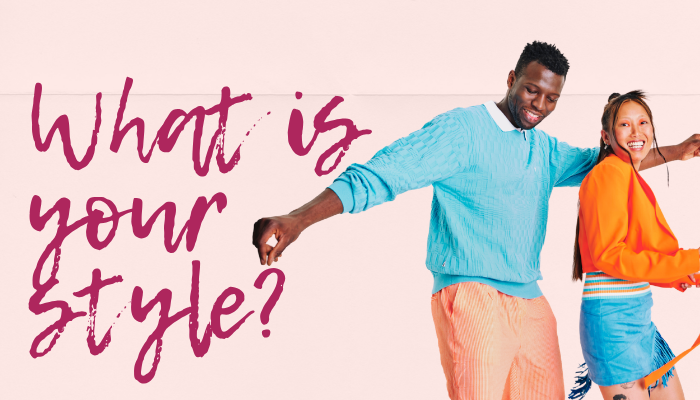
Finding your fashion aesthetic is only the first step.
The real value comes from using it to make better wardrobe decisions. Instead of replacing everything you own, focus on building a wardrobe that gradually reflects the style you want to wear.
Small, intentional changes usually create better results than a complete makeover.
Start With What You Already Own
Before buying anything new, take a fresh look at your wardrobe.
You may already own many pieces that fit your preferred aesthetic. A blazer, a pair of straight-leg jeans, a linen shirt, or a classic knit sweater can often become the foundation of your new style.
Keep the clothes that feel authentic to you and identify the ones that no longer match the direction you want to take.
Build Around Versatile Foundation Pieces
Every strong wardrobe starts with reliable basics.
Well-fitting jeans, tailored trousers, quality T-shirts, shirts, knitwear, and versatile shoes create a foundation that makes outfit building much easier. Once these essentials are in place, you can introduce pieces that reflect your chosen aesthetic.
A balanced wardrobe is built from the ground up—not from statement pieces alone.
Shop With Intention
Understanding your aesthetic makes shopping much simpler.
Before buying something new, ask yourself:
- Does this fit the style I’m building?
- Can I wear it with several pieces I already own?
- Will I enjoy wearing it a year from now?
- Does it fill a genuine gap in my wardrobe?
These questions help you avoid impulse purchases and create a wardrobe where every piece earns its place.
Let Your Style Evolve Naturally
Your fashion aesthetic doesn’t have to stay exactly the same forever.
As your lifestyle changes, your wardrobe will change too. You may discover new influences, experiment with different colors, or combine several aesthetics in ways that feel more personal.
That’s a sign that your style is developing—not that you’re doing something wrong.
The goal isn’t to build a wardrobe that perfectly matches one aesthetic.
It’s to create a wardrobe that feels authentic, works for your lifestyle, and gives you confidence every time you get dressed.
If you’re ready to turn your inspiration into a practical wardrobe, our guides on How to Build a Capsule Wardrobe, Capsule Wardrobe Essentials, and Capsule Wardrobe Checklist will help you put these ideas into action.
Fashion Aesthetics Are About Finding Your Style, Not Following Someone Else’s
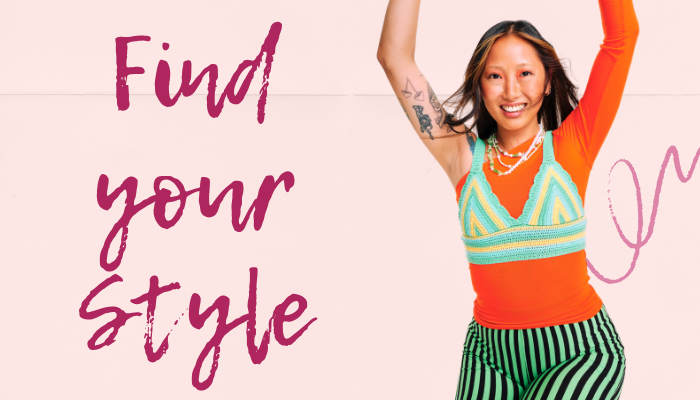
Fashion aesthetics give us a useful way to understand different styles, but they aren’t rules you have to follow.
Whether you’re drawn to the timeless elegance of Old Money, the simplicity of Minimalist fashion, the creativity of Streetwear, or the romance of Cottagecore, the goal isn’t to fit perfectly into one category. It’s to discover the elements that genuinely reflect your personality and lifestyle.
Your wardrobe should make getting dressed easier, not more complicated.
As you explore different aesthetics, you’ll naturally begin to notice recurring patterns. Certain colors, silhouettes, fabrics, and outfit combinations will stand out because they feel comfortable, confident, and authentic. Those patterns are often the foundation of your personal style.
Remember that style evolves over time.
A new job, a different lifestyle, changing interests, or simply growing more confident in your choices can all influence the way you dress. That’s completely normal. Your wardrobe should evolve with you rather than stay tied to a single label or trend.
The best fashion aesthetic is the one that helps you feel like yourself.
Use these aesthetics as inspiration, experiment with different influences, and create a wardrobe that reflects who you are—not who social media tells you to be.
If you’re ready to turn your favorite aesthetic into a wardrobe you’ll actually enjoy wearing, explore our guides on How to Build a Capsule Wardrobe, Capsule Wardrobe Essentials, Capsule Wardrobe Checklist, and Popular Fashion Aesthetics Explained. They’ll help you move beyond inspiration and build a wardrobe that’s practical, versatile, and uniquely yours.
Frequently Asked Questions
What is a fashion aesthetic?
A fashion aesthetic is a recognizable way of dressing that combines clothing, colors, silhouettes, fabrics, accessories, and styling into a consistent visual identity. Rather than being defined by one specific item, it’s the overall look and feeling your outfits create.
How do I find my fashion aesthetic?
Start by looking at the clothes you wear most often and the outfits that make you feel confident. You can also save outfit inspiration from platforms like Pinterest or Instagram and look for recurring colors, silhouettes, and styling details. Over time, you’ll notice patterns that reflect your personal style.
Can I have more than one fashion aesthetic?
Yes. Most people naturally combine elements from different aesthetics. For example, you might enjoy the timeless elegance of Old Money, the simplicity of Minimalist fashion, and the comfort of Scandinavian style. The goal is to create a wardrobe that feels authentic to you rather than fitting into a single category.
What’s the difference between a fashion aesthetic and personal style?
A fashion aesthetic is a recognizable style category, such as Quiet Luxury or Streetwear. Personal style is unique to you. It develops over time based on your lifestyle, preferences, and experiences, and it may include influences from several different aesthetics.
What’s the difference between a fashion aesthetic and a fashion trend?
Fashion trends are short-term styles that become popular for a season or a few years. Fashion aesthetics are broader and more enduring. They represent a complete way of dressing rather than a single trending item, making them easier to build a long-term wardrobe around.
Which fashion aesthetic is the most popular?
There isn’t a single most popular fashion aesthetic because preferences vary from person to person. However, styles such as Old Money, Quiet Luxury, Minimalist Fashion, Clean Girl, Streetwear, and Y2K have gained significant popularity in recent years through social media and changing fashion trends.
Do I need to buy a whole new wardrobe to change my aesthetic?
No. Most people already own pieces that fit the aesthetic they’re drawn to. Start by identifying those items, then gradually add versatile pieces that support your preferred style. Building your wardrobe over time is usually more practical and more affordable than replacing everything at once.
Can my fashion aesthetic change over time?
Absolutely. Your style naturally evolves as your lifestyle, career, interests, and personal preferences change. Many people discover new influences over the years and gradually adapt their wardrobe to reflect the person they are today.
Are fashion aesthetics only for women?
Not at all. Fashion aesthetics are simply different approaches to dressing and can be adapted for anyone. Whether you’re interested in Old Money, Streetwear, Minimalist Fashion, Gorpcore, or another aesthetic, the same principles apply regardless of gender.
Do I have to follow fashion trends to have a fashion aesthetic?
No. Many fashion aesthetics are built around timeless clothing rather than seasonal trends. You can choose to incorporate trends that suit your style, but they’re never a requirement. A strong personal style is usually more consistent than changing fashion trends.
Which fashion aesthetic works best with a capsule wardrobe?
Minimalist Fashion, Quiet Luxury, Scandinavian Style, Old Money, and Parisian Chic naturally pair well with capsule wardrobes because they focus on versatile, timeless pieces. However, almost any fashion aesthetic can be adapted into a capsule wardrobe with thoughtful planning.
What’s the best fashion aesthetic for beginners?
There’s no universal best choice. Start by exploring different aesthetics and noticing which outfits feel most natural to you. Instead of choosing an aesthetic because it’s popular, build your wardrobe around the styles that suit your personality, lifestyle, and the way you genuinely enjoy dressing.
Tags:

Aakash Jethwani
Founder & CEO at NineE AI
Aakash Jethwani is the Founder & CEO of NineE AI, a Fashion Exploration Engine built to help peo...
Read More
Get Latest Fashion Insights, Before Everyone Else.