Updated on Jul 21, 2026
What Is the Old Money Aesthetic? A Complete Style Guide
Fashion GuidesAakash Jethwani36 Mins reading time
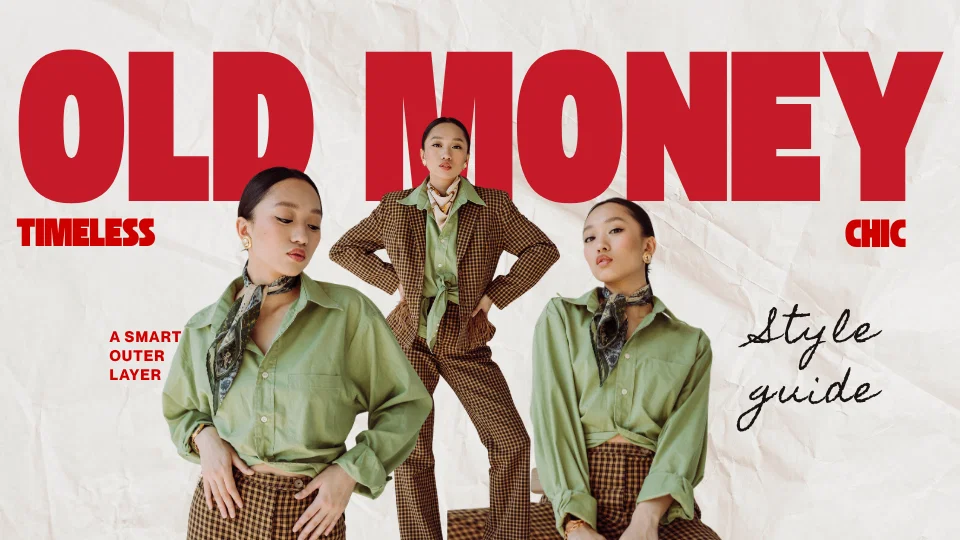
Scroll through Pinterest, Instagram, or TikTok, and you’ll quickly notice one style appearing again and again. Crisp Oxford shirts, tailored trousers, loafers, cable-knit sweaters, linen shirts, and neutral colors all seem to fall under one label: the Old Money aesthetic.
Quick Answer
The Old Money aesthetic is a timeless fashion style inspired by classic tailoring, understated elegance, and high-quality clothing rather than obvious luxury or fast-changing trends. It focuses on well-fitting wardrobe staples, neutral color palettes, traditional fabrics, and refined styling that remain fashionable for decades.
Despite its growing popularity, the style is often misunderstood.
Many people assume the Old Money aesthetic is about wearing expensive designer brands or looking wealthy. Others think it’s simply another name for Quiet Luxury. In reality, neither is true.
The Old Money aesthetic isn’t defined by logos, seasonal trends, or luxury shopping. It’s built around timeless clothing, classic tailoring, thoughtful styling, and a wardrobe that looks just as elegant today as it did decades ago. The emphasis isn’t on owning the most expensive clothes—it’s on choosing pieces that never feel outdated.
That’s one reason the aesthetic continues to appeal to so many people. Rather than chasing trends that change every season, it offers a more lasting approach to personal style based on quality, versatility, and understated elegance.
Whether you’re curious about the history behind the style, wondering how to dress in the Old Money aesthetic, or looking to build a timeless wardrobe of your own, this guide will walk you through everything you need to know.
Rather than dressing to display wealth, the Old Money aesthetic values subtle sophistication. The goal is to build a wardrobe of versatile, well-made pieces that look polished, effortless, and timeless instead of trendy.
What Is the Old Money Aesthetic?
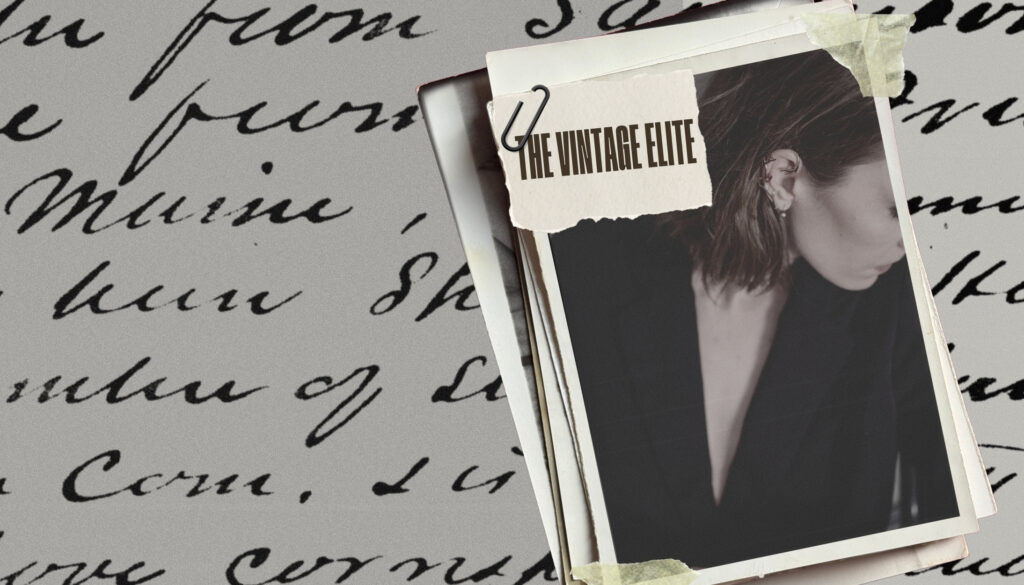
At its core, the Old Money aesthetic is a fashion style built around timeless elegance rather than obvious displays of wealth. It favors classic clothing, refined tailoring, quality materials, and understated styling over seasonal trends, large designer logos, or attention-grabbing outfits.
Why Is It Called “Old Money”?
The aesthetic is often associated with families whose wealth has been established over generations—hence the term Old Money. Historically, these communities valued discretion over extravagance. Clothing was chosen for its craftsmanship, durability, and appropriateness rather than its ability to signal status. While few people today share that background, the style philosophy has become widely admired because it prioritizes lasting quality instead of constant consumption.
Unlike many modern fashion trends, the Old Money aesthetic isn’t defined by a handful of signature pieces. It’s defined by consistency. A wardrobe built around this style feels cohesive because the colors, fabrics, silhouettes, and accessories all work together without competing for attention.
For example, instead of wearing a heavily branded sweatshirt, someone embracing the Old Money aesthetic is more likely to choose a well-fitted cashmere sweater or a classic Oxford shirt. Rather than buying trend-led sneakers every season, they may invest in timeless loafers or leather shoes that remain stylish for years.
Is the Old Money Aesthetic Only for Wealthy People?
Another misconception is that the Old Money aesthetic requires an unlimited budget. In reality, the philosophy encourages the opposite of excessive shopping. It values buying fewer, better-made pieces that can be worn repeatedly and combined in different ways. A thoughtfully chosen wardrobe often reflects the aesthetic more convincingly than an expensive closet filled with trend-driven purchases.
Ultimately, the Old Money aesthetic is less about looking wealthy and more about looking timeless. It favors restraint over excess, quality over quantity, and personal confidence over chasing attention.
The Old Money aesthetic isn’t about looking rich. It’s about dressing in a way that feels refined, timeless, and quietly confident—regardless of your budget.
The History Behind the Old Money Aesthetic
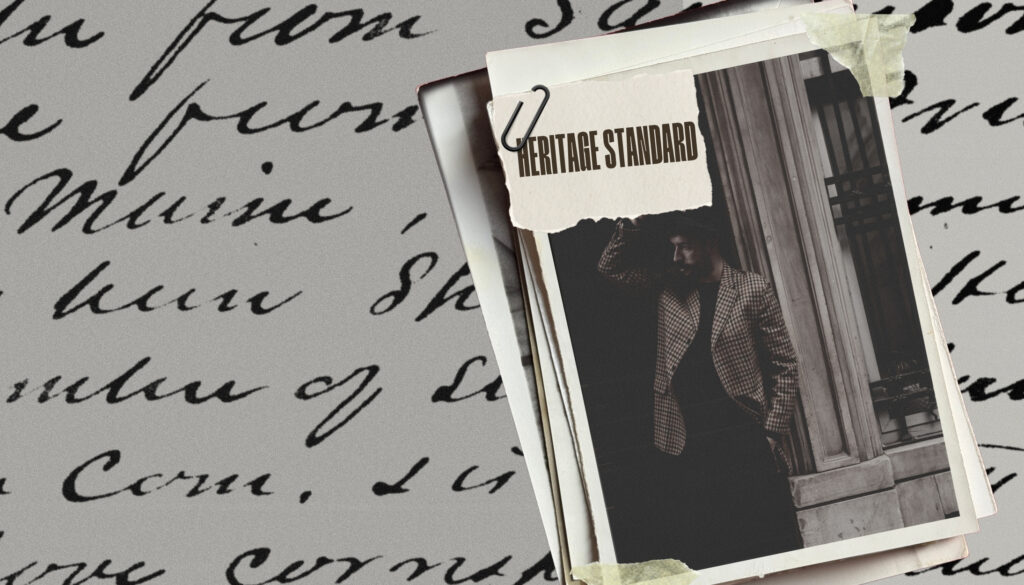
The Old Money aesthetic didn’t begin as a fashion trend. It evolved over generations as a practical way of dressing among families whose wealth and social status were already well established. Because there was little need to prove success through clothing, style became a reflection of tradition, quality, and restraint rather than status symbols.
Much of what we now recognize as the Old Money look can be traced back to European aristocracy and the upper classes of Britain and continental Europe. Tailored jackets, wool coats, linen shirts, leather shoes, and finely crafted knitwear were chosen because they were well made, durable, and appropriate for different occasions. Clothing was expected to last for years, often becoming part of a wardrobe that evolved slowly rather than changing with every fashion cycle.
How did Old Money Style Become Associated with American Prep?
During the twentieth century, many of these influences became closely associated with American East Coast style. Ivy League universities, boarding schools, country clubs, and traditional sporting activities such as tennis, rowing, polo, golf, and sailing all helped shape what is now considered classic Old Money fashion. These environments favored practical yet polished clothing that balanced comfort with refinement.
This heritage can still be seen in many of the wardrobe staples associated with the aesthetic today. Oxford shirts, navy blazers, pleated trousers, loafers, cable-knit sweaters, trench coats, and tailored outerwear all have roots in these traditional settings. None of these pieces were designed to make a dramatic fashion statement. Instead, they earned their place because they combined function, quality, and timeless design.
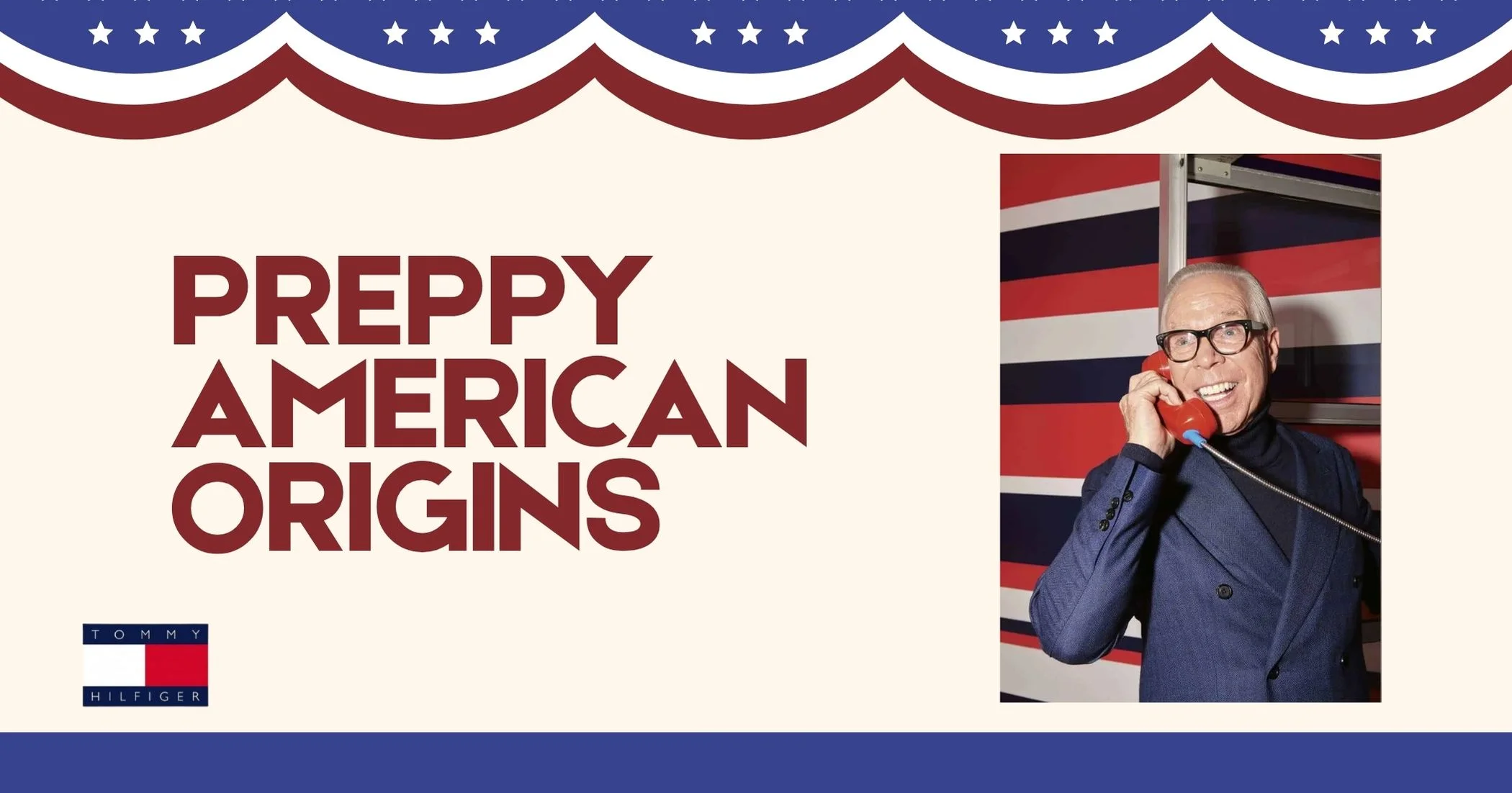
Over time, fashion designers also played an important role in bringing this style to a wider audience. Brands known for classic tailoring and heritage-inspired collections popularized the relaxed elegance of country club dressing, collegiate style, and equestrian influences, making the aesthetic accessible beyond the social circles where it originated.
Today, the Old Money aesthetic has evolved into something much broader. People are drawn to it not because they want to recreate an aristocratic lifestyle, but because its principles remain relevant in a world dominated by fast fashion and rapidly changing trends.
Rather than encouraging constant shopping, the aesthetic promotes building a wardrobe that improves with time—one where quality, versatility, and thoughtful styling matter far more than novelty.
Although its origins lie in tradition, the lasting appeal of the Old Money aesthetic comes from its timeless approach to dressing, not from the history of the people who first wore it.
The Principles That Define the Old Money Aesthetic
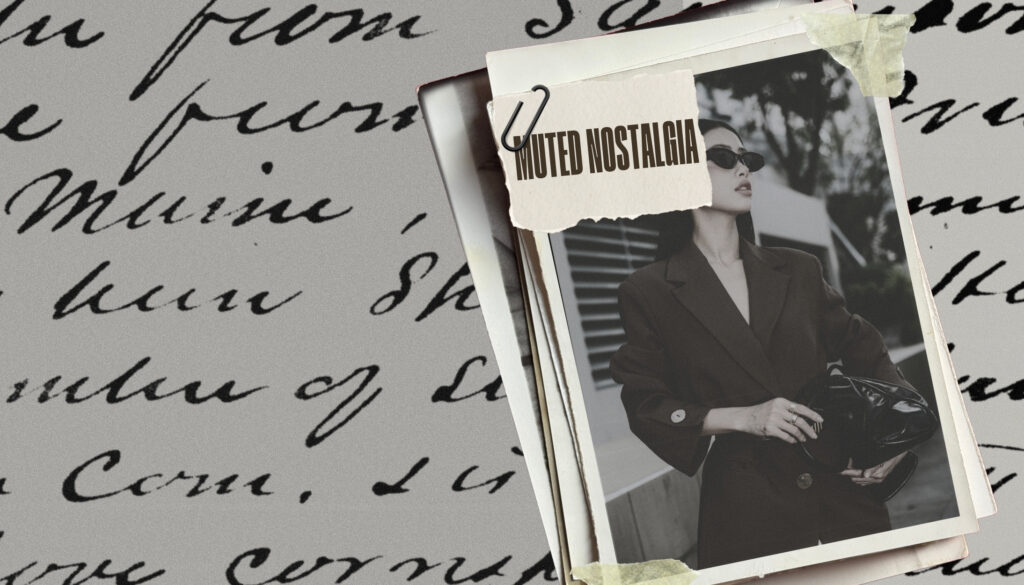
Many people try to recreate the Old Money aesthetic by buying a navy blazer, a pair of loafers, or a cable-knit sweater. While those pieces certainly belong to the style, they aren’t what define it.
The Old Money aesthetic is built on a set of principles rather than a shopping list. Once you understand these principles, it becomes much easier to build a wardrobe that feels authentic instead of looking like a costume.
Quality Over Quantity
The foundation of the Old Money aesthetic is owning fewer clothes that are made well.
Instead of filling a wardrobe with trend-driven purchases, the focus is on selecting pieces that fit properly, are made from durable fabrics, and can be worn repeatedly over many years. A well-made wool blazer, a quality cotton Oxford shirt, or a cashmere sweater often provides far more long-term value than several cheaper alternatives that quickly lose their shape or style.
This doesn’t mean every item has to be expensive. It means buying thoughtfully and choosing clothing that will continue to serve your wardrobe long after seasonal trends have disappeared.
Timeless Over Trendy
Fashion trends change every season, but timeless clothing rarely feels out of place.
The Old Money aesthetic avoids buying clothes simply because they’re popular at the moment. Instead, it favors designs that have remained stylish for decades. Classic tailoring, clean silhouettes, and versatile wardrobe staples are chosen because they continue to work year after year, making the wardrobe feel consistent rather than constantly changing.
When you invest in timeless pieces, getting dressed also becomes easier because your clothes naturally work together instead of reflecting different fashion eras.
Choosing “timeless over trendy” means prioritizing quality foundations and classic silhouettes over fast-paced, cyclical fads.
Understated Over Flashy
Perhaps the most recognizable characteristic of the Old Money aesthetic is its restraint.
Rather than relying on oversized logos, bold branding, or statement pieces to attract attention, the style communicates confidence through subtle details. Well-fitted clothing, quality fabrics, and thoughtful styling speak louder than obvious displays of luxury.
The goal isn’t to make people notice the label you’re wearing. It’s to create an overall impression of effortless elegance.
Tailoring Matters More Than Labels
A perfectly tailored jacket from a modest brand will almost always look more refined than an expensive designer piece that doesn’t fit properly.
The Old Money aesthetic places enormous importance on proportion and fit. Sleeves should end at the right place, trousers should break cleanly, shirts should skim the body without feeling tight, and outerwear should complement the overall silhouette.
This attention to fit is one of the reasons the style feels so polished without appearing overstyled.
Confidence Without Trying to Impress
Perhaps the most overlooked principle is attitude.
The Old Money aesthetic isn’t built around seeking attention or proving status. It reflects confidence that comes from knowing your wardrobe suits you, rather than hoping your clothing will impress others.
Instead of constantly chasing the newest trends or designer releases, the focus shifts toward dressing consistently, investing thoughtfully, and developing a wardrobe that feels personal and enduring.
These principles explain why the Old Money aesthetic has remained relevant for generations. The clothing may evolve slightly over time, but the philosophy behind it remains remarkably consistent: dress with intention, value quality over excess, and let timeless style speak for itself.
The Building Blocks of an Old Money Wardrobe
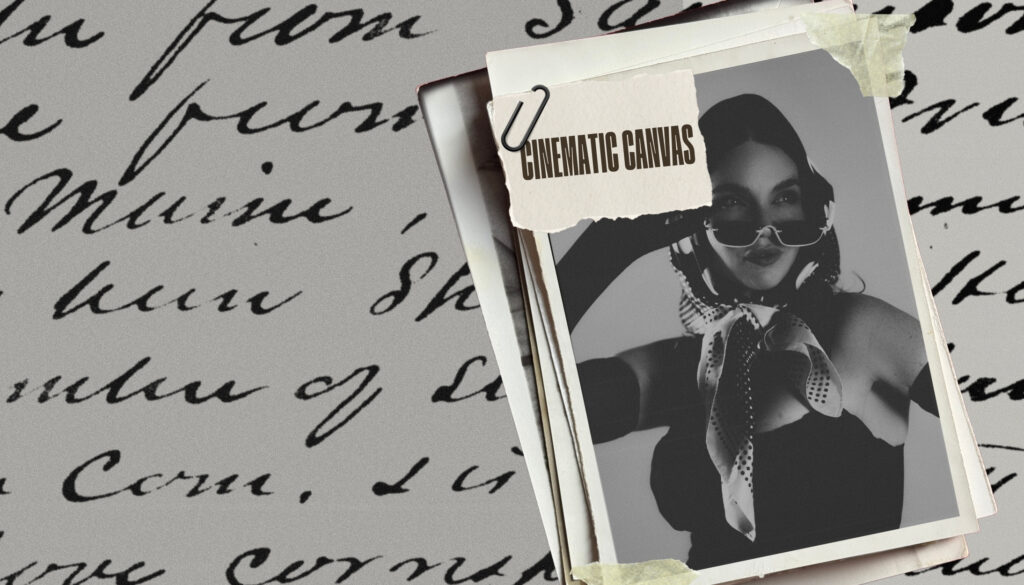
One of the biggest misconceptions about the Old Money aesthetic is that it’s defined by a specific shopping list.
Search online, and you’ll find endless articles telling you to buy a navy blazer, white Oxford shirt, loafers, cable-knit sweater, and beige trench coat. While these pieces are certainly associated with the aesthetic, simply owning them doesn’t automatically create an Old Money wardrobe.
What matters is how your wardrobe functions as a whole.
A successful Old Money wardrobe is built around categories of clothing that work together effortlessly. Every piece should complement the others, allowing you to create polished outfits without relying on trends or constant shopping.
What Are the Essential Categories in an Old Money Wardrobe?
Rather than thinking in terms of individual purchases, think about the role each category plays.
| Clothing Category | Why It Matters |
| Shirts & Tops | Form the foundation of everyday outfits and pair easily with tailored trousers, skirts, and knitwear. |
| Knitwear | Adds texture, warmth, and understated sophistication while layering effortlessly throughout the year. |
| Tailored Jackets & Blazers | Bring structure and instantly elevate even simple outfits. |
| Trousers & Bottoms | Create the polished silhouette that defines much of the aesthetic. |
| Dresses & Skirts | Offer timeless elegance while maintaining the clean lines associated with the style. |
| Outerwear | Classic coats and jackets complete outfits while remaining functional across seasons. |
| Footwear | Well-made shoes reinforce the refined character of the wardrobe without drawing unnecessary attention. |
| Accessories | Add subtle personality through thoughtful details rather than bold statements. |
The balance between these categories will naturally depend on your lifestyle.
Someone working in a corporate office may own several tailored trousers, structured blazers, and leather loafers. Someone with a more relaxed routine might rely more heavily on linen shirts, knitwear, and well-fitted chinos. Both wardrobes can reflect the Old Money aesthetic because they follow the same underlying principles rather than identical shopping lists.
Why Does Versatility Matter More Than Owning More Clothes?
Another defining characteristic is versatility.
Instead of owning clothing reserved for a single occasion, most pieces should work across multiple outfits. A crisp Oxford shirt might be worn with tailored trousers for work, chinos on the weekend, or layered beneath a cashmere sweater during colder months. A navy blazer should complement denim just as naturally as it does formal trousers.
This versatility is one reason Old Money wardrobes often appear effortless. Every addition is chosen because it strengthens the wardrobe as a complete system rather than existing as an isolated purchase.
Before adding a new piece, it’s worth asking a simple question:
Will this make more of my wardrobe usable, or will it only create one more outfit?
The answer often separates a timeless wardrobe from one that’s simply full of clothes.
The Old Money Color Palette
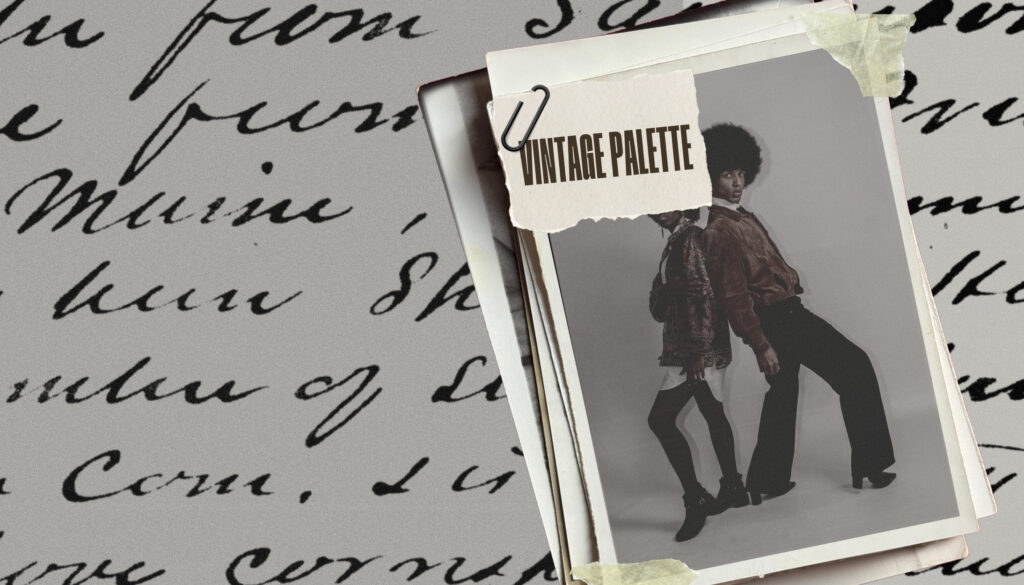
One of the easiest ways to recognize the Old Money aesthetic is through its color palette.
Unlike fashion trends that often rely on bright statement colors or seasonal shades, the Old Money wardrobe is built around timeless, versatile colors that work together effortlessly. The goal isn’t to make an outfit stand out from across the room—it’s to create a look that feels refined, balanced, and elegant.
This preference for understated colors also makes building a cohesive wardrobe much easier. When most pieces share a complementary palette, creating outfits requires far less effort because almost everything naturally works together.
Neutral Colors Form the Foundation
The Old Money aesthetic relies heavily on classic neutrals because they never go out of style and provide maximum versatility.
The most common foundation colors include:
- Navy
- White
- Cream
- Beige
- Camel
- Grey
- Black
- Brown
These shades appear throughout the wardrobe, from shirts and knitwear to trousers, coats, shoes, and accessories. Rather than competing for attention, they create a calm, polished appearance that feels appropriate across almost every occasion.
Earth Tones Add Depth
While neutral colors dominate, the wardrobe isn’t limited to black, white, and beige.
Subtle earth tones introduce variety without disrupting the overall elegance of the style. Colors such as olive, forest green, burgundy, dusty blue, and muted brown add richness while remaining easy to pair with classic wardrobe staples.
These deeper shades often appear in knitwear, outerwear, scarves, or seasonal pieces, helping the wardrobe feel interesting without becoming trend-driven.
Bright Colors Are Used Sparingly
One of the defining characteristics of the Old Money aesthetic is restraint.
Bright reds, neon shades, bold prints, and highly saturated colors rarely become the focus of an outfit. That doesn’t mean they’re forbidden—it simply means they’re used thoughtfully and in moderation.
A silk scarf, patterned tie, pocket square, or subtle striped shirt may introduce color, but the overall outfit still feels balanced rather than loud.
Why This Color Palette Works
A limited color palette isn’t about restricting creativity. It’s about making every piece in your wardrobe more versatile.
When your shirts complement your trousers, your knitwear layers naturally over your shirts, and your outerwear works with nearly every outfit, getting dressed becomes significantly easier.
Instead of wondering what matches, you begin choosing between combinations that already work.
This is one reason Old Money wardrobes often appear so effortless. The colors have been chosen with the entire wardrobe in mind rather than as individual purchases.
The best Old Money color palette isn’t the one with the fewest colors—it’s the one where every color supports the rest of your wardrobe.
Fabrics That Define the Old Money Aesthetic
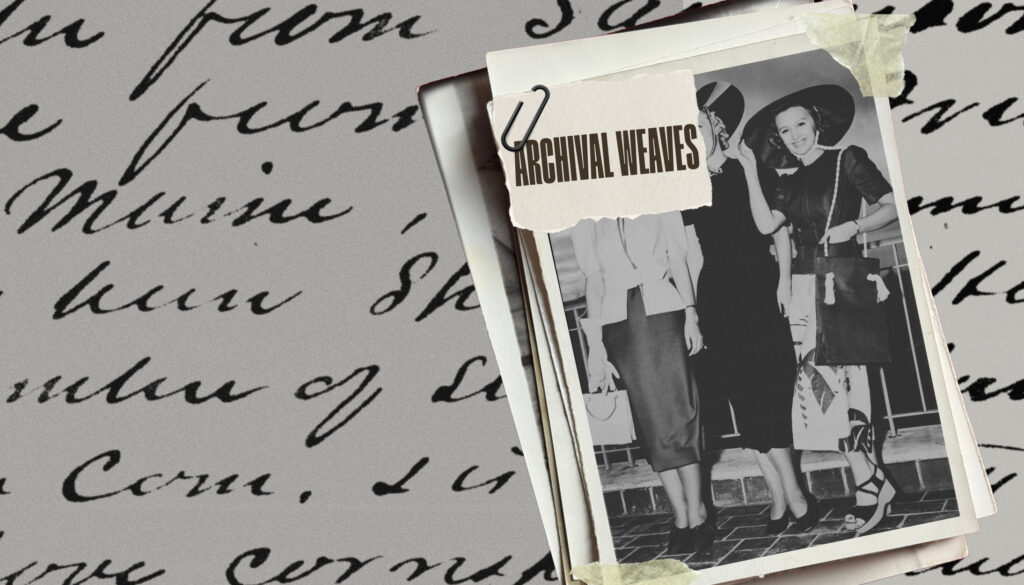
While color and tailoring play an important role, the Old Money aesthetic is often recognized by something even more subtle: the fabrics.
Two garments can have the same cut and color yet create completely different impressions depending on the material they’re made from. Quality fabrics drape better, age more gracefully, and often become more comfortable over time, which is why they’re such an important part of this style.
The emphasis isn’t on choosing the most expensive fabric available. It’s on selecting natural, well-made materials that feel timeless rather than trend-driven.
Cotton
Cotton is one of the foundations of an Old Money wardrobe.
Well-made cotton shirts, polo shirts, chinos, and T-shirts offer versatility while maintaining a clean, refined appearance. Oxford cotton shirts, in particular, have become one of the signature pieces of the aesthetic because they balance structure with everyday comfort.
Rather than chasing novelty, classic cotton staples provide the reliable foundation that many outfits are built upon.
Linen
Linen embodies the effortless side of the Old Money aesthetic.
Its lightweight texture, breathable nature, and relaxed appearance make it ideal for warmer weather. Linen shirts, trousers, dresses, and lightweight blazers create outfits that feel elegant without appearing overly formal.
Unlike fabrics that strive for perfection, linen embraces subtle creases as part of its natural character, giving outfits an understated sense of ease.
Wool
Wool has long been associated with traditional tailoring.
Whether used in blazers, coats, trousers, or knitwear, it provides structure while remaining practical across different seasons. Fine wool fabrics offer a polished appearance without feeling stiff, making them suitable for both professional settings and everyday wear.
Because wool retains its shape well, it also contributes to the clean silhouettes that define the Old Money aesthetic.
Cashmere
Few fabrics communicate quiet refinement as naturally as cashmere.
A well-made cashmere sweater doesn’t rely on logos or decorative details to make an impression. Instead, its softness, drape, and quality speak for themselves.
Rather than filling a wardrobe with numerous knitwear options, many people following the Old Money aesthetic prefer investing in a few timeless cashmere pieces that can be worn for years.
Tweed
Tweed introduces heritage and texture into the wardrobe.
Traditionally associated with British countryside dressing, universities, and classic tailoring, tweed jackets and coats remain enduring symbols of the aesthetic. Their textured finish adds visual interest while remaining understated, making them especially popular during autumn and winter.
When paired with simple basics, tweed brings character without overpowering an outfit.
Leather
Leather appears primarily through accessories rather than clothing.
Loafers, belts, handbags, briefcases, boots, and watch straps made from quality leather often become long-lasting wardrobe staples. As the material develops a natural patina with age, it gains character instead of looking worn out—a quality that aligns perfectly with the Old Money philosophy of longevity over replacement.
Why Natural Fabrics Matter
One pattern becomes clear when looking across the entire wardrobe.
Natural fibers dominate.
Cotton, linen, wool, cashmere, silk, and leather have remained popular for generations because they combine durability, comfort, and timeless appeal. While modern synthetic fabrics certainly have their place, the Old Money aesthetic generally favors materials that improve with age and retain their elegance over time.
In the Old Money aesthetic, quality isn’t communicated through logos. It’s communicated through the way a garment fits, feels, and continues to look good after years of wear.
Old Money Outfit Ideas for Different Occasions
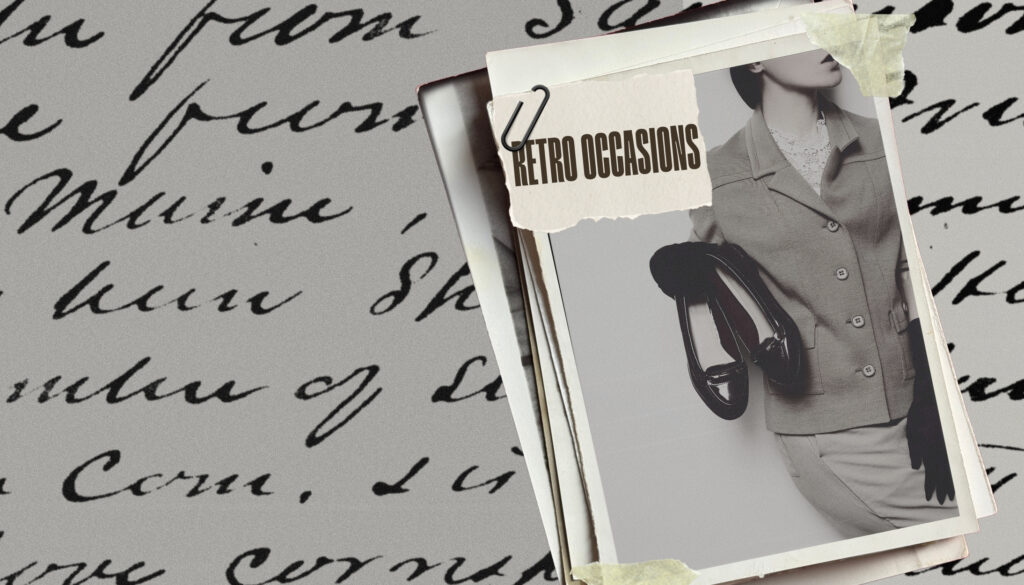
One of the biggest strengths of the Old Money aesthetic is its versatility.
Unlike trend-driven styles that rely on statement pieces or specific combinations, an Old Money wardrobe is designed to adapt to different situations with only a few thoughtful changes. The same blazer, pair of trousers, or knit sweater can appear in multiple outfits because every piece has been chosen to work with the rest of the wardrobe.
Instead of memorizing shopping lists, it helps to think in outfit formulas that can be adapted to your own lifestyle.
For Work
Professional outfits within the Old Money aesthetic focus on clean tailoring and understated elegance.
A well-fitted Oxford shirt or silk blouse paired with tailored trousers or a pencil skirt creates a polished foundation. Layering with a structured blazer adds refinement, while leather loafers, classic pumps, or understated dress shoes complete the look.
The emphasis is always on fit, quality, and simplicity rather than decorative details or visible branding.
For Weekends
Casual dressing doesn’t mean abandoning the principles of the aesthetic.
Relaxed weekends often call for linen shirts, polo shirts, fine-knit sweaters, chinos, straight-leg denim, or tailored shorts during warmer months. White sneakers, loafers, or boat shoes keep the outfit comfortable while maintaining the timeless character of the style.
The overall impression remains neat and intentional, even when the clothing is more relaxed.
For Summer
Warm-weather dressing is built around breathable fabrics and lighter colors.
Linen shirts, cotton polos, lightweight trousers, midi dresses, and tailored shorts become wardrobe staples. Shades like white, cream, beige, light blue, and soft olive reflect the season while maintaining the classic Old Money palette.
Accessories remain minimal, allowing the quality of the fabrics and the simplicity of the outfit to take center stage.
For Autumn and Winter
Cooler seasons highlight one of the aesthetic’s greatest strengths: layering.
Cashmere sweaters, wool blazers, tailored coats, trench coats, scarves, and structured knitwear create depth without making outfits feel bulky. Richer colors such as navy, charcoal, camel, forest green, and burgundy naturally complement heavier fabrics while preserving the understated elegance that defines the style.
Because every layer works together, winter outfits often appear just as refined as summer ones.
For Travel
The Old Money approach to travel favors practicality over excess.
Instead of packing a different outfit for every day, focus on versatile pieces that can be mixed and matched throughout the trip. Neutral shirts, comfortable knitwear, tailored trousers, loafers, and a lightweight jacket can create numerous outfit combinations while keeping luggage manageable.
This philosophy mirrors the broader principle of the aesthetic: own clothes that work harder rather than simply owning more clothes.
For Formal Occasions
When dressing for weddings, dinners, or evening events, the Old Money aesthetic remains understated.
Well-tailored suits, elegant dresses, polished leather shoes, and carefully chosen accessories create a sophisticated appearance without feeling overly extravagant. Rather than following the latest formalwear trends, the focus stays on timeless silhouettes that continue to look appropriate year after year.
Across every occasion, one principle remains consistent.
The best Old Money outfits don’t look carefully assembled. They look naturally appropriate because every piece belongs together.
Old Money Style for Women
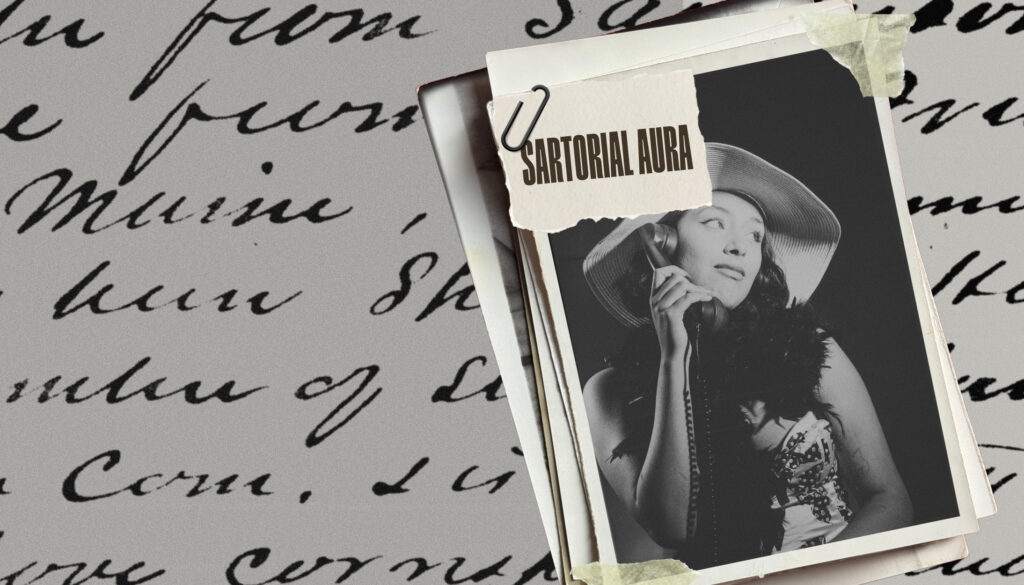
The Old Money aesthetic has become especially popular in women’s fashion because it offers something many fast-moving trends don’t: longevity.
Rather than building outfits around seasonal pieces, the style emphasizes timeless silhouettes, quality fabrics, and understated elegance. The result is a wardrobe that feels polished without looking overly formal and feminine without relying on fleeting trends.
Most importantly, the aesthetic isn’t about dressing like someone else. It’s about creating a wardrobe that feels refined while supporting your own lifestyle.
Choose Timeless Silhouettes
Silhouette plays a much bigger role than individual garments.
Old Money style favors clean, balanced proportions that remain fashionable year after year. Instead of exaggerated shapes or trend-driven cuts, the focus is on clothing that flatters naturally and moves comfortably.
Popular choices include:
- Tailored trousers
- Straight-leg jeans
- Midi skirts
- Pleated skirts
- Shirt dresses
- Wrap dresses
- Structured blazers
- Well-fitted knitwear
These pieces create elegant outfits without appearing overly styled, making them suitable for everything from work to weekend outings.
Build Around Versatile Wardrobe Staples
A successful wardrobe isn’t built from statement pieces—it’s built from reliable essentials.
Classic shirts, lightweight sweaters, tailored trousers, neutral dresses, quality outerwear, and timeless footwear provide the foundation for countless outfit combinations. Because these pieces work together naturally, getting dressed becomes easier while the wardrobe feels more cohesive.
The emphasis is always on versatility rather than variety.
Let Accessories Stay Subtle
Accessories should enhance an outfit, not dominate it.
Simple pearl earrings, delicate gold jewelry, structured leather handbags, silk scarves, classic sunglasses, and elegant watches all complement the Old Money aesthetic because they add refinement without competing for attention.
Rather than wearing several statement accessories at once, the style favors choosing one or two thoughtful details that complete the outfit.
Prioritize Fit Over Fashion
One of the biggest differences between timeless style and trend-driven fashion is the importance of fit.
A simple white shirt that fits beautifully often looks more elegant than an expensive designer blouse that doesn’t. The same applies to dresses, blazers, trousers, and coats.
Many women following the Old Money aesthetic invest in minor alterations because small adjustments can dramatically improve how clothing looks and feels.
Dress for Your Lifestyle
Perhaps the most important principle is remembering that elegance should feel natural.
Someone working in a corporate environment will naturally build a different wardrobe than someone working remotely or caring for young children. The clothing should reflect your daily routine rather than an imagined lifestyle.
An Old Money wardrobe isn’t measured by how closely it resembles someone else’s. It’s measured by how effortlessly it supports your own life while maintaining timeless elegance.
The most successful Old Money wardrobe for women isn’t the most expensive one—it’s the one that combines quality, versatility, and understated confidence in a way that feels authentically your own.
Old Money Style for Men
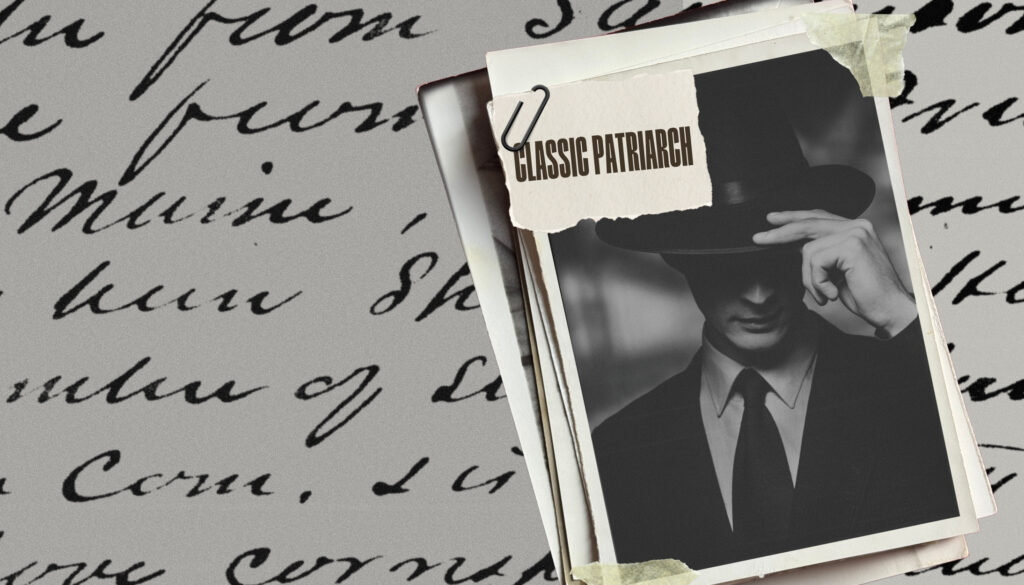
Although the Old Money aesthetic is often associated with country clubs, Ivy League campuses, and classic menswear, its appeal goes far beyond those traditional settings. At its heart, it’s simply a timeless approach to dressing—one that values fit, quality, and versatility over fashion trends.
Rather than constantly updating a wardrobe to keep up with what’s popular, Old Money style encourages building a collection of well-made essentials that work together across different occasions.
Invest in Classic Tailoring
Tailoring forms the backbone of the Old Money wardrobe.
A navy blazer, well-cut sports coat, or properly fitted suit jacket instantly creates a more refined appearance without feeling overly formal. The emphasis isn’t on rigid business attire but on clothing that fits naturally and complements the body’s proportions.
Even casual outfits benefit from this approach. Well-fitted chinos or tailored trousers often create a stronger impression than trend-led alternatives because they maintain clean, balanced lines.
Build Around Timeless Basics
The most versatile men’s wardrobes rely on simple, dependable pieces rather than statement clothing.
Oxford shirts, polo shirts, quality T-shirts, knitwear, chinos, dark denim, and lightweight jackets form a foundation that works throughout the year. Because these garments share similar colors and proportions, they can be mixed and matched with minimal effort.
The result is a wardrobe that feels consistent instead of cluttered.
Choose Footwear That Lasts
Shoes play a significant role in the overall impression of an outfit.
Classic leather loafers, brogues, Chelsea boots, boat shoes, and clean white sneakers all fit naturally within the Old Money aesthetic because they prioritize timeless design over short-lived trends.
Rather than owning numerous pairs for different looks, many men benefit more from investing in a few versatile styles that complement most of their wardrobe.
Keep Accessories Refined
Accessories should support the outfit rather than dominate it.
A leather belt, quality watch, understated sunglasses, or simple leather briefcase often adds enough detail without becoming distracting. Loud logos, oversized branding, or highly decorative accessories rarely align with the understated nature of the aesthetic.
As with the rest of the wardrobe, subtlety is often more effective than excess.
Dress Consistently, Not Formally
One of the biggest misconceptions is that Old Money style requires wearing a blazer every day.
In reality, the aesthetic adapts to modern life. A well-fitted polo shirt with chinos can feel just as authentic as a tailored jacket when the clothing is thoughtfully chosen and styled with care.
The goal isn’t to dress formally at every opportunity. It’s to dress intentionally, selecting clothes that remain appropriate, versatile, and timeless regardless of the occasion.
Old Money style for men isn’t defined by expensive clothing or rigid dress codes. It’s defined by a wardrobe of classic pieces that fit well, work together effortlessly, and never rely on trends to look refined.
Accessories That Complete the Old Money Look
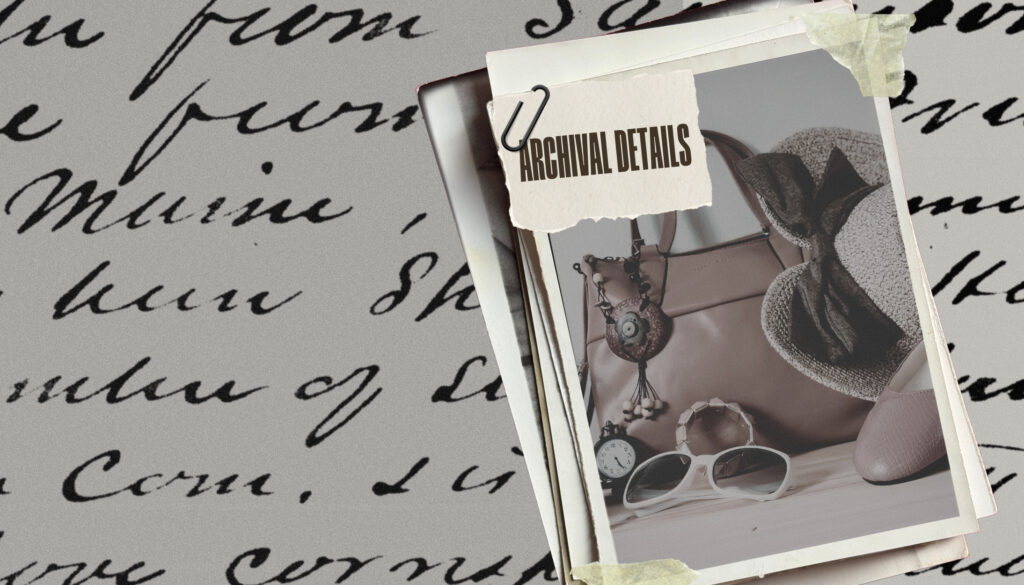
Clothing may form the foundation of the Old Money aesthetic, but accessories are what bring the entire outfit together.
The difference is that accessories are never intended to become the focal point. Unlike trend-driven fashion, where handbags, oversized jewelry, or branded accessories often dominate an outfit, the Old Money aesthetic uses accessories with restraint. Their role is to complement the clothing, reinforce the overall elegance, and add refinement without drawing unnecessary attention.
When chosen thoughtfully, a few timeless accessories can elevate even the simplest outfit.
Leather Belts

A quality leather belt is one of the hardest-working accessories in an Old Money wardrobe.
Whether paired with tailored trousers, chinos, jeans, or a skirt, it creates a finished appearance while maintaining clean proportions. Classic black and dark brown remain the most versatile choices because they pair effortlessly with leather shoes and bags.
Large designer buckles or heavily branded hardware are generally avoided in favor of simple, understated designs.
Classic Watches

A watch reflects one of the core ideas behind the Old Money aesthetic: timeless craftsmanship.
Rather than following seasonal trends or oversized statement styles, the focus is on clean, elegant designs with leather straps or understated metal bracelets. A well-made watch complements both casual and formal outfits without becoming the center of attention.
Its value lies in its longevity rather than its ability to impress.
Structured Leather Bags
Whether it’s a structured handbag, leather tote, satchel, or briefcase, bags within the Old Money aesthetic are chosen for quality, functionality, and timeless design.
Neutral shades such as black, tan, brown, navy, and cream remain popular because they integrate naturally with the rest of the wardrobe.
Instead of changing bags every season, many people prefer investing in one or two classic designs that remain relevant for years.
Minimal Jewelry
Jewelry follows the same philosophy as the rest of the wardrobe: less is often more.
Simple gold or silver pieces, pearl earrings, delicate necklaces, understated bracelets, and classic signet rings add refinement without overwhelming an outfit.
Rather than layering numerous statement pieces together, the emphasis is on wearing a few carefully chosen accessories that feel effortless.
Silk Scarves and Pocket Squares
Small details often make the biggest difference.
A silk scarf can introduce subtle color and texture to a neutral outfit, while a neatly folded pocket square adds character to tailored jackets without appearing overly formal.
These accessories demonstrate how the Old Money aesthetic creates interest through thoughtful styling instead of bold statements.
Sunglasses
Even sunglasses reflect the aesthetic’s preference for timeless design.
Classic frames such as aviators, wayfarers, round styles, or understated tortoiseshell designs complement the wardrobe without chasing short-lived eyewear trends.
The goal is to choose shapes that remain stylish season after season rather than following whatever happens to be fashionable.
Ultimately, accessories within the Old Money aesthetic share one defining characteristic: they support the outfit instead of competing with it.
The most elegant accessories are often the ones people notice last—not because they’re insignificant, but because they feel like a natural extension of the outfit rather than the reason for it.
Grooming Matters Just as Much as Clothing
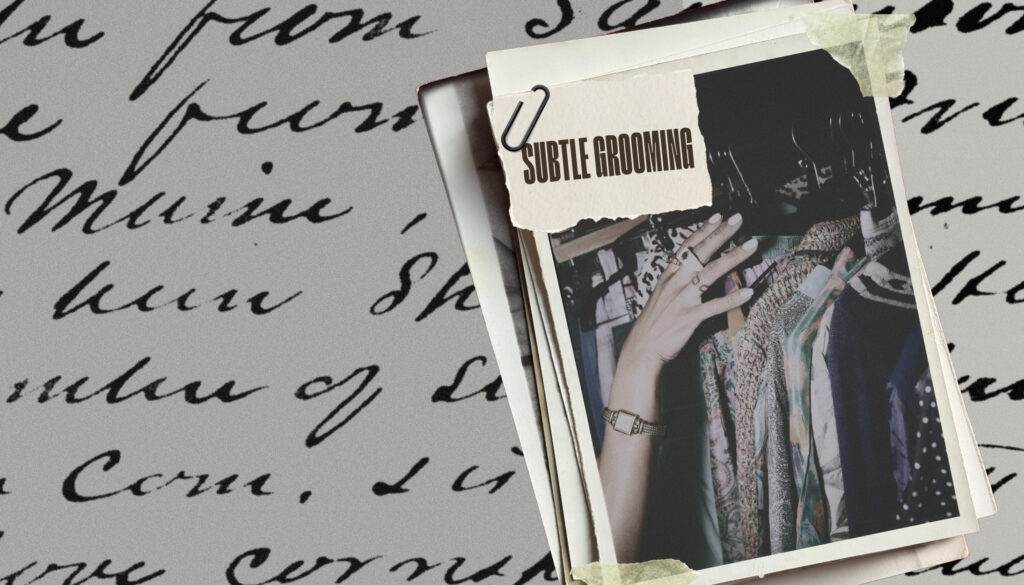
One reason the Old Money aesthetic appears so effortless is that it extends beyond the wardrobe.
You can own beautifully tailored clothing, timeless shoes, and quality accessories, but the overall impression will feel incomplete if the finer details are overlooked. Grooming, presentation, and garment care all contribute to the polished appearance that defines the style.
Rather than chasing perfection, the focus is on looking consistently well put together.
Wear Well-Maintained Clothing
Even the highest-quality garments lose their elegance if they aren’t properly cared for.
Shirts should be clean and neatly pressed. Knitwear should be free from pilling. Jackets should maintain their structure, and trousers should fit well without appearing worn or neglected.
Taking care of your clothing not only improves its appearance but also extends its lifespan—something that aligns perfectly with the Old Money philosophy of buying less and wearing pieces for longer.
Pay Attention to Your Shoes
Footwear often reveals how much attention has been given to the overall outfit.
Leather shoes should be polished and properly maintained, while sneakers should remain clean and in good condition. Scuffed shoes or worn-out soles can undermine an otherwise elegant outfit.
The goal isn’t to own dozens of pairs but to keep the ones you wear looking their best.
Keep Hair Simple and Well Groomed
The Old Money aesthetic favors hairstyles that look natural, neat, and timeless.
Rather than dramatic cuts or trend-driven styling, the emphasis is on healthy, well-maintained hair that complements the overall look. Whether your style is short, long, straight, or textured, consistency and care matter more than following the latest hairstyle trends.
The same principle applies to facial hair. If you wear a beard or mustache, keeping it neatly trimmed contributes to the clean, refined appearance associated with the aesthetic.
Let Fit and Posture Do the Work
Elegant clothing looks even better when it’s worn with confidence.
Standing well, moving comfortably, and wearing clothes that fit properly create a stronger impression than expensive garments alone. The Old Money aesthetic never feels forced because the person wearing it appears comfortable in their own style.
Confidence comes from knowing your wardrobe suits you—not from trying to impress everyone else.
Elegance Is Found in the Details
Small habits often have the biggest impact.
Clean nails, subtle fragrance, wrinkle-free clothing, polished shoes, and thoughtful grooming may seem insignificant individually, but together they create the understated refinement that defines the Old Money aesthetic.
These details rarely attract attention on their own. Instead, they make the entire outfit feel complete.
The Old Money aesthetic isn’t achieved through clothing alone. It’s the combination of timeless style, careful grooming, and attention to detail that creates its signature sense of effortless elegance.
Common Old Money Style Mistakes
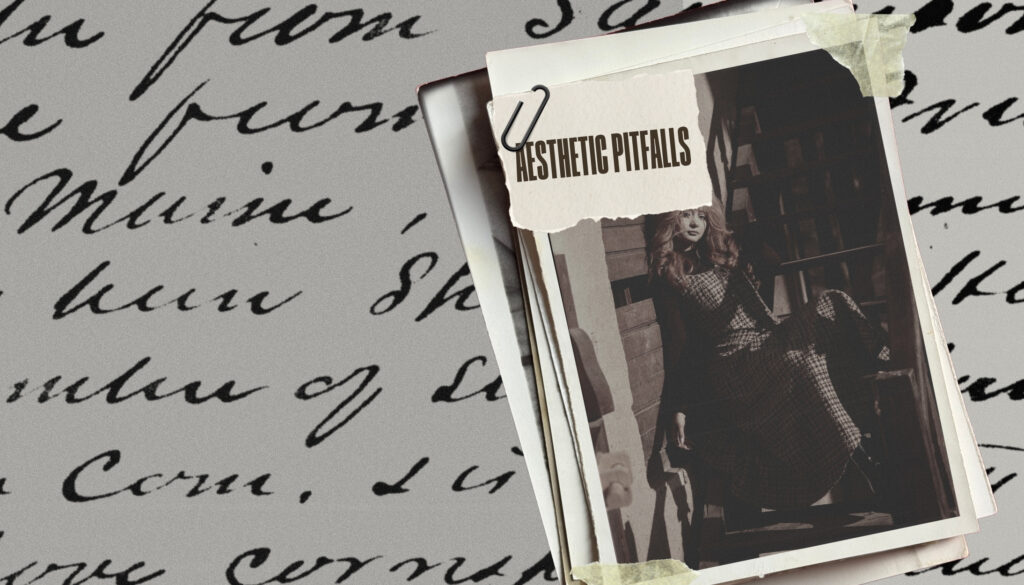
The Old Money aesthetic may appear simple, but that’s exactly why it’s often misunderstood.
Many people focus on recreating the appearance of the style while overlooking the principles behind it. The result is a wardrobe that feels more like a costume than a timeless expression of personal style.
Here are some of the most common mistakes—and how to avoid them.
Mistaking Expensive for Elegant
Perhaps the biggest misconception is believing that expensive clothing automatically creates an Old Money look.
In reality, elegance comes from thoughtful styling, quality materials, and proper fit rather than a high price tag. A well-made blazer that fits perfectly will almost always look more refined than an expensive designer piece chosen solely for its label.
The aesthetic values craftsmanship, not conspicuous spending.
Wearing Too Many Logos
Large designer logos and obvious branding are generally the opposite of what the Old Money aesthetic represents.
Historically, people associated with this style had little need to advertise status through clothing. Their wardrobes communicated quality through tailoring, fabrics, and understated design rather than recognizable logos.
If a brand name becomes the first thing people notice, it usually distracts from the timeless elegance the style is trying to achieve.
Following Every Fashion Trend
The Old Money aesthetic isn’t built around what’s popular this season.
Constantly replacing your wardrobe to keep up with trends often creates inconsistency, making it difficult to build a collection of clothes that work together over time.
Instead, focus on adding timeless pieces that you’ll still enjoy wearing years from now.
Ignoring Fit
Even beautifully made clothing loses much of its appeal if it doesn’t fit properly.
Sleeves that are too long, trousers that bunch at the ankle, oversized jackets, or garments that are too tight all reduce the polished appearance associated with the aesthetic.
When possible, simple alterations can dramatically improve how clothing looks and feels.
Buying Individual Pieces Instead of Building a Wardrobe
Many people purchase classic items one by one without considering how they’ll work together.
A navy blazer, loafers, or a linen shirt may each suit the Old Money aesthetic, but if they don’t coordinate with the rest of your wardrobe, getting dressed won’t become any easier.
Think in complete outfits rather than individual purchases. Every new addition should increase the number of outfit combinations you can create.
Over-Accessorizing
Accessories should support the outfit—not compete with it.
Wearing multiple statement pieces, oversized jewelry, or heavily branded handbags often shifts the focus away from the understated elegance that defines the aesthetic.
Choosing one or two timeless accessories usually creates a much more refined impression.
Treating the Aesthetic Like a Costume
Perhaps the most important mistake is trying too hard.
The Old Money aesthetic isn’t about recreating someone else’s lifestyle or dressing as though you’re attending a country club every day. It’s about adapting timeless principles to your own life.
Your wardrobe should reflect where you actually spend your time, the occasions you dress for, and the clothes you’ll genuinely wear—not an imagined version of yourself.
The most convincing Old Money wardrobes don’t try to imitate wealth or tradition. They simply apply timeless principles of quality, fit, and restraint to everyday dressing.
Old Money vs Quiet Luxury: What’s the Difference?
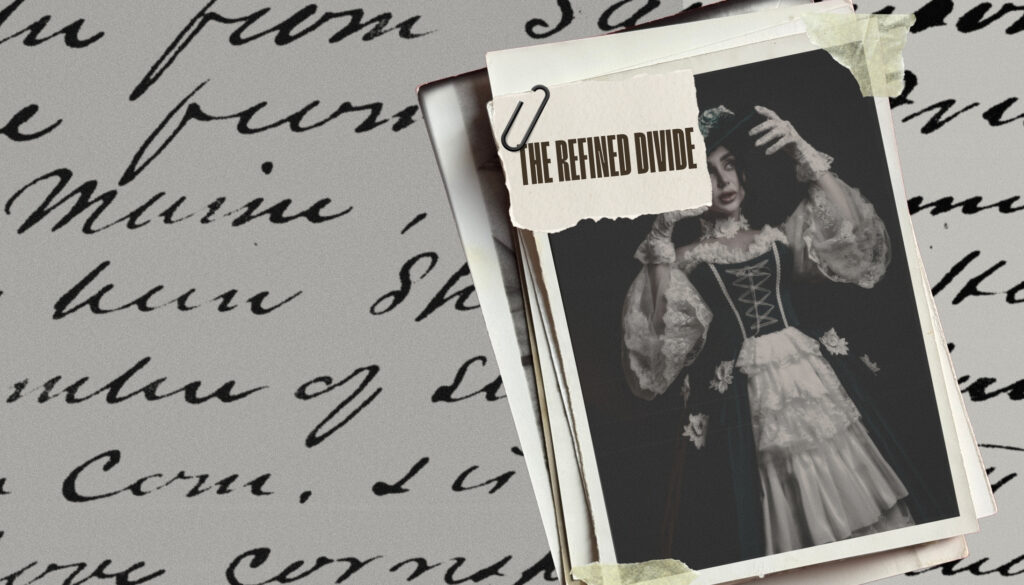
Old Money and Quiet Luxury are often treated as interchangeable terms, and it’s easy to understand why. Both styles favor timeless clothing, neutral color palettes, exceptional craftsmanship, and understated elegance over flashy logos or fast-changing trends.
However, despite their similarities, they come from different philosophies.
The simplest way to think about them is this:
Old Money is inspired by tradition. Quiet Luxury is inspired by refinement.
Quick Comparison
Both value quality, but they express it in different ways.
| Old Money | Quiet Luxury |
| Inspired by heritage, tradition, and classic lifestyles | Inspired by modern luxury and exceptional craftsmanship |
| Draws influence from Ivy League, equestrian, and country club style | Draws influence from contemporary minimalism and premium design |
| Classic tailoring and traditional silhouettes | Cleaner, more modern silhouettes |
| Often includes heritage fabrics like tweed, wool, and cable-knit sweaters | Often favors smooth fabrics, clean lines, and minimalist construction |
| Feels established, timeless, and slightly preppy | Feels contemporary, refined, and understated |
Old Money Is Rooted in Heritage
The Old Money aesthetic reflects a way of dressing that has evolved over generations.
Many of its signature pieces—Oxford shirts, loafers, tailored blazers, pleated trousers, trench coats, and cable-knit sweaters—have deep connections to traditional menswear, collegiate fashion, and country club dressing.
The emphasis isn’t simply on wearing expensive clothing. It’s on respecting timeless conventions, dressing appropriately for the occasion, and building a wardrobe that could remain relevant for decades.
There’s often a sense of heritage behind the clothing, even when it’s worn in a modern way.
Quiet Luxury Is More Contemporary
Quiet Luxury shares many of the same values but expresses them differently.
Instead of drawing inspiration from traditional lifestyles, it focuses on exceptional materials, minimalist design, and subtle sophistication. The wardrobe often feels cleaner and more modern, with fewer heritage references and simpler silhouettes.
While the clothing may be just as timeless, the overall impression is less preppy and more contemporary.
Rather than communicating tradition, Quiet Luxury communicates restraint.
Which Style Is Right for You?
The good news is that you don’t have to choose one or the other.
Many wardrobes naturally combine elements of both aesthetics. You might enjoy the classic tailoring and heritage influences of Old Money while appreciating the clean lines and understated simplicity associated with Quiet Luxury.
The goal isn’t to fit perfectly into a single category. It’s to borrow the elements that suit your personality, lifestyle, and the way you genuinely enjoy dressing.
If Old Money feels inherited, Quiet Luxury feels intentionally curated. Both celebrate timeless style—but they tell slightly different stories through the clothes they choose.
Can Anyone Dress in the Old Money Aesthetic?
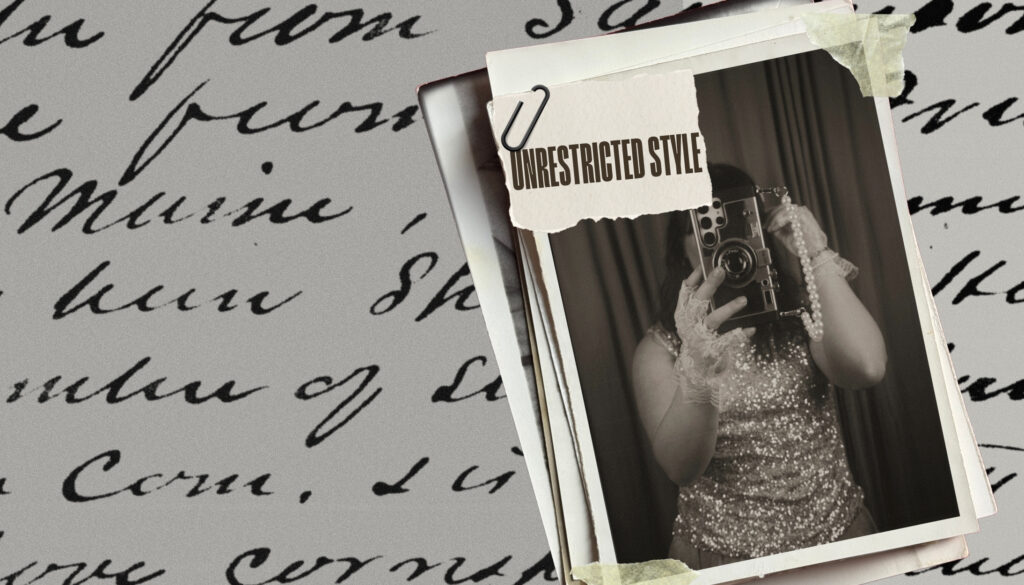
One of the biggest misconceptions surrounding the Old Money aesthetic is that it’s reserved for people with inherited wealth or an unlimited clothing budget.
In reality, the philosophy behind the style has very little to do with how much money you have.
It’s about how intentionally you build and wear your wardrobe.
Someone with a small collection of well-fitting, versatile clothing often captures the essence of the aesthetic far more successfully than someone with an overflowing closet of designer labels and trend-driven purchases.
You Don’t Need Expensive Brands
Many people assume dressing in the Old Money aesthetic means buying luxury fashion.
While high-quality craftsmanship is certainly valued, quality doesn’t always require luxury pricing.
A well-made Oxford shirt, tailored pair of trousers, or classic wool coat from a reputable brand can often achieve the same timeless look as a far more expensive designer alternative.
The focus should always be on fit, fabric, and versatility—not on the logo inside the garment.
Build Your Wardrobe Gradually
One reason the Old Money aesthetic feels authentic is that it isn’t created overnight.
Traditional wardrobes evolved over years, with carefully chosen pieces added gradually as they became needed. Adopting the same mindset today leads to better purchasing decisions and a wardrobe that feels more cohesive over time.
Instead of replacing everything at once, focus on strengthening your wardrobe one thoughtful purchase at a time.
Buy Less, Wear More
The Old Money aesthetic naturally encourages a more sustainable approach to fashion.
Rather than constantly buying new clothes, invest in pieces you’ll wear repeatedly. A blazer that works for the office, dinners, and weekend outings offers far more value than several trend-driven jackets worn only once or twice.
This philosophy often results in a wardrobe that is smaller, more versatile, and easier to maintain.
Adapt the Style to Your Own Life
Perhaps the most important lesson is that the Old Money aesthetic should support your lifestyle—not replace it.
If you work in a creative office, your version of the style may include relaxed tailoring and premium basics. If your daily wardrobe is mostly casual, linen shirts, chinos, knitwear, and clean sneakers may feel more practical than formal jackets.
The principles remain the same even if the clothing looks slightly different.
Timeless style has never been about copying someone else’s wardrobe. It’s about dressing appropriately, confidently, and consistently in clothes that genuinely suit you.
Final Thoughts
The Old Money aesthetic has remained relevant for generations because it isn’t built on trends.
Instead, it’s built on principles that rarely go out of style: quality over quantity, timeless design over seasonal fashion, thoughtful tailoring over flashy branding, and confidence over excess.
Whether you’re building your first capsule wardrobe or refining a collection you’ve owned for years, these ideas can help you make better purchasing decisions and create outfits that feel effortless rather than forced.
Ultimately, the goal isn’t to look wealthy or imitate a particular lifestyle.
It’s to build a wardrobe that reflects your personality, supports the way you live, and continues to serve you long after passing trends have faded.
The true Old Money aesthetic isn’t measured by the price of your clothes. It’s measured by the timelessness of your choices, the versatility of your wardrobe, and the quiet confidence with which you wear it.
Frequently Asked Questions
What is the Old Money aesthetic?
The Old Money aesthetic is a timeless fashion style inspired by classic tailoring, understated elegance, and high-quality wardrobe staples rather than obvious luxury or fast-changing trends. It focuses on versatile clothing, neutral colors, quality fabrics, and refined styling that remains fashionable for years.
Is the Old Money aesthetic expensive?
Not necessarily.
While the style values quality, it doesn’t require designer labels or luxury brands. Building an Old Money wardrobe is often about buying fewer, better-made pieces that fit well and last longer instead of constantly replacing trend-driven clothing.
What colors are associated with the Old Money aesthetic?
The Old Money color palette is built around timeless, versatile shades that pair easily together.
Common colors include:
- Navy
- White
- Cream
- Beige
- Camel
- Grey
- Brown
- Olive
- Burgundy
These muted tones help create polished outfits that never feel overly bold or trend-driven.
What clothes define the Old Money aesthetic?
Rather than relying on specific brands, the aesthetic is defined by classic wardrobe staples such as:
- Oxford shirts
- Polo shirts
- Tailored trousers
- Straight-leg jeans
- Blazers
- Cashmere sweaters
- Cable-knit knitwear
- Trench coats
- Loafers
- Leather accessories
The emphasis is on timeless design and quality rather than owning a particular item.
Is Old Money the same as Quiet Luxury?
No.
Although both styles value quality and understated elegance, they’re inspired by different ideas.
The Old Money aesthetic draws influence from heritage fashion, Ivy League style, and classic tailoring, while Quiet Luxury focuses on modern minimalism, exceptional craftsmanship, and subtle sophistication.
Can you dress Old Money on a budget?
Yes.
The principles of the aesthetic are far more important than the price of your clothes. Choosing timeless designs, focusing on fit, buying versatile pieces, and caring for your wardrobe can create the same refined appearance without requiring luxury purchases.
Is the Old Money aesthetic still in style?
Yes. Unlike trend-driven fashion, the Old Money aesthetic is built around classic clothing that has remained relevant for decades.
Because it emphasizes timeless tailoring, quality fabrics, and versatile wardrobe staples, it continues to appeal to people looking for a more enduring approach to personal style.
How do I start building an Old Money wardrobe?
Start by focusing on timeless essentials rather than replacing your entire wardrobe.
Choose versatile basics, build around a neutral color palette, prioritize quality over quantity, and invest in clothing that fits well. Over time, these thoughtful additions will create a wardrobe that reflects the principles of the Old Money aesthetic without feeling forced.
Tags:

Aakash Jethwani
Founder & CEO at NineE AI
Aakash Jethwani is the Founder & CEO of NineE AI, a Fashion Exploration Engine built to help peo...
Read More
Get Latest Fashion Insights, Before Everyone Else.