Updated on Oct 4, 2026
Zara: The Brand That Redefined Fashion Retail
Brand StoriesSmit Rangras13 Mins reading time
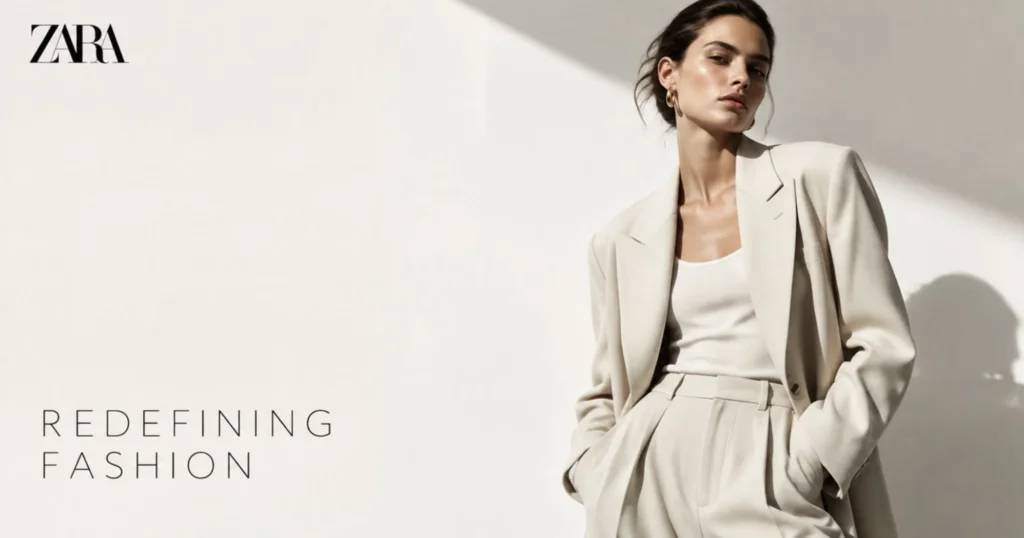
Zara opened its first store in a mid-sized Spanish city most fashion executives had never even heard of, and honestly, it took decades before the rest of the industry caught up with what was happening there. What started as a modest shop on a street in A Coruña eventually rewrote the rules for how fashion gets designed, made, and sold. Here’s the full story behind it.
TL;DR – How Zara Changed Fashion Retail
- Amancio Ortega and Rosalía Mera opened Zara’s first store in A Coruña, Spain.
- Zara expanded beyond Spain, opening its first international store in Portugal.
- Zara turned fashion ideas into store-ready clothing within weeks.
- The brand adjusted collections based on what shoppers actually bought.
- Zara’s fast fashion model influenced how fashion retailers responded to trends.
The Origins of Zara in Spain
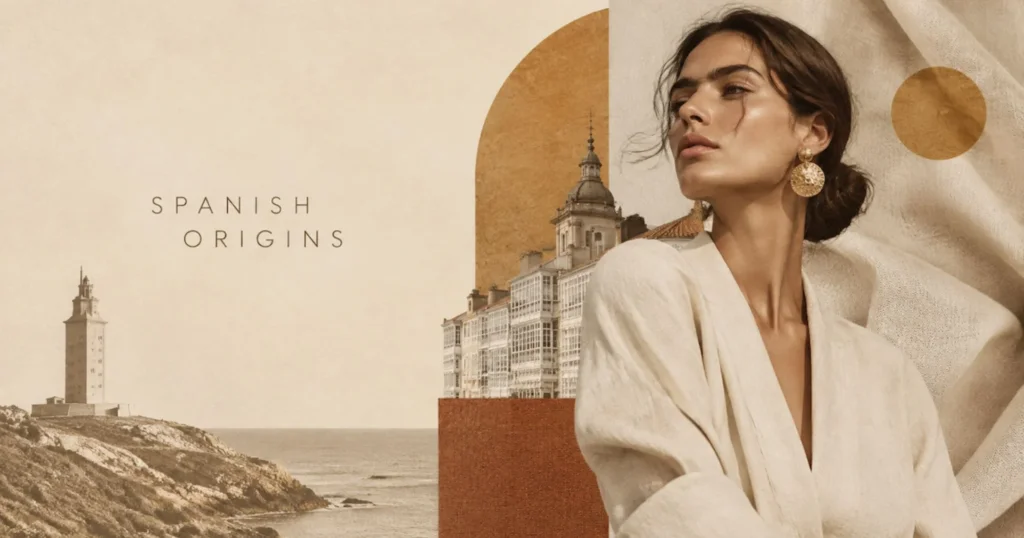
Every retail empire needs an origin story. This one starts with a delivery boy who never finished school.
How Amancio Ortega and Rosalía Mera Started Zara
Amancio Ortega was born in 1936 in León, Spain, the son of a railway worker, and he left school at thirteen to work as a delivery boy for a shirtmaker in A Coruña. He and his first wife, Rosalía Mera, began making garments at home, robes and loungewear mostly, selling them door to door before eventually building a small textile production business called Confecciones GOA back in 1963. Neither of them had any formal fashion training, honestly. What they did have was years of hands-on experience in how clothes actually got made and moved at street level, which turned out to matter more than any design degree would have.
Why the First Store in A Coruña Became the Foundation of Zara
On May 9, 1975, the couple opened Zara’s first branded store on Juan Flórez street in A Coruña. The name itself came from a small accident. They’d wanted to call it Zorba, after the film Zorba the Greek, but a bar nearby already used that exact name. So they rearranged the letters they already had on hand and landed on Zara instead. The store sold affordable versions of popular, high-end fashion styles, and it worked well enough that new locations followed within just a few years, spreading across Spain’s biggest cities one by one.
How Zara Built Its Fast Fashion Business Model
A single successful store doesn’t automatically turn into an industry-defining company. The real shift came from how this one chose to operate day to day.
Producing New Styles Faster Than Traditional Fashion Retailers
Traditional fashion retailers typically worked on long lead times, sometimes six months or more between a design sketch and a finished garment actually hitting a shelf. Ortega built something radically different instead, a design-to-shelf cycle that could run in as little as two weeks flat. By 2017, the company was managing roughly 20 clothing collections a year, way beyond the two or four seasonal drops most competitors were still relying on at the time.
How Short Production Cycles Changed Fashion Shopping
That kind of speed meant new styles could show up in stores almost as fast as trends actually emerged, rather than months after the moment had already passed everyone by. Customers noticed pretty quickly too. Shopping stopped feeling like a seasonal event and started feeling like something worth checking on every week or two instead.
How Zara Used Customer Demand to Shape Its Collections
Most fashion brands guess what customers will want months in advance. This one built a whole system to find out in near real time instead.
Listening to Customers Through Stores and Sales Data
Store managers fed information back to headquarters constantly, what sold out fast, what customers kept asking for, what just sat there untouched. That feedback loop lets designers adjust upcoming production runs based on actual real behavior rather than forecasts made half a year earlier with no real data behind them.
The Test-and-Repeat Approach to Fashion Trends
Instead of betting everything on a handful of big seasonal lines, the company ran smaller batches almost like informal tests, and styles that performed well in stores got rapidly restocked or expanded further. Styles that flopped just quietly disappeared, no large unsold inventory sitting around weighing the business down afterward.
How Zara Built a Fast and Flexible Supply Chain
None of that speed actually works without a supply chain capable of keeping up with it.
Why Local and Nearby Production Supported Zara’s Speed
Unlike competitors who outsourced almost all their manufacturing to distant, low-cost regions, this company kept a significant share of production in Spain and Portugal, close enough to headquarters that design changes could reach the factory floor within days, not weeks. The company set up its own factory in A Coruña back in 1980, reinforcing that proximity advantage pretty early on.
How Design, Manufacturing, and Distribution Worked Together
Design teams, manufacturers, and logistics all operated under tight coordination here rather than as separate, disconnected departments working in isolation. That integration, pretty uncommon in an industry used to long, siloed production chains, is a big part of why the whole cycle could move so much faster than anyone else’s at the time.
How Zara Expanded From Spain Into Global Fashion
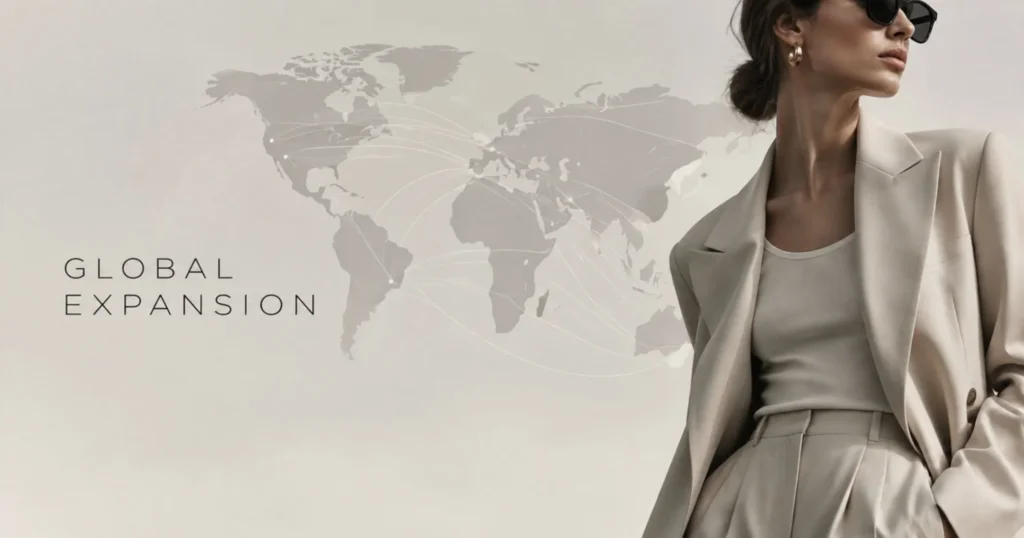
A business this effective at home eventually had to prove it could actually travel somewhere else.
The First International Store in Portugal
Zara’s first store in Porto, Portugal, in 1988, a fairly cautious first step before the real international push properly began. Inditex, Zara’s parent group, had been formally established in 1985 to bring its companies together under one banner, setting the foundation for Zara’s expansion beyond Spain. You can trace that journey through Zara’s history and key milestones.
Expanding Zara Into Europe, America, and Asia
From Portugal, expansion picked up speed fast, New York in 1989, Paris in 1990, and dozens of countries across Europe, the Americas, and eventually Asia over the following decades, including Japan and Singapore in 2002. Inditex went public in 2001 too, in what was at the time Spain’s largest-ever stock market debut. Zara eventually expanded into India as well, and today, its stores across India can be found across several major cities.
How Zara Changed the In-Store Fashion Experience
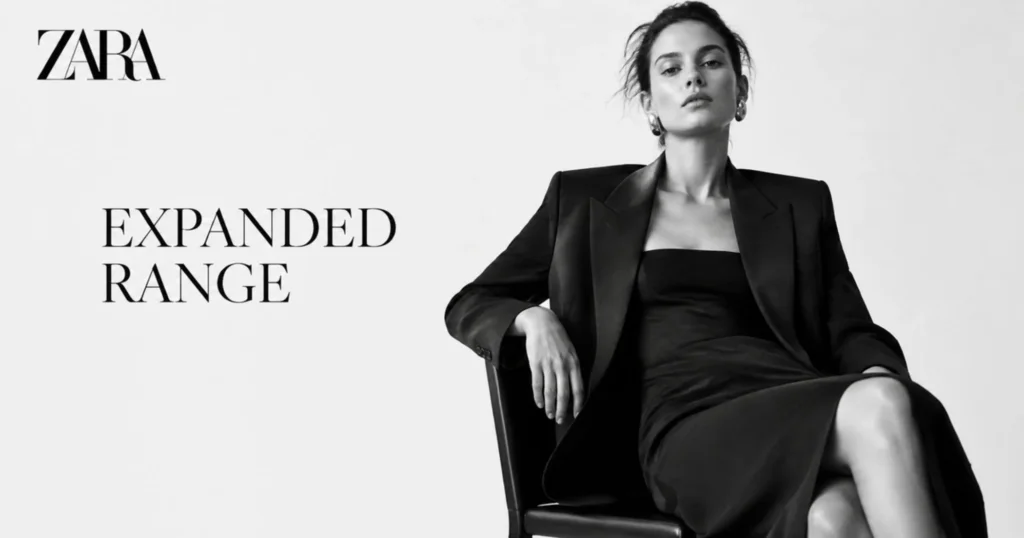
Walking into a store here never quite felt like walking into a typical clothing shop, and honestly, that was entirely deliberate.
Frequent Product Changes and Limited Quantities
New shipments arrived constantly, often multiple times a week, and quantities per style stayed deliberately small on purpose. If something sold out, it frequently wasn’t restocked in that exact same version again at all.
How Zara Stores Created a Sense of Discovery
That scarcity created a sense of urgency most traditional retailers never really bothered building into their stores. Shoppers learned fast that something they liked today might just not be there next week, so buying it right then started to feel like the only safe option available.
How Zara Expanded Its Clothing and Fashion Range
A fast production model only really matters if there’s enough actual variety running through it.
Zara Dresses, Jeans, Blazers, and Everyday Clothing
Dresses, jeans, and blazers became core categories, spanning everything from wardrobe basics to more trend-driven statement pieces of Zara, all moving through that same rapid production system without much friction.
Zara Men, Suits, Coats, and Modern Menswear
Menswear grew into a serious category in its own right too, with suits, coats, and everyday staples for men applying that same fast-turnaround thinking to a market that had traditionally moved slower than womenswear ever did.
Zara Shoes, Boots, Heels, Loafers, and Sandals
Footwear rounded out the offering even further, letting the brand become a genuine head-to-toe destination rather than just a clothing retailer customers paired with Zara shoes, boots, heels, loafers, and sandals bought somewhere else entirely.
How Zara Became Part of Modern Fashion Culture
Eventually, the business model itself turned into a genuine cultural reference point, not just some internal retail strategy.
From Affordable Fashion to Trend-Led Clothing
The brand built its whole reputation on offering runway-adjacent looks at prices far below what high fashion houses typically charged, letting shoppers chase current trends without the price tag that usually came attached to them.
Zara and the Growth of Fast Fashion Brands
Once the model proved itself financially, competitors followed with their own versions of basically the same approach, and “fast fashion” became a recognized category across the entire industry, one this company is still widely credited with pioneering in the first place.
How Zara Adapted to Digital Fashion Shopping

Physical stores built the brand from the ground up. The internet eventually forced a rethink of how customers actually wanted to shop.
Moving From Physical Stores to Online Shopping
E-commerce became an increasingly central part of the business over the following decades, letting that same fast-turnaround model reach customers who might not live anywhere near a physical store at all.
How Technology Changed Zara’s Retail Experience
Inventory systems, online ordering, in-store pickup options, all of it got built around the same core principle that had defined the brand from day one, get the right product to the right customer as quickly as humanly possible.
Zara and the Changing Conversation Around Fast Fashion
Speed and low prices came with real tradeoffs attached, and the company has had to answer for them publicly more than once.
Zara’s Sustainability Initiatives and Circular Fashion Efforts
In response to growing criticism of fast fashion’s environmental footprint, the company has rolled out initiatives around recycled materials, clothing take-back programs, and more sustainable store designs, including an early eco-store concept of Zara under its Zara Home line back in 2012. These efforts reflect the broader shift toward sustainable fashion as brands face increasing pressure to rethink how clothing is designed, produced, and consumed.
Balancing Speed, Affordability, and Fashion’s Environmental Impact
Whether those steps meaningfully offset the broader environmental cost of a business built on rapid, high-volume production remains a genuinely debated question, and honestly, one the whole fast fashion industry faces, not just this one company alone.
How Zara Handled a Global Crisis and Kept Growing
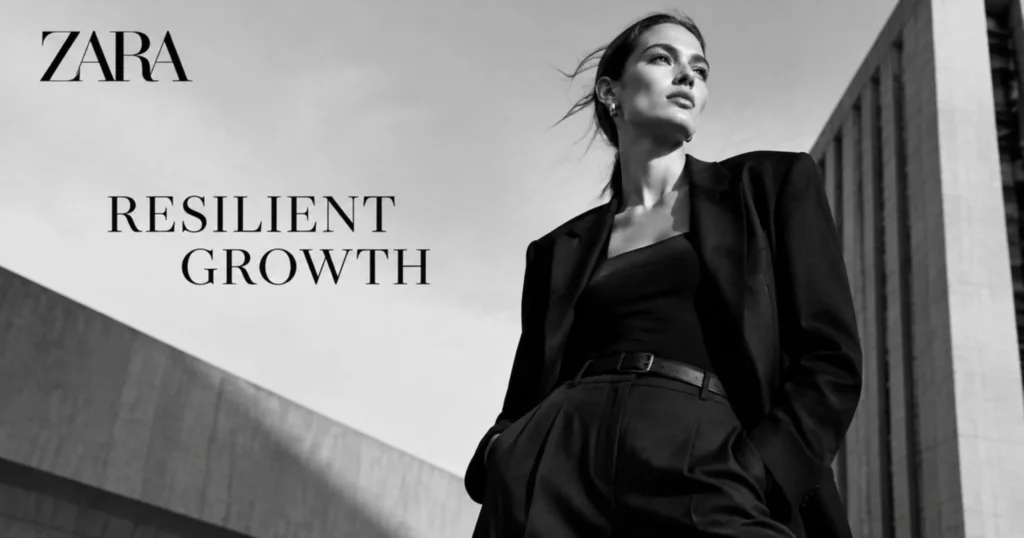
Even a business this efficient isn’t immune to major disruption, and 2020 proved that pretty clearly.
Weathering the COVID-19 Disruption
During the height of the pandemic, widespread store closures hit the company hard, with sales reportedly falling 44% year-on-year in the first quarter of 2020 alone, and a reported net loss of around $482 million for that same period. As per the latest FY2025 results, Zara, Zara Home and Lefties together recorded €28.051 billion in net sales, up from €27.778 billion in FY2024.
Coming Back Stronger Through Digital and Store Investment
Rather than retreating, the company leaned further into its online infrastructure and continued refining store formats once restrictions eased, a response that reflected the same adaptability that had defined the brand since its earliest days in A Coruña.
The Bottom Line: How Zara Changed the Way People Shop for Fashion

What started with a delivery boy who left school at thirteen eventually became the model nearly every modern fashion retailer measures itself against today. Speed, customer feedback, tight supply chains, and a real sense of scarcity turned one small Spanish store into the flagship of the world’s largest fashion retail group. Whatever comes next for the industry, the basic blueprint still traces straight back to that first shop on Juan Flórez street in 1975. As fashion continues to evolve, shoppers are also becoming more conscious of what they buy, how often they buy it, and whether each piece genuinely adds value to their wardrobe. This shift toward more intentional shopping is reflected in the growing interest in building a capsule wardrobe, where versatility and purpose matter as much as the next trend.
FAQs
When was Zara founded?
The first store opened on May 9, 1975, in A Coruña, Spain.
Who founded Zara?
Amancio Ortega and his then-wife, Rosalía Mera, founded the company together.
Where did Zara start?
It started in A Coruña, in the Galicia region of northern Spain, where parent company Inditex is still headquartered today.
What is Zara known for?
Fast, trend-driven fashion at affordable prices, built on an unusually quick design-to-store production cycle.
How did Zara change fashion retail?
By compressing production timelines from months to weeks and using real-time sales data to guide what got made next, rather than relying on long-range forecasting.
Why is Zara considered a fast fashion brand?
It helped pioneer the fast fashion model itself, producing new styles rapidly and in limited quantities based on current demand.
How does Zara respond to fashion trends so quickly?
Through tightly integrated design, manufacturing, and distribution, much of it kept close to headquarters in Spain and Portugal, allowing fast adjustments.
What makes Zara shopping different from traditional fashion retail?
Frequent new arrivals, small batch quantities, and limited restocks, which create urgency and encourage more frequent store visits.
Does Zara sell women’s and men’s clothing?
Yes, the brand offers full women’s, men’s, and children’s clothing lines, along with shoes and accessories.
How did Zara become a global fashion brand?
Through steady international expansion starting with Portugal in 1988, followed by major markets across Europe, the Americas, and Asia over the following decades.
The first store opened on May 9, 1975, in A Coruña, Spain.
Amancio Ortega and his then-wife, Rosalía Mera, founded the company together.
It started in A Coruña, in the Galicia region of northern Spain, where parent company Inditex is still headquartered today.
Fast, trend-driven fashion at affordable prices, built on an unusually quick design-to-store production cycle.
By compressing production timelines from months to weeks and using real-time sales data to guide what got made next, rather than relying on long-range forecasting.
It helped pioneer the fast fashion model itself, producing new styles rapidly and in limited quantities based on current demand.
Through tightly integrated design, manufacturing, and distribution, much of it kept close to headquarters in Spain and Portugal, allowing fast adjustments.
Frequent new arrivals, small batch quantities, and limited restocks, which create urgency and encourage more frequent store visits.
Through steady international expansion starting with Portugal in 1988, followed by major markets across Europe, the Americas, and Asia over the following decades.
Yes, the brand offers full women’s, men’s, and children’s clothing lines, along with shoes and accessories.
Tags:

Smit Rangras
Product Associate, NineE
Smit works on the product team at NineE, helping shape how the platform is built and how it serves t...
Read More
Get Latest Fashion Insights, Before Everyone Else.