Updated on Oct 4, 2026
The Story Behind Mango and Its Rise to Global Fashion
Brand StoriesSmit Rangras12 Mins reading time
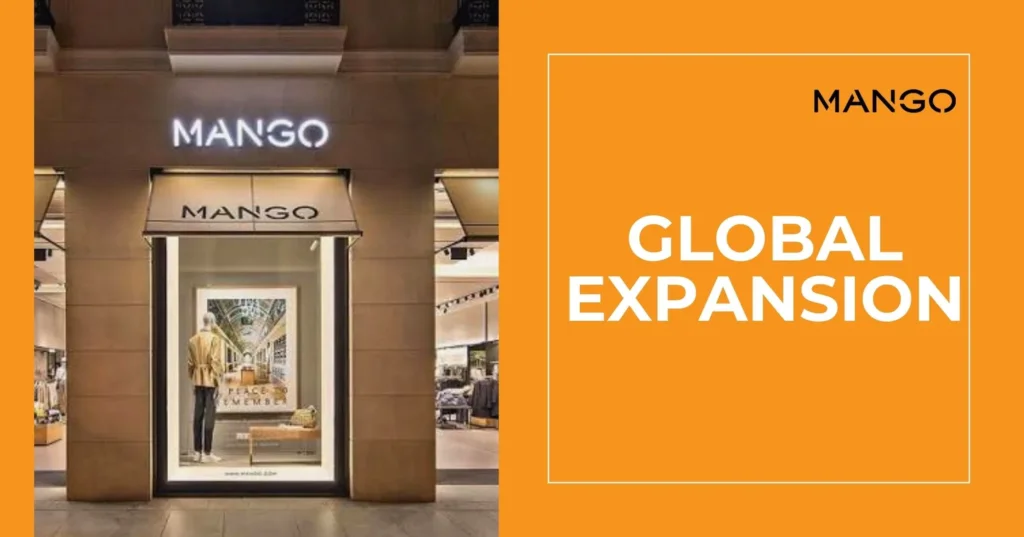
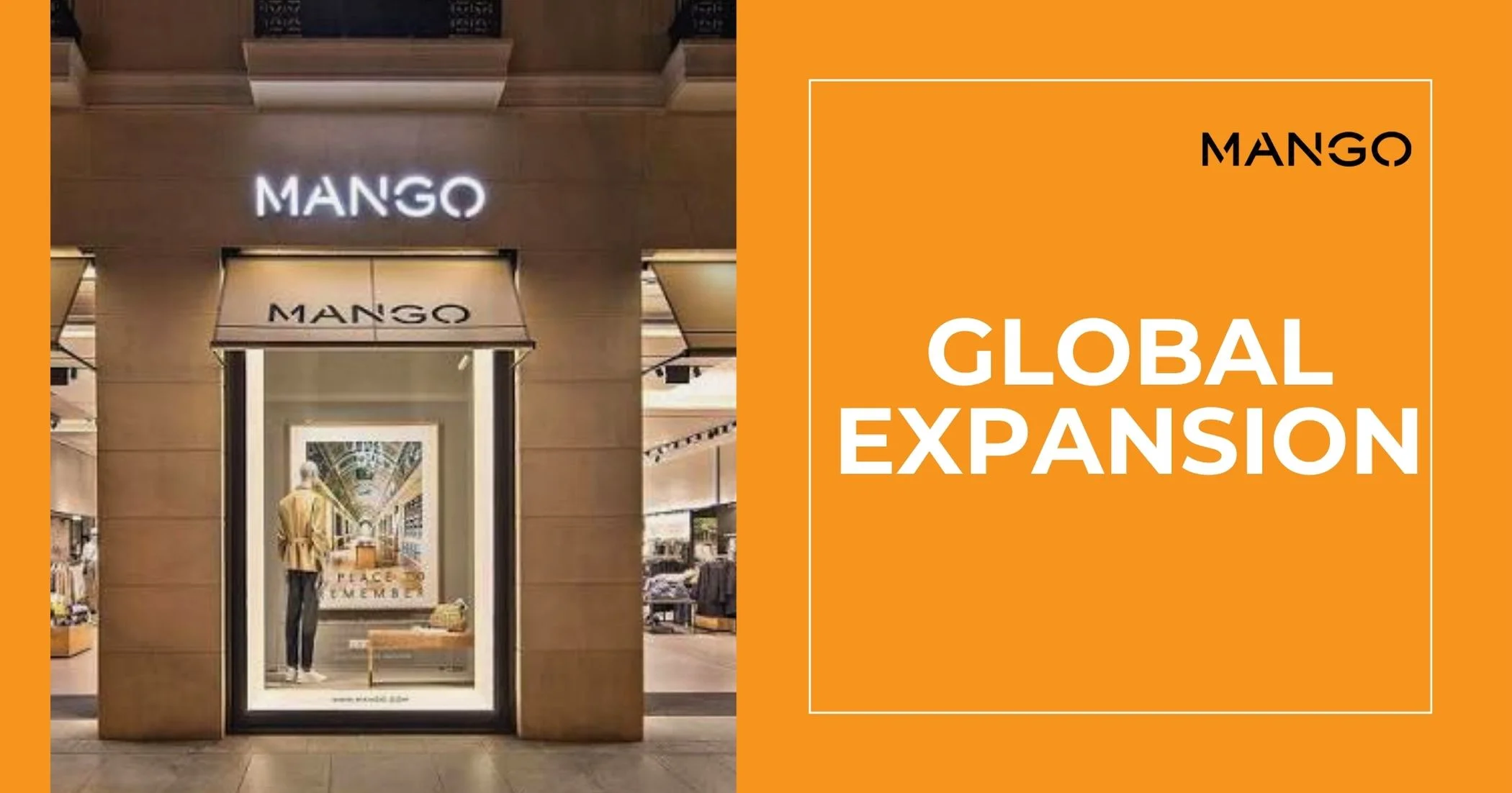
Mango, a company started by two brothers, arrived in Spain with almost nothing and somehow built one of Europe’s biggest fashion companies. They named it after a fruit one of them happened to taste on a business trip on the other side of the world. Mango’s story kicks off in Barcelona back in 1984, and four decades later, it’s operating in over 100 countries. Here’s how that actually played out.
TL;DR
- Isak Andic, along with his brother Nahman and business partner Enric Cusí, opened the first MNG store on Barcelona’s Passeig de Gràcia in 1984.
- Isak picked the name “Mango” after tasting the fruit on a trip to the Philippines, wanting something short and easy to say in any language.
- The company hit 100 stores across Spain within eight years, then started going international in 1992 with two stores in Portugal.
- It built its early identity almost entirely around womenswear, only rolling out a real men’s line, H.E. by Mango, back in 2008.
- By 2024, the company had nearly 2,800 stores across more than 100 countries, with annual turnover topping €3.3 billion.
- Founder Isak Andic passed away in December 2024, and the company continued on under family and leadership he’d built up over the years.
The Origins of Mango and Its Barcelona Beginnings
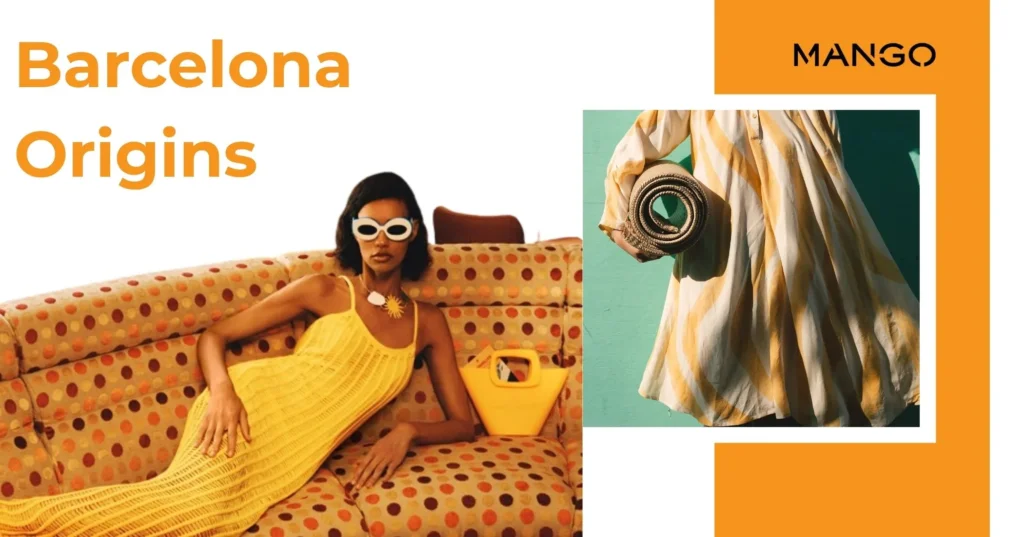
Most major retail brands start out looking nothing like where they eventually land. MNG’s beginning traces back to a family just trying to rebuild in a new country.
How Isak Andic and Nahman Andic Started Mango
Isak Andic landed in Barcelona from Istanbul as a teenager in the late 1960s, part of a Sephardic Jewish family looking for a fresh start after leaving Turkey. Through the 1970s, he and his older brother Nahman sold hand-embroidered blouses and clothing around Madrid and Barcelona, working out of small apartments, no investors, no real storefronts, just ambition and a willingness to hustle. In 1984, Isak, Nahman, and business partner Enric Cusí opened the first store under the Mango name at number 65 of Passeig de Gràcia, one of Barcelona’s most well-known shopping streets. As the story goes, Isak landed on the name after tasting a mango on a trip to the Philippines, drawn to how short and easy the word was to say across different languages. That wasn’t an accident either. He already had global ambitions for the brand from day one.
Why Barcelona Became the Foundation of Mango Fashion
Timing mattered here just as much as location did. Spain had only recently come out of decades of dictatorship following Franco’s death in 1975, and a newly modern, increasingly open middle class was hungry for exactly the kind of contemporary, affordable clothing Mango was offering. Barcelona itself was already building a reputation as a global fashion hub around this time too, which gave the brand a credible home base to grow outward from rather than starting from zero credibility.
How Mango Built Its Identity Around Spanish Fashion
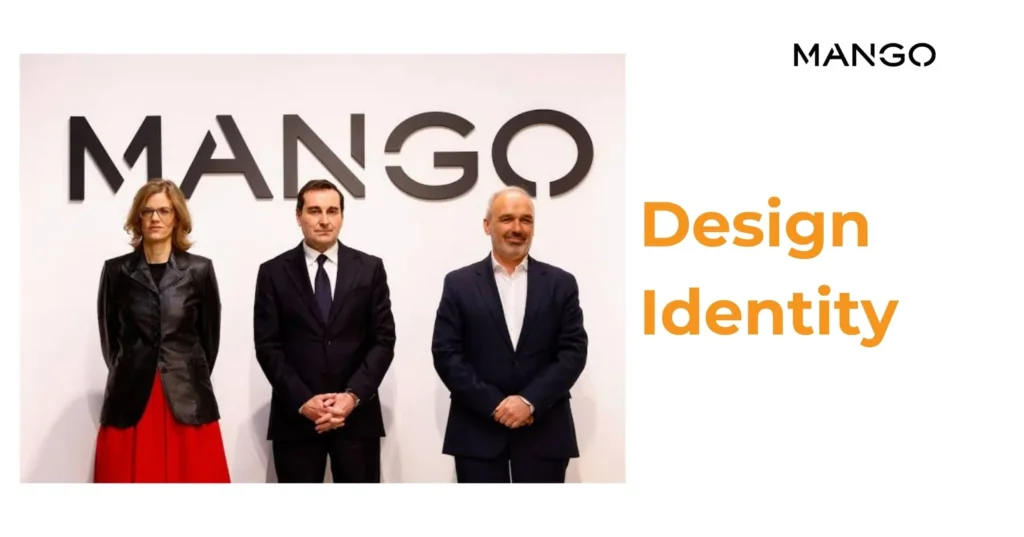
Location alone doesn’t build a brand identity. What MNG actually designed mattered just as much, maybe more.
Combining Mediterranean Influences With Modern Design
MNG’s early collections leaned hard into a distinctly Mediterranean sensibility, warm tones, relaxed silhouettes, a lightness to everything that felt genuinely different from the heavier, more formal fashion coming out of other European capitals at the time.
How Mango Developed a Distinct European Fashion Identity
That Mediterranean foundation gave MNG a real point of difference as it kept expanding, letting the brand compete against established European fashion houses without just copying their design language wholesale, which honestly could’ve been the easier route.
How Mango Expanded From One Store to an International Fashion Brand
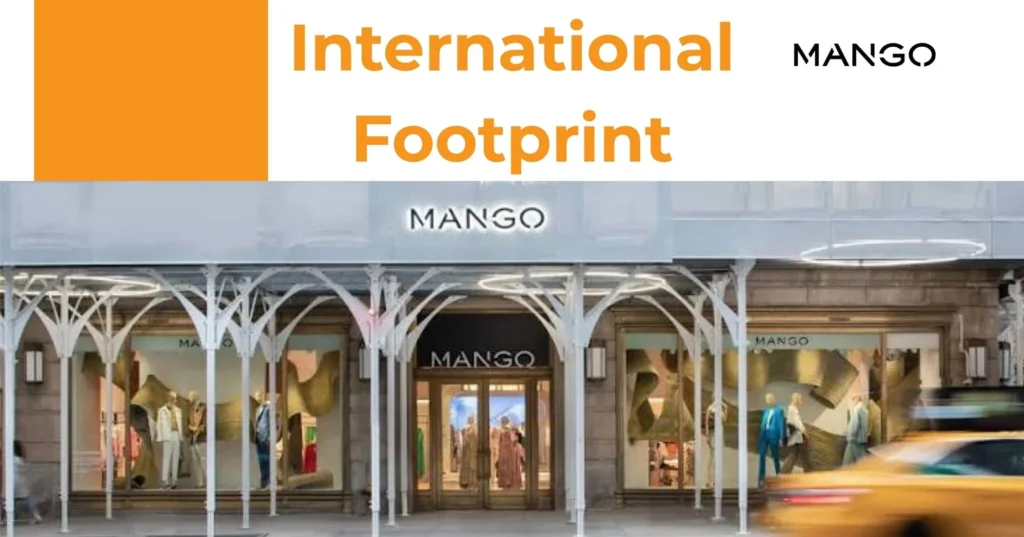
Growth this fast doesn’t just happen by chance. MNG’s expansion followed a fairly deliberate pattern once it got moving.
The Early Expansion Across Spain and Europe
A year after that first store opened, MNG already had five locations in Barcelona plus one in Valencia. From there, growth picked up fast, the company hit 100 stores across Spain within just eight years of opening its doors, which is a pretty remarkable pace for a company that started with two brothers selling blouses out of an apartment.
How Mango Entered International Markets
International expansion of Mango started in 1992, less than a decade after the brand launched, with two stores opening in Portugal. From that point, MNG pushed steadily into other European capitals, then expanded into Asian markets, China, South Korea, Japan, through the 2000s, a region that turned out to matter a lot for positioning European design within the affordable luxury space.
Building a Global Fashion Brand Through Retail Expansion
Unlike some competitors that leaned heavily on company-owned stores, MNG grew through a franchise-heavy model instead. That structural choice let it scale into new markets faster than a purely owned-retail approach probably would’ve allowed, especially in regions where local partners understood the market better than a Spanish head office could.
Mango Clothing and the Evolution of Its Fashion Collections
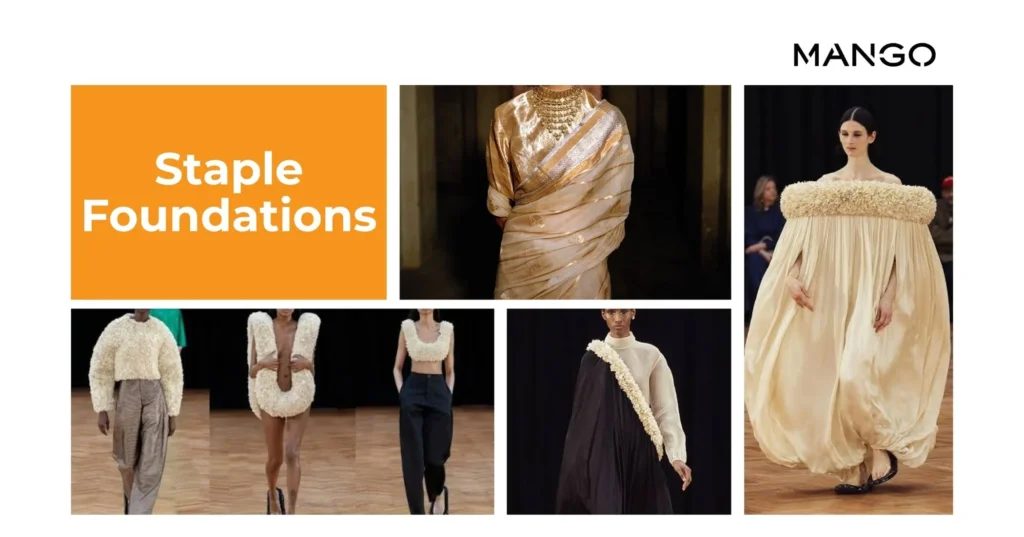
As the store count climbed, what Mango actually sold kept expanding right alongside it.
How Mango Women’s Clothing Became Central to the Brand
Isak Andic founded the company with a pretty specific goal in mind, “offering a modern proposal adapted to the needs of the urban woman,” and that focus basically defined MNG’s collections for its first two decades almost entirely, with barely any deviation.
Mango Jeans, Jackets, and Everyday Essentials
Denim, outerwear, wardrobe basics, these became core categories within that womenswear focus, giving the brand a foundation of dependable, repeat-purchase staples to sit alongside its more seasonal, trend-driven pieces.
From MNG Clothing to a Recognisable Global Brand
The company’s legal and retail branding has long used “MNG” right alongside “Mango,” and that shorthand became just as recognizable to shoppers internationally as the full brand name itself, showing up on tags and store signage in markets where the full word might’ve needed more explanation.
Mango Women and the Growth of Its Womenswear
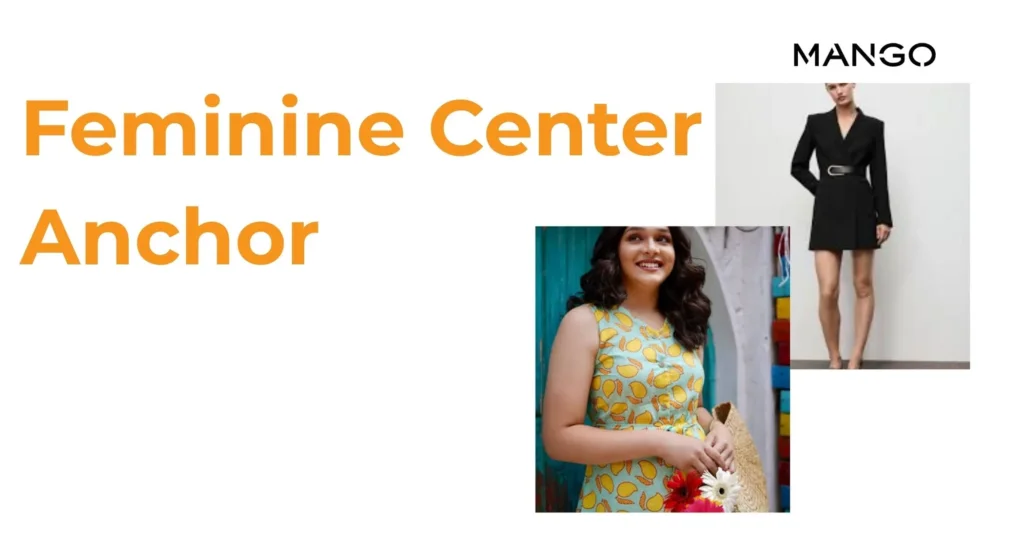
Womenswear didn’t just kick things off. It stayed the center of gravity for decades afterward.
How Mango Women Shaped the Brand’s Identity
Because womenswear came first and stayed the company’s main focus for so long, it shaped basically everything, MNG’s design instincts, its pricing strategy, its retail approach, well before any other category even existed on the roadmap.
Mango Mom Jeans and Flared Jeans in Modern Fashion
As denim trends cycled through different silhouettes over the decades, styles like mom jeans and flared pants kept popping back up in MNG’s collections. As the fashion industry has increasingly focused on sustainable fashion, this ability to revisit existing styles also reflects a broader shift toward making fashion cycles more considered rather than constantly creating something entirely new.
Mango Bikini and the Expansion Into Seasonal Fashion
Swimwear and other seasonal categories, bikinis included, gave the brand relevance across more of the calendar year rather than concentrating purely on core seasonal wardrobe basics like coats and knitwear.
Mango Maternity and the Expansion of Womenswear
A dedicated maternity offering extended the brand’s womenswear range even further, covering a life stage a lot of fashion retailers honestly underserved, and reinforcing MNG’s broader pattern of building out adjacent categories once a core one had matured enough to support it.
How Mango Expanded Into Men’s and Lifestyle Fashion
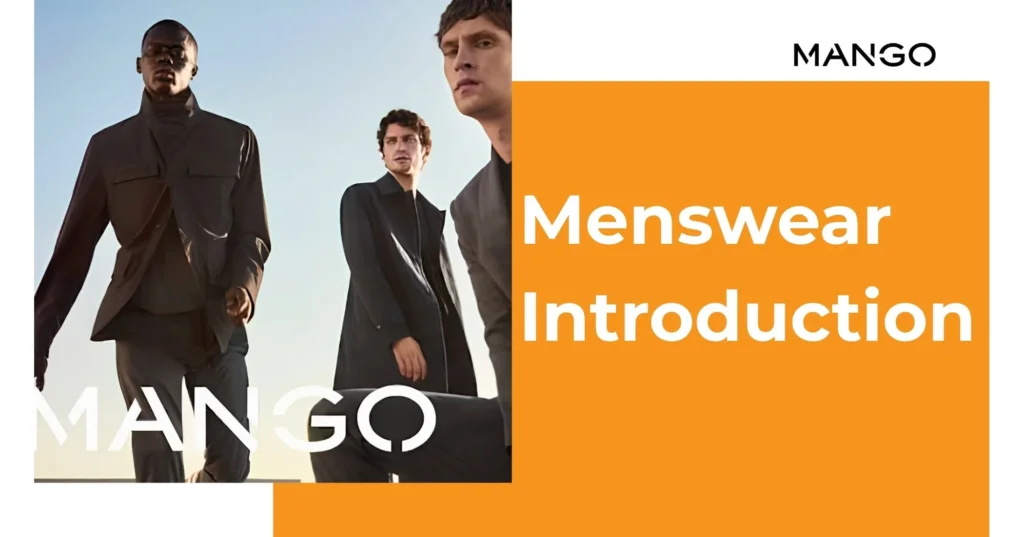
Eventually, one gender’s wardrobe couldn’t carry the whole business by itself forever.
Mango Men and the Growth of Menswear
Menswear came notably late to MNG, honestly. The company didn’t introduce its first men’s line, H.E. by Mango, until 2008, nearly a quarter-century after the brand’s founding, before rebranding it as Mango Man in 2014, with footballer Zinedine Zidane fronting the campaign to give it real launch weight.
Mango Leather Jackets, Sandals, and Everyday Accessories
Leather jackets, sandals, various accessories, all of this rounded out a fuller lifestyle offering, letting MNG compete not just on clothing but on the kind of complete, coordinated wardrobe shoppers increasingly expected from one retailer instead of piecing things together across several.
How Mango Adapted to Changing Fashion Trends
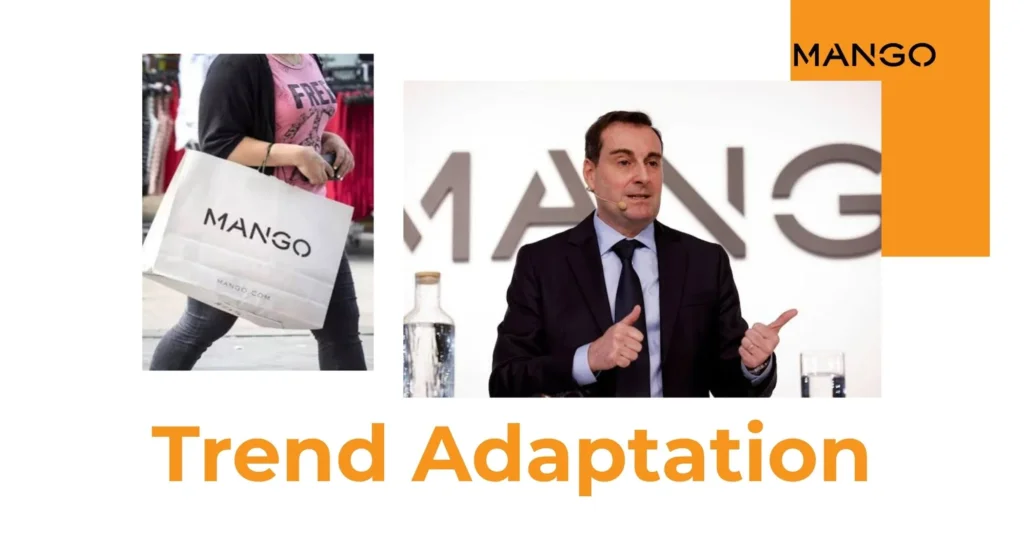
Staying relevant across four decades takes more than just a good founding idea. It takes constant small adjustments.
Balancing High Street Fashion With Contemporary Design
Mango positioned itself firmly within European high street fashion, affordable, fast-moving, closely tied to whatever was current, while still holding onto enough design consistency that its collections read as genuinely its own rather than interchangeable with every other high street label on the block.
How Mango Responded to Changing Consumer Preferences
As shopping habits shifted toward e-commerce and faster trend cycles, MNG adjusted its retail and design operations to match. That’s a pattern plenty of high street fashion brands have had to follow, with streetwear brands also adapting to faster trend cycles and changing consumer preferences.
How Mango Built a Global Fashion Identity
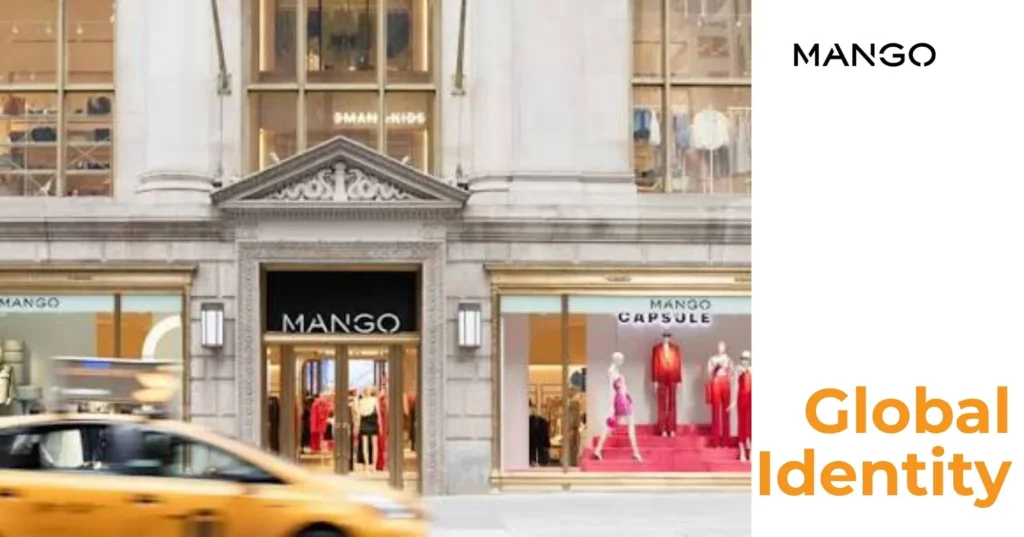
Spanish roots and global ambition sound like they might clash on paper. MNG treated the two as complementary instead.
Combining Spanish Design With International Fashion
Even as MNG expanded into dozens of countries, it held onto enough of its original Mediterranean, Barcelona-rooted design sensibility to stay distinguishable from purely generic international fast fashion, which isn’t always an easy balance to strike at that scale.
How Mango Reached Customers Across Different Markets
By 2012, Mango was operating in 109 countries with more than 2,500 stores and annual revenues past €2 billion, a scale that put it right up there among Europe’s largest fashion retailers, alongside fellow Spanish giant Zara. Mango’s latest revenue figures show how far that expansion has continued.
Mango Fashion and Its Place in Modern European Style
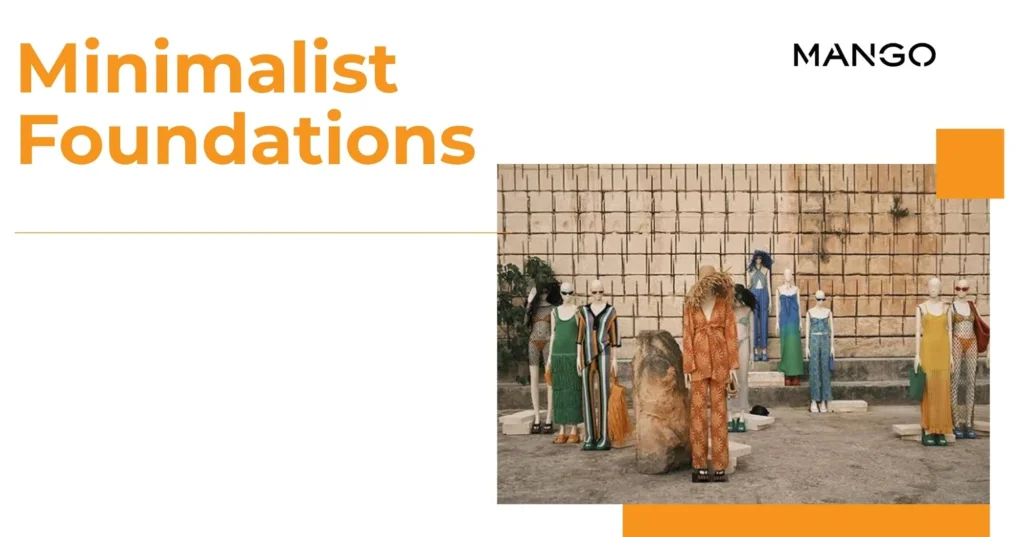
Decades of expansion eventually settled into a fairly consistent design philosophy, one that’s stuck around.
The Role of Minimalism and Everyday Dressing
A lot of Mango’s core offering leans toward clean, wearable pieces built for everyday use rather than heavily trend-driven statement fashion, a positioning that’s helped the brand hold onto a steady customer base even as broader fashion trends shifted constantly around it. This approach also connects with the idea of a capsule wardrobe, where versatile pieces form the foundation of everyday dressing.
How Mango Blends Classic Style With Current Trends
That balance, dependable basics sitting alongside seasonal trend pieces, has let Mango sit comfortably within the European high street fashion tier without needing to chase every single micro-trend that passes through the industry every few months, giving shoppers a flexible set of wardrobe essentials to build around.
The Bottom Line: How Mango Built a Global Fashion Brand
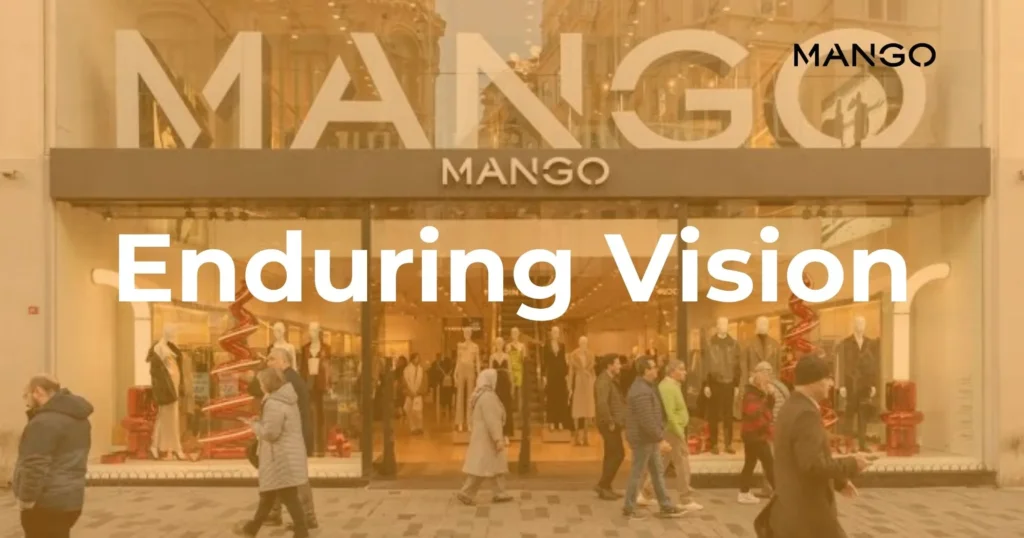
Mango’s story traces back to two brothers who showed up in Spain with essentially nothing and built one of Europe’s largest fashion companies within a single generation. Isak Andic, who passed away in December 2024, spent four decades steering that growth, from a single Barcelona storefront to nearly 2,800 stores worldwide. The brand’s consistency explains a lot of it honestly, Mediterranean design roots that never fully disappeared, a steady expansion into new categories rather than reckless overreach, and a name picked specifically because it worked in any language, no translation needed. That blend of consistency and adaptation helped MNG develop a recognizable fashion aesthetic that could evolve without losing its core identity.
FAQs
When was Mango founded?
It was founded in 1984 by Isak Andic, his brother Nahman Andic, and business partner Enric Cusí.
Where did Mango start?
The first MNG store opened on Passeig de Gràcia in Barcelona, Spain, in 1984.
Is Mango a Spanish fashion brand?
Yes, Mango is headquartered in Palau-solità i Plegamans, near Barcelona, and remains one of Spain’s largest fashion companies.
What is Mango known for?
Affordable, Mediterranean-influenced European fashion, originally built around womenswear before expanding into menswear, kidswear, and home goods.
What does Mango clothing include?
Women’s, men’s, and children’s clothing and accessories, including denim, outerwear, swimwear, and maternity lines.
What is MNG clothing?
MNG is Mango’s shorthand branding, used interchangeably with the full Mango name across retail and legal contexts.
Does Mango sell men’s clothing?
Yes, though menswear arrived relatively late; the first men’s line, H.E. by Mango, launched in 2008, later rebranded as Mango Man in 2014.
Does Mango offer maternity clothing?
Yes, MNG maintains a dedicated maternity range as part of its broader womenswear offering.
It was founded in 1984 by Isak Andic, his brother Nahman Andic, and business partner Enric Cusí.
The first MNG store opened on Passeig de Gràcia in Barcelona, Spain, in 1984.
Yes, Mango is headquartered in Palau-solità i Plegamans, near Barcelona, and remains one of Spain’s largest fashion companies.
Affordable, Mediterranean-influenced European fashion, originally built around womenswear before expanding into menswear, kidswear, and home goods.
Women’s, men’s, and children’s clothing and accessories, including denim, outerwear, swimwear, and maternity lines.
MNG is Mango’s shorthand branding, used interchangeably with the full Mango name across retail and legal contexts.
Yes, though menswear arrived relatively late; the first men’s line, H.E. by Mango, launched in 2008, later rebranded as Mango Man in 2014.
Yes, MNG maintains a dedicated maternity range as part of its broader womenswear offering.
Tags:

Smit Rangras
Product Associate, NineE
Smit works on the product team at NineE, helping shape how the platform is built and how it serves t...
Read More
Get Latest Fashion Insights, Before Everyone Else.