Updated on Aug 4, 2026
A Complete Streetwear Guide to Modern Street Fashion
Fashion GuidesAakash Jethwani12 Mins reading time
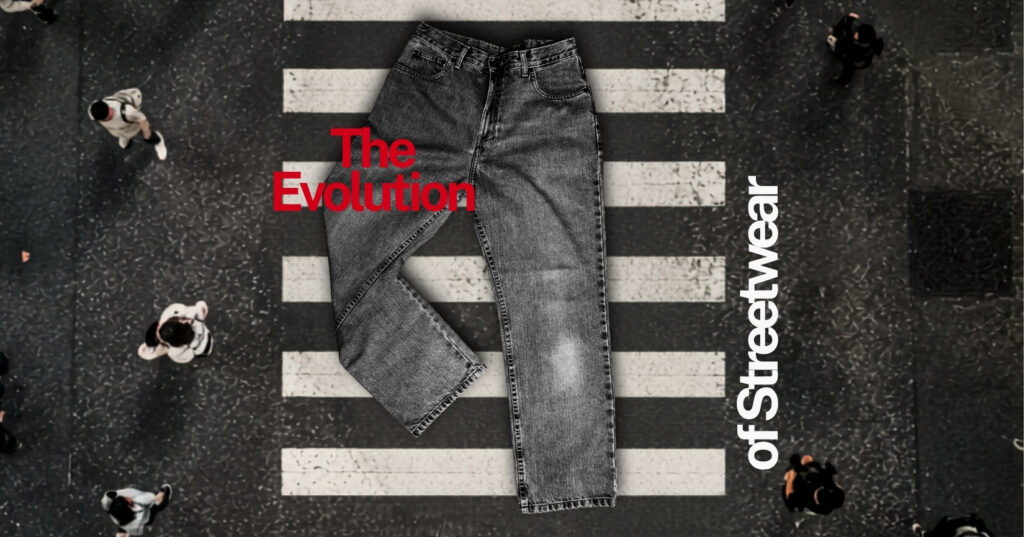
Streetwear is a casual style that became popular worldwide in the 1990s. It started with African-American and Latino hip-hop fashion in New York and surf culture in California. Over time, it picked up influences from sportswear, punk, skateboarding, 1980s trends, and Japanese street fashion.
Many people see streetwear as just urban fashion, but it’s really a bigger cultural movement shaped by youth, music, art, and community. At its core, streetwear is about self-expression and cultural identity. In the last forty years, it has grown from underground scenes to have a big impact on global fashion.
Today, streetwear shapes how people dress around the world, from small indie brands to luxury labels. Because it has such a big impact, it’s worth looking at where it came from, its cultural background, and where it’s headed. Streetwear connects style, community, and cultural identity uniquely.
Modern Streetwear Trends Redefining Global Fashion
Rise of Oversized Fashion and Streetwear Culture:
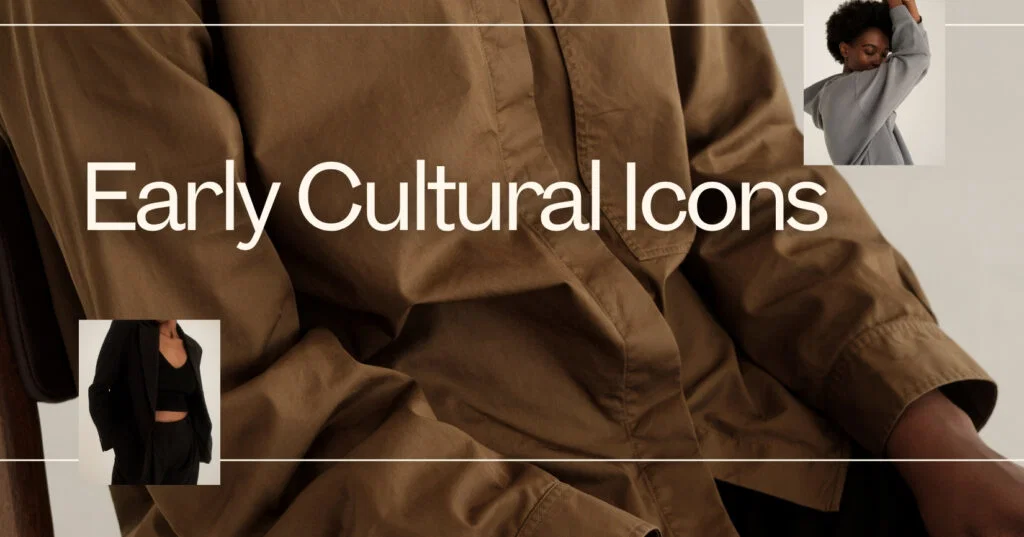
Some of the main trends in streetwear right now are oversized clothes, simple designs, and creative brand collaborations that push fashion’s limits. Subcultures like skateboarding, hip-hop, and surf culture keep streetwear authentic and influence mainstream styles. These trends show how streetwear lets people tell their own stories and express who they are through their clothing.
Technology and Social Media Fuel Global Streetwear Culture:

Technology and social media have helped streetwear spread quickly around the world. Online platforms let new designers and underground artists share their ideas, breaking down old barriers in fashion. Because of this, luxury brands have begun adopting streetwear styles, creating new looks that blend high fashion with street culture. Trends prioritize sustainability and technological integration.
Sustainability Has Become a Core Streetwear Trend:
Modern streetwear trends focus on sustainability, new technology, and cross-cultural collaboration. Brands are paying more attention to eco-friendly materials, practical designs, and showing a wide range of people in their styles. This shows how streetwear keeps changing while staying true to its roots of self-expression and standing out from the mainstream.
Conscious Consumption Is Changing Fashion:
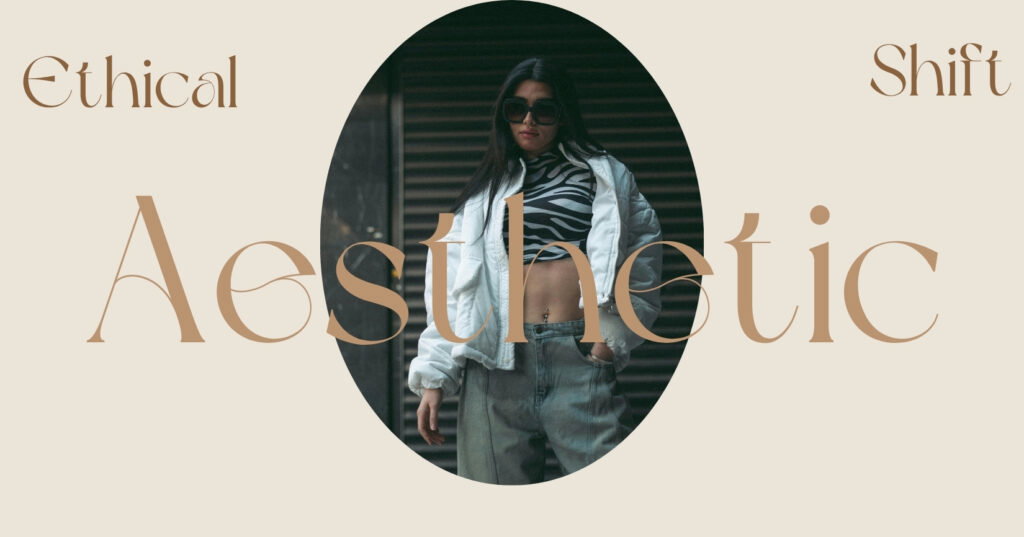
A central principle of modern streetwear is shifting the fashion landscape from disposable trends toward conscious consumption. This focus extends the movement’s broader evolution, as innovations in sustainable streetwear indicate a significant shift toward environmental accountability and ethical production, challenging conventional manufacturing paradigms.
Eco-Friendly Materials Are Becoming the Industry Standard:

Streetwear brands are using more eco-friendly fabrics like organic cotton, recycled polyester, and new plant-based materials instead of traditional ones. These choices help reduce waste and carbon emissions while keeping clothes comfortable, durable, and stylish. This shows that ethical fashion can look good and work well.
Ethical Production Iis No Longer Optional

Ethical production is now considered a fundamental requirement for streetwear brands rather than an optional luxury. Brands are expected to demonstrate transparency in manufacturing processes, ensure fair treatment and compensation of workers, and uphold social responsibility.
This involves monitoring working conditions, guaranteeing adequate wages, and implementing systems that respect both individuals and the environment.
Leading streetwear brands integrate these values into their design and production processes, moving beyond mere marketing. Accountability and authenticity are increasingly demanded from fashion brands.
Technological advancements enable detailed tracking of material origins, production methods, and environmental impact. As a result, streetwear functions as a platform for social and environmental values, with each garment reflecting responsible creation.
Rise of Streetwear Brands
In the 1990s, streetwear grew from a local subculture into a worldwide fashion movement. Several brands helped shape the look of streetwear and how it was sold during this time.
Some of the most influential early streetwear brands include:
- Stüssy
- Supreme
- BAPE
- FUBU
- Rocawear
These brands used different business models than traditional fashion labels. Instead of making big seasonal collections, they focused on smaller product drops and limited releases, as mentioned earlier.
This approach made each product launch feel special and exclusive. Streetwear brands also built strong communities by working with musicians, artists, and designers.
This made each release feel unique and exciting. Good streetwear style is about balance. For example, pair wide trousers with a fitted top, wear an oversized hoodie with a structured jacket, and choose shoes that fit the whole look.
Having a clear style is important, whether you want a skate-inspired look with baggy jeans and a hoodie, a simple outfit with relaxed pants and loafers, or a sporty style with technical jackets and running shoes. Knowing your style helps you put together outfits that look good together.
The best streetwear doesn’t look like a costume. It shows comfort and confidence. This flexibility is why streetwear styles keep changing. Streetwear isn’t just one look; it’s a way to show your taste, culture, and attitude through casual clothes.
Read Also – Fast Fashion vs Sustainable Fashion
Key Pieces in Streetwear
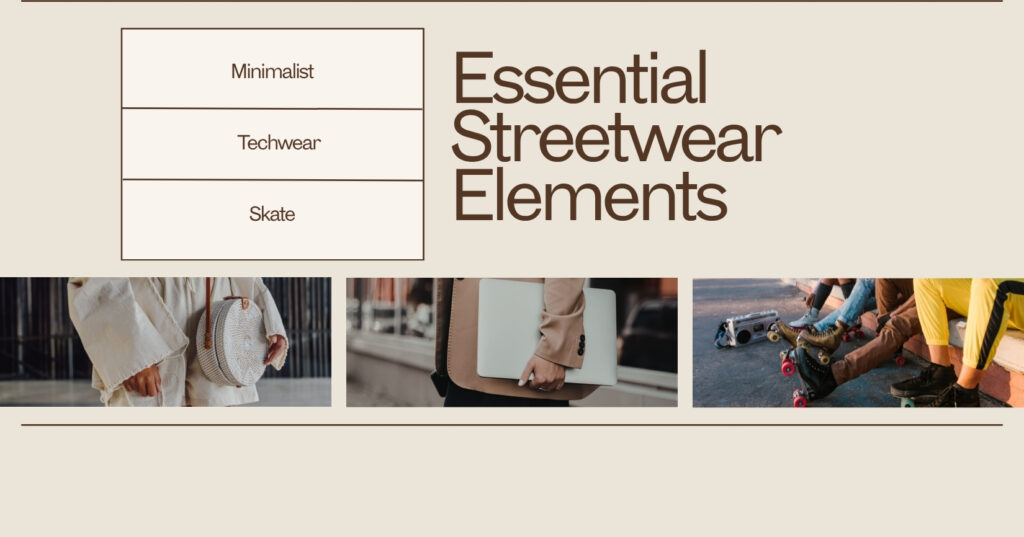
Streetwear usually comes from practical, everyday clothes. Key pieces are hoodies, T-shirts, jeans, cargo pants, sweatpants, overshirts, work jackets, bomber jackets, caps, and relaxed-fit trousers.
Some items stand out, while others are simple, focusing on fit, fabric, color, and shape. For example, a plain white T-shirt, wide trousers, and loafers can show streetwear style just as much as a graphic hoodie and sneakers, as long as you style them with purpose.
You don’t need to wear every streetwear item at once. The goal is to put together an outfit that looks relaxed, modern, and thoughtfully styled.
| Style | Core Look | Key Pieces |
| Minimalist | Clean lines, Neutral Colors, No Excess | Plain oversized tees, slim joggers, white sneakers |
| Techwear | Functional, futuristic, utility-focused | Cargo pants, waterproof jackets, technical fabrics |
| Skate | Loose, worn-in, graphic-heavy | Graphic tees, baggy jeans, skate shoes |
| Luxury | High-end materials, designer logos, elevated basics | Premium hoodies, logo tees, designer sneakers |
| Athleisure | Sport-inspired, comfortable, versatile | Track pants, sports bras, chunky sneakers |
Streetwear’s Real Lesson for a New Generation
Authenticity Is More Important Than Being Fashionable: The streetwear culture teaches us that fashion is about showcasing our authenticity rather than just keeping up with the latest trends. In this culture, one is supposed to wear outfits that portray who they are as a person.
Creative Ideas Are More Important than Expensive Clothes: The most valuable lesson one can learn from streetwear is that fashion is not about price tags. Creativity and uniqueness of design and ideas tend to matter more than wearing expensive brands.
Quality Lasts Beyond Trendy Fashion: Contemporary Street fashion fosters responsible shopping rather than trendy shopping. Purchasing timeless, high-quality clothes promotes sustainable fashion and helps build an enduring wardrobe.
Opportunities Created by Digital Platforms: The advent of social media has allowed individual designers and smaller labels to connect with an international audience like never before. The current generation has created a fashion business based on creativity and storytelling, not just sales.
Streetwear Keeps Motivating Fashion’s Future: With the evolution of fashion driven by sustainability, technology, and international cooperation, streetwear continues to inspire the fashion industry, showing how creativity, inclusiveness, authenticity, and culture will always outlast fleeting trends.
Read Also- Rise of Denim in Streetwear Culture and Modern Fashion
When Streetwear Entered Luxury Fashion
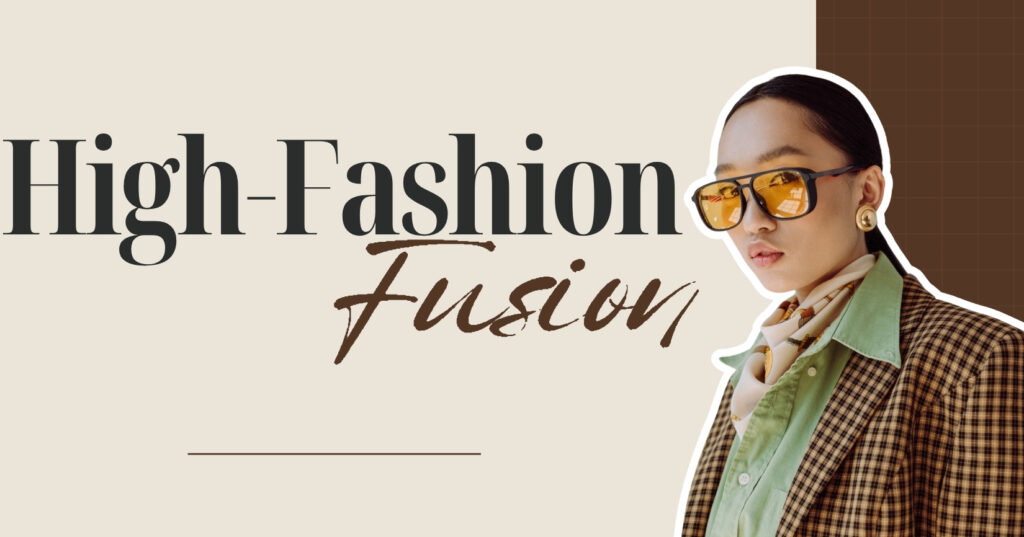
Streetwear Escapes Underground Subculture
For a long time, streetwear remained distinct from fashion and was associated primarily with youth culture, skateboarding, hip-hop, and independent subcultures. In the 2010s, streetwear became very popular worldwide, providing an opportunity for it to evolve beyond its underground origins and impact the fashion industry as a whole.
Thus, the new era began when casual, culture-related fashion started gaining traction on international catwalks.
Visionary Designers Filled the Gaps
Designers such as Virgil Abloh have been influential in merging streetwear and luxury fashion. Virgil Abloh has shown through his Off-White label that streetwear styles can be incorporated into high-quality, luxury fashion.
His position as the Artistic Director of Menswear at Louis Vuitton was a game-changing event that transformed the fashion industry.
Streetwear Characteristics Adopted by Luxury Brands
After this trend emerged, luxury fashion brands began to incorporate typical streetwear features into their clothing lines. Some characteristics, such as loose fits, sneakers, hoodies, graphic patterns, utilitarian styles, and casual tailoring, can now be observed in luxurious collections. Thus, a new fashion language was created to target young customers.
Power of Collaboration in Streetwear Fashion
Collaborations Strengthen Brand Communities
Collaborations are a big part of streetwear’s success. The underground scene is made up of many subcultures that come together as a larger community. Working together helps brands connect with people and grow their communities.
Collaborations also bring in new fans. Big partnerships, like Nike with Michael Jordan or Adidas with Yeezy, can really boost a brand’s reputation.
High-Profile Partnerships Increase Brand Value
Collaborations make brands more credible, increase demand, raise prices, and can even move a brand into the luxury market. Some brands might not be as strong on social media as others, but their creative direction, photography, and strong stories still reach people effectively.
For Off-White, digital platforms are mainly used to create buzz and keep up with new trends, rather than as a core part of the brand.
Celebrity Endorsements Expand Brand Influence
Trends usually start with early adopters, who help spread new styles. Celebrities often follow these trends, whether by thrifting or buying luxury items. For many, staying relevant is more important than personal style.
Celebrities often support brands their fans like, as well as those they personally enjoy. When celebrities see their fans or communities wearing a certain brand, they’re likely to support it too. Their endorsement, in turn, encourages even more people to try the brand.
The Future of Streetwear

Streetwear is constantly evolving instead of losing popularity. It is evolving due to changes in consumers’ needs and preferences as well as cultural and technological changes.
Although streetwear began as a small niche movement among skateboarders and hip-hop artists, it has become a powerful global fashion phenomenon, and its future lies in creativity, authenticity, and community.
An increasing number of independent creators and emerging brands will affect the future of streetwear as a global fashion phenomenon.
With the rise of social media and e-commerce platforms, small and independent brands have an opportunity to promote themselves without assistance from major fashion houses.
Therefore, it is possible to create a brand that will become popular through its unique design, story, and the community it fosters.
Community will become the key characteristic of future streetwear. In contrast to traditional fashion, streetwear is based on shared interests, music, art, sports, and culture.
The brands that will be able to form strong relationships with consumers using collaborations, various events, and storytelling techniques will become popular among consumers, who not only want to buy fashionable clothing but also want to become
Read Also – How to Build a Streetwear Wardrobe: 10 Steps to Get It Right
FREQUENTLY ASKED QUESTIONS
1. What is streetwear style?
Streetwear style is more than just comfortable clothes. It’s a way for people to express who they are and share their stories, often influenced by hip-hop and skate culture.
2. What are the most prominent streetwear trends in 2026?
Some of the top streetwear trends include oversized fits, techwear, minimalism, sustainability, sneakers, and brand collaborations.
3. How has streetwear changed throughout the years?
Streetwear has grown from a niche style to a worldwide trend. It now includes things like sustainability, new technology, and multicultural collaborations.
4. Why is streetwear so popular and so influential?
The popularity of streetwear is based on comfort, uniqueness, and expression. This type of clothing draws on a background of music, skating, hip-hop, and young culture, enabling individuals to express themselves through fashion.
Streetwear became influential due to social networks, celebrity partnerships, limited releases, and the development of individual brands.
5. How is streetwear different from simply wearing casual clothes?
Real streetwear is connected to a certain subculture and has its own style rules. Just picking random clothes is casual dressing. Choosing pieces that fit a cultural style and wearing them together is what makes it streetwear.
6. Is streetwear worn exclusively by young people?
No. Streetwear is for everyone who wants to wear fashionable, comfortable clothes.
Tags:

Aakash Jethwani
Founder & CEO at NineE AI
Aakash Jethwani is the Founder & CEO of NineE AI, a Fashion Exploration Engine built to help peo...
Read More
Get Latest Fashion Insights, Before Everyone Else.