Updated on Jul 31, 2026
Fashion Style vs Fashion Aesthetic: What’s the Difference?
Fashion GuidesTeam NineE AI14 Mins reading time
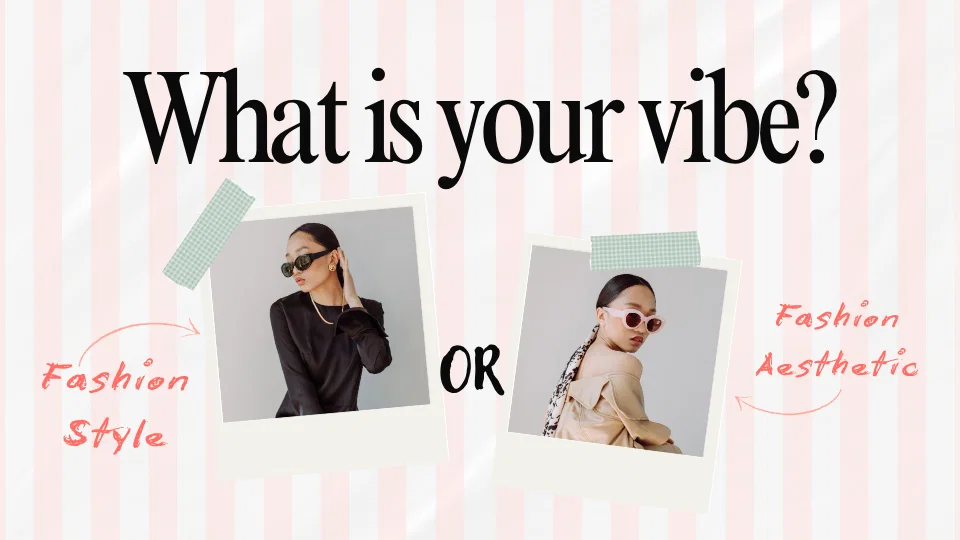
If you’ve spent time exploring fashion online, you’ve probably seen the terms fashion style and fashion aesthetic used interchangeably.
Some articles describe Old Money as a style, while others call it an aesthetic. Social media often blurs the distinction even further, making it difficult to understand whether the two actually mean different things.
Although they’re closely related, fashion style and fashion aesthetic aren’t the same.
Understanding the difference can make shopping more intentional, help you build a more cohesive wardrobe, and make it easier to develop a look that feels authentic to you rather than simply following trends.
Quick Answer:
Your fashion style is your overall way of dressing. It’s shaped by your lifestyle, personal preferences, and the clothes you consistently enjoy wearing over time. A fashion aesthetic is a recognizable visual identity or theme, defined by specific colors, silhouettes, fabrics, and styling choices. In simple terms, your style is personal, while a fashion aesthetic is a shared visual language that helps express it.
This distinction matters because many people try to find the “perfect” aesthetic before they understand their own style. They copy outfits that fit a particular look but still feel like something is missing. That’s usually because an aesthetic can influence how you dress, but it can’t replace a personal style that’s built around your lifestyle, preferences, and personality.
In this guide, we’ll compare fashion style and fashion aesthetic side by side, break down the key differences between them, and show how the two work together to create a wardrobe that feels both cohesive and authentic.
Fashion Style vs Fashion Aesthetic at a Glance
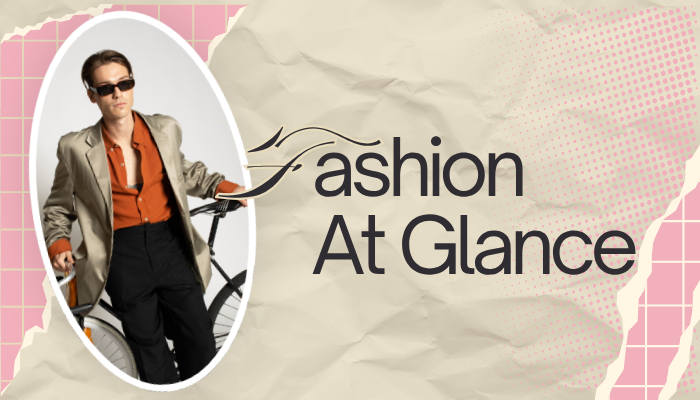
While fashion style and fashion aesthetic influence the way you dress, they describe different aspects of your wardrobe. Your style reflects your long-term approach to dressing, while an aesthetic describes the visual identity your outfits create.
The table below highlights the key differences at a glance before we explore each one in more detail.
| Fashion Style | Fashion Aesthetic |
| Your overall way of dressing | A recognizable visual theme or identity |
| Develops through your lifestyle, preferences, and experiences | Inspired by specific moods, cultures, eras, or fashion movements |
| Personal and unique to you | Shared by many people with similar visual preferences |
| Evolves gradually over time | Can change with seasons, occasions, or interests |
| Influences what you buy and wear regularly | Influences how you style and present those clothes |
| Usually combines influences from multiple aesthetics | Focuses on creating one consistent visual look |
In simple terms: your personal style is the foundation of your wardrobe, while fashion aesthetics provide different ways to express that foundation. Someone with a classic personal style, for example, might feel equally drawn to the Old Money, Quiet Luxury, or Parisian Chic aesthetic without changing the core of how they naturally like to dress.
The 7 Real Differences Between Fashion Style and Fashion Aesthetic
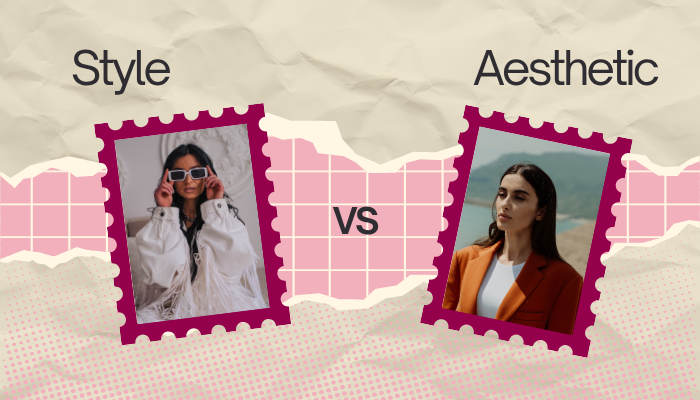
It’s easy to see why fashion style and fashion aesthetic are often confused. Both influence the way you dress, both shape your wardrobe, and both help create the impression your outfits leave on others. In everyday conversations, the terms are even used interchangeably.
The difference lies in what they actually describe.
Your fashion style reflects your long-term approach to dressing—it’s shaped by your lifestyle, preferences, and the choices you make over time.
A fashion aesthetic, on the other hand, describes the visual identity your outfits create. It focuses on how your clothing looks and the mood or theme it communicates.
Rather than thinking of them as competing ideas, it’s more helpful to see them as two parts of the same picture. Your personal style provides the foundation, while fashion aesthetics offer different ways to express that style.
The comparisons below explore the key differences side by side. Together, they explain why two people can share the same aesthetic yet have completely different personal styles—and why understanding both can help you build a wardrobe that feels more authentic.
1. Personal Identity vs Visual Expression
Your fashion style is an expression of your identity. It develops gradually through your lifestyle, personal preferences, body shape, comfort level, and the clothes you naturally enjoy wearing. Over time, it becomes your own signature way of dressing.
A fashion aesthetic is different. It’s the visual identity your outfit creates through its colours, silhouettes, fabrics, accessories, and styling choices.
Aesthetics have recognizable names—such as Old Money, Streetwear, Quiet Luxury, or Cottagecore—because they’re shared visual languages that anyone can draw inspiration from.
This is why two people can embrace the same aesthetic without dressing exactly alike. Consider the Old Money aesthetic. One person may wear tailored blazers and loafers because they work in a professional office, while another prefers knitwear and chinos for a more relaxed lifestyle. Their outfits communicate a similar aesthetic, but their personal styles reflect different lives and different priorities.
A simple way to remember the difference is this:
- Fashion style answers: “What feels authentic to me?”
- Fashion aesthetic answers: “What impression do I want my outfit to create?”
Once you understand that distinction, it becomes much easier to use aesthetics as inspiration without feeling like you have to fit into a single style label. Your personal style remains your own, while aesthetics simply give you different ways to express it.
2. Lifestyle vs Inspiration
One of the clearest differences between fashion style and fashion aesthetic is what shapes them in the first place.
Your fashion style develops from the life you actually live. The clothes you wear every day are influenced by practical factors such as your work, climate, daily routine, comfort preferences, and the occasions you dress for most often. Over time, these choices become your natural way of dressing because they suit both your needs and your personality.
A fashion aesthetic, however, is usually inspired by a particular visual idea. It may draw influence from fashion history, art, music, architecture, pop culture, social media, or a specific lifestyle. Aesthetics like Old Money, Dark Academia, or Y2K are built around a recognizable mood rather than the realities of an individual’s daily life.
This is why an aesthetic can feel inspiring without always being practical.
For example, you might admire the layered tweed jackets and vintage knitwear associated with Dark Academia, but if you live in a warm climate or spend most of your week in casual settings, those outfits may not fit naturally into your everyday wardrobe. Likewise, someone may love the relaxed simplicity of Scandinavian fashion but still need more tailored pieces for a corporate workplace.
The key is to let your lifestyle shape your style, then borrow inspiration from aesthetics that complement it. When you work in that order, your wardrobe feels both authentic and practical instead of looking like a costume copied from a mood board.
Think of it this way: Your lifestyle determines what your wardrobe needs, while fashion aesthetics influence how those needs are expressed.
3. Unique vs Shared
Every person has a personal style, but no two personal styles are exactly alike.
Even if two people own similar clothes, they’ll wear them differently. The pieces they gravitate towards, the way they combine outfits, and the role their wardrobe plays in their daily lives are shaped by individual experiences, preferences, and habits. That’s what makes personal style unique.
A fashion aesthetic works differently. It’s a shared visual identity that anyone can adopt or draw inspiration from. Thousands of people around the world can embrace the Old Money, Minimalist, or Streetwear aesthetic because each one is defined by a recognizable combination of colors, silhouettes, fabrics, and styling choices.
This is why fashion aesthetics are often easier to recognize than personal style. You can usually identify an aesthetic at a glance because it follows familiar visual patterns.
Personal style, however, is much more individual. It’s revealed over time through the consistent choices someone makes rather than a single outfit.
Think about two people who both enjoy the Minimalist aesthetic. One may build a wardrobe around monochrome tailoring for a professional setting, while another prefers relaxed knitwear, denim, and clean sneakers for everyday wear. They share the same aesthetic influences, but their personal styles remain distinct because they reflect different lifestyles and preferences.
Rather than trying to fit yourself into a single aesthetic, focus on developing a personal style that feels authentic. As your style evolves, you’ll naturally discover which aesthetics complement it and which ones don’t.
A simple way to remember it: Your personal style belongs only to you. A fashion aesthetic is a shared visual language that helps you express it.
4. Long-Term vs Flexible
Your fashion style tends to develop gradually. It evolves as your lifestyle, priorities, and experiences change, which is why most people don’t completely reinvent the way they dress overnight. Instead, their style becomes more refined over time as they discover what works for them and what doesn’t.
A fashion aesthetic is generally more flexible. You might be drawn to different aesthetics at different stages of your life or even for different occasions.
An aesthetic can change with the season, your interests, your environment, or simply the mood you want your outfit to create on a particular day.
For example, someone with a classic personal style might wear outfits inspired by the Old Money aesthetic for work, embrace the relaxed simplicity of Scandinavian fashion on weekends, and incorporate elements of Quiet Luxury for special occasions. Their personal style remains consistent, but the aesthetic they lean into changes with the context.
This flexibility is one of the reasons fashion aesthetics are so useful. They allow you to experiment with new ideas without feeling like you need to change your identity or replace your entire wardrobe. You can introduce different colours, silhouettes, or styling details while staying true to the style that already feels authentic.
Rather than asking yourself, “Have I changed my style?”, it can be more helpful to ask, “Am I exploring a different aesthetic?” In many cases, your personal style remains the same—you’ve simply found another way to express it.
Key takeaway: Personal style evolves over time, while fashion aesthetics give you the flexibility to adapt your look without changing the foundation of your wardrobe.
5. Decision-Making vs Styling
One practical way to understand the difference between fashion style and fashion aesthetic is to look at the role each one plays when you’re getting dressed or shopping for new clothes.
Your fashion style guides the decisions you make. It helps you decide whether a piece of clothing belongs in your wardrobe in the first place. Questions like “Will I actually wear this?”, “Does it suit my lifestyle?”, or “Can I style it with the clothes I already own?” are all shaped by your personal style.
A fashion aesthetic comes into play after those decisions have been made. It influences how you combine those pieces to create a particular look or mood. The same white shirt and tailored trousers, for example, can feel completely different depending on how they’re styled.
Pair them with loafers, a structured blazer, and a leather belt, and the outfit leans towards the Old Money aesthetic. Swap the blazer for an oversized coat and minimalist sneakers, and the same foundation begins to feel more Scandinavian or Minimalist.
This distinction also explains why buying clothes simply because they match a particular aesthetic doesn’t always improve your wardrobe. If those pieces don’t suit your lifestyle or work with what you already own, they’ll often remain unworn, no matter how well they fit a trend or aesthetic.
A stronger approach is to let your personal style guide what you buy, then use fashion aesthetics to influence how you wear it. That way, every new piece strengthens your wardrobe while still giving you the freedom to experiment with different looks.
Key takeaway: Your personal style helps you choose the right clothes. A fashion aesthetic helps you style those clothes in different ways.
Read Also: – Capsule Wardrobe vs Minimalist Wardrobe: Key Differences
6. One Personal Style Can Include Multiple Aesthetics
One of the biggest misconceptions about fashion is that you have to choose a single aesthetic and stick with it. In reality, most well-developed wardrobes don’t work that way.
Your personal style is broad enough to draw inspiration from multiple aesthetics without feeling inconsistent. Because it’s rooted in your lifestyle and preferences, it provides a stable foundation that different aesthetics can build upon.
Take someone with a classic personal style as an example. Their wardrobe might include tailored trousers, quality knitwear, crisp shirts, and timeless outerwear.
Depending on how those pieces are styled, they could create outfits inspired by the Old Money, Quiet Luxury, or Parisian Chic aesthetic. The visual identity changes, but the underlying style remains recognisably their own.
The same is true for someone with a relaxed personal style. On some days they may lean towards the clean simplicity of Scandinavian fashion, while on others they might borrow elements from the Minimalist or Clean Girl aesthetic. Each outfit looks slightly different, yet the wardrobe still feels cohesive because it reflects the same personal style.
This flexibility is one of the advantages of understanding fashion aesthetics. Instead of treating them as labels you must commit to, you can see them as sources of inspiration that add variety without pulling your wardrobe in different directions.
| If Your Personal Style Is… | You Might Enjoy These Aesthetics |
| Classic | Old Money, Quiet Luxury, Parisian Chic |
| Relaxed | Scandinavian, Minimalist, Clean Girl |
| Creative | Bohemian, Streetwear, Y2K |
| Romantic | Coquette, Cottagecore |
| Sophisticated | Quiet Luxury, Old Money, Minimalist |
Rather than asking, “Which aesthetic am I?”, a more useful question is:
“Which aesthetics naturally complement the personal style I’ve already developed?”
That small shift in perspective often leads to a wardrobe that feels more versatile, authentic, and easier to maintain.
7. Why Understanding the Difference Matters
At first glance, the distinction between fashion style and fashion aesthetic might seem like a matter of terminology. In practice, however, understanding the difference can change the way you approach your wardrobe.
When people confuse the two, they often start by chasing an aesthetic. They buy clothes that fit a particular look, hoping they’ll finally discover their style. While those pieces may look great individually, they don’t always work together or suit the person’s lifestyle. The result is often a wardrobe that feels inconsistent despite having plenty of clothes.
A more effective approach is to work in the opposite direction.
Start by understanding your personal style—how you live, what you enjoy wearing, and the outfits that make you feel comfortable and confident. Once that foundation is clear, you can explore different aesthetics that naturally complement it. Instead of copying an entire look, you borrow the elements that genuinely fit your wardrobe.
For example, someone with a relaxed personal style doesn’t need to adopt every characteristic of the Scandinavian aesthetic to appreciate its clean layering and neutral colour palette. Likewise, someone with a classic style can incorporate elements of the Old Money or Quiet Luxury aesthetic without feeling restricted to a single way of dressing.
This approach also makes shopping more intentional. Rather than asking, “Does this fit the aesthetic I’m trying to copy?”, you begin asking, “Does this fit my style, and can it help me express it in a new way?” That small shift often leads to better purchases, more cohesive outfits, and a wardrobe that continues to evolve without losing its identity.
Ultimately, your personal style is what makes your wardrobe feel like your own. Fashion aesthetics simply provide different ways to express it.
Key takeaway: Build your wardrobe around your personal style, then use fashion aesthetics as inspiration—not as rules you have to follow.
Read Also: The Most Popular Fashion Aesthetics Explained
Frequently Asked Questions
Is fashion style the same as fashion aesthetic?
No. A fashion style is your overall way of dressing, shaped by your lifestyle, preferences, and the clothes you consistently enjoy wearing.
A fashion aesthetic is a recognizable visual identity or theme—such as Old Money, Minimalist, or Streetwear—that influences how your outfits look. Your personal style is unique to you, while fashion aesthetics are shared sources of inspiration.
Can I have more than one fashion aesthetic?
Yes. Most people naturally draw inspiration from more than one aesthetic. For example, someone with a classic personal style might enjoy both the Old Money and Quiet Luxury aesthetics, while someone with a relaxed style may combine elements of Scandinavian and Minimalist fashion. Mixing aesthetics is common as long as your wardrobe still reflects your personal style.
Should I find my personal style before choosing a fashion aesthetic?
In most cases, yes. Understanding your lifestyle, preferences, and the clothes you genuinely enjoy wearing provides a stronger foundation for your wardrobe. Once you have that clarity, it’s easier to explore fashion aesthetics that naturally complement your personal style rather than trying to copy someone else’s look.
Is Old Money a fashion style or a fashion aesthetic?
Old Money is generally considered a fashion aesthetic. It describes a recognizable visual identity built around timeless tailoring, understated elegance, and classic wardrobe pieces. Someone may admire the Old Money aesthetic while still having a personal style that’s shaped by their own lifestyle and preferences.
Can my fashion style and fashion aesthetic change over time?
Yes, but they often change at different speeds. Personal style usually evolves gradually as your lifestyle, priorities, and experiences change. Fashion aesthetics are more flexible, allowing you to experiment with different looks, colours, or styling approaches without completely changing your wardrobe.
What’s the difference between a fashion trend and a fashion aesthetic?
A fashion trend is a short-term style that becomes popular for a season or a few years. A fashion aesthetic is much broader and more enduring. Rather than focusing on a single item or trend, an aesthetic represents a complete visual identity built through colours, silhouettes, fabrics, and styling choices.
Tags:

Team NineE AI
Team NineE AI is the collective voice behind NineE AI's editorial desk, bringing together writers, r...
Read More
Get Latest Fashion Insights, Before Everyone Else.