Updated on Oct 4, 2026
Uniqlo: Rise From Everyday Basics to Global Fashion
Brand StoriesChirag Pariyani13 Mins reading time
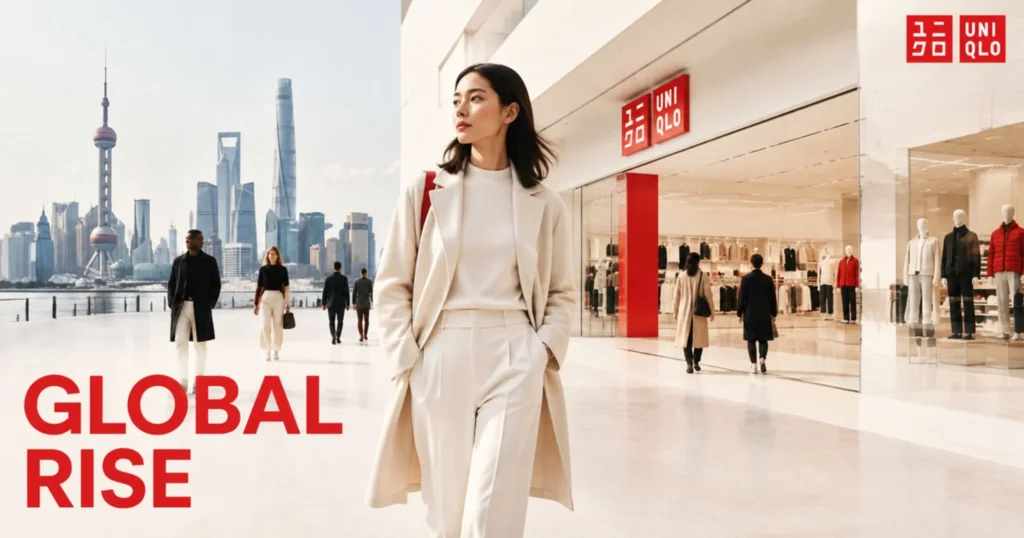
Uniqlo started as a single casual-wear store in Hiroshima, built on a pretty unglamorous idea honestly, sell well-made basics at warehouse prices and skip the trend chasing entirely. Four decades later, that same thinking sits behind more than 3,700 stores spread across dozens of countries. Here’s how a plain T-shirt business turned into one of the biggest fashion companies of the world.
TL;DR – How Uniqlo Turned Basics Into Global Fashion
- The company traces back to 1949, when Hitoshi Yanai opened a small menswear shop called Ogori Shoji in Ube, Japan.
- His son, Tadashi Yanai, took over in 1984 and opened Unique Clothing Warehouse in Hiroshima that same year, the store that became Uniqlo.
- The name itself came from a happy accident. A 1988 trademark registration in Hong Kong misspelled “Uni-Clo” as “Uniqlo,” and the company just kept it.
- HeatTech launched in 2003 after years of work with Toray Industries, and it’s since sold more than 1.5 billion units worldwide.
- International expansion kicked off in London in 2001, stumbled hard early on, then found real footing after the 2006 SoHo flagship opened in New York.
- Today the parent company, Fast Retailing, runs Uniqlo in more than 25 countries and pulls in trillions of yen a year.
The Origins of Uniqlo in Japan
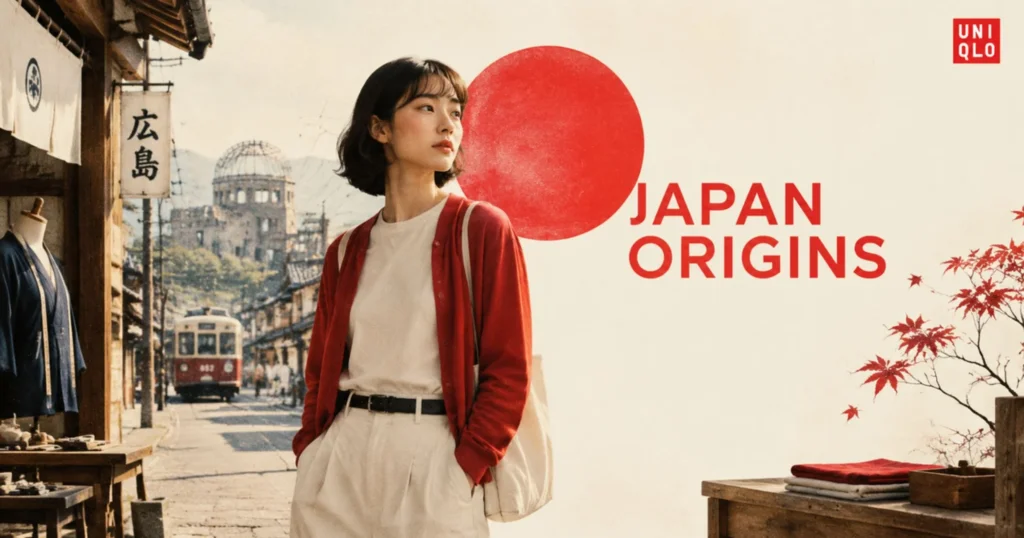
Big brands rarely look like big brands at the start. This one began as a modest tailoring shop that had nothing to do with casual fashion.
How Uniqlo Started as a Small Japanese Clothing Business
Back in March 1949, Hitoshi Yanai opened Men’s Shop Ogori Shoji in Ube, a small city in Yamaguchi Prefecture. It sold men’s tailoring, suits and dress shirts mostly, the kind of business that just passes quietly from father to son. For decades it stayed exactly that, a small regional chain of roughly 22 stores, well known locally, but with zero bigger ambitions attached to it.
How Tadashi Yanai Helped Shape the Uniqlo Brand
Everything shifted in 1972, when Hitoshi’s son Tadashi joined the family business after finishing university. He took over as president in 1984, and almost right away opened something totally different from his father’s tailoring shops, a casual clothing store in Hiroshima called Unique Clothing Warehouse. Yanai had traveled through Europe and the US, noticed chains like Gap and Benetton selling wardrobe basics at real scale, something Japan’s market barely had at the time. He spotted the gap and just went for it.
How Uniqlo Developed Its Japanese Fashion Identity
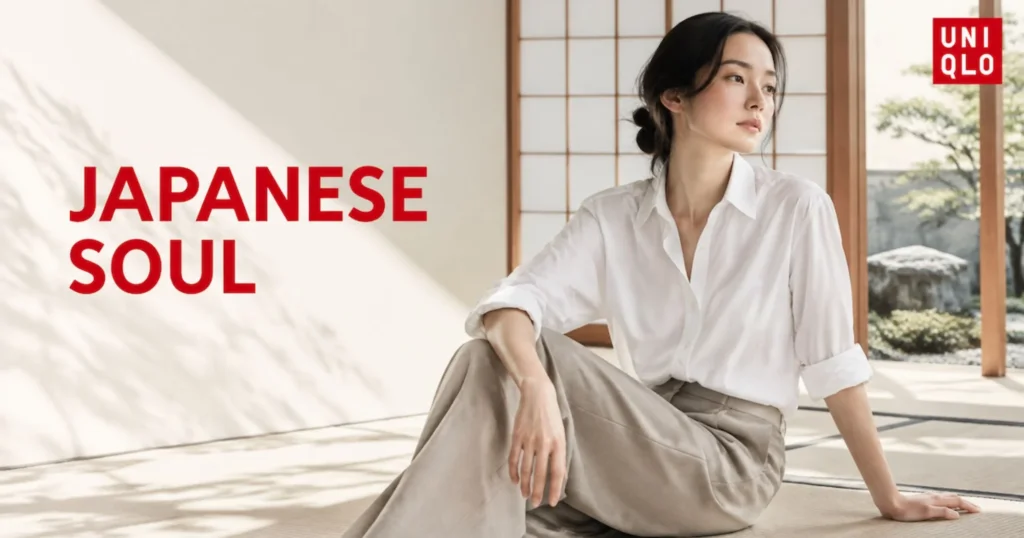
A good idea still needs a design philosophy behind it. Yanai built his around restraint rather than flash.
Combining Japanese Design With Everyday Clothing
Instead of chasing seasonal trends the way most fashion retailers did, this new venture leaned into something closer to Japanese craft traditions, understated design, careful sustainable fabric choices, and a quiet confidence that clothes didn’t actually need logos or loud branding to feel worth buying.
Why Simplicity Became Central to Uniqlo Fashion
That restraint became the whole point, really. Plain colors, clean cuts, dependable quality, all of it let the clothing slot into pretty much any wardrobe, a deliberate contrast to flashier competitors riding one trend cycle after another without much staying power.
How Uniqlo Built Its LifeWear Concept
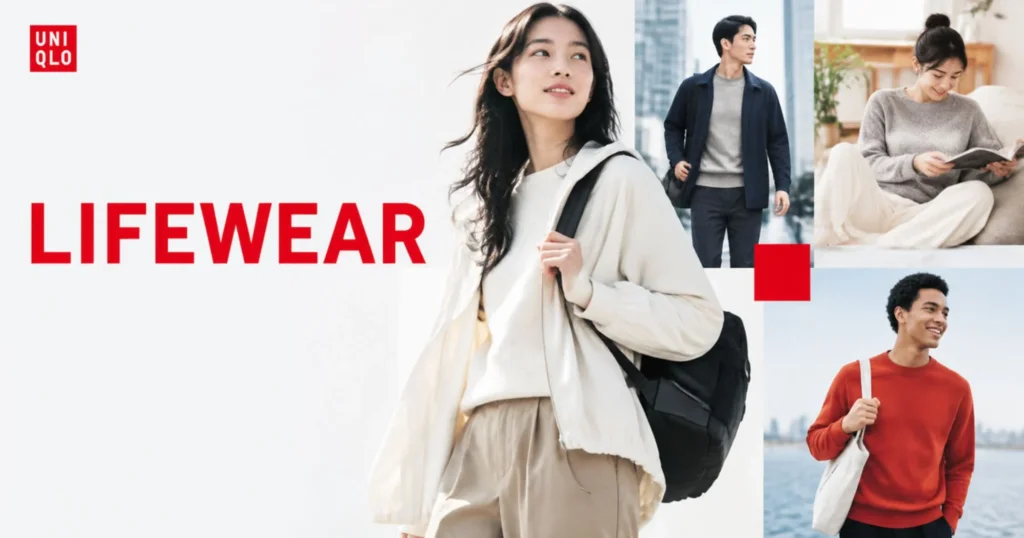
Eventually “basics done well” needed an actual name attached to it. That name became LifeWear, and it’s stuck around ever since.
What Uniqlo LifeWear Means
The company describes LifeWear as clothing built for everyday life rather than runway attention, functional, well-made, designed to get better year over year based on what customers actually report back. It’s less a marketing slogan at this point and more a working philosophy guiding product decisions across the whole catalog.
Turning Wardrobe Essentials Into Modern Basics
Under that banner, ordinary wardrobe essentials, T-shirts, sweaters, jackets, started getting treated with the same seriousness other brands usually reserve for statement pieces. The goal was never to look exciting on a hanger. It was to actually work well once someone put it on.
How Uniqlo Made Everyday Basics Its Core Product Strategy
Once the philosophy existed, the product range had to actually prove it could deliver on that promise.
Uniqlo T-Shirts, Sweaters, and Everyday Staples
Core categories, tees, sweaters, cardigans, built the whole foundation of the business, each piece designed to be worn constantly rather than saved for some special occasion.
The UNIQLO Harajuku store in Tokyo became an important showcase for the brand’s growing identity. Fleece jackets became an early breakout hit too, with a 1998 campaign reportedly selling two million units in a single year alone.
Building a Wardrobe Around Simple and Functional Clothing
Because the catalog stayed focused on pieces people genuinely needed, repeat purchases became the norm here rather than the exception, a pretty different business model from retailers chasing one-off trend purchases season after season.
How Uniqlo Used Fabric Innovation to Stand Out
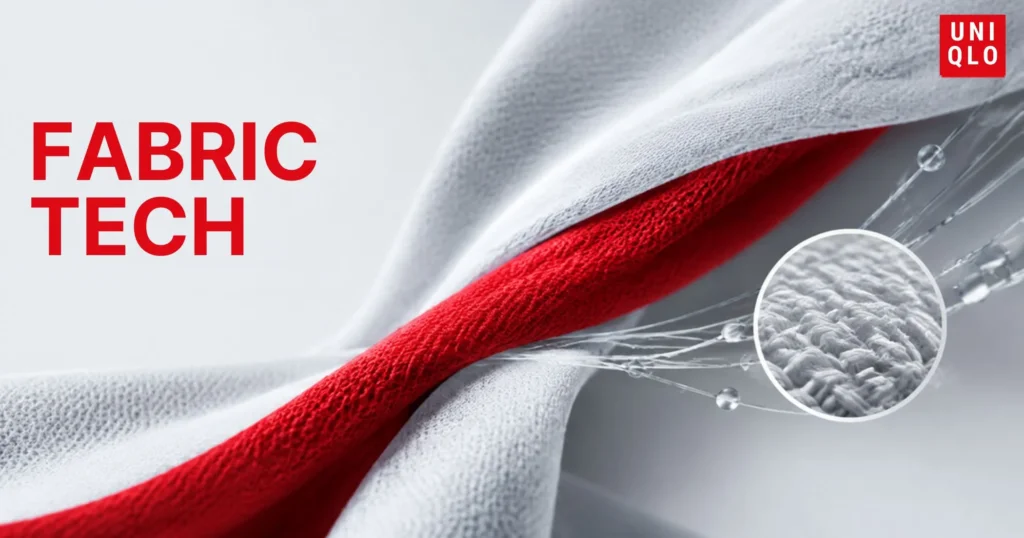
Basics alone don’t really justify going global. Technical fabric did a lot of that heavy lifting.
How Uniqlo HeatTech Changed Winter Clothing
In 2003, after years of research with Japanese chemical company Toray Industries and reportedly more than 10,000 prototypes tested, the company launched HeatTech, a thin fabric that converts body moisture into heat. Became a genuine phenomenon fast, selling 1.5 million units in its first year and climbing past 1.5 billion units sold total by 2024.
Developing Functional Fabrics for Everyday Wear
HeatTech was followed by AIRism, a moisture-wicking, quick-drying fabric built for warmer weather, then later innovations like Ultra Light Down. Each one followed roughly the same pattern, solving one specific, everyday discomfort through genuine material science rather than seasonal styling tips.
How Uniqlo Expanded From Japan Into Global Markets
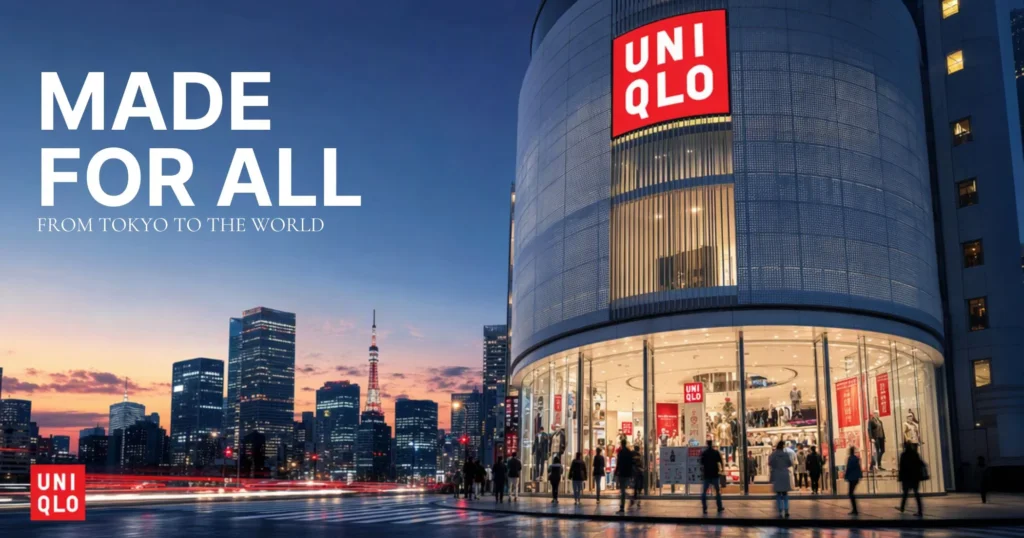
A strong lineup still needed to prove itself outside Japan eventually.
Entering International Markets Across Asia, Europe, and Beyond
The first overseas store of Uniqlo opened in London, September 2001, and honestly, early results were rough. By 2006, only eight of the original 21 UK stores were still open, and an early push into New Jersey stumbled too. Shanghai followed in 2002 with steadier results though, giving the company a real foothold in a market that would later become one of its biggest.
How Uniqlo Built a Global Fashion Brand
The real turning point came November 2006, with a large flagship store in SoHo, Manhattan. Instead of spreading thin across a bunch of markets at once, the company shifted toward fewer, bigger flagship locations in major cities, New York, Paris, Shanghai, letting the brand make one strong impression rather than a scattered one. The result was a growing network of UNIQLO stores around the world, each adapting to its local setting while keeping the brand’s identity intact. That approach eventually carried it into India, Australia, and dozens of other markets over the following two decades.
How Uniqlo Adapted Its Basics for Different Customers
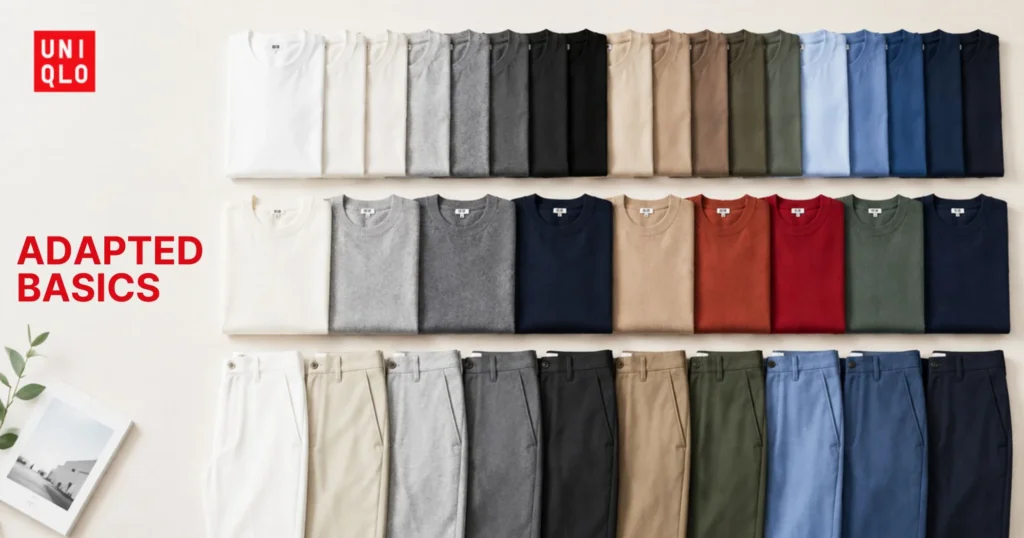
A single catalog can’t really serve everybody or every climate equally well. The range grew to reflect that over time.
Uniqlo Women’s and Men’s Everyday Clothing
Men’s Uniqlo and women’s Uniqlo developed side by side, each applying the same LifeWear principles, simplicity, function, consistent quality, to different fits and silhouettes rather than treating one gender’s wardrobe as some afterthought.
Uniqlo Jackets, Pants, Jeans, and Seasonal Pieces
Outerwear, trousers, denim, these rounded out a complete seasonal wardrobe, giving shoppers a reason to come back across the whole year instead of just during one particular season.
How Uniqlo Turned Basics Into Fashion Staples
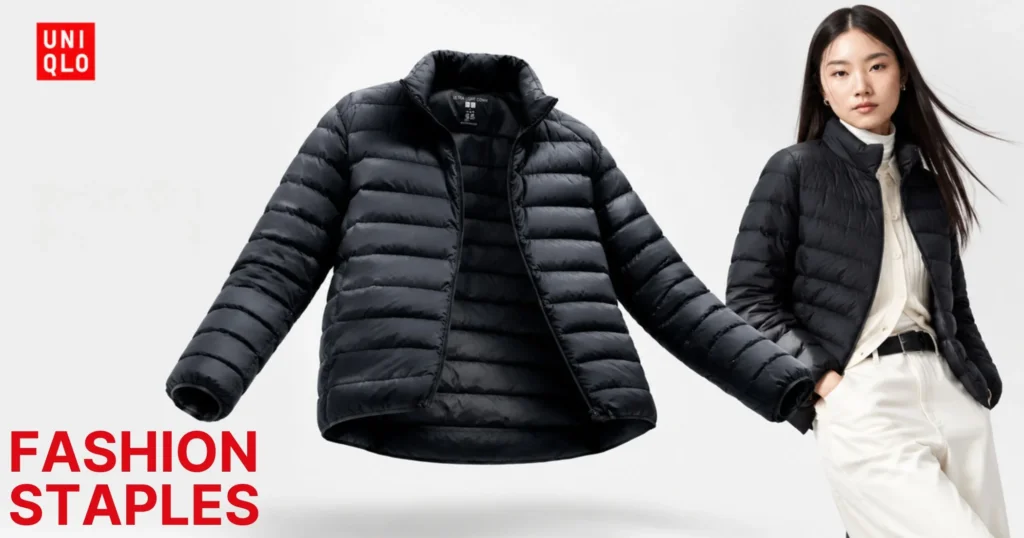
Somewhere along the way, “basic” stopped meaning boring. A handful of pieces genuinely turned into wardrobe icons.
The Uniqlo White T-Shirt and Everyday Wardrobes
A plain white T-shirt sounds like the least interesting thing any brand could sell, yet it became one of the company’s most consistently recommended pieces, proof honestly that fit and fabric quality matter more than branding for something everyone already owns five of anyway.
Uniqlo Puffer Jackets, Hoodies, and Linen Shirts
Ultra Light Down puffer jackets, simple hoodies, linen shirts, all of it extended that same reliability across different seasons and climates, giving the brand year-round relevance instead of some narrow winter or summer specialty.
How Uniqlo Became Part of Minimalist Fashion
As minimalism grew into its own broader style movement, the idea of a minimalist wardrobe, built around simplicity, practicality, and fewer unnecessary pieces, started gaining relevance. Uniqlo’s catalog fit that approach almost perfectly, like it had been waiting for it..
Uniqlo and the Growth of the Capsule Wardrobe
Shoppers building a capsule wardrobe, a small, versatile set of pieces that mix and match easily, found an obvious match here, since nearly every item was designed from the start to pair with everything else already in the lineup.
How Modern Basics Shaped Everyday Fashion
That influence spread well past the brand’s own customers too, nudging broader fashion conversations toward valuing well-made basics over constant trend turnover, a shift plenty of competitors eventually ended up following anyway.
How Uniqlo Expanded Its Lifestyle Product Range
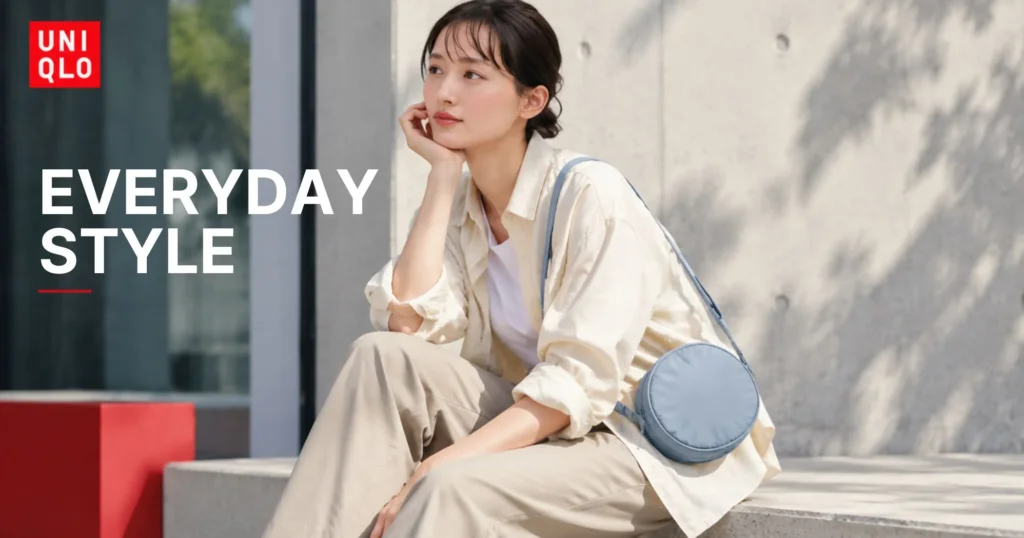
Clothing alone eventually gave way to a wider set of everyday accessories.
Uniqlo Bags, Scarves, and Everyday Accessories
Bags and scarves extended the same design principles into fashion accessories, simple shapes, practical materials, prices that didn’t need a special occasion to justify buying one.
The Uniqlo Round Mini Shoulder Bag and Lifestyle Fashion
Specific pieces like the round mini shoulder bag & many other Uniqlo bags became genuine style favorites on their own, often spotted carried by shoppers who’d never otherwise call themselves fashion-focused people, which is kind of the whole brand’s trick in miniature, honestly.
How Uniqlo Approaches Pricing and Everyday Affordability
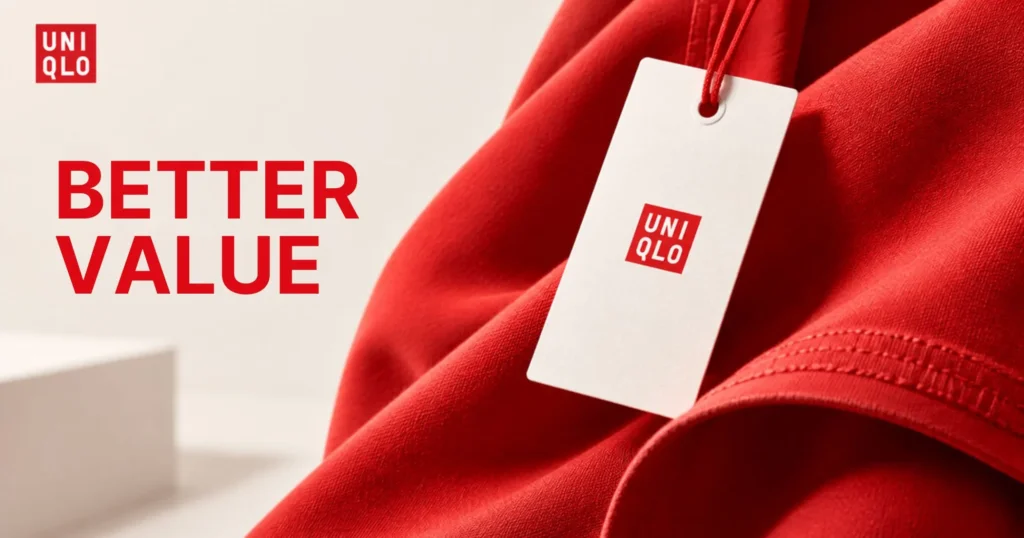
Part of what kept the brand sticky for so long has nothing to do with design at all. It’s simply the price.
Keeping Quality Basics Within Reach
Because the company controls design, manufacturing, and retail all under one roof, a model sometimes called SPA, specialty store retailer of private label apparel, it can keep prices lower than competitors who outsource each step separately. That structure let Uniqlo sell genuinely improved fabrics like HeatTech without pushing prices into premium territory.
Why Affordability Didn’t Mean Cutting Corners
Rather than competing purely on low prices, the company leaned on scale and efficiency to protect quality while still staying accessible, a balancing act that’s arguably harder to pull off than either extreme on its own.
The Bottom Line: How Uniqlo Built a Global Fashion Brand
What started as a family tailoring shop in a small Japanese city eventually became a global name built almost entirely on things that sound kind of boring in isolation, plain T-shirts, warm underlayers, a slightly misspelled trademark filing. None of it happened through flash or trend-chasing, really. It happened through steady, repeated attention to sustainable wardrobe essentials most other brands treated as an afterthought, plus a willingness to keep improving the same few categories year after year instead of reinventing the whole catalog every season.
FAQs
When was Uniqlo founded?
The company traces back to 1949 as a menswear shop, though the first Uniqlo-branded store opened in Hiroshima in June 1984.
Who owns Uniqlo?
Uniqlo is a subsidiary of Fast Retailing Co., Ltd., founded and still chaired by Tadashi Yanai.
Where did Uniqlo start?
It started in Japan, first as a tailoring shop in Ube, then as a casual clothing store in Hiroshima in 1984.
What does Uniqlo LifeWear mean?
LifeWear describes the brand’s core philosophy, simple, functional, continually improved everyday clothing designed around real customer needs rather than seasonal trends.
What is Uniqlo known for?
Affordable, well-made basics and technical fabrics like HeatTech and AIRism, alongside a minimalist design approach across its whole catalog.
Why is Uniqlo HeatTech popular?
It offers genuine warmth from a thin fabric, developed with Toray Industries since 2003 and improved nearly every year since launch.
Is Uniqlo a Japanese clothing brand?
Yes, headquartered in Japan and still led by its founding family, operating under parent company Fast Retailing.
Why are Uniqlo clothes popular worldwide?
Consistent quality, functional fabric innovation, and a simple design philosophy that works across different cultures and climates without needing major adjustment.
Does Uniqlo sell more than basic clothing?
Yes, the range now includes bags, scarves, and accessories, alongside the occasional designer collaboration that pushes past pure basics.
Where does Uniqlo operate globally?
In more than 25 countries, including major markets across Asia, Europe, North America, Australia, and India.
The company traces back to 1949 as a menswear shop, though the first Uniqlo-branded store opened in Hiroshima in June 1984.
Uniqlo is a subsidiary of Fast Retailing Co., Ltd., founded and still chaired by Tadashi Yanai.
It started in Japan, first as a tailoring shop in Ube, then as a casual clothing store in Hiroshima in 1984.
LifeWear describes the brand’s core philosophy, simple, functional, continually improved everyday clothing designed around real customer needs rather than seasonal trends.
Affordable, well-made basics and technical fabrics like HeatTech and AIRism, alongside a minimalist design approach across its whole catalog.
It offers genuine warmth from a thin fabric, developed with Toray Industries since 2003 and improved nearly every year since launch.
Yes, headquartered in Japan and still led by its founding family, operating under parent company Fast Retailing.
Consistent quality, functional fabric innovation, and a simple design philosophy that works across different cultures and climates without needing major adjustment.
Yes, the range now includes bags, scarves, and accessories, alongside the occasional designer collaboration that pushes past pure basics.
In more than 25 countries, including major markets across Asia, Europe, North America, Australia, and India.
Tags:

Chirag Pariyani
AI Engineer, NineE
Chirag is part of the engineering team at NineE, working on the technology that powers the product —...
Read More
Get Latest Fashion Insights, Before Everyone Else.