Updated on Aug 6, 2026
What Is Sustainable Fashion? 2026 Guide for Smart Shoppers
Fashion GuidesTeam NineE AI17 Mins reading time
Key Takeaways
- Sustainable fashion focuses on buying thoughtfully, wearing garments longer, and prioritizing quality, functionality, and timeless style over frequent trend-driven purchases.
- Understanding what is sustainable fashion helps consumers make informed clothing decisions that balance personal style, durability, and responsible consumption.
- The benefits of sustainable fashion include improved wardrobe longevity, better cost per wear, reduced clutter, easier outfit coordination, and greater long-term value.
- Practical sustainable fashion examples include building a capsule wardrobe, repairing garments, choosing versatile staples, shopping second-hand, and extending clothing life through proper care.
- Selecting quality sustainable fashion materials such as organic cotton, linen, hemp, and regenerated fibers improves comfort, durability, and everyday wearability.
- Evaluating sustainable fabrics based on construction, performance, and maintenance provides more meaningful insights than marketing claims alone.
- Understanding the carbon footprint of clothing encourages smarter purchasing habits centered on longevity rather than excessive consumption.
- Supporting ethical manufacturing promotes greater transparency, responsible sourcing, and improved working conditions throughout the apparel supply chain.
- Smarter purchasing decisions create wardrobes that deliver greater confidence, stronger versatility, and better Fashion ROI throughout every stage of ownership.
What Is Sustainable Fashion?
Sustainable fashion is an approach to purchasing, wearing, and caring for clothing that minimizes environmental impact and maximizes the garment quality, including longevity and ethical responsibility.
Instead of encouraging constant buying, it promotes thoughtful shopping and the maintenance of timeless wardrobe choices that deliver long-term value.
Whether you shop for workwear, casual outfits, or seasonal collections, sustainable choices help you make purchases with greater confidence while reducing unnecessary spending. This blog is all about how sustainable fashion is defining new fashion horizons in 2026. So, scroll through it all!
Why is Sustainable Fashion Becoming the Future of Clothing?
The clothing industry has undergone a dramatic transformation, as online shopping offers consumers endless choice across thousands of global apparel brands and product categories.
Having greater accessibility has made things more convenient, but it also means more impulse buys, more clutter in the wardrobe, more returns that don’t need to be made, and more clothing that is worn very little in real life.
Modern consumers are replacing fast fashion with a versatile wardrobe of quality craftsmanship. This has forced brands and shoppers to reconsider the way clothes are designed, bought, maintained, and eventually reused during a garment’s lifecycle.
Shoppers are now moving away from considering garments as disposable products, and are now valuing clothes that are more functional, comfortable, and stylish for a longer time.
In the industry, this is often referred to as a shift from fast consumption to intentional ownership and wardrobe longevity.
As awareness continues growing, consumers recognize that buying less but better garments often creates stronger financial value while supporting more responsible consumption habits.
Read Also – Sustainable Fashion Guide: Everything You Need to Know
What Does Sustainable Fashion Really Mean?
Many consumers think sustainability is only about protecting the environment, but it is much broader and applies to every stage of a garment’s journey. It starts before clothing hits online stores and continues long after customers have made their purchases.
The philosophy integrates environmental responsibility, product quality, customer satisfaction, and ethical production into a single, interconnected approach. Consumers not only ask if clothing looks fashionable, but also how products are designed, manufactured, transported, maintained, and eventually recycled.
This wider perspective turns shopping into a more informed decision-making process. There are several guiding principles for sustainable clothing in a professional context.
The Foundation of Sustainable Clothing
Successful sustainable clothing often focuses on:
- Long-lasting craftsmanship
- Durable construction
- Timeless silhouettes
- Responsible sourcing
- Practical functionality
- Quality tailoring
- Versatile wardrobe integration
- Lower environmental impact
These qualities encourage shoppers to build wardrobes around dependable basics rather than short-term purchasing habits.
Why Does Fashion Sustainability Matter Today?
Fashion is one of the world’s largest consumer industries, and the choices made by individual consumers are more influential than many shoppers realize.
Every purchase supports manufacturing demand, transportation needs, textile production, packaging, and product lifecycle management.
Consumers alone cannot change the industry, but the collective buying power of consumers armed with information helps to drive higher manufacturing standards and product quality.
Fashion sustainability is about making things that are worth having for years, not for a limited amount of time before they can be tossed. Consumers are increasingly evaluating clothing on practical terms. These include:
- Durability
- Comfort
- Versatility
- Maintenance
- Fit consistency
- Fabric performance
- Cost Per Wear
- Long-term satisfaction
This approach motivates shoppers to concentrate on quality, not quantity, without losing their own style. This philosophy is still supported by one important principle of the industry.
What Are the Core Principles of Responsible Fashion?
Responsible fashion is all about making conscious decisions before, during, and after every shopping trip. It underlines accountability throughout the fashion ecosystem and helps consumers understand the bigger impact of their wardrobe choices. There are a few principles that always underlie responsible fashion, such as
Conscious Consumption
Consumers are buying clothes with intent, not reacting emotionally to short-term sales or seasonal marketing pushes. So, every garment should fulfill a genuine wardrobe need.
Wardrobe Longevity
High-quality garments remain wearable longer through proper maintenance, repairability, and timeless styling, rather than frequent replacement.
Wardrobe longevity improves both financial value and everyday functionality.
Ethical Manufacturing
Ethical manufacturing promotes fair labor practices, safe working conditions, responsible production methods, and transparency in the supply chain at all stages of the garment-making process.
Consumers are increasingly interested in brands that are transparent with them on their manufacturing standards.
Circular Fashion
Circular fashion means extending the life of a garment through resale, repair, rental, donation, recycling, and responsible disposal rather than throwing it into a landfill.
This approach maximizes the usefulness of the product before the materials leave the fashion ecosystem.
Read Also – Ethical Fashion vs Sustainable Fashion
What Are the Benefits of Sustainable Fashion?
Many shoppers first become aware of sustainability through environmental discussions, but the personal benefits often become even more important in day-to-day life. Having a sustainable wardrobe has real benefits that make shopping and everyday dressing a lot easier. The benefits of sustainable fashion include
Better Long-Term Value
Better construction, tailoring, and craftsmanship generally give a quality garment staying power. Instead of affordable clothes over and over again, shoppers are now getting more value from fewer investment pieces.
Moreover, fashion professionals often judge purchases by cost per wear, not initial purchase price.
Easier Outfit Coordination
A carefully crafted wardrobe creates stronger outfit combinations as versatile garments naturally complement one another across different occasions.
When every collection supports possibilities of multiple styling, business casual, smart casual, and weekend looks become easier.
Reduced Wardrobe Clutter
Buying intentionally prevents closets from filling with garments that rarely receive meaningful use. Many consumers discover they wear only a small percentage of their wardrobes regularly.
Intentional shopping eliminates unnecessary duplication while improving organization.
Greater Shopping Confidence
Knowledge of clothing quality helps consumers to evaluate better product pages before making online purchases. Usually, better purchase decisions mean less disappointment and more long-term satisfaction.
Improved Personal Style
Rather than chasing every fashion cycle, consumers gradually develop a signature style that reflects personality instead of temporary trends.
As stylists also guide their clients, that style over trends creates wardrobes that will continue to look polished regardless of changing seasonal collections.
How Does the Carbon Footprint of Clothing Influence Shopping Decisions?
All clothing requires resources to make, ship, package, sell, wear, and discard. Understanding the carbon footprint of clothing helps shoppers see why the longevity of a product is as important as how it is made.
Generally, an article of clothing that you wear hundreds of times is a better bang for your buck than a few cheap ones that need frequent replacement.
So, consumers are now increasingly cutting out unnecessary environmental impact through practical shopping habits rather than dramatic lifestyle changes. Regarding this, these are some useful strategies:
- Purchasing versatile clothing
- Wearing garments longer
- Following care instructions
- Repairing damaged apparel
- Donating wearable clothing
- Recycling textiles responsibly
Small improvements consistently create meaningful long-term results.
What Are the Best Sustainable Fashion Examples for Everyday Life?
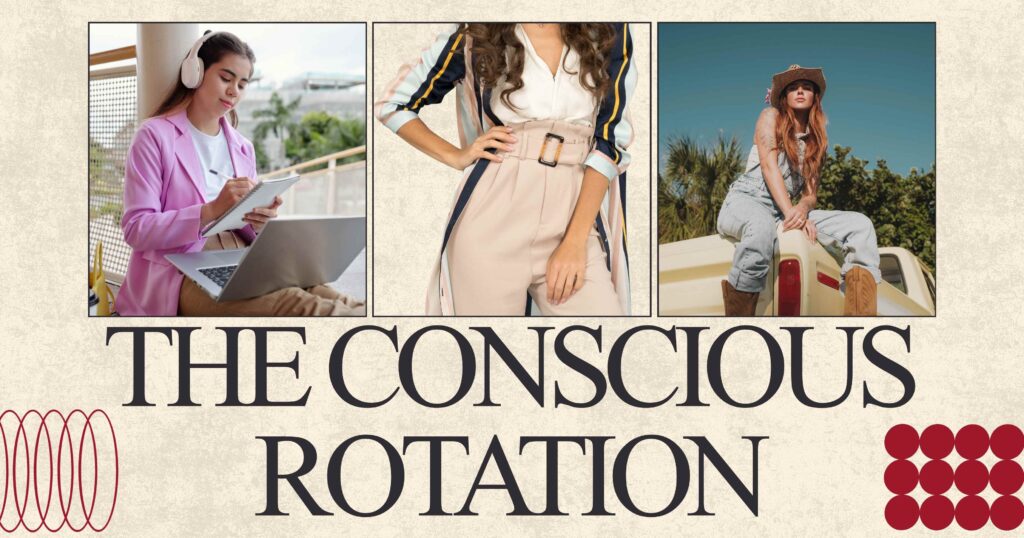
Many online shoppers believe that to be sustainable, you have to buy an entirely new wardrobe, but practical changes often start with simple decisions that come naturally to everyday routines.
The best examples of sustainable fashion demonstrate how considered choices can make our wardrobes more functional without sacrificing comfort, aesthetics, or personal expression.
Instead of aiming for perfection, experienced stylists recommend forming habits that slowly build your wardrobe over time.
Choose Timeless Investment Pieces
Classic apparel remains relevant regardless of seasonal trend forecasting because timeless silhouettes easily adapt to changing styles and occasions. Examples include:
- White Oxford shirts
- Tailored navy blazers
- Dark straight-leg denim
- Neutral knit sweaters
- Trench coats
- Leather loafers
- White sneakers
- Little black dresses
These garments support outfit rotation while increasing wardrobe versatility throughout the year.
Practice Mix and Match Styling
Creating multiple outfits from fewer garments represents one of the most effective ways to maximize wardrobe functionality. Professional stylists often encourage:
- Monochrome dressing
- Tonal dressing
- Smart layering
- Color blocking
- Texture play
- Balanced proportion
These techniques refresh familiar outfits while reducing the desire for unnecessary purchases.
Repair Before Replacing
Replacing clothing should be the option instead of your first response. Before disposing of them, you can try these to increase the life of your garments:
- Replacing buttons
- Repairing loose seams
- Fixing hems
- Conditioning leather footwear
- Refreshing knitwear
Small maintenance efforts extend garment longevity and preserve craftsmanship.
Shop Second-Hand or Vintage
Pre-owned clothing allows consumers to enjoy quality garments while extending product life and supporting circular fashion. Also, vintage apparel often features construction techniques and fabrics that remain highly durable compared with many mass-produced alternatives.
Read Also – How to Find Your Personal Fashion Aesthetic
Understanding Sustainable Fashion Materials
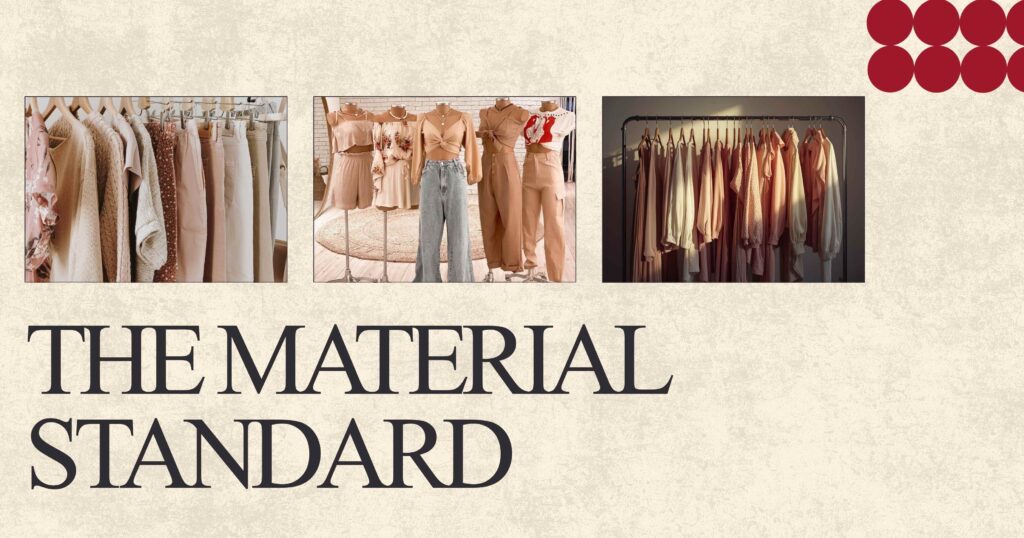
The choice of material has a significant impact on comfort, durability, maintenance needs, and performance over the years of normal wear. Consumers are increasingly judging clothing by fabric quality as the material directly affects the wearability, appearance, and longevity of a wardrobe.
Understanding the characteristics of sustainable fashion materials can assist shoppers in feeling more confident when comparing products before making purchasing decisions.
Organic Cotton
Organic cotton is one of the most recognized sustainable materials, as its responsible cultivation generally emphasizes improved farming practices and careful resource management. Its benefits include:
- Soft texture
- Excellent breathability
- Comfortable everyday wear
- Good moisture absorption
- Easy maintenance
Organic cotton performs exceptionally well in T-shirts, shirts, dresses, and elevated basics.
Linen
Linen remains a perennial favorite, offering durability, breathability, and timeless elegance. The natural texture pairs with casual and professional wardrobes. Linen is an especially good choice when the seasons change, as it’s always comfortable, no matter the temperature.
Hemp
Hemp makes very durable fibres for hard-wearing clothing. Modern manufacturing methods have made the fabric much softer while retaining the inherent strength of hemp. Hemp garments often become softer with repeated wear while maintaining structural integrity.
Regenerated Cellulosic Fibers
Innovative materials derived from responsibly managed wood sources continue to expand sustainable clothing options. These fabrics frequently provide:
- Soft hand feel
- Excellent drape
- Moisture management
- Comfortable wearability
- Contemporary appearance
They support both fashion aesthetics and everyday functionality.
Why Do Sustainable Fabrics Matter More Than You Think?
Understanding sustainable fabrics helps shoppers to evaluate products beyond appearance. Even the most attractive garment delivers limited value when poor-quality materials deteriorate quickly after repeated use. Hence, the fabric quality influences nearly every aspect of clothing performance throughout its lifecycle.
Better Durability
High-quality textiles generally maintain the following:
- Shape
- Color
- Structure
- Surface texture
- Comfort
- Overall appearance
Long-lasting fabrics improve fashion ROI by extending garment usefulness.
Improved Comfort
Comfort remains essential regardless of fashion trends. Premium fabrics often provide the following:
- Better airflow
- Moisture regulation
- Reduced irritation
- Improved flexibility
- Comfortable layering
Comfort encourages frequent wear while increasing the cost per wear value.
Easier Maintenance
Well-constructed fabrics often tolerate repeated washing more effectively while maintaining garment structure. Following care instructions further increases wardrobe longevity.
What Role Does Recycled Polyester Play in Modern Fashion?
Recycled polyester is one of the most ubiquitous examples in today’s apparel manufacturing. Instead of manufacturing brand-new synthetic fibers, producers spin yarns from salvaged materials that would otherwise be disposed of without yielding any benefits.
This process supports broader circular fashion initiatives while expanding material efficiency. Consumers should remember that recycled content represents only one part of garment sustainability. Hence, repairability and long-term wear remain equally important considerations.
How Does an Ethical Manufacturing Process Improve Clothing?
Ethical manufacturing entirely focuses on improving production practices while protecting workers throughout the manufacturing process. So, consumers expect transparency regarding where and how clothing reaches retail shelves. Responsible brands commonly emphasize these attributed:
- Fair labor practices
- Safe workplaces
- Transparent sourcing
- Worker well-being
- Manufacturing accountability
- Supply chain visibility
These principles strengthen consumer trust while encouraging continuous industry improvement.
How Can You Build a Sustainable Wardrobe Without Starting Over?
Experienced fashion consultants recommend gradual improvements that strengthen wardrobe functionality while respecting existing investments. It is one of the biggest misconceptions surrounding sustainability that it involves replacing every existing garment immediately. Hence, professionals advise to
Begin with a Wardrobe Audit
Review every clothing category before shopping again. For this, you should evaluate:
- Fit
- Condition
- Frequency of use
- Styling versatility
- Seasonal relevance
This process identifies genuine wardrobe gaps while preventing duplicate purchases.
Create a Capsule Wardrobe
A capsule wardrobe emphasizes carefully selected essentials capable of supporting numerous outfit combinations. Core wardrobe staples include:
- Neutral shirts
- Tailored trousers
- Denim
- Knitwear
- Structured outerwear
- Comfortable footwear
Every addition should complement existing garments rather than compete with them.
Follow an Outfit Formula
Professional stylists simplify dressing through repeatable outfit formulas. Examples include:
Business Casual
- Oxford shirt
- Tailored trousers
- Loafers
- Blazer
Weekend Casual
- Premium T-shirt
- Straight-leg denim
- Overshirt
- White sneakers
Smart Casual
- Polo shirt
- Chinos
- Lightweight jacket
Repeatable combinations reduce decision fatigue while maximizing wardrobe versatility.
How Can Smarter Shopping Improve Fashion ROI?
Successful shopping begins long before adding products to an online cart. Today’s consumers evaluate clothing using research rather than impulse. Before purchasing apparel, compare:
- Product category information
- Product detail pages
- Fabric composition
- Customer reviews
- Size charts
- Care instructions
- Return policies
- Styling suggestions
This research-first approach improves buying confidence while reducing unnecessary returns. Professional shoppers always ask these basic, practical questions before purchasing.
- Will I wear this at least thirty times?
- Can it coordinate with five existing garments?
- Does it reflect my Style DNA?
- Will I enjoy wearing it next year?
- Does it improve my wardrobe instead of expanding clutter?
These questions encourage thoughtful purchasing while strengthening long-term wardrobe planning.
Common Myths About Sustainable Fashion
Don’t hear what they say in the shop or on the streets. As an aware consumer, you must separate facts from myths to help you make more confident decisions & align with your budget and suit your lifestyle.
Myth 1: Sustainable Clothing Is Always Expensive
Better quality garments can be more expensive at first, but they are often better value over time as they stand the test of time and look better. Cost Per Wear (CPW) is a good indicator that high-quality clothing is a better buy in the long run.
Myth 2: Sustainable Style Means Giving Up Fashion
Sustainability stifles creativity, many believe, but today’s collections prove otherwise. Today’s brands provide sophisticated silhouettes, elevated staples, statement pieces, and trendsetting styles that combine fashion and function. We like to call it Fashion Meets Function when thoughtful design meets everyday wearability.
Myth 3: You Need to Throw Away Your Entire Closet
The most sustainable garment is often the one you already have. Buying all new stuff is not as good for wardrobe longevity as proper care, repair, and creative styling to extend the life of existing apparel.
Myth 4: Only Natural Fibers Are Sustainable
Natural fibers have much to give, but innovation has led to regenerated materials and responsibly produced synthetic options that also promote longevity of wear. The quality, durability, and construction of the material are just as important.
Myth 5: Sustainable Fashion Is Only for Eco-Conscious Consumers
Whatever people’s priorities, thoughtful shopping is good for all. Adhering to sustainable principles has practical, everyday advantages, from saving money and decluttering your wardrobe to elevating your style and investing in better quality clothing.
Practical Tips to Embrace Responsible Fashion
Adopting responsible shopping habits does not require any dramatic lifestyle changes. Small, consistent improvements made produce meaningful long-term results for your wardrobe and overall shopping experience.
Shop with Purpose
Know exactly what your wardrobe needs before you start browsing through product categories or product pages. Shopping with a definite purpose helps you avoid unnecessary purchases and improves your wardrobe planning.
Focus on Cost Per Wear
Instead of asking, “Is this affordable?” ask, “How many times will I realistically wear this?” A versatile garment worn repeatedly often provides significantly greater value than trend-driven clothing with limited use.
Read Product Detail Pages Carefully
Product detail pages provide valuable insights that influence purchasing decisions. Always look for information about:
- Fabric composition
- Construction details
- Care instructions
- Fit guidance
- Customer reviews
- Size recommendations
Reviewing these details supports smarter online shopping while minimizing avoidable returns.
Care for Clothing Properly
Simple maintenance habits significantly improve garment longevity.
- Wash only when necessary.
- Follow garment care labels.
- Air dry whenever practical.
- Store clothing appropriately.
- Repair small issues immediately.
Proper care protects craftsmanship while preserving clothing quality.
Refresh Instead of Replace
Instead of purchasing completely new outfits every season, refresh existing looks by introducing thoughtful accessories, layering pieces, or complementary wardrobe staples.
How Does Sustainable Fashion Help Different Types of Shoppers?
The principles of sustainability adapt naturally to different lifestyles because every shopper values quality and long-term satisfaction.
Corporate Professionals
For business travel, networking events, and the office alike, professionals should consider investing in versatile business-casual clothing that can easily transition from one to the other. Timeless tailoring, elevated basics & structured outerwear offer great versatility to your wardrobe.
College Students
Students have to balance changing tastes and limited funds. To get the most wear out of your campus wardrobe, buy long-lasting denim, multifunctional coats, shoes, and items suitable for layering and comfort.
Homemakers
Buying decisions are often determined by comfort, functionality, and versatility. Breathable fabrics, wrinkle-resistant clothes, practical dresses, and comfortable shoes make everyday routines easier without sacrificing a polished look.
Older Adults
Older consumers, meanwhile, often prefer classic silhouettes, comfortable tailoring, and durable fabrics. Wearability and ease of maintenance are key to investment pieces that build reliable wardrobes for changing lifestyles.
Whether you are a teenager or a retiree, a stay-at-home mom or a CEO, smart clothing choices will help you build a wardrobe that works for you.
Frequently Asked Questions
How can shoppers distinguish genuinely sustainable clothing from products using sustainability as a marketing claim?
Look beyond promotional messaging by reviewing product detail pages, fabric composition, construction quality, manufacturing transparency, customer reviews, and care instructions.
Brands that openly discuss sourcing, production methods, durability, and repairability generally provide greater confidence than those relying on broad sustainability statements without meaningful product information.
Why is cost per wear considered more valuable than the purchase price when evaluating clothing?
Cost Per Wear measures a garment’s long-term value by dividing its purchase price by the number of times it is worn. High-quality clothing that maintains durability, comfort, and appearance often costs less over time than inexpensive garments requiring frequent replacement.
Can sustainable shopping improve online purchasing decisions before reaching checkout?
Yes. Comparing product categories, reading customer reviews, evaluating fabric specifications, studying sizing information, and reviewing care instructions help shoppers make better-informed decisions.
This research-first approach increases buying confidence while reducing unnecessary returns and disappointing purchases.
How do sustainable materials influence the comfort and performance of everyday clothing?
Quality materials improve breathability, moisture management, durability, softness, and garment structure. Selecting appropriate fabrics for different climates, lifestyles, and activities ensures clothing remains comfortable, functional, and visually appealing throughout years of regular wear.
What is the most effective first step toward building a sustainable wardrobe?
Begin with a wardrobe audit before purchasing anything new. Identify frequently worn essentials, remove duplicate purchases, repair useful garments, and recognize genuine wardrobe gaps. This process creates a stronger foundation for intentional shopping while maximizing the value of clothing already owned.
Make Every Clothing Decision More Intentional
Sustainable fashion enables consumers to build wardrobes that deliver quality, versatility, and long-term value without compromising style. Understanding sustainable fashion, knowing the benefits of sustainable fashion, and choosing conscientious sustainable fashion materials allow for more confident buying choices and help in maintaining longer wardrobe longevity.
Before every purchase, informed research makes a meaningful difference. This is where Ninee.ai becomes a valuable shopping companion. It supports consumers during the pre-purchase stage, when they are still exploring products and comparing alternatives.
So, if you are ready to build a smarter wardrobe and make every shopping decision count, explore more fashion insights with Ninee.ai and discover products that match your style, preferences, and everyday needs before you buy.
Tags:

Team NineE AI
Team NineE AI is the collective voice behind NineE AI's editorial desk, bringing together writers, r...
Read More
Get Latest Fashion Insights, Before Everyone Else.