Updated on Jul 29, 2026
How to Choose Colors for a Capsule Wardrobe
Fashion GuidesAakash Jethwani22 Mins reading time
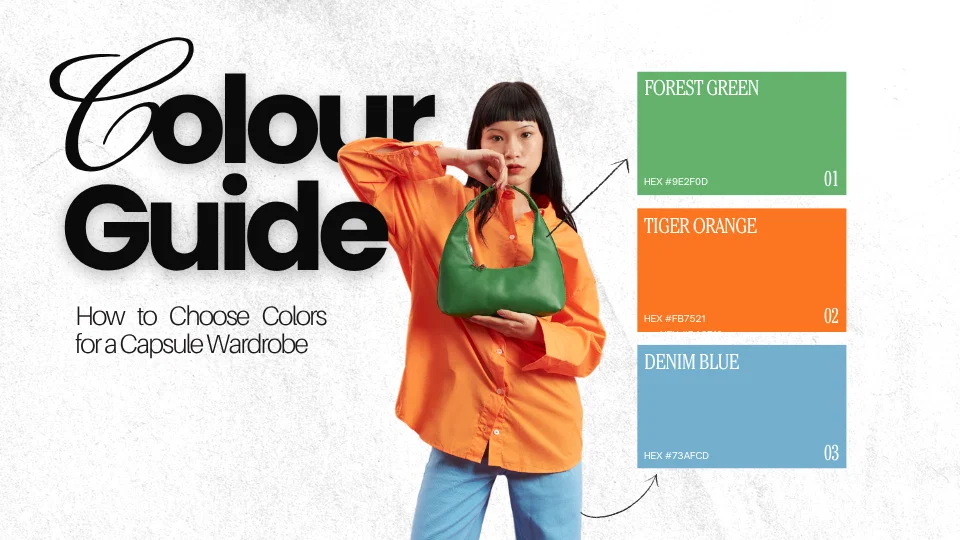
Choosing colors for a capsule wardrobe isn’t about limiting yourself to black, white, or beige. It’s about creating a color palette where most of your clothes work together, making it easier to build outfits, shop intentionally, and get more wear from every piece.
Quick Answer: The best capsule wardrobe colors are the ones that work well together and suit your lifestyle. Start with one or two base colors, add versatile neutrals, and finish with a few accent colors that reflect your personality. The goal isn’t to wear only neutral colors—it’s to create a wardrobe where most pieces naturally pair with one another.
A well-planned capsule wardrobe color palette doesn’t remove personality from your style. Instead, it gives your wardrobe a sense of cohesion. When your colors naturally complement one another, you spend less time wondering what matches and more time wearing the clothes you already own.
If you’ve ever owned plenty of clothes but still felt like nothing went together, your color palette may be the missing piece. The right colors won’t magically improve your wardrobe, but they can make every item work harder.
In this guide, you’ll learn how to choose capsule wardrobe colors that suit your lifestyle, reflect your personal style, and create more outfit combinations without buying more clothes.
Why Color Matters More Than Most People Think
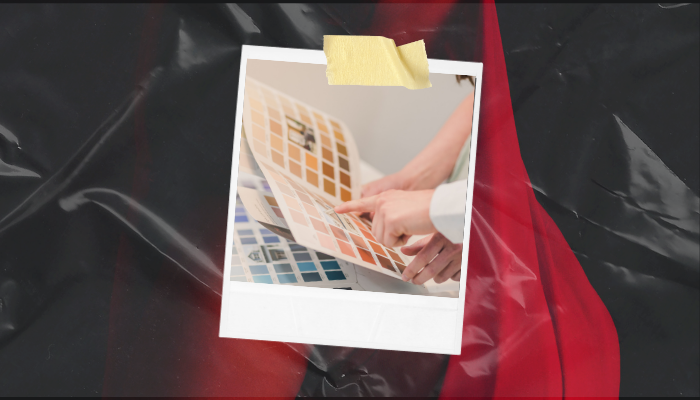
When people think about building a capsule wardrobe, they usually focus on the clothes themselves—finding the right jeans, the perfect white shirt, or a versatile jacket. But the way those pieces work together often depends less on the individual items and more on the colors you’ve chosen.
A wardrobe with a thoughtful color palette naturally creates more outfit combinations. A single pair of trousers can be worn with several tops, one jacket can layer over multiple outfits, and getting dressed becomes much more straightforward because most of your clothes already complement one another.
This is one of the biggest reasons capsule wardrobes feel effortless. They don’t necessarily contain more versatile clothes—they contain colors that work together.
A cohesive color palette also changes the way you shop.
Instead of asking, “Do I like this color?”, you begin asking a more useful question:
“Will this color work with the wardrobe I already have?”
That small shift can have a significant impact. It encourages you to think about your wardrobe as a complete system rather than a collection of individual purchases. New pieces are chosen because they fit into your existing wardrobe, not simply because they look good on their own.
Over time, this approach makes shopping more intentional and reduces the number of clothes that sit unworn because they only work with one outfit.
A well-planned color palette can also help you:
- Create more outfits with the clothes you already own.
- Spend less time deciding what to wear each morning.
- Make future shopping decisions with greater confidence.
- Reduce impulse purchases that don’t fit your wardrobe.
- Build a wardrobe that feels more cohesive and consistent.
None of this means your wardrobe has to be limited to neutral colors or that every piece needs to match perfectly. The goal isn’t to create a wardrobe that feels repetitive. It’s to create one where your clothes naturally work together while still reflecting your personal style.
Think of your color palette as the framework that connects your wardrobe. When the colors are working together, every outfit becomes easier to build, and every new purchase becomes easier to justify.
Start With Your Lifestyle, Not Trending Colors

One of the biggest mistakes people make when choosing a capsule wardrobe color palette is starting with someone else’s wardrobe.
A quick search online will show endless recommendations to wear black, white, beige, and grey. While those colors work well for many people, they aren’t the right choice simply because they’re popular.
The best color palette is the one that fits your lifestyle, the clothes you naturally wear, and the image you want to project.
Before choosing any colors, think about how your wardrobe is actually used.
Consider Your Everyday Life
Your daily routine has a bigger influence on your color palette than fashion trends.
If you work in a corporate office, you might naturally gravitate towards classic colors like navy, charcoal, white, and light blue because they feel professional and pair easily together.
If your workplace is more creative or casual, you may have more freedom to incorporate richer colors, interesting textures, or bolder accent shades without sacrificing versatility.
Someone who works from home may build their wardrobe around comfortable neutrals and relaxed colors, while someone who attends formal meetings regularly may rely more heavily on darker, polished tones.
The goal isn’t to copy a particular style. It’s to choose colors that support the way you actually dress.
Think About Your Climate
Climate also influences which colors feel practical throughout the year.
In warmer regions, lighter shades such as white, cream, beige, olive, and light blue often feel more natural because they complement lightweight fabrics and bright surroundings.
In colder climates, deeper colors like navy, charcoal, forest green, burgundy, and brown often work well with heavier fabrics and layered outfits.
Neither approach is better. Your environment should simply make your wardrobe easier to wear.
Let Your Personal Style Guide the Final Choices
A capsule wardrobe should never feel like a uniform.
If you naturally enjoy wearing earthy tones, your wardrobe should reflect that. If you prefer cooler shades or enjoy adding bold colors through knitwear or accessories, there’s no reason to avoid them.
The objective isn’t to wear the colors that fashion experts recommend. It’s to choose colors you’ll genuinely enjoy wearing year after year.
When your color palette reflects both your lifestyle and your personality, you’ll naturally wear more of your wardrobe. And that’s exactly what a successful capsule wardrobe is designed to achieve.
Build Your Capsule Wardrobe Around Three Types of Colors
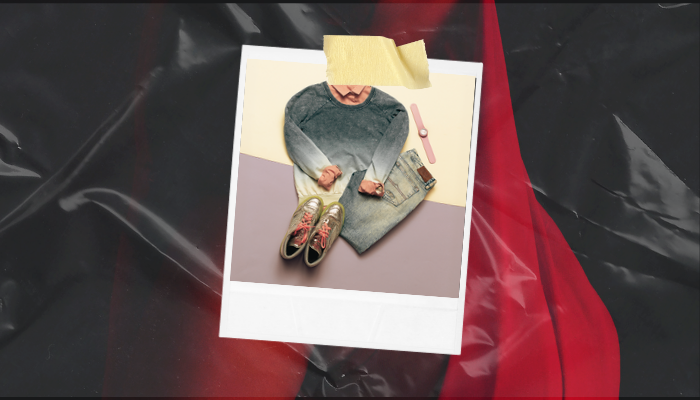
One of the easiest ways to create a cohesive wardrobe is to think of your colors in layers rather than as individual choices.
Instead of buying clothes in random shades, divide your wardrobe into three color groups. Each group serves a different purpose, but together they create a wardrobe that’s easy to mix, match, and expand over time.
1. Base Colors
Base colors form the foundation of your wardrobe. They’re usually the darkest colors you own and appear in the pieces you wear most often, such as trousers, jeans, blazers, coats, and shoes.
Common base colors include:
- Black
- Navy
- Charcoal Grey
- Dark Brown
- Dark Olive
Because these pieces are worn so frequently, it’s usually best to choose one or two base colors or primary colors that work well together. Doing so makes it much easier to coordinate the rest of your wardrobe.
For example, someone whose wardrobe is built around navy trousers and dark denim will find that most shirts, knitwear, and jackets naturally work together. Likewise, someone who prefers black as their foundation can build an equally versatile wardrobe around black trousers, jackets, and shoes.
Your base colors don’t need to be exciting. Their job is to create consistency and make the rest of your wardrobe easier to wear.
2. Neutral Colors
Neutral colors connect your wardrobe together. They balance darker base colors and make outfit combinations feel effortless.
Unlike base colors, neutrals are often found in everyday tops, knitwear, shirts, and lighter layers.
Popular neutral colors include:
- White
- Cream
- Beige
- Light Grey
- Stone
- Khaki
- Soft Olive
One of the biggest advantages of neutral colors is their versatility. A white T-shirt can work equally well with navy trousers, black jeans, brown chinos, or olive cargo pants. A cream knit can pair comfortably with denim, tailored trousers, or skirts without competing for attention.
You don’t need every neutral on this list. Choose the shades you naturally enjoy wearing and that complement your base colors.
3. Accent Colors
Accent colors are where your personality comes into your wardrobe.
These are the colors that make your outfits feel more interesting without reducing versatility. They’re often introduced through shirts, knitwear, dresses, accessories, or seasonal pieces rather than everyday foundations.
Popular accent colors include:
- Burgundy
- Forest Green
- Rust
- Dusty Blue
- Sage Green
- Soft Pink
- Mustard
- Deep Purple
The key is moderation.
If every item in your wardrobe is a statement color, outfit planning quickly becomes difficult because too many pieces compete for attention. When accent colors are balanced with strong base and neutral colors, they add variety while still allowing your wardrobe to work as a complete system.
Think of accent colors as the finishing touch rather than the foundation. They should make your wardrobe feel more like you—not make getting dressed more complicated.
A Simple Way to Visualize Your Color Palette
A practical capsule wardrobe often follows this structure:
| Color Group | Purpose | Examples |
| Base Colors | Form the foundation of most outfits | Black, Navy, Charcoal, Dark Brown |
| Neutral Colors | Connect different pieces together | White, Cream, Beige, Light Grey, Khaki |
| Accent Colors | Add personality and visual interest | Burgundy, Forest Green, Rust, Dusty Blue |
You don’t need to own every color in each group. In fact, limiting yourself to a few carefully chosen shades usually creates a wardrobe that’s easier to wear and much easier to expand over time.
How to Choose Your Base Color
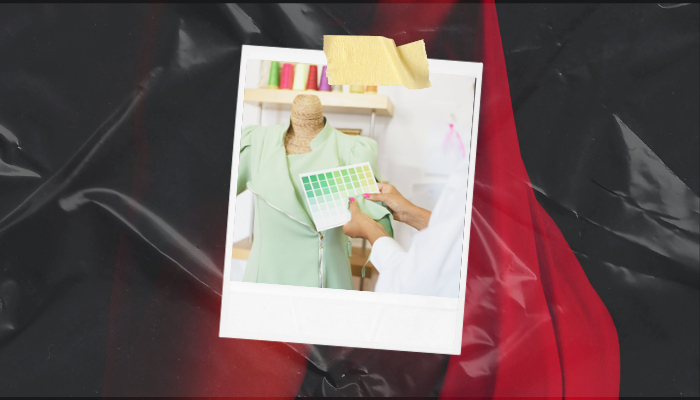
Choosing a base color is one of the most important decisions you’ll make when building a capsule wardrobe. Since your base colors appear in the pieces you wear most often—such as trousers, jeans, jackets, coats, and shoes—they influence almost every outfit you create.
The good news is that there isn’t a single “best” choice. The right base color is simply the one that works with your lifestyle, your existing wardrobe, and the colors you enjoy wearing.
If you’re unsure where to start, ask yourself these questions.
What Colors Do You Already Wear Most?
Before buying anything new, look at your current wardrobe.
You may discover that you’ve already built a natural color palette without realizing it. If most of your trousers are navy, your jackets are blue, and your shoes are brown, forcing yourself to switch to black as your foundation may create unnecessary work.
A capsule wardrobe usually works best when it builds on what you already wear rather than replacing it.
What Shoes Do You Wear Most Often?
Shoes can be a surprisingly useful starting point because they’re one of the hardest-working items in your wardrobe.
- If you mostly wear black shoes, black or charcoal often make a natural foundation.
- If you prefer brown leather shoes or boots, navy, brown, and olive usually pair more easily.
- If white sneakers are your everyday choice, you have flexibility to build around almost any base color.
Looking at your footwear can often make the decision much simpler.
What Does Your Lifestyle Require?
Think about where you spend most of your time.
A professional office wardrobe often benefits from classic colors like navy or charcoal because they look polished and pair easily with shirts, knitwear, and blazers.
If your wardrobe is mostly casual, you may find that dark denim, olive, or brown feel more relaxed while remaining just as versatile.
Choose colors that support your everyday routine rather than clothes you only wear occasionally.
Which Colors Do You Enjoy Wearing?
Practicality matters, but so does personal preference.
If you never enjoy wearing black, there’s little reason to make it the foundation of your wardrobe simply because it’s considered versatile. Likewise, if navy feels too formal for your style, brown or olive may feel more natural.
The best capsule wardrobe is one you’ll actually enjoy wearing.
A Quick Comparison of Popular Base Colors
| Base Color | Best For | Pairs Well With |
| Black | Modern, urban, monochrome wardrobes | White, grey, cream, soft pastels |
| Navy | Business, smart casual, everyday wear | White, light blue, beige, olive, burgundy |
| Charcoal Grey | Professional and minimalist wardrobes | White, black, navy, burgundy |
| Dark Brown | Warm, classic, earthy styles | Cream, beige, olive, rust, light blue |
| Dark Olive | Casual, outdoor-inspired wardrobes | White, beige, brown, navy, rust |
The most important thing to remember is that your base color isn’t a permanent decision.
As your lifestyle, personal style, or wardrobe evolves, your color palette can evolve too. What matters is choosing a foundation that helps your clothes work together today, making every future shopping decision a little easier.
How Many Colors Should a Capsule Wardrobe Have?
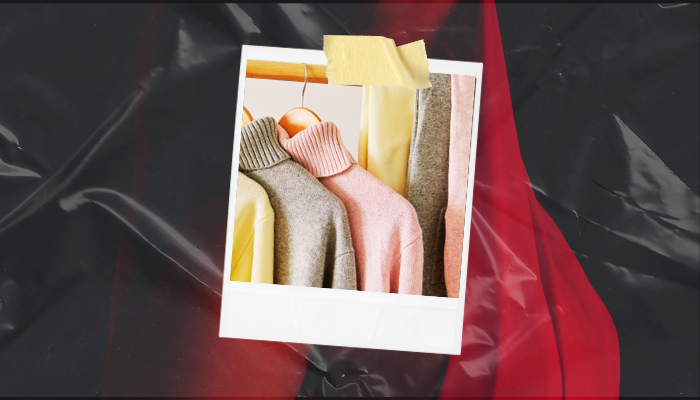
One of the most common questions people ask is whether there’s an ideal number of colors for a capsule wardrobe.
The short answer is no.
Just as there’s no perfect number of clothing items, there’s no universal color formula. Your ideal palette depends on your lifestyle, personal style, and how much variety you enjoy.
That said, having too many colors can make your wardrobe harder to coordinate, while too few may leave it feeling repetitive. The goal is to find a balance that gives you flexibility without creating unnecessary complexity.
A good starting point is to think in terms of color groups rather than individual shades.
| Color Group | Recommended Starting Point |
| Base Colors | 1–2 |
| Neutral Colors | 3–5 |
| Accent Colors | 2–4 |
This isn’t a rule—it’s simply a framework that works well for many wardrobes.
For example, a simple palette might look like this:
- Base colors: Navy and Charcoal
- Neutral colors: White, Cream, Light Grey, Beige
- Accent colors: Burgundy, Forest Green, Dusty Blue
With just these colors, you can create dozens of outfit combinations because nearly every piece complements the others.
Should You Add More Colors?
As your wardrobe grows, it’s natural to introduce new shades. The key is to do so intentionally.
Before adding a new color, ask yourself:
- Will it work with most of my existing wardrobe?
- Can I wear it with several tops or bottoms I already own?
- Does it fit my personal style?
- Will I realistically wear it often?
If the answer to most of those questions is yes, the new color is likely to strengthen your wardrobe rather than complicate it.
Variety Doesn’t Have to Mean More Colors
Many people assume they need a wide range of colors to avoid wearing the same outfits.
In reality, variety often comes from combining the same colors in different ways.
A white shirt can look completely different when paired with navy trousers instead of olive chinos. A burgundy sweater creates a new outfit simply by replacing a cream knit. Even small changes in layering, textures, or accessories can make familiar colors feel fresh.
That’s one of the biggest advantages of a capsule wardrobe. You don’t need dozens of colors to create variety—you need a palette that works together.
Instead of asking, “How many colors should I own?”, ask a more useful question:
“Do these colors give me enough outfit options while still working together?”
If they do, you’ve probably found the right balance.
Which Colors Work Well Together?
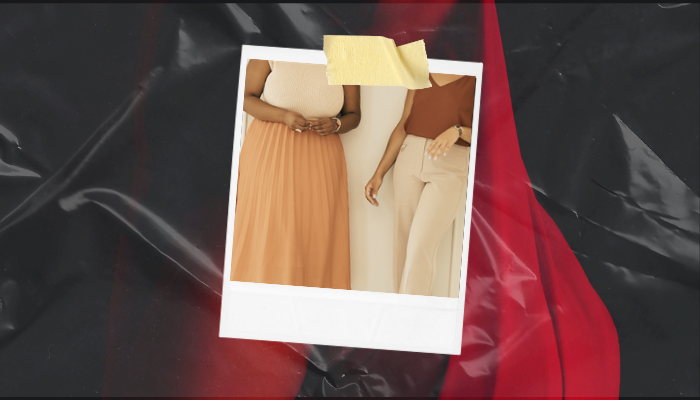
Choosing individual colors is only part of the process. What makes a capsule wardrobe successful is how those colors work together.
A well-balanced palette allows you to mix and match clothes without constantly wondering whether an outfit looks coordinated. While there are countless combinations that can work, most successful capsule wardrobes share one characteristic—they’re built around a small group of complementary colors rather than dozens of unrelated shades.
Here are a few examples to inspire your own palette.
Palette 1: Classic & Timeless
Base Colors
- Navy
- Charcoal Grey
Neutral Colors
- White
- Cream
- Light Grey
Accent Colors
- Burgundy
- Forest Green
This palette works well for both smart casual and professional wardrobes. It feels polished, versatile, and remains stylish year after year.
Palette 2: Modern Monochrome
Base Colors
- Black
- Charcoal Grey
Neutral Colors
- White
- Light Grey
- Stone
Accent Colors
- Deep Blue
- Soft Sage Green
If you prefer a clean, contemporary style, this palette creates sharp, minimal outfits while still allowing subtle variation through accent colors.
Palette 3: Warm & Earthy
Base Colors
- Dark Brown
- Olive
Neutral Colors
- Beige
- Cream
- White
Accent Colors
- Rust
- Mustard
- Terracotta
This combination suits people who naturally gravitate towards relaxed, casual clothing and earthy tones. It works especially well with linen, cotton, denim, and textured fabrics.
Palette 4: Soft & Minimal
Base Colors
- Navy
Neutral Colors
- White
- Cream
- Light Grey
Accent Colors
- Dusty Blue
- Soft Pink
- Lavender
This palette feels light, fresh, and understated. It offers enough contrast to keep outfits interesting without becoming overly bold.
Don’t Feel Limited by These Examples
These palettes aren’t templates to copy exactly.
You might prefer cooler colors, richer earth tones, or brighter accents. What matters is that the colors you choose complement one another and fit naturally into your lifestyle.
A useful way to test your palette is to imagine opening your wardrobe and picking any top with any bottom. If most combinations work without much thought, you’ve probably created a color palette that’s doing its job.
The best capsule wardrobe color palette isn’t the one with the trendiest colors. It’s the one that helps you wear more of your wardrobe, create more outfits, and feel confident every time you get dressed.
Common Color Mistakes That Make Capsule Wardrobes Harder to Wear
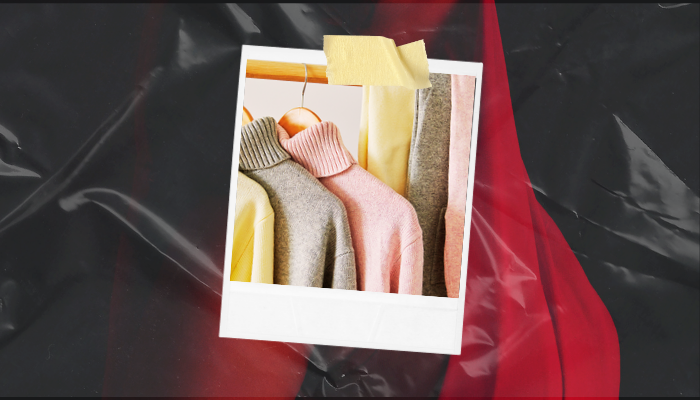
Choosing a capsule wardrobe color palette isn’t about finding the “perfect” colors. It’s about avoiding the decisions that make your wardrobe feel disconnected.
Most people don’t struggle because they picked the wrong shade of blue or the wrong neutral. They struggle because their colors were chosen without thinking about how they’ll work together over time.
Here are some of the most common color mistakes and how to avoid them.
Choosing Too Many Statement Colors
Bold colors can add personality to a wardrobe, but they become difficult to style when every piece demands attention.
If your wardrobe includes bright red trousers, a mustard jacket, a royal blue sweater, and a printed shirt, you’ll probably find yourself wearing each item with the same neutral pieces every time.
Instead, let statement colors play a supporting role. Build your wardrobe around versatile base and neutral colors, then introduce accent colors through a few carefully chosen pieces.
Buying Colors You Love Instead of Colors You’ll Wear
We’ve all bought something because we loved the color in the shop.
The problem is that enjoying a color doesn’t automatically mean it belongs in your wardrobe.
Before buying a new piece, ask yourself:
- Can I wear it with several items I already own?
- Will I reach for this color regularly?
- Does it suit the occasions I dress for most often?
If the answer is no, it’s worth thinking twice before making the purchase.
Following Trends Instead of Your Personal Style
Every year, certain colors dominate fashion collections.
While trends can be fun, they don’t always fit your existing wardrobe. Buying a trendy color simply because it’s popular can leave you with pieces that feel out of place once the trend passes.
A capsule wardrobe works best when it’s built around colors you’ll enjoy wearing for years, not just one season.
Ignoring Your Existing Wardrobe
One of the easiest ways to create a disconnected wardrobe is to buy colors without considering what you already own.
A beautiful shirt may seem like a great purchase on its own, but if it only matches one pair of trousers, it adds very little versatility.
Every new color should strengthen your wardrobe rather than create another standalone outfit.
Thinking Neutral Means Boring
Some people avoid neutral colors because they worry their wardrobe will feel plain.
In reality, neutrals create the flexibility that allows accent colors to stand out. They also make it easier to experiment with different textures, fabrics, and accessories without overwhelming an outfit.
A wardrobe built around strong neutrals doesn’t have to lack personality. It simply gives you more freedom to express it.
Treating Your Color Palette as Permanent
Your wardrobe isn’t static, and your color palette doesn’t need to be either.
As your career, lifestyle, or personal style evolves, you may naturally gravitate toward different colors. That’s completely normal.
Rather than feeling locked into the choices you made years ago, allow your palette to develop gradually. Replace pieces as they wear out, introduce new colors intentionally, and let your wardrobe evolve alongside you.
The goal isn’t to create a color palette you’ll never change. It’s to build one that works for the life you’re living today.
How to Test Whether Your Color Palette Works
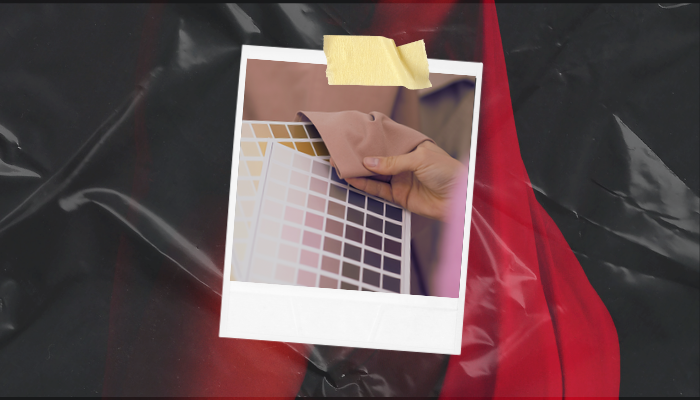
You don’t need to be a stylist to know whether your capsule wardrobe color palette is working.
In most cases, your wardrobe will tell you.
If getting dressed feels easy and most of your clothes naturally work together, your color palette is probably doing exactly what it should. If you regularly struggle to match pieces or find yourself wearing the same combinations repeatedly, it’s worth taking a closer look.
A simple wardrobe review can reveal a lot.
Step 1: Look for Your Most-Worn Colors
Take a look at the clothes you wear every week.
Do you notice the same colors appearing again and again?
Those recurring shades have already proven that they suit your lifestyle and personal style. They’re often the strongest foundation for your wardrobe because you’ve naturally chosen them over time.
Step 2: Try Mixing Everything Together
Pick a few of your favorite tops and see how many bottoms they work with.
Then do the same with your jackets, knitwear, and shoes.
Ideally, most pieces should create several wearable outfits. If certain items only work with one or two combinations, they may be introducing unnecessary complexity into your wardrobe.
Step 3: Identify the Isolated Pieces
Every wardrobe has a few clothes that rarely get worn.
Ask yourself why.
Sometimes the fit isn’t quite right. Other times, the color simply doesn’t work with the rest of your wardrobe.
If a shirt only matches one pair of trousers or a jacket always feels difficult to style, the color—not the garment itself—may be the reason it stays on the hanger.
Step 4: Think Before Adding New Colors
Before introducing a new color to your wardrobe, pause for a moment and ask yourself:
- Can I wear this with most of my existing wardrobe?
- Does it complement my base and neutral colors?
- Will it create new outfit combinations?
- Is this replacing an existing color or simply adding another option?
These questions help ensure every purchase strengthens your wardrobe instead of making it more difficult to coordinate.
Remember: Progress Is Better Than Perfection
You don’t need a perfectly coordinated wardrobe overnight.
Most successful capsule wardrobes develop gradually. As older clothes wear out and new pieces are added, your color palette naturally becomes more cohesive.
Instead of aiming for perfection, pay attention to the patterns in your wardrobe. The colors you wear most often—and enjoy wearing the most—are usually the ones worth building around.
When your wardrobe reaches the point where almost every piece works with the rest, you’ve achieved exactly what a capsule wardrobe color palette is designed to do.
The Best Capsule Wardrobe Colors Are the Ones You’ll Actually Wear

It’s easy to think there’s a perfect capsule wardrobe color palette waiting to be discovered.
In reality, the best colors aren’t determined by fashion trends, social media, or someone else’s wardrobe. They’re the colors that fit your lifestyle, reflect your personal style, and make it easier to create outfits with the clothes you already own.
A successful color palette doesn’t have to be complicated. Start with one or two base colors, add a few versatile neutrals, and introduce accent colors that feel authentic to you. As your wardrobe grows, let every new purchase strengthen that foundation rather than compete with it.
Remember, a capsule wardrobe isn’t about limiting your choices—it’s about making better ones.
When your colors naturally work together, getting dressed becomes simpler, shopping becomes more intentional, and every piece in your wardrobe has more opportunities to be worn.
Over time, you’ll probably notice that certain colors appear in your favorite outfits again and again. Those recurring shades aren’t a coincidence. They’re the colors that have already earned their place in your wardrobe.
Instead of chasing the perfect color palette, build one that supports the way you live today. As your lifestyle and personal style evolve, your wardrobe can evolve with you.
If you’re continuing to build your capsule wardrobe, explore our guides on How to Build a Capsule Wardrobe, Capsule Wardrobe Essentials, and Capsule Wardrobe Checklist. Together, they’ll help you create a wardrobe that’s cohesive, practical, and designed around the way you actually dress.
Frequently Asked Questions
What are the best colors for a capsule wardrobe?
The best colors are the ones that work well together and suit your lifestyle. Most capsule wardrobes are built around one or two base colors, several neutral colors, and a few accent colors that reflect your personal style. Rather than following a universal color palette, choose shades you’ll genuinely enjoy wearing and can easily mix and match.
Should a capsule wardrobe only include neutral colors?
No. Neutral colors make outfit planning easier because they pair with almost everything, but they don’t need to make up your entire wardrobe. Accent colors add personality and help your wardrobe feel more like your own. The goal is balance, not limiting yourself to neutrals.
How many colors should a capsule wardrobe have?
There isn’t a fixed number. A practical starting point is one or two base colors, three to five neutral colors, and two to four accent colors. The exact number depends on your personal style, lifestyle, and how much variety you want in your wardrobe.
Is black or navy a better base color?
Neither is universally better. Black creates a clean, modern look and pairs well with monochrome outfits, while navy often feels softer and works well in both casual and professional wardrobes. The right choice depends on the clothes you already own, the shoes you wear most often, and your personal style.
Can I wear bright colors in a capsule wardrobe?
Absolutely. Bright colors can work well as accent colors when they’re balanced with versatile base and neutral pieces. Instead of building your entire wardrobe around bold shades, use them selectively to add interest while keeping the rest of your wardrobe easy to coordinate.
How do I know if a new color belongs in my wardrobe?
Before buying a new color, ask yourself whether it works with several pieces you already own. If it creates multiple outfit combinations, suits your lifestyle, and feels like something you’ll wear regularly, it’s likely a good addition to your capsule wardrobe.
Can my capsule wardrobe color palette change over time?
Yes. Your wardrobe should evolve as your lifestyle and personal style change. You don’t need to replace everything at once. As older clothes wear out, you can gradually introduce new colors that better reflect your current preferences while maintaining a cohesive wardrobe.
What if I already own lots of different colors?
There’s no need to start from scratch. Begin by identifying the colors you wear most often and the ones that work well together. As you replace older items or buy new ones, gradually build around those colors. Over time, your wardrobe will naturally become more cohesive without requiring a complete overhaul.
Tags:

Aakash Jethwani
Founder & CEO at NineE AI
Aakash Jethwani is the Founder & CEO of NineE AI, a Fashion Exploration Engine built to help peo...
Read More
Get Latest Fashion Insights, Before Everyone Else.