Updated on Aug 5, 2026
Fast Fashion vs Sustainable Fashion: Best Selection Guide of 2026
Fashion GuidesTeam NineE AI18 Mins reading time
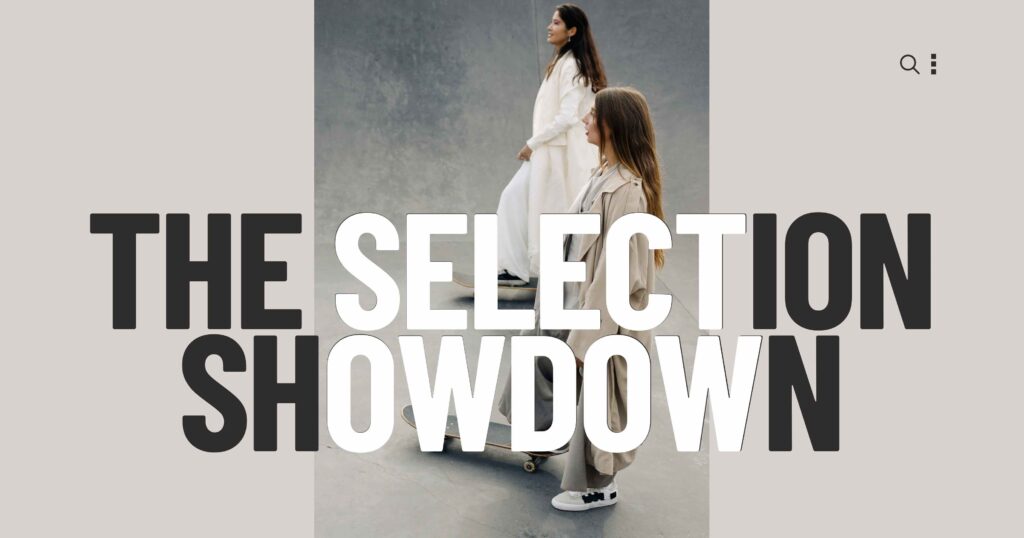
Is your wardrobe overflowing, yet you still struggle to find something you genuinely enjoy wearing? Then, you are not alone. Many shoppers purchase clothing because of limited-time sales, social media trends, or impulse rather than genuine wardrobe needs. As a result, closets become crowded while everyday outfit choices remain frustratingly limited.
Comparing fast fashion with sustainable fashion helps you understand why some garments become long-term favorites while others lose their appeal after only a few wears.
Choosing quality over constant replacement creates a wardrobe that supports your lifestyle, personal style, and long-term budget. This blog is all about fast and sustainable fashion, suited for your better decision-making.
Why are More Shoppers Comparing Fast Fashion and Sustainable Fashion?
Consumer shopping habits have changed significantly because online stores provide unlimited access to clothing collections from brands across the world.
Although greater choice creates convenience, it also encourages frequent purchasing, emotional spending, and wardrobes filled with garments that receive very little regular use.
Many consumers eventually discover they own dozens of clothing items while repeatedly wearing only a small portion of their wardrobe. This realization has encouraged shoppers to compare purchasing habits instead of simply comparing prices.
Today’s consumers increasingly evaluate clothing using durability, craftsmanship, versatility, comfort, and long-term value rather than short-term discounts.
The conversation no longer centers only on fashion trends because shoppers also consider quality, longevity, and purchasing confidence before reaching checkout.
Understanding both approaches allows consumers to make smarter clothing decisions that align with their personal style, financial goals, and everyday lifestyle.
What is Fast Fashion?
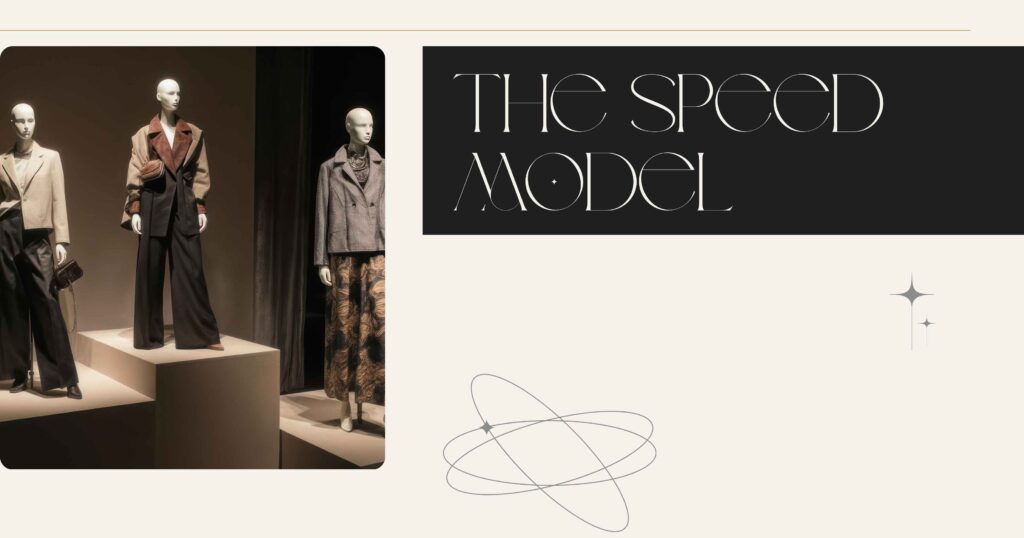
Fast fashion is a retail business model that rapidly produces clothing inspired by current runway trends and celebrity styles before offering them at relatively low prices.
The primary objective of fast fashion is to introduce new collections quickly so consumers continue purchasing throughout the year instead of only during traditional fashion seasons.
Fast fashion brands emphasize speed, affordability, and frequent inventory updates that encourage repeated shopping. Several characteristics define this business model.
Common Characteristics of Fast Fashion
- Rapid product launches
- Trend-driven collections
- Lower production costs
- Frequent promotional campaigns
- Short fashion cycles
- High product turnover
- Large inventory volumes
- Constant style refreshes
This model allows shoppers to experiment with trends affordably, although garments sometimes prioritize rapid production over long-term durability.
Many consumers appreciate the accessibility of fast fashion while also recognizing the importance of evaluating product quality before purchasing.
What is Sustainable Fashion?
Unlike fast fashion, sustainable fashion focuses on creating, purchasing, wearing, maintaining, and eventually reusing garments with greater emphasis on longevity, quality, and thoughtful consumption.
Rather than encouraging consumers to replace clothing frequently, this approach promotes investment in versatile apparel designed for repeated wear across changing seasons. A 1 values craftsmanship, functionality, timeless styling, and practical versatility above temporary fashion trends.
Consumers adopting this approach generally purchase fewer garments while expecting greater performance throughout each product’s lifespan. Several principles consistently guide sustainable clothing.
Core Principles
- Conscious consumption
- Wardrobe longevity
- Responsible sourcing
- Durable craftsmanship
- Timeless silhouettes
- Repairability
- Product transparency
- Circular fashion practices
Instead of constantly replacing clothing, shoppers maximize the value of existing garments through thoughtful purchasing and responsible care.
Read Also – What Is Sustainable Fashion? Guide for Smart Shoppers
Why Does This Comparison Matter for Modern Shoppers?
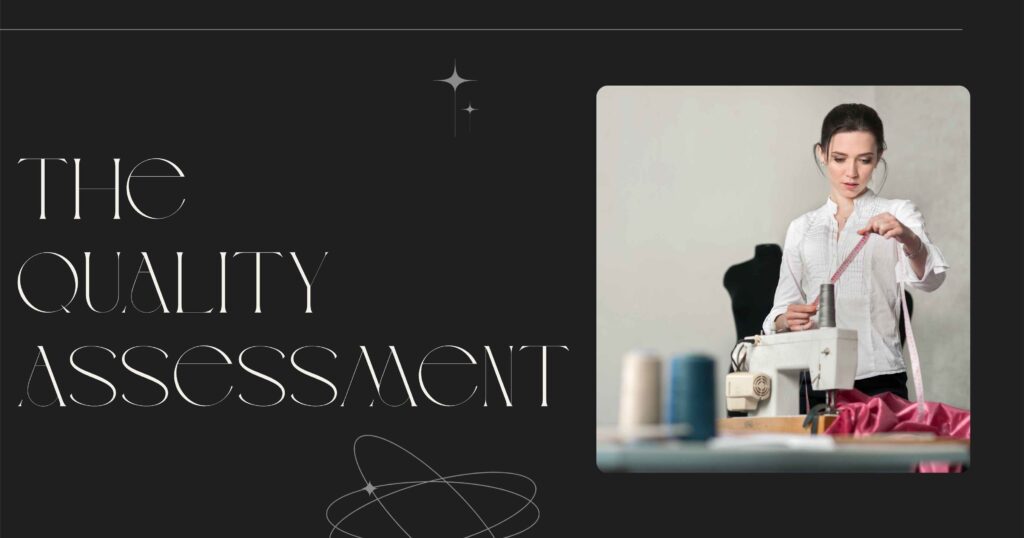
Many people assume fashion choices influence only appearance, yet purchasing decisions affect wardrobe functionality, personal finances, shopping satisfaction, and clothing longevity.
Comparing fast fashion with sustainable clothing helps consumers understand which approach better supports their long-term lifestyle goals.
Instead of evaluating garments solely by price, shoppers increasingly compare overall value throughout years of ownership. Important purchasing considerations now include:
- Fabric quality
- Tailoring
- Comfort
- Construction
- Styling versatility
- Maintenance requirements
- Outfit coordination
- Cost Per Wear
These factors influence how often garments remain useful long after the original purchase.
Fast Fashion vs Sustainable Fashion: Understanding the Biggest Differences
Although both approaches provide clothing for everyday wear, their priorities differ considerably throughout design, manufacturing, purchasing, and long-term ownership.
The comparison becomes much clearer when evaluated across several practical categories.
| Category | Fast Fashion | Sustainable Approach |
| Shopping mindset | Trend-focused | Long-term planning |
| Buying frequency | Frequent | Intentional |
| Garment lifespan | Often shorter | Built for longevity |
| Wardrobe planning | Seasonal | Timeless |
| Styling approach | Trend following | Signature style |
| Value measurement | Purchase price | Cost Per Wear |
| Clothing purpose | Immediate satisfaction | Long-term functionality |
Neither approach completely defines personal style because many consumers successfully balance timeless investment pieces with occasional trend-driven purchases.
However, understanding these differences helps shoppers create wardrobes that better reflect their priorities.
What Makes the Benefits of Sustainable Fashion More Noticeable Over Time?
The advantages of sustainability rarely appear after a single purchase because wardrobe improvements develop gradually through consistent shopping habits.
Consumers often experience noticeable improvements after replacing impulsive purchases with versatile, high-quality garments. Many long-term benefits become increasingly valuable.
Better Wardrobe Coordination
Versatile clothing naturally supports mix-and-match styling, allowing consumers to create numerous outfits using fewer garments.
Business Casual, Smart Casual, and weekend ensembles become easier to assemble through thoughtful wardrobe planning.
Improved Fashion ROI
High-quality garments generally remain wearable longer because stronger construction preserves appearance, fit, and functionality through repeated use.
Cost Per Wear often decreases significantly when clothing receives regular use throughout multiple seasons.
Greater Shopping Confidence
Consumers become more selective before purchasing because they evaluate product detail pages, customer reviews, and garment specifications more carefully. Better preparation frequently leads to stronger purchasing decisions.
Reduced Closet Clutter
Intentional shopping gradually replaces unnecessary duplication with carefully selected wardrobe staples that consistently deliver value.
Does Fast Fashion Always Mean Poor Quality?
Many consumers assume inexpensive clothing automatically equals poor craftsmanship, yet garment quality varies considerably across brands and product categories.
Likewise, higher prices alone do not guarantee superior construction or better long-term performance. Experienced shoppers evaluate clothing using multiple quality indicators. These include:
- Fabric composition
- Stitch density
- Seam finishing
- Button quality
- Zipper durability
- Tailoring
- Care instructions
- Customer reviews
Understanding these factors allows consumers to compare clothing objectively rather than relying exclusively upon price or marketing claims.
Read Also – What Is Slow Fashion?
How Do Sustainable Fashion Materials Compare with Conventional Materials?
The materials used to create clothing influence comfort, durability, maintenance, appearance, and overall garment performance throughout years of regular use.
Understanding sustainable fashion materials helps shoppers compare clothing beyond price while making more informed purchasing decisions before reaching checkout.
Rather than focusing only on labels, experienced buyers evaluate how each fabric performs throughout its complete lifecycle. Several materials have become widely recognized for supporting longer-lasting apparel.
Organic Cotton
Organic cotton remains one of the most popular choices for everyday clothing because it combines softness, breathability, and dependable comfort. Common applications include:
- T-shirts
- Shirts
- Dresses
- Casual trousers
- Knitwear
Its versatility makes it suitable for wardrobes serving both professional and casual lifestyles.
Linen
Linen offers exceptional breathability, timeless appeal, and excellent durability. It performs particularly well during warmer seasons while remaining stylish through relaxed tailoring and contemporary silhouettes.
Hemp
Hemp fibers produce remarkably durable garments that soften naturally with continued wear. Modern textile processing has significantly improved comfort without compromising structural strength.
Regenerated Cellulosic Fibers
Innovative fibers derived from responsibly managed natural sources provide excellent drape, moisture management, and everyday wearability.
These fabrics increasingly appear within elevated basics, premium collections, and seasonless apparel. Material selection represents one important component of garment quality, although construction and craftsmanship remain equally significant.
Why Do Sustainable Fabrics Improve Long-Term Wardrobe Value?
Many shoppers initially notice color, design, and silhouette while overlooking fabric performance, even though textiles determine how clothing behaves throughout the years of ownership. Choosing sustainable fabrics often improves both wardrobe satisfaction and long-term purchasing value.
Better Durability
Quality fabrics generally retain:
- Shape
- Color consistency
- Surface texture
- Stitch integrity
- Overall structure
Improved durability supports wardrobe longevity while reducing replacement frequency.
Better Comfort
Comfort influences how frequently clothing leaves the closet. Premium fabrics often provide the following:
- Breathability
- Moisture regulation
- Softness
- Flexibility
- Lightweight performance
Garments that feel comfortable naturally achieve a higher Cost Per Wear.
Easier Styling
Well-constructed fabrics maintain cleaner silhouettes that support professional styling techniques, including Smart Layering, Tonal Dressing, and Balanced Proportion. This versatility creates wardrobes capable of adapting across multiple occasions.
Read Also – The Most Popular Fashion Aesthetics Explained
What Role Does Recycled Polyester Play in Modern Apparel?
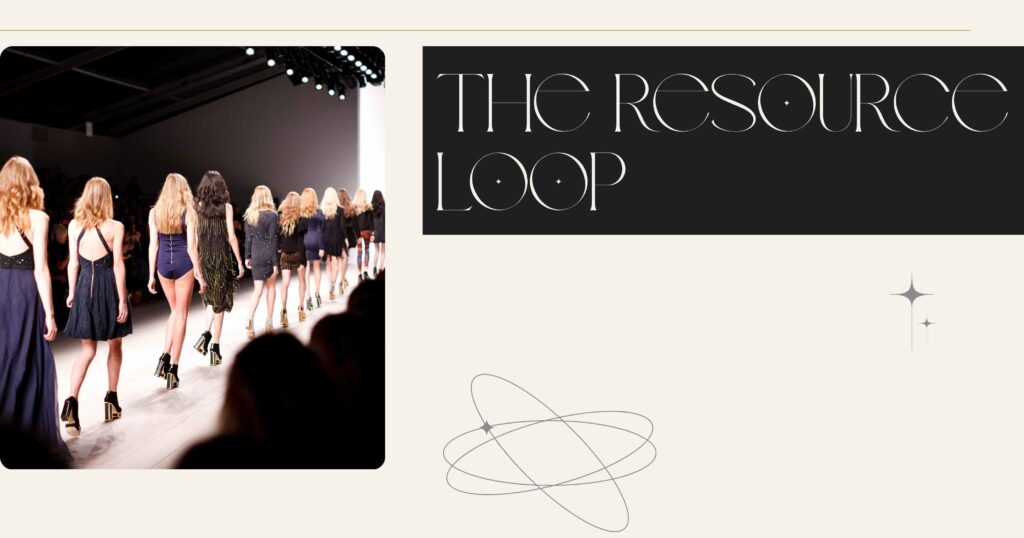
Textile innovation continues to introduce materials that maximize existing resources while supporting broader circular fashion initiatives. Recycled polyester is now more common across sportswear, outerwear, backpacks, footwear, and performance apparel.
Instead of manufacturing entirely new synthetic fibers, producers transform recovered materials into usable textile yarns suitable for contemporary clothing. Consumers should recognize that recycled content alone does not define garment quality. Experienced shoppers evaluate:
- Construction
- Fabric performance
- Repairability
- Product lifespan
- Versatility
- Manufacturing transparency
These combined characteristics determine long-term wardrobe value more accurately than any single material claim.
Read Also – How to Choose Colors for a Capsule Wardrobe
How Does the Carbon Footprint of Clothing Differ Between the Two Models?
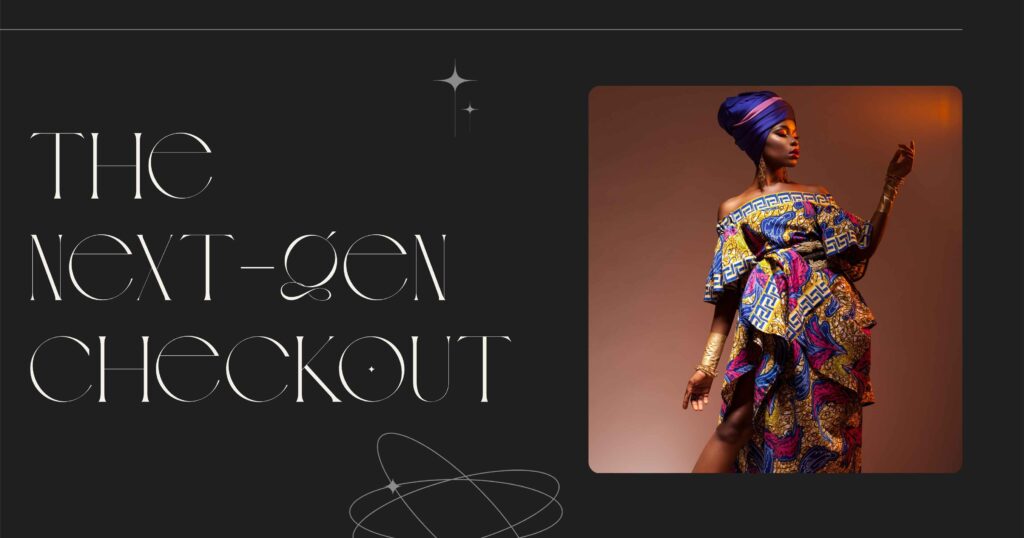
Every garment requires energy, transportation, manufacturing, packaging, storage, and consumer care before reaching the end of its useful life.
Understanding the carbon footprint of clothing encourages consumers to evaluate garments through lifetime value instead of purchase price alone.
A high-quality jacket worn hundreds of times often generates greater overall value than multiple lower-quality alternatives requiring repeated replacement. Several shopping habits help reduce unnecessary environmental impact.
- Purchase versatile clothing.
- Wear garments longer.
- Repair minor damage.
- Donate usable apparel.
- Recycle worn textiles responsibly.
- Avoid unnecessary duplicate purchases.
These practical habits support thoughtful consumption regardless of personal style preferences.
How Does Fashion Sustainability Influence the Future of Shopping?
Consumer expectations continue evolving because shoppers increasingly research products before making purchasing decisions.
Fashion sustainability now extends beyond manufacturing and includes product transparency, customer education, durability, and responsible shopping experiences. Brands increasingly provide detailed information about:
- Material composition
- Product construction
- Care instructions
- Sizing guidance
- Manufacturing practices
This transparency allows shoppers to compare products more confidently before purchasing online. Research-driven shopping creates stronger buying confidence while reducing avoidable product returns.
Why Does Ethical Manufacturing Matter Beyond the Clothing Label?
Consumers today increasingly expect brands to explain how garments reach store shelves rather than simply highlighting finished products.
Ethical manufacturing emphasizes accountability throughout production while supporting safe workplaces, fair labor practices, and responsible sourcing. Responsible brands commonly communicate these attributes:
- Manufacturing transparency
- Worker safety
- Supply chain accountability
- Responsible sourcing
- Production standards
- Quality assurance
Greater transparency helps consumers evaluate brands using information rather than assumptions. As industry professionals frequently remind buyers,
Which Option Offers Better Value Over Time?
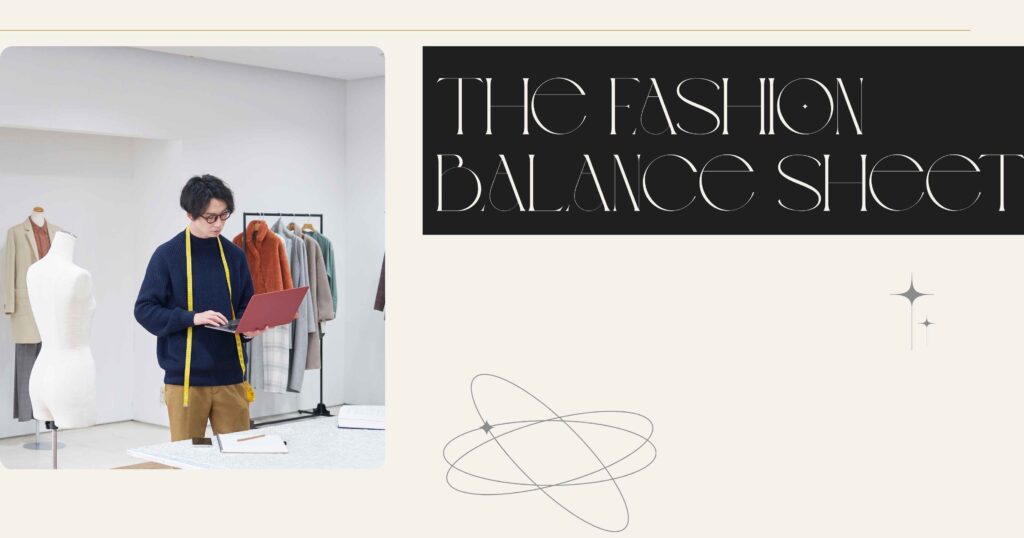
Many shoppers initially compare clothing using price tags alone, yet experienced stylists evaluate purchases through overall wardrobe performance. Several important differences emerge over time.
| Comparison Factor | Fast Fashion | Sustainable Approach |
| Initial Cost | Usually lower | Often higher |
| Cost Per Wear | Frequently higher | Usually lower |
| Durability | Varies considerably | Generally stronger |
| Wardrobe Coordination | Limited | High versatility |
| Outfit Rotation | Shorter | Long-term |
| Investment Value | Trend focused | Timeless |
| Fashion ROI | Lower over time | Higher over time |
Higher purchase prices do not automatically indicate better quality, yet durable garments frequently provide stronger long-term financial value.
How Can You Compare Clothing Online Like a Professional Shopper?
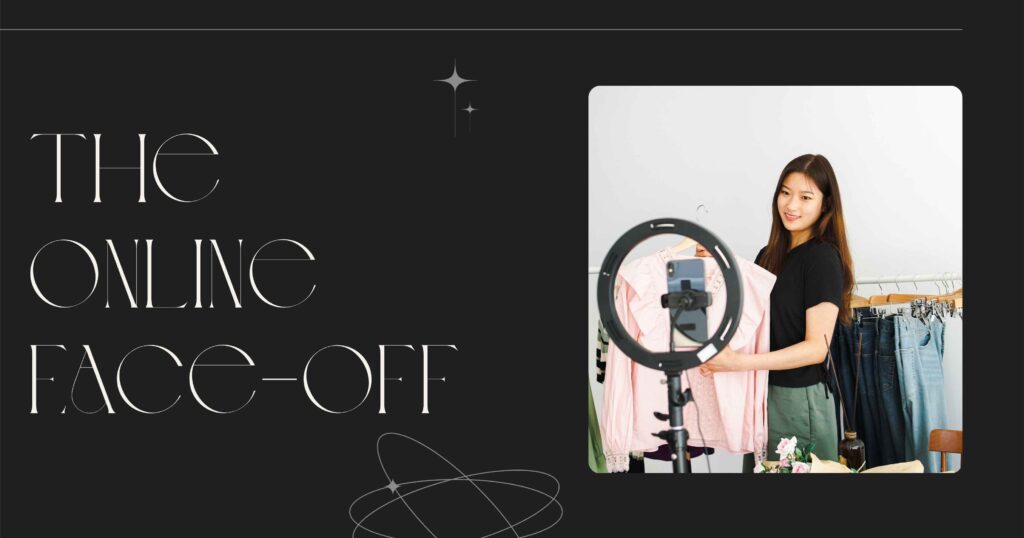
Online shopping removes the ability to inspect garments physically, making research increasingly important before completing purchases.
Professional shoppers carefully evaluate product information rather than relying exclusively on promotional images. Before purchasing apparel, compare:
Product Category Information
Review category pages to understand overall product positioning, material collections, and intended use.
Product Detail Pages
Study detailed specifications, including:
- Fabric composition
- Garment measurements
- Care instructions
- Manufacturing information
- Styling recommendations
Customer Reviews
Focus on comments discussing:
- Durability
- Fit accuracy
- Color consistency
- Comfort
- Fabric quality
- Long-term performance
Return Policies
Understanding return procedures improves purchasing confidence while reducing unnecessary shopping anxiety.
Practical Buying Questions
Before selecting any garment, ask yourself:
- Does this complement my existing wardrobe?
- Will I wear it at least thirty times?
- Does it reflect my personal style?
- Can I create multiple outfits with it?
- Will I still enjoy wearing it next year?
These questions encourage intentional shopping rather than emotional purchasing. As stylists often advise,
Style Over Trends consistently produces wardrobes that remain useful long after seasonal collections disappear.
Which Fashion Model Fits Your Lifestyle Best?
There is no universal wardrobe strategy because shopping priorities vary according to profession, lifestyle, budget, climate, and personal preferences.
Instead of viewing fast fashion and sustainability as absolute opposites, many consumers successfully combine thoughtful investments with occasional trend-driven purchases.
The goal is not perfection but intentional decision-making that creates a wardrobe supporting everyday life.
Corporate Professionals
Professionals benefit from investing in timeless essentials that transition easily between meetings, business travel, conferences, and after-work events. Recommended wardrobe staples include:
- Tailored blazers
- Neutral trousers
- Oxford shirts
- Structured dresses
- Leather footwear
- Lightweight knitwear
Investment pieces deliver stronger Fashion ROI because they remain appropriate across multiple professional settings.
College Students
Students often balance limited budgets with evolving personal style. A practical wardrobe should emphasize:
- Durable denim
- Comfortable sneakers
- Layering pieces
- Versatile jackets
- Everyday backpacks
- Elevated basics
Building wardrobes gradually prevents unnecessary spending while allowing style to evolve naturally.
Homemakers
Daily routines often require clothing that balances comfort, functionality, and polished appearance. Breathable fabrics, wrinkle-resistant garments, practical dresses, and comfortable footwear create dependable wardrobes suitable for home, errands, and social occasions.
Older Adults
Many mature shoppers prioritize timeless tailoring, wearability, and comfort over rapidly changing trends.
Structured outerwear, quality knitwear, supportive footwear, and classic silhouettes often deliver greater satisfaction through years of consistent use. Regardless of age, the strongest wardrobes reflect individual lifestyles rather than short-lived fashion cycles.
Practical Tips to Transition Toward Sustainable Fashion
Moving toward a more intentional wardrobe does not require replacing every garment you currently own. Small improvements often create meaningful long-term results while respecting your existing clothing investments.
Perform a Wardrobe Audit
Before purchasing new apparel, review every clothing category to identify essentials, duplicates, repair opportunities, and genuine wardrobe gaps. A wardrobe audit encourages thoughtful planning instead of emotional shopping.
Build a Capsule Wardrobe
A carefully curated capsule wardrobe creates greater outfit versatility using fewer garments. Focus on timeless essentials such as:
- White shirts
- Neutral knitwear
- Tailored trousers
- Dark denim
- Structured jackets
- Comfortable shoes
These pieces support numerous outfit combinations throughout changing seasons.
Shop With a Purpose
Avoid browsing without a plan. Instead, create a shopping list that identifies genuine wardrobe needs before visiting product category pages or online collections. Planning reduces unnecessary purchases while strengthening wardrobe coordination.
Evaluate Every Product Carefully
Before completing any purchase, compare:
- Product detail pages
- Fabric composition
- Customer reviews
- Care instructions
- Size guidance
- Construction quality
Well-informed shoppers consistently make stronger purchasing decisions.
Extend Garment Life
Simple maintenance habits protect clothing quality.
- Wash garments according to care labels.
- Repair minor damage promptly.
- Store apparel correctly.
- Rotate clothing regularly.
- Donate wearable items responsibly.
Always remember that your built-to-last wardrobe begins with thoughtful ownership rather than expensive purchases.
Common Myths About Sustainable Clothing

Several misconceptions continue preventing consumers from exploring more intentional shopping habits. Understanding the reality behind these myths creates greater confidence during future purchases.
Myth 1: Sustainable Clothing Is Only for Luxury Buyers
Quality clothing exists across multiple price ranges. Long-term value depends more upon durability, versatility, and consistent wear than purchase price alone.
Myth 2: Sustainability Eliminates Personal Style
Thoughtful shopping encourages a stronger personal style because wardrobes become more cohesive and adaptable over time.
Consumers often discover that timeless clothing allows greater creative freedom than constantly replacing trend-driven garments.
Myth 3: Fast Fashion Is Always Low Quality
Quality varies considerably between brands and individual products.
Experienced shoppers evaluate construction, tailoring, fabric performance, and craftsmanship rather than relying exclusively upon brand reputation or price.
Myth 4: Sustainable Clothing Requires Replacing Everything Immediately
The most sustainable garment frequently remains the one already hanging inside your closet.
Extending garment life often contributes more than replacing an entire wardrobe overnight.
Myth 5: Sustainability Means Wearing Only Neutral Clothing
Contemporary wardrobes successfully combine timeless staples with carefully selected statement pieces. Professional styling balances personality and practicality rather than limiting creative expression.
Frequently Asked Questions
How can shoppers balance fast fashion purchases with a more sustainable wardrobe?
A balanced approach focuses on purchasing timeless wardrobe staples for frequent use while limiting trend-driven purchases to carefully selected statement pieces.
Evaluating each garment based on durability, versatility, and expected cost per wear allows consumers to enjoy contemporary fashion without creating unnecessary wardrobe clutter or excessive replacement cycles.
Why is Cost Per Wear a better shopping metric than comparing clothing prices?
Cost Per Wear measures value throughout a garment’s usable life rather than focusing only on the initial purchase price. Clothing worn consistently across several years often provides greater financial value than inexpensive garments requiring frequent replacement after limited use.
Which clothing categories should consumers prioritize when transitioning toward sustainable shopping?
Begin with frequently worn essentials, including shirts, denim, tailored trousers, knitwear, jackets, and comfortable footwear. Investing in these foundational pieces strengthens wardrobe coordination while allowing future purchases to integrate naturally into existing outfit combinations.
How do product detail pages help consumers make better online clothing decisions?
Detailed product pages explain fabric composition, construction quality, care instructions, sizing information, and styling recommendations.
Combined with customer reviews, these details reduce uncertainty and help shoppers compare garments more confidently before completing online purchases.
Can sustainable shopping improve both personal style and long-term wardrobe value?
Yes. Intentional purchasing encourages consumers to build cohesive wardrobes around timeless essentials, versatile silhouettes, and quality craftsmanship. This approach improves daily outfit coordination, increases wardrobe longevity, strengthens personal style, and reduces unnecessary spending over time.
Key Takeaways
- Comparing fast fashion with sustainable fashion helps shoppers evaluate clothing through long-term value instead of immediate purchase price.
- Understanding what is sustainable fashion encourages intentional buying habits centered on durability, versatility, and wardrobe longevity.
- The benefits of sustainable fashion include improved cost per wear, stronger wardrobe coordination, reduced clutter, greater shopping confidence, and better long-term financial value.
- Practical sustainable fashion examples include capsule wardrobes, garment repairs, second-hand shopping, thoughtful outfit rotation, and investing in timeless essentials.
- Choosing quality sustainable fashion materials such as organic cotton, linen, hemp, and regenerated fibers supports comfort, durability, and everyday wearability.
- Evaluating sustainable fabrics through performance, construction, and maintenance provides better insights than marketing claims alone.
- Understanding the carbon footprint of clothing encourages consumers to wear garments longer and purchase more intentionally.
- Supporting ethical manufacturing helps promote responsible sourcing, transparent supply chains, and fair working conditions throughout apparel production.
- Researching product category pages, product detail pages, customer reviews, and sizing information improves purchasing confidence before checkout.
- The strongest wardrobes balance personal style, functionality, and thoughtful shopping decisions that continue delivering value across changing seasons.
Make Smarter Fashion Choices Before You Buy
Comparing fast fashion with sustainable fashion empowers shoppers to move beyond impulse purchases and focus on clothing that delivers lasting value.
Understanding what sustainable fashion is, recognizing the benefits of sustainable fashion, exploring practical sustainable fashion examples, and evaluating sustainable fashion materials help consumers build wardrobes that combine style, comfort, functionality, and longevity.
Likewise, selecting quality sustainable fabrics supports garments that remain dependable throughout years of everyday wear.
Making informed decisions begins long before reaching checkout. That is where Ninee.ai becomes an invaluable shopping companion.
As a powered product discovery platform, it supports consumers during the pre-purchase phase and helps them discover relevant products, compare alternatives, evaluate product features, and refine purchase intent before visiting a product page or making a final decision.
Whether you are refreshing your wardrobe, comparing clothing collections, or investing in timeless essentials, smarter research creates better purchases.
Tags:

Team NineE AI
Team NineE AI is the collective voice behind NineE AI's editorial desk, bringing together writers, r...
Read More
Get Latest Fashion Insights, Before Everyone Else.