Updated on Oct 15, 2026
Timberland: The Untold Journey of the Iconic Yellow Boot
Brand StoriesAakash Jethwani14 Mins reading time
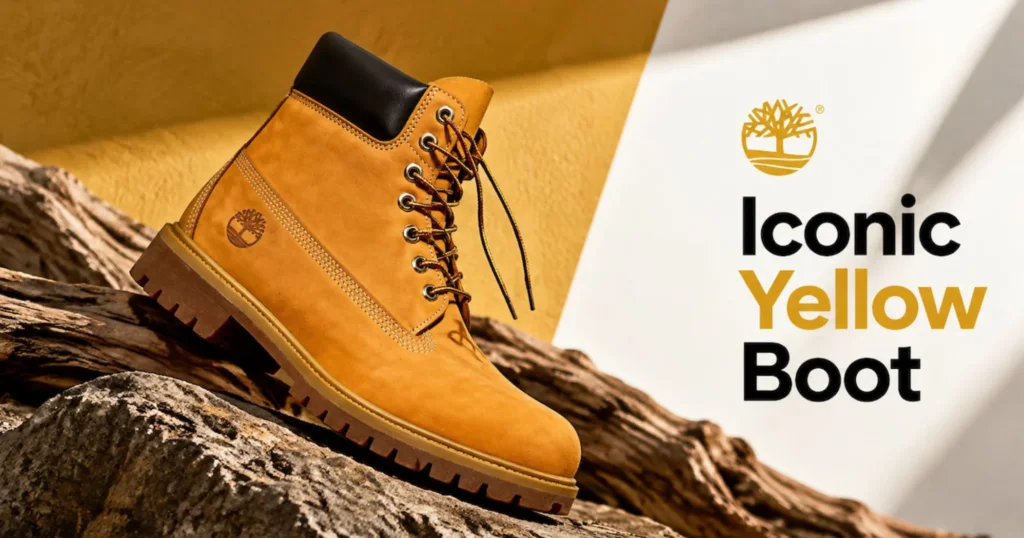
Timberland began as a modest Boston shoe business and became a global boot icon. Its yellow boot was designed for wet New England job sites, yet it later became a streetwear wardrobe staple. Here, we explain how that shift happened, using company statements and published histories.
TL;DR
- Nathan Swartz built his business around durable work footwear.
- In 1973, the family launched a waterproof leather boot that helped keep feet dry.
- The boot gained popularity, and the company adopted the Timberland name in 1978.
- Hip-hop artists adopted TBL boots during the 1990s.
- The boots moved from construction sites to city streets and became part of streetwear.
- Timberland streetwear became a lasting part of American fashion.
The Origins of Timberland in American Footwear
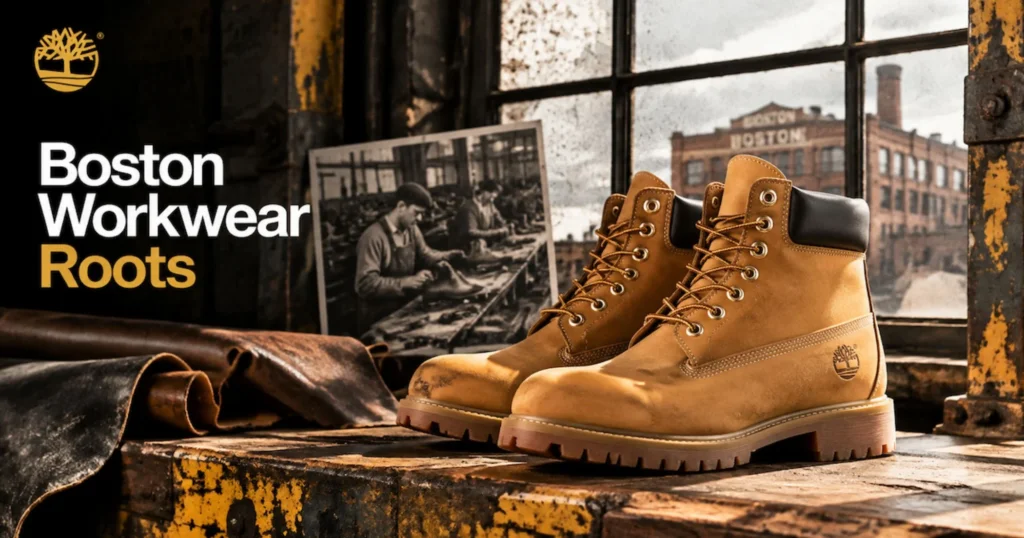
Every famous boot has humble roots, and this one grew from a Boston factory. Below, we meet the family that built the business and the choices that shaped it.
How Nathan Swartz Entered the Bootmaking Industry
Nathan Swartz was a Russian immigrant and veteran shoemaker who spent years solving practical problems. Timberland company history starts with this hands-on craftsman. His grandson, a later company chief, remembered him as a man who sweated at work and cared about outcomes. According to one account, he bought half of the Abington Shoe Company in 1952. Later, in 1955, he took full ownership, and his sons Sidney and Herman joined him.
How the Swartz Family Built the Abington Shoe Company
The factory stood in South Boston and made sturdy footwear for workers, so durability always came first. In 1965, the family pioneered injection molding, which fused soles directly to leather uppers without stitching. Their boots lasted longer and resisted water better. That Timberland origin story explains why waterproofing became the family’s specialty. Careful testing guided each change. Sidney Swartz, in particular, pushed for bold ideas that others doubted.
How Timberland Created Its Waterproof Yellow Boot
Innovation turned a good work boot into a legend. These two parts cover the technology and the colour.
The Innovation Behind the Waterproof Construction
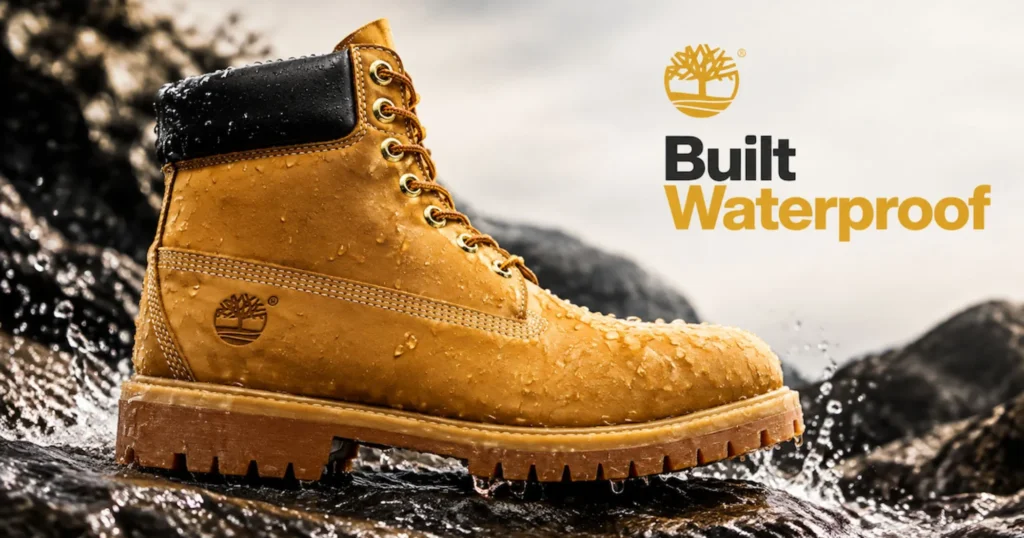
In 1973, the Swartzes combined injection molding with silicone-infused nubuck leather. The Original Timberland Boot set a new standard for waterproof footwear. Sealed seams and a rubber lug outsole made the boot tougher in harsh weather.
Why the Yellow Leather Became Part of the Boot’s Identity
The wheat-coloured nubuck gave the boot its nickname, and workers soon knew it as the yellow boot. Timberland yellow boots appeared on construction sites and farms across New England. Their colour made them easy to spot in mud and snow. The family also added a tree logo, which was unusual for work boots. Critics feared the logo would hurt sales. Instead, the boot became so popular that the company took the name Timberland in 1978.
How the Original TBL Boot Changed Workwear
The new boot answered real problems on real job sites. Below, we look at the 6-inch design and what made it stand out.
Why the 6-Inch Boot Became a Workwear Favourite
Originally the boot stood eight inches tall, and the shorter 6 inch boot came later. The Timberland 6-inch boot kept the same waterproof build with a lighter, easier fit. Workers noticed the difference after long shifts on their feet. It became a favourite among builders and farmers who needed all-day comfort.
How Durability and Waterproofing Set TBL Apart
Rival work boots often soaked through in rain, whereas this one stayed dry. Because the construction needed fewer stitches and less bulk, it also felt lighter on the foot. Workers trusted Timberland work boots in every kind of weather. The materials used in Timberland boots, from nubuck leather to rubber outsoles, played a major role in their durability and waterproof performance.
How Timberland Became a Global Outdoor Brand
Success at home soon led to growth abroad. These parts show how the range widened and how the business went international.
Expanding Beyond Workwear and Outdoor Boots
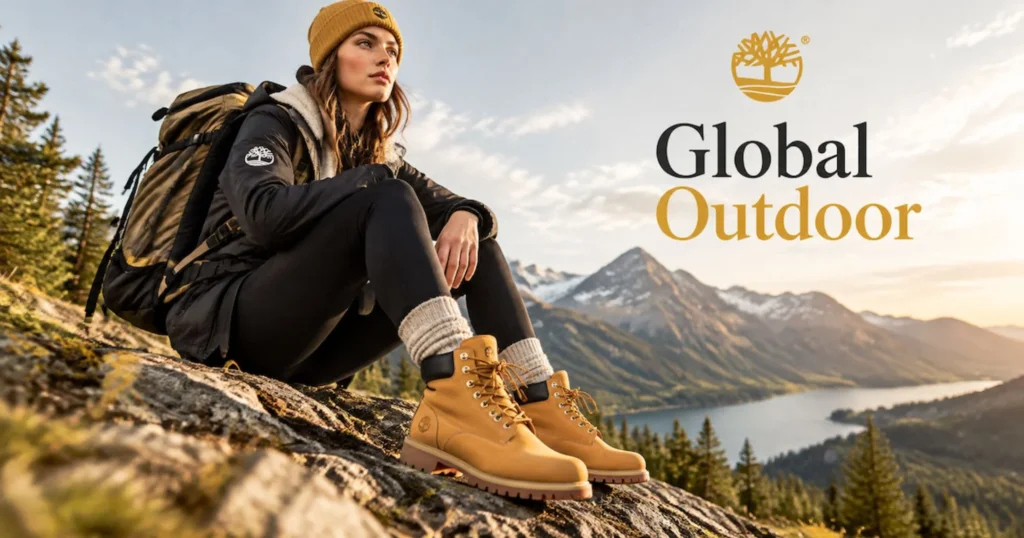
In 1978, the family adapted the rugged lug outsole for the Timberland Boat Shoe, expanding the brand beyond its original workwear roots. The 1988 Euro Hiker gave day hikers a lighter option. Timberland outdoor boots and hiking and sports shoes followed, and the brand became known for outdoor fashion.
How TBL Built Its International Footwear Business
By the early 2000s, Timberland footwear was sold across Europe and Asia. In 2001, the company also began exploring more sustainable approaches to footwear, including the use of recycled materials. Similar material choices are also shaping sustainable fashion, with recycled and lower-impact fabrics becoming increasingly common in clothing and everyday wardrobes. You can explore some of these options in our guide to sustainable fabrics.
Timberland’s approach to sustainable fashion has continued to evolve, with a focus on materials, production, and environmental responsibility. The brand’s history with leather also remains central to its product development, as explored in Timberland’s leather story.
The company is now based in Stratham, New Hampshire, and also has offices in Switzerland and China. It belongs to VF Corporation, which supports its global reach.
How the Yellow Boot Entered Fashion Culture
The boot’s fashion life began with ordinary people, not designers. Below, we trace that unexpected crossover.
From Workwear Boots to Everyday Fashion
At first, Timberland fashion simply meant practical boots in a neutral colour. Shoppers noticed the clean lines and the rugged confidence. Soon, workwear moved from job sites to sidewalks, becoming part of workwear fashion as style-conscious buyers began embracing practical pieces beyond the workplace.
How Consumers Started Wearing Timberland Outside Work
In the late 1980s, Italian Paninari swapped stiff tailoring for an Americana look that included the boot. Milan’s youth wanted something relaxed, and the boot delivered. British ravers of the 1990s chose it for muddy fields and warehouses. In Tokyo’s Harajuku district, the boots later came to stand for individuality.
How Timberland Became Part of Hip-Hop Culture
No cultural link has mattered more to the brand. These two parts explain why the boot became a hip-hop staple.
Why Hip-Hop Artists Adopted Timberland Boots
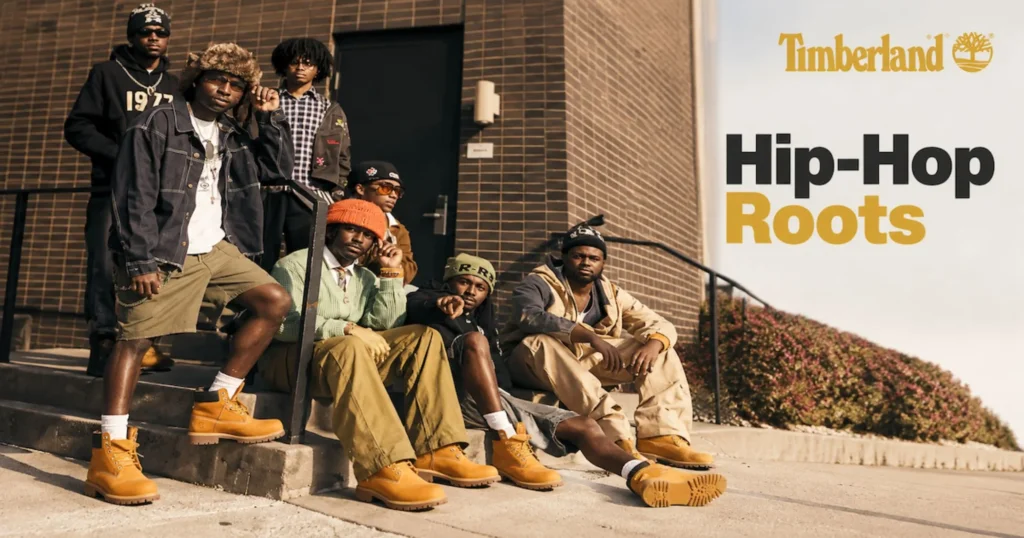
Hip-hop began in 1973, the same year the boot launched, so the two grew up together. The company credits that culture with making TBL the brand it is today. In the 1990s, artists such as Notorious B.I.G., Tupac Shakur and Wu-Tang Clan wore them often. Because the boots looked tough and felt reliable, they suited New York winters and street life. Those artists linked the boots with confidence and street credibility, helping shape the streetwear culture that grew alongside hip-hop and other youth subcultures.
How Music Helped Change the Image of Work Boots
Music videos and lyrics featured the boots constantly, and fans copied what they saw. In New York, the look spread block by block. A basic work boot became a sign of authenticity and ambition. Yet the brand never abandoned its practical roots, which kept the look credible.
How Timberland Became a Streetwear Icon
Streetwear gave the boot a second life. Below, we look at boot culture, urban style and the rise of workwear fashion.
From Boot Culture to Streetwear Fashion
Boot culture grew as fans swapped stories, colourways and styling tips. Collectors compared pairs, and newcomers learned how to wear them. Streetwear fashion embraced chunky silhouettes and earthy tones. Timberland streetwear pieces now sit beside sneakers in many capsule wardrobes, where versatile footwear can be styled across different looks.
How the Yellow Boot Became a Symbol of Urban Style
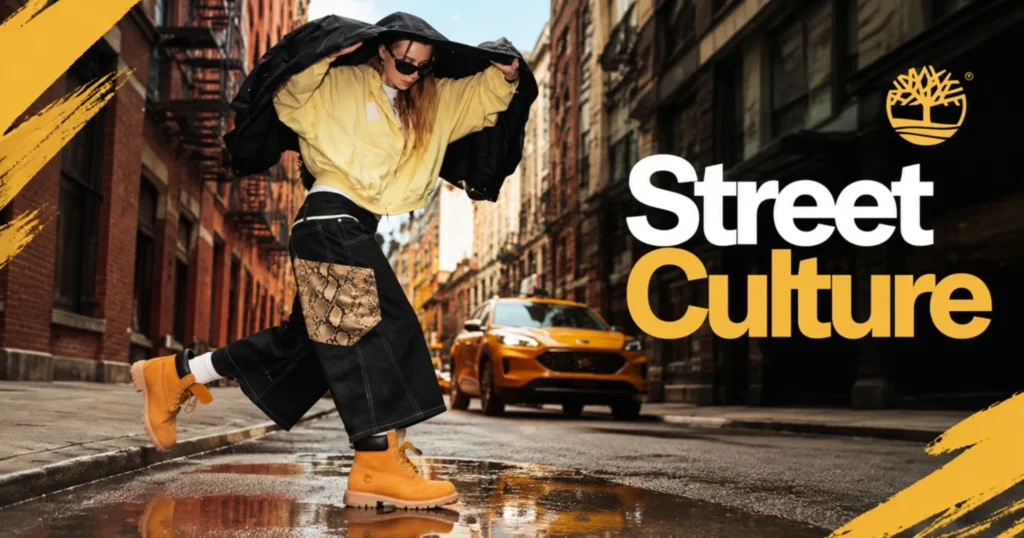
In New York, the boot stood for toughness, authenticity and style. Photographers often framed it beside denim and oversized hoodies and jackets. The wheat nubuck matched denim and streetwear with ease, while hoodies and puffer jackets helped complete the look. Some fans choose Timberland black boots and Timberland yellow boots that mix the classic nubuck with dark trim.
Timberland and the Rise of Workwear Fashion
Workwear fashion celebrates garments built for real labour. Because the boot already met that standard, it fit the trend naturally. Designers kept returning to it for inspiration, which strengthened its status as a classic footwear piece.
How TBL Expanded Its Footwear Range
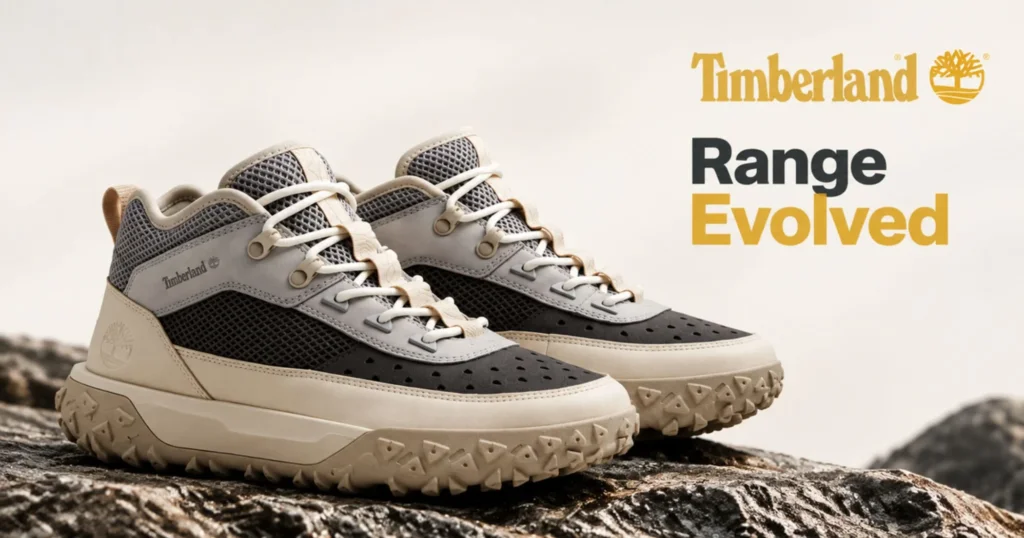
The range grew well beyond one famous shape. These parts cover men’s, women’s, children’s and seasonal styles.
Timberland Boots for Men and Women
Timberland boots men wear on job sites share a core design. Women’s versions, the Timberland boots women choose for city life, follow the same pattern. In addition, kids Timberland boots bring the same look to younger feet. One silhouette suits many ages. Many children’s styles borrow the same waterproof ideas, so parents can buy with confidence.
Timberland Chelsea Boots and Modern Styles
For smarter outfits, Timberland chelsea boots offer a slip-on shape with the same rugged character. Likewise, new colours, soles and materials keep older styles fresh. Shoppers can pick tradition or novelty without leaving the brand.
Timberland Winter Boots and Outdoor Footwear
Because the original boot was built for New England weather, Timberland winter boots feel like a natural extension. Insulated and waterproof footwear of Timberland protects against snow and slush. Many TBL boots handle winter commutes thanks to sealed seams. The line suits commuters as well as hikers.
How Timberland Connected Fashion With Outdoor Life
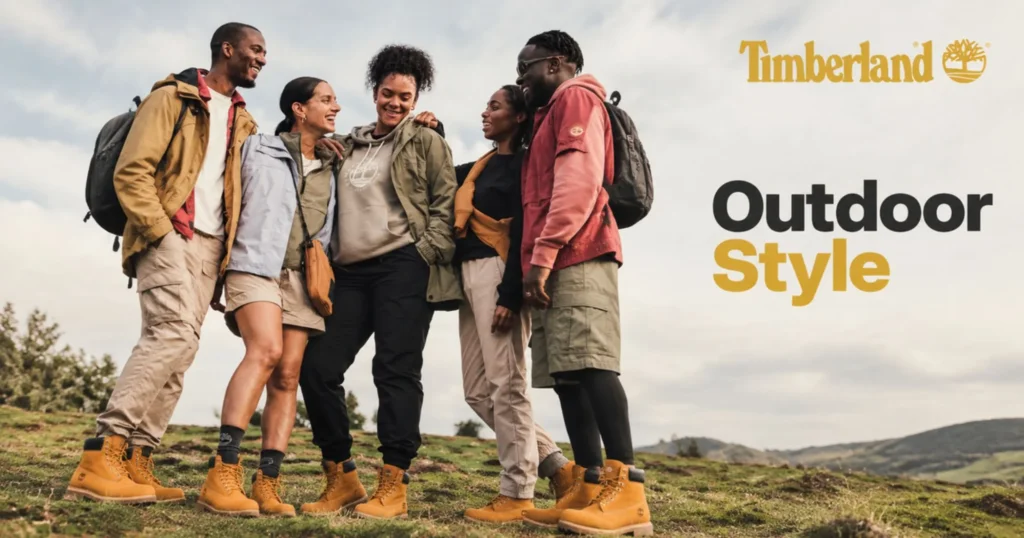
Beyond boots, the brand sells a way of living outdoors. Below, we see how it built that lifestyle.
Building a Lifestyle Around Outdoor Footwear
Timberland describes itself as a global outdoor brand. Its message centres on working hard, stepping outside and caring for the planet. Over time, that outlook turned boots into a statement about values.
Timberland Clothing and Everyday Outdoor Style
Timberland clothing and accessories now complement the footwear, so shoppers can match jackets, shirts and bags. Warm layers and sturdy trousers pair well with the boots. Rugged streetwear echo the boot’s character. Everyday outdoor style feels cohesive. Neutral shades keep outfits simple, and sturdy fabrics last for years.
How Timberland Collaborations Shaped Modern Fashion
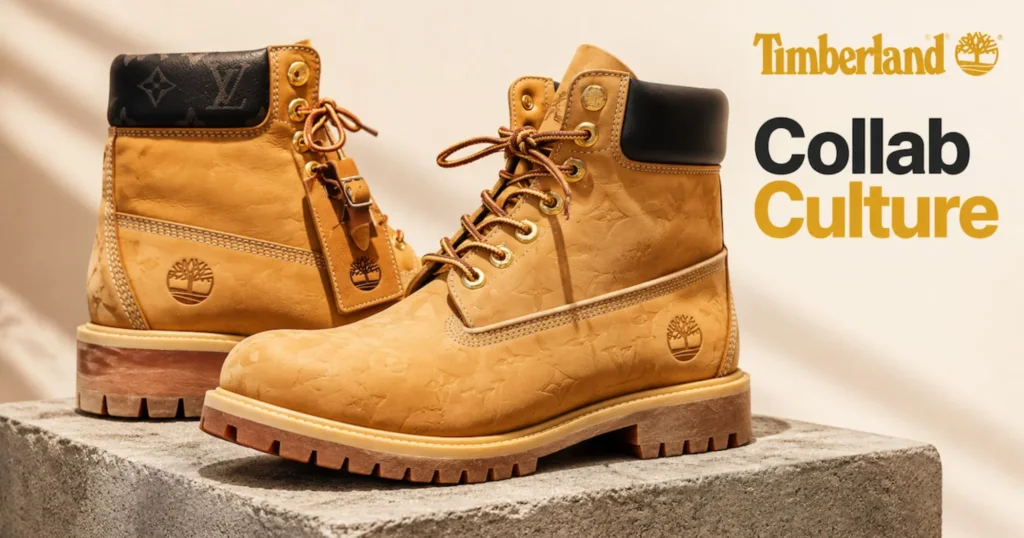
Collaborations brought the boot into new circles. These three parts look at designers, luxury houses and reinvention.
Designer and Brand Collaborations
The first collaboration came in 1998 with David Z. Later, partners included Supreme, Stüssy, Off-White and Pangaia. Because each project added fresh ideas, the boot stayed relevant to young buyers. Limited releases also created excitement among collectors, with Timberland collabs continuing to bring fresh designs and creative partnerships to the brand.
Jimmy Choo and the Timberland Collaboration
The Jimmy Choo Timberland partnership paired luxury craft with rugged heritage. In addition, Timberland worked with Louis Vuitton on an A/W24 collection that reimagined American work boots in Italian factories. The Louis Vuitton x Timberland Fall-Winter 2024 collection showed how far the yellow boot had travelled.
How Collaborations Reimagined the Yellow Boot
Designers kept the lug sole and the nubuck but changed colours, shapes and finishes. The yellow boot appeared on runways as well as on job sites. For the 50th anniversary of Timberland, the brand also invited creators to rework the icon through the Future73 project.
How Timberland Kept the Yellow Boot Relevant
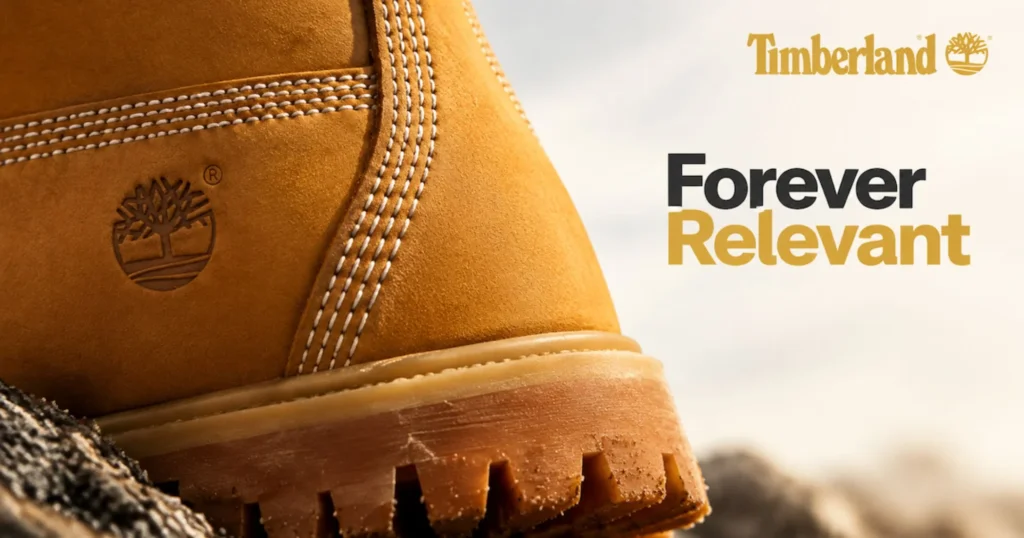
A classic must evolve to survive. Below, we look at updates, lasting appeal and new generations.
Updating the Classic 6-Inch Boot
In 2021, GreenStride technology, featuring 75% bio-based materials, arrived on several styles. The company also launched CONSTRUCT:10061 in 2018 to rethink how boots are made. In 2023, the Timberloop circular design approach reached the 6-inch boot for the first time. These developments reflect the wider shift toward sustainable fashion, where material choices, durability, and responsible production are becoming increasingly important.
Why the Original Yellow Boot Still Matters
Because the Timberland yellow boot still carries its original waterproof promise, it feels honest. The design has remained recognisable for over fifty years. Even so, small upgrades keep it comfortable and responsible.
How New Generations Continue to Wear Timberland
Young fans discover the boot through music, social media and fashion collaborations. The classic shape feels familiar, yet fresh colours keep it current. Older wearers return to it for comfort and nostalgia. Parents often pass their pairs down, which keeps the story moving. TBL history therefore feels alive rather than archived.
The Bottom Line
The story shows that function can lead to fashion. Few boots have crossed so many worlds, from farms to runways, without losing their purpose. Because the boot solved a real problem, workers trusted it, and later artists and designers embraced it. Today, the history of Timberland proves that honest design can outlast trends. Timberland remains a leader in boot culture.
FAQs
When was Timberland founded?
The business traces back to the Abington Shoe Company, and it took the Timberland name in 1978.
Who created the TBL Yellow Boot?
Nathan Swartz and his son Sidney created it at TBL, and the family introduced it in 1973.
When did the original Timberland Yellow Boot launch?
It launched in 1973 as a waterproof leather work boot.
Why are Timberland boots yellow?
The wheat-coloured nubuck gave the boot its yellow look and its nickname.
What is the Timberland 6-Inch Boot?
It is the lighter, shorter version of the original waterproof boot, and it remains the brand’s best-known style.
Why did Timberland boots become popular in hip-hop?
Hip-hop artists in the 1990s wore them because they looked tough and handled harsh weather. Notorious B.I.G., Tupac Shakur and Wu-Tang Clan were among the best-known wearers.
Are Timberland boots work boots?
Yes, they began as work boots, although many people now wear them for fashion.
Are Timberland boots good for winter?
Indeed, the waterproof design suits snow and rain, and insulated styles add warmth.
How did Timberland become a streetwear brand?
Hip-hop culture and fashion collaborations carried the boots from job sites into streetwear.
Why are Timberland Yellow Boots still popular?
They combine proven waterproof performance with a classic look that suits many styles.
The business traces back to the Abington Shoe Company, and it took the Timberland name in 1978.
Nathan Swartz and his son Sidney created it at TBL, and the family introduced it in 1973.
It launched in 1973 as a waterproof leather work boot.
The wheat-coloured nubuck gave the boot its yellow look and its nickname.
It is the lighter, shorter version of the original waterproof boot, and it remains the brand’s best-known style.
Hip-hop artists in the 1990s wore them because they looked tough and handled harsh weather. Notorious B.I.G., Tupac Shakur and Wu-Tang Clan were among the best-known wearers.
Yes, they began as work boots, although many people now wear them for fashion.
Indeed, the waterproof design suits snow and rain, and insulated styles add warmth.
Hip-hop culture and fashion collaborations carried the boots from job sites into streetwear.
They combine proven waterproof performance with a classic look that suits many styles.
Tags:

Aakash Jethwani
Founder & CEO at NineE AI
Aakash Jethwani is the Founder & CEO of NineE AI, a Fashion Exploration Engine built to help peo...
Read More
Get Latest Fashion Insights, Before Everyone Else.