Updated on Oct 21, 2026
Dr. Martens: How a Work Boot Became a Youth Culture Icon
Brand StoriesChirag Pariyani14 Mins reading time
Dr. Martens began as a simple work boot, and today it stands for music and youth. Postmen and factory workers wore the boots first. Then mods, punks, goths, and rock stars made them their own. This blog tells that story in plain words. Step by step, you will see how Doc Martens moved from the shop floor to the stage.
TL;DR
- A German doctor developed a soft, cushioned sole in the 1940s.
- A British company brought the idea to England in 1959.
- The first Dr. Martens boot launched in 1960 for workers.
- Soon, young people adopted the boots as part of their style.
- Different music scenes gave Dr. Martens boots new meanings. Mods wore them neatly, punks customised them, and goths favoured black styles.
- Over time, DM boots became a symbol of identity and belonging across youth subcultures.
The Origins of Dr. Martens Footwear
How Klaus Märtens Developed the Air-Cushioned Sole
Klaus Märtens was a doctor in the German army. He hurt his ankle while skiing in 1945. So he set out to make a better boot. After the war, he built a pair with air-cushioned soles.
How the Griggs Company Brought the Boots to Britain
In 1947, Märtens teamed up with his friend Herbert Funck. They started a small business in Germany. By 1959, the British firm R. Griggs bought the rights to make the shoes in the United Kingdom, as explained in the Dr. Martens official history. It made the name sound more English and added yellow stitching.
How the 1460 Boot Launched on 1 April 1960
The 1460 eight-eyelet boot arrived on 1 April 1960. A three-eyelet 1461 shoe followed one year later. Both remained top sellers.
How Dr. Martens Became Popular With British Workers
Why Postmen and Factory Workers Wore the Boots
Early buyers were postmen, police officers, and factory workers. They walked and stood all day. So they needed soft, Chelsea boots. The cushioned sole gave them relief.
How Durable Design Made the Boots Practical
The Doc Martens Chelsea boots were built to last. The sole was thick and springy. The leather was tough. In addition, the grip held on wet streets.
How Workwear Footwear Reached a Younger Audience
Young people noticed the boots on the street. They liked their tough look and soon began wearing them off the job. In the late 1960s, skinheads adopted Dr. Martens boots as a defining part of their subculture fashion. Over time, the boots also became associated with streetwear fashion, influencing how people styled everyday outfits.
Today, these iconic boots can also be styled into sustainable outfits on a budget.
How Music Helped the Boots Enter Youth Culture
How Pete Townshend of The Who Popularised the Boots
Pete Townshend wore Doc Martens boots early on. He wore them in 1966. That made them the choice of the mod crowd. The BBC, as noted by Wikipedia, calls him the first big name to wear them.
Why Musicians Chose the Boots for Stage Performances
Stages are hard on feet. Musicians jump, stomp, and run. These boots stayed strong and comfy. As a result, bands kept coming back to them.
How Rock Music Helped Shape the Brand’s Identity
Rock stars gave the boots their rebel image. Nylon names Sid Vicious and The Clash among early fans. Darren McKoy, the brand’s creative director, says word of mouth did the rest. The Sex Pistols and Dr. Martens collaboration continues to celebrate the rebellious spirit of punk fashion.
How the Boots Became Part of Mod and Skinhead Style
How Mods Connected Boots With British Street Style
Mods loved clean, sharp looks. Hero Magazine lists polo t-shirts, mohair suits, and parkas. They rode Vespas and played the Who and the Kinks. Meanwhile, the boots added a hard edge.
How Ska Music Influenced Early Fans
Ska came from Jamaica. Skinheads and rudeboys loved its beat. Hero Magazine says skinheads wore bomber jackets, braces, and cherry red DMs. Their style grew from ska and rudeboy culture.
How the Boots Became Part of Working-Class Youth Fashion
Working-class teens liked the tough, neat look. Therefore, the boots became popular among young people in many towns. However, the history of British subculture fashion notes that far-right groups later adopted the look. Two-tone bands like The Specials pushed back with a message of unity.
How Punk Made the Boots a Symbol of Rebellion
How Punk Musicians Adopted the Boots
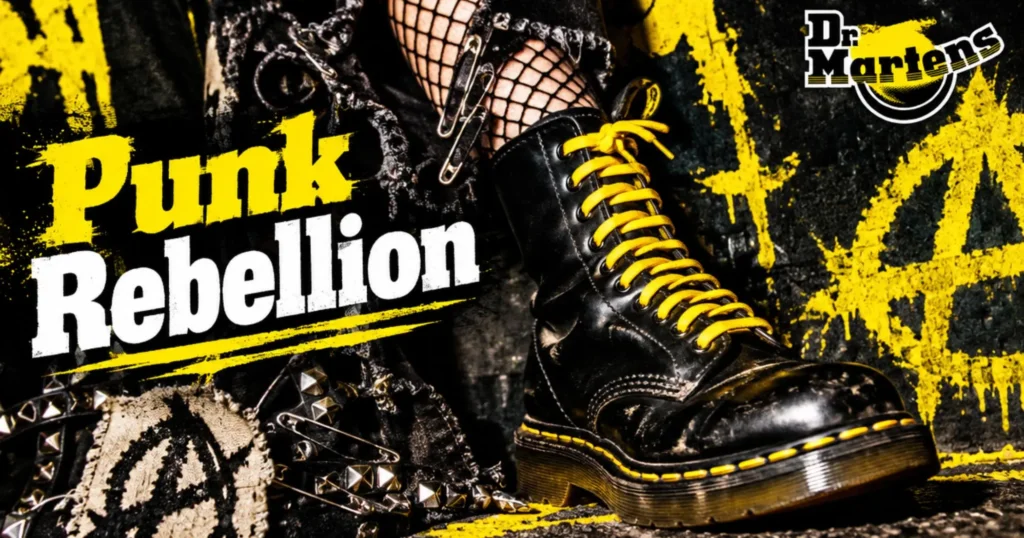
Punk exploded in the 1970s. Hero Magazine credits Vivienne Westwood and Malcolm McLaren for its style. Punks wore ripped clothes and safety pins. The high-cut boot finished the look.
How Customised Boots Became Part of Alternative Fashion
Punks did not leave the boots plain. They cut and decorated them. They laced them tight with bright thread. So each pair told a story.
Why the Boots Matched Punk’s Rebellious Attitude
Punk said no to rules. The boots said the same without words. They were heavy and unpolished. Moreover, they came from the working world. As punk gained popularity, Dr. Martens became closely associated with the punk fashion scene.
How Dr. Martens Became Part of Goth and Two-Tone Culture
How Goth Style Embraced Black Boots
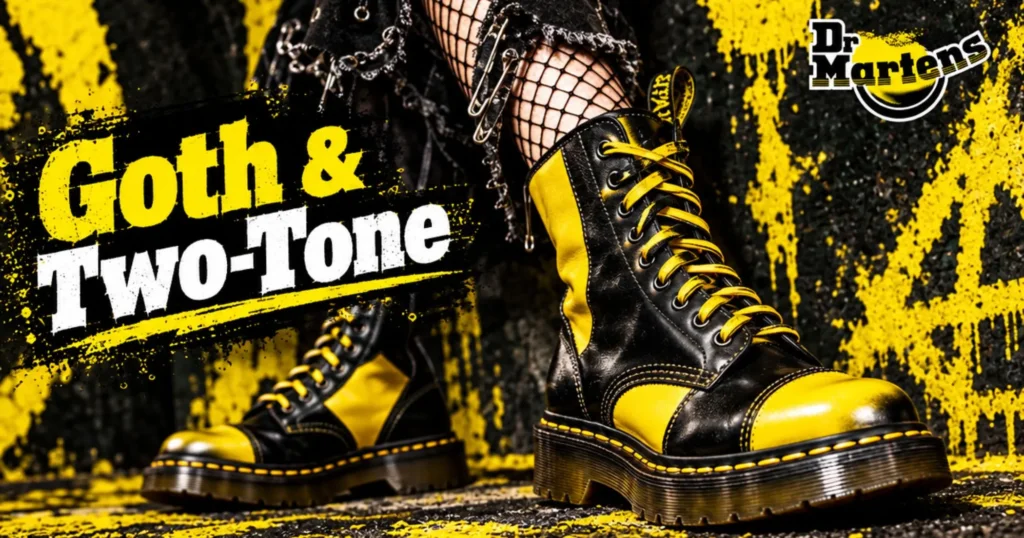
Goth grew out of punk. They wore black, even capes. They loved bands like Bauhaus, The Damned, and The Cure. Black boots fit that dark mood.
How Two-Tone Ska Connected Music With Street Fashion
Two-Tone mixed ska with punk energy. The Specials led the scene. Mixed bands played together, bringing different musical influences into one movement. Their distinctive Two-Tone fashion connected the music to street style, while Doc Martens boots became part of the look.
How Different Subcultures Made the Boots Their Own
Each group wore the boots in its own way. Mods kept them clean. Punks tore them up. Goths dyed everything black.
How Grunge and Britpop Brought the Boots Back
How Grunge Fashion Brought the Boots Into the Mainstream
Grunge came from Seattle in the 1980s. It’s linked to Nirvana, Pearl Jam, and Alice in Chains. Its fans wore flannel and old boots. In 1993, Marc Jacobs’ Perry Ellis grunge collection paired flannel with classic boots. After that, grunge style hit the mainstream.
How Britpop Bands Kept the Boots Relevant in the 1990s
Britpop bands looked back to the sixties. Blur and Oasis wore polo T-shirts and fishtail jackets. Pulp and Suede had their own looks. Esquire explores Damon Albarn’s Britpop style, while Doc Martens boots remained a constant across different looks.
How Alternative Style Influenced Everyday Outfits
An alternative style made rough looks cool. People mixed boots with dresses and jeans. As the trend grew, boots became common beyond alternative fashion, pairing well with office outfit ideas. Soon, offices and schools saw them too, making them part of everyday wear.
How the Brand Became a Global Music and Fashion Icon
How Alternative Music Helped the Brand Reach New Audiences
Alternative bands carried the boots to new fans. Gwen Stefani wore Doc Martens boots. Fans saw the stars and wanted the same pair. In 1989, a license even opened a plant in New Zealand.
How Hip-Hop, Pop-Punk, and Other Genres Adopted the Boots
Other genres joined in. Nylon lists Will Smith, TLC, and Tyler, the Creator. Pop-punk and emo fans also love them. The Doc Martens creative director says the links feel natural.
How Music Festivals Strengthened the Brand’s Cultural Identity
Festival crowds love sturdy boots. Mud, dust, and long days all test shoes. Fans wear them with shorts and band shirts. That shared look builds community.
How the Brand Expanded Beyond Its Classic Boots
Dr. Martens 1460 Boots and Their Lasting Appeal
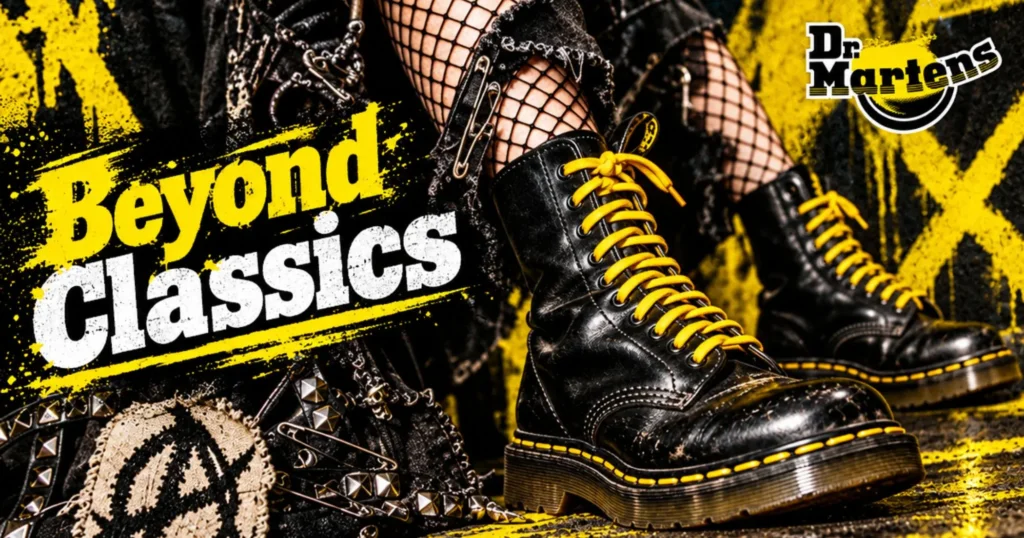
The Doc Martens 1460 is the heart of the line. It has eight eyelets and a yellow stitch. The shape has hardly changed.
How Dr. Martens 1461 Shoes Became an Everyday Classic
The Doc Martens 1461 shoe celebrated its 65th anniversary, highlighting its lasting place in footwear fashion. The low-cut design features three eyelets, making it suitable for warmer days and office looks. Its classic style has helped it remain an everyday footwear staple.
The Doc Martens 1461 remains an everyday footwear staple. Pairing it with versatile capsule wardrobe essentials can help create effortless looks for different occasions.
How Chelsea Boots and Loafers Expanded the Range
The range grew with new shapes. Doc Martens Chelsea boots slip on with no laces. Loafers add a neat, smart feel. So fans can choose a new look without losing the base.
How Sandals and Platform Dr. Martens Reached New Audiences
Sandals arrived for hot days. Platform boots added extra height. Stars like Olivia Rodrigo, Avril Lavigne, and Willow Smith wear platform Docs onstage. Thus, a new crowd found the brand.
How the Brand Became Part of Modern Street Style
How the Boots Moved From Subcultures to Everyday Fashion
The brand broke through to the mainstream. It crossed from small scenes to big stores. Now many people wear the boots with no scene at all. For example, they pair them with jeans or dresses.
The brand continues to connect with fans worldwide through its retail stores. You can explore its official Dr. Martens store locator to find a store near you.
How Younger Generations Styled the Classic Boots
Young people mix old and new. They wear the boots with baggy jeans or short skirts. Emo and pop-punk looks are back. Therefore, black boots feel fresh again.
How Dr. Martens Mens Styles Fit Into Modern Outfits
Men can wear the boots with jeans and a plain tee. A Chelsea boot suits a dark coat. A low shoe works with chinos. These versatile pieces can form the foundation of a practical men’s capsule wardrobe, with men’s footwear that works for both workdays and weekends.
How the Brand Connected Alternative Fashion With Mainstream Style
Alternative style once stood apart. Now it blends in. Stars like Dua Lipa and Bella Hadid have been spotted wearing Doc Martens boots, as seen in this gallery of Doc Martens worn by celebrities. Their looks show how rebellious footwear can work with everyday outfits, blending alternative fashion with mainstream style.
How the Brand Used Collaborations to Reach New Audiences
How Designer Collaborations Reimagined Classic Boots
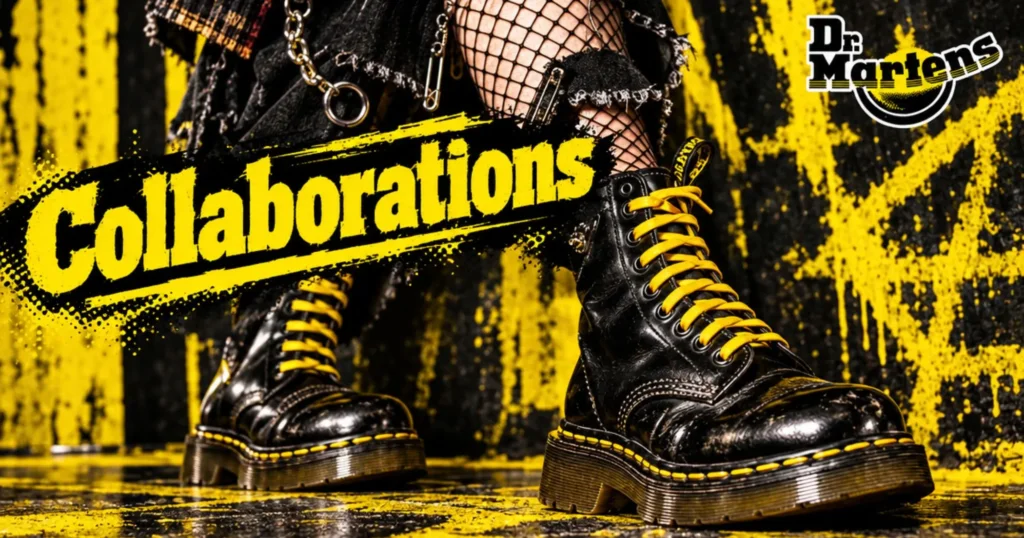
Collaborations give classic boots new life. Through Doc Martens designer collaborations, designers introduce fresh colours, materials, and silhouettes while keeping the Doc Martens signature style recognisable. A recent example is the Dr. Martens x Sage Nation collaboration, which reimagines the classic 1461 shoe through distinctive detailing and craftsmanship.
How Partnerships Connected the Brand With Music and Streetwear
Music and streetwear fit the brand well. In 2020, Dr. Martens launched a Black Sabbath shoe collection, marking 50 years of the band’s albums. The collaboration connected classic rock fans with a new generation of buyers.
How Collaborations Kept the Brand’s Heritage Relevant
McKoy says the brand avoids elitist partnerships. Instead, it picks real links to its culture. He also says nostalgia matters. The past, in his view, inspires the future.
How the Brand Preserved Its Culture Across Generations
Why the Classic Design Remains Recognisable
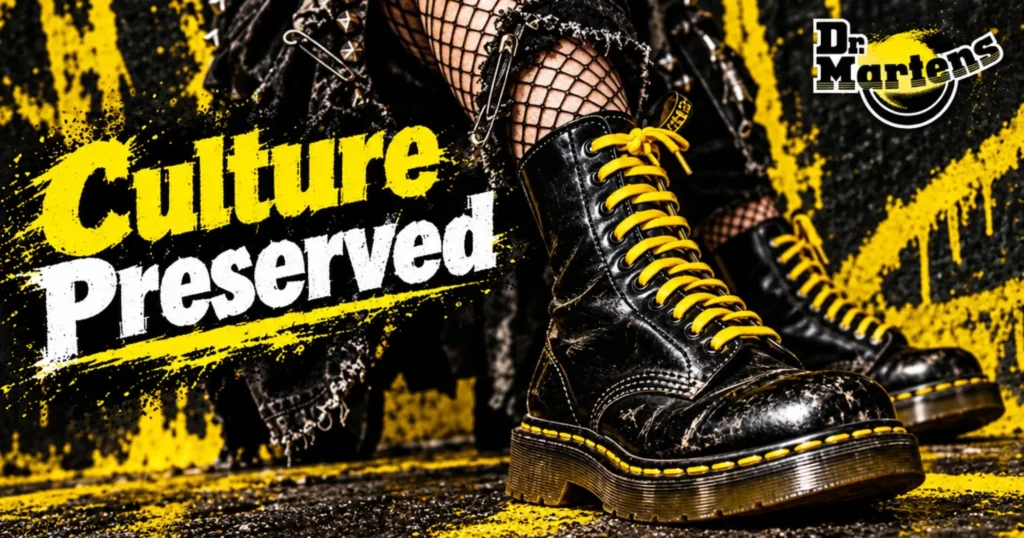
The design has stayed steady for decades. The thick sole, the yellow stitch, and the tall shaft stand out. People spot the boots at a glance. Because of this, the look feels timeless.
How Fans Use the Boots for Self-Expression
Fans show who they are through their boots. Some paint them, while others add charms or bright laces. In short, the boots act as a blank page for personal style, allowing wearers to express their individuality and create a unique streetwear aesthetic.
How the Brand Balances Its History With Modern Trends
New styles keep the brand fresh. The Lite range feels more like a sneaker. It needs no long break-in. So the brand honors its past and looks ahead.
The Bottom Line
What began as a practical solution for an injured ankle eventually became one of fashion’s most recognisable icons. Doc Martens boots earned their place through years of everyday wear before becoming part of mod, skinhead, punk, goth, and grunge culture. Each generation brought its own attitude and styling to the boots, turning them into a symbol of individuality and rebellion. Today, they continue to move between subcultures and mainstream fashion without losing their distinctive character. Their lasting appeal lies in that ability to evolve while staying true to their roots, making Dr. Martens a timeless part of denim and streetwear fashion.
FAQs
When was Dr. Martens founded?
Klaus Märtens made his first cushioned boots in the 1940s. The British firm Griggs launched the brand in 1960.
Who invented Dr. Martens boots?
Klaus Märtens, a German doctor, invented the air-cushioned sole. His friend Herbert Funck helped build the business.
When did the first Dr. Martens 1460 boot launch?
The first 1460 boot launched on 1 April 1960. Its name comes from that date.
Why did musicians start wearing the boots?
They were tough and comfy. Pete Townshend wore them early on. Then other bands followed his lead.
How did the brand become part of punk culture?
Punks loved the working-class look. They cut, decorated, and laced the boots in bright thread. The boots matched punk’s loud attitude.
Why are the boots associated with alternative fashion?
Many alternative scenes wore them, including punk and goth. Each group made the boots their own. So they came to stand for individual style.
How did the brand become popular in grunge fashion?
Grunge fans liked rough, worn looks. Boots fit that mood. Marc Jacobs also paired them with flannel in 1993.
What is the difference between Dr. Martens 1460 boots and 1461 shoes?
The 1460 has eight eyelets and is a boot. The 1461 has three eyelets and is a low shoe.
Does Dr. Martens make shoes, sandals, and loafers?
Yes, the range includes shoes, sandals, and loafers. It also has Chelsea boots and platform styles.
Klaus Märtens made his first cushioned boots in the 1940s. The British firm Griggs launched the brand in 1960.
Klaus Märtens, a German doctor, invented the air-cushioned sole. His friend Herbert Funck helped build the business.
The first 1460 boot launched on 1 April 1960. Its name comes from that date.
They were tough and comfy. Pete Townshend wore them early on. Then other bands followed his lead.
Punks loved the working-class look. They cut, decorated, and laced the boots in bright thread. The boots matched punk’s loud attitude.
Many alternative scenes wore them, including punk and goth. Each group made the boots their own. So they came to stand for individual style.
Grunge fans liked rough, worn looks. Boots fit that mood. Marc Jacobs also paired them with flannel in 1993.
The 1460 has eight eyelets and is a boot. The 1461 has three eyelets and is a low shoe.
Yes, the range includes shoes, sandals, and loafers. It also has Chelsea boots and platform styles.
Tags:

Chirag Pariyani
AI Engineer, NineE
Chirag is part of the engineering team at NineE, working on the technology that powers the product —...
Read More
Get Latest Fashion Insights, Before Everyone Else.