Updated on Oct 15, 2026
Vans: From California Skate Parks to Global Fashion
Brand StoriesAakash Jethwani13 Mins reading time
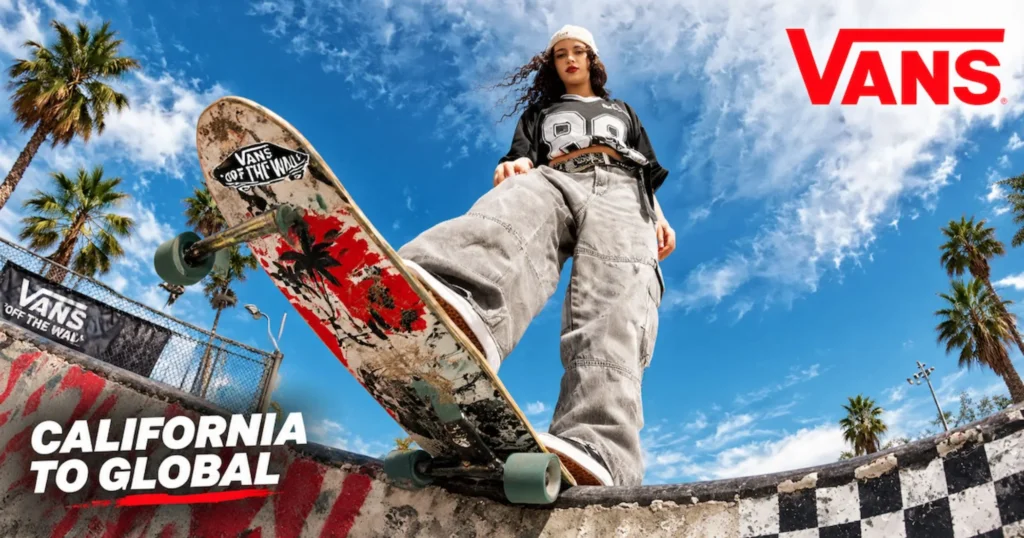
Vans began in 1966 as a small California shoe shop and became the footwear of skate culture. Its canvas shoes were never built for skating. Skaters simply found that they worked better than anything else. That quiet discovery shaped a brand, a look and a whole youth movement. This article follows the story from Anaheim to the world’s streets.
TL;DR
- Paul Van Doren, his brother James, and their partners opened the first shop in Anaheim in 1966.
- The company made shoes on site and sold them directly to customers.
- Vans later grew into a global brand owned by VF Corporation.
- Skaters valued this brand for their grip, affordable price, and strong board feel.
- Skaters wore this in pools and on streets, helping shape the brand’s identity.
- Music, pop culture, and fashion helped turn this brand into a symbol of youth culture.
The Origins of Vans in California
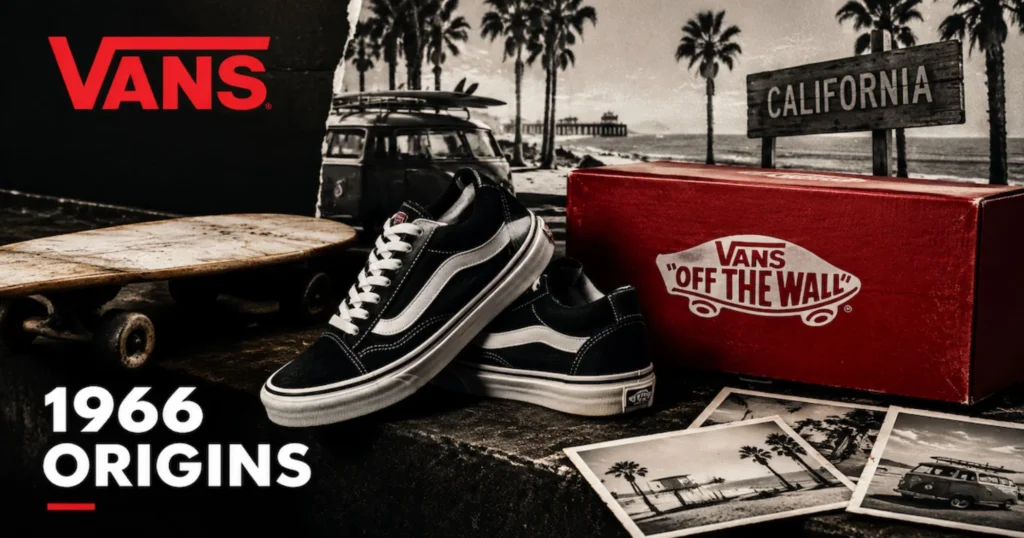
Every classic starts with a small idea. Here, the idea was to make shoes where customers could watch. The history of Vans begins with that simple promise.
How Paul Van Doren and His Partners Started Vans
Paul Van Doren, James Van Doren and Gordon Lee opened the Van Doren Rubber Company on March 16, 1966. One source adds Serge Delia as a fourth partner. The first shoes were basic canvas deck shoes. The men’s shoes version cost $4.49. It was a modest price for a pair made by hand.
Why the First Vans Store Opened in Anaheim in 1966
The shop stood on East Broadway in Anaheim, California. Customers picked a pair in the morning, paid, and went about their day. They returned that afternoon to collect shoes made while they waited. That direct approach gave the company speed, trust and a loyal local crowd. Nobody else on the block offered shoes made while you shopped. Word of mouth did the rest.
How It Created Shoes for Local Skaters
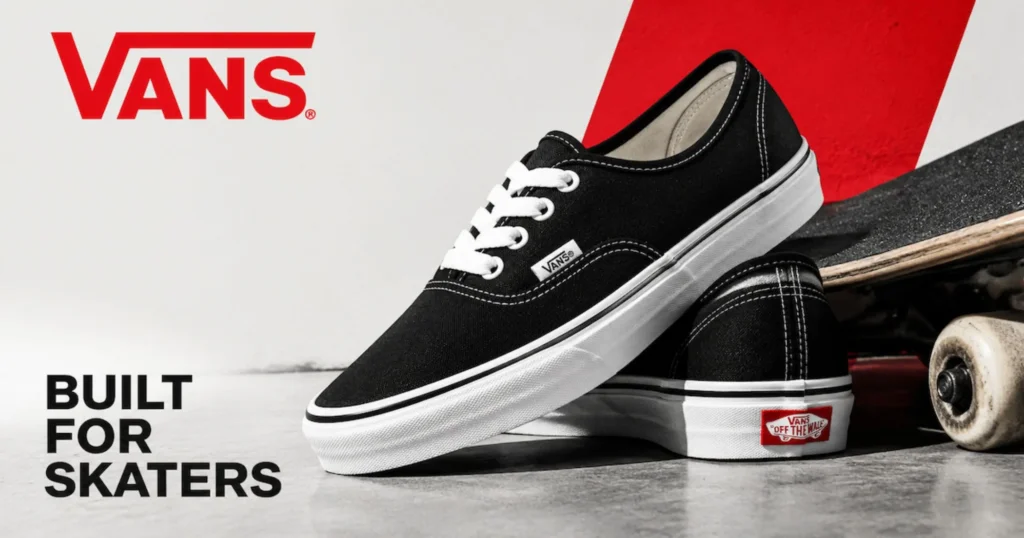
The company did not chase skaters at first. The skaters came to it.
The Original Vans #44 Deck Shoe
The first model was Style #44, a low-top canvas shoe. It had plain lines and a thick rubber sole. It was renamed the Vans Authentic in 1993. Its vulcanised rubber sole gripped griptape better than rival soles. Vans shoes history starts with this plain, sticky deck shoe. Nothing about it was fancy. The sole did the work, and skaters noticed straight away.
How Direct Sales Connected Vans With Skateboarders
Vans sneakers history shows how much this mattered. Selling straight to customers meant the makers heard feedback fast. Skaters walked in and asked for tougher shoes. The team listened and adjusted. Small changes arrived quickly, because the factory sat behind the counter. That open door made Vans skate shoes feel built with riders, not for them.
How it Became Part of Early Skate Culture
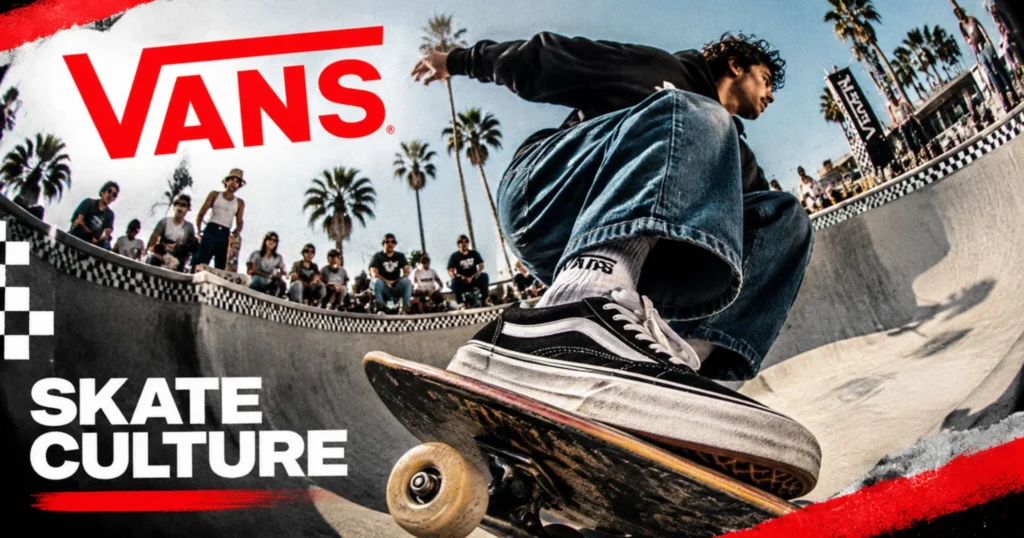
Southern California in the 1970s was the cradle of modern skating style. The shoes fit the scene.
How Southern California Skaters Adopted Vans
Skateboarding exploded in the early 1970s. Riders carved empty swimming pools across the region. Drought had left many backyard pools dry. Skaters treated them like concrete waves. They wanted shoes that were cheap, tough and grippy. Vans footwear matched all three, so skate crews adopted it.
Why These Skate Shoes Worked for Skateboarding
The low profile let skaters feel the board. The rubber sole held the griptape well. Canvas dried quickly and cost little to replace. Skaters destroyed shoes fast, so low prices mattered. Few rival shoes of the era offered that mix. A pair also cost far less than a leather shoe or sneaker. Teenagers could afford to wear them out.
How it Built Its Classic Skate Shoe Line
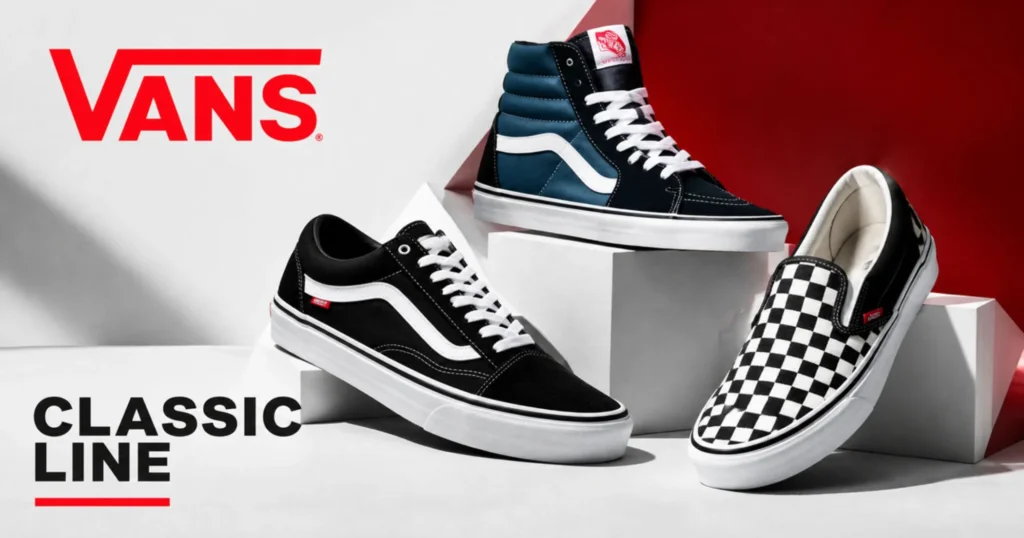
Three silhouettes carried the brand through the decades. Below, we meet each one.
The Origins of the Vans Old Skool
The Vans Old Skool arrived in 1977 as Style #36. It was the first shoe to carry the wavy side stripe, known as the Jazz Stripe. The stripe began as a simple doodle. It caught on because it was easy to spot. Skaters in photos were suddenly easy to identify.
How the Vans Sk8-Hi Changed Skate Shoes
The Sk8-Hi followed in 1978 as Style #38. Its high top protected skaters’ ankles. That made it a favourite for serious riders. The Vans Sk8-Hi cemented the brand’s place in skating. Falls hurt less when the ankle had padding. Riders trusted what protected them.
Why the Vans Slip-On Became a Classic
The Slip-On launched in 1977 as Style #98. It had no laces and a flexible fit. Then came 1982, when Sean Penn wore checkerboard Vans in Fast Times at Ridgemont High. The Vans Slip-On became a youth icon overnight.
How the Vans Brand Grew Through Skateboarding
Skaters did more than wear the shoes. They helped design them.
Sponsoring Skaters and Building the Vans Team
In the mid-1970s the company worked with Tony Alva and Stacy Peralta. Together they created the Era, the first shoe made for skating. It had a padded collar and the same sticky sole. Steve Caballero later gave the team a high-top signature model in 1989. Pro models showed that the company respected its riders. Fans bought the shoes their heroes wore.
How Skateboarding Helped Shape Vans’ Identity
The Half Cab came in 1992. Street skaters had been cutting down Vans high top by hand. They noticed and made it official. That story shows how skate culture steers the company. The shoe came from skaters with scissors, not from a marketing team. Collectors still love that tale.
How it Became Part of Youth and Subculture Fashion
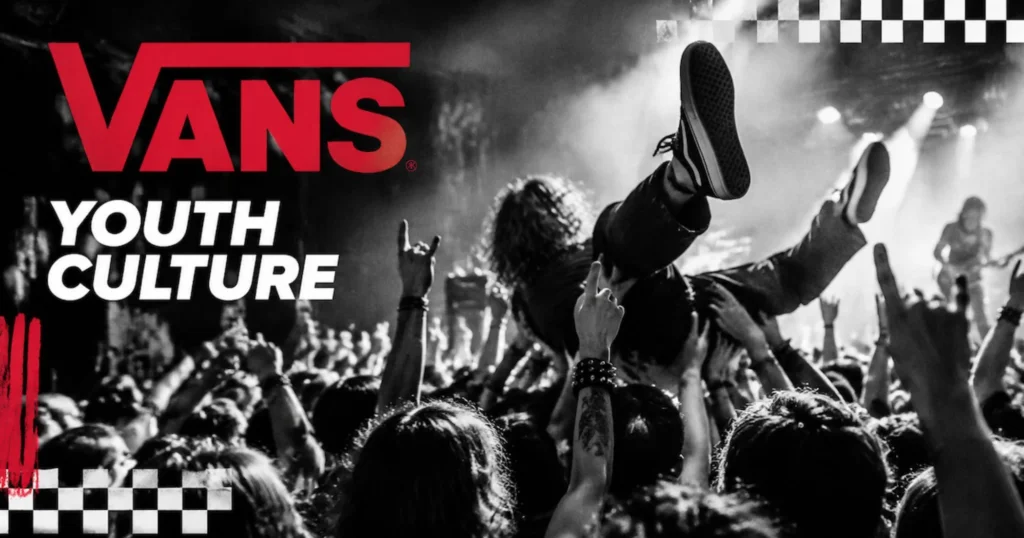
The brand soon outgrew the ramp. Teenagers saw a style worth copying.
From Skate Parks to Youth Culture
Kids who had never ridden a board bought the shoes after 1982. Some of them walked into skate shops and stayed. As it moved beyond skateboarding, its shoes became part of streetwear culture, where they represented a sense of attitude and individuality. The slogan “Off the Wall” matched the mood. It promised creativity without rules. It came from the Z-Boys, who used it for aerial tricks in empty pools. The Van Doren brothers loved the phrase. It soon became the company’s rallying cry.
How it Connected With Punk and Alternative Music
The company sponsored the Warped Tour, a festival that ran for over two decades. It linked the brand with punk and alternative bands. Fans wore the shoes at shows and in mosh pits. Sweat, tape and marker pen covered many pairs. Subculture fashion adopted the look. Bands, fans and skaters shared the same footwear. That shared look created a sense of belonging.
How it Entered Streetwear and Everyday Fashion
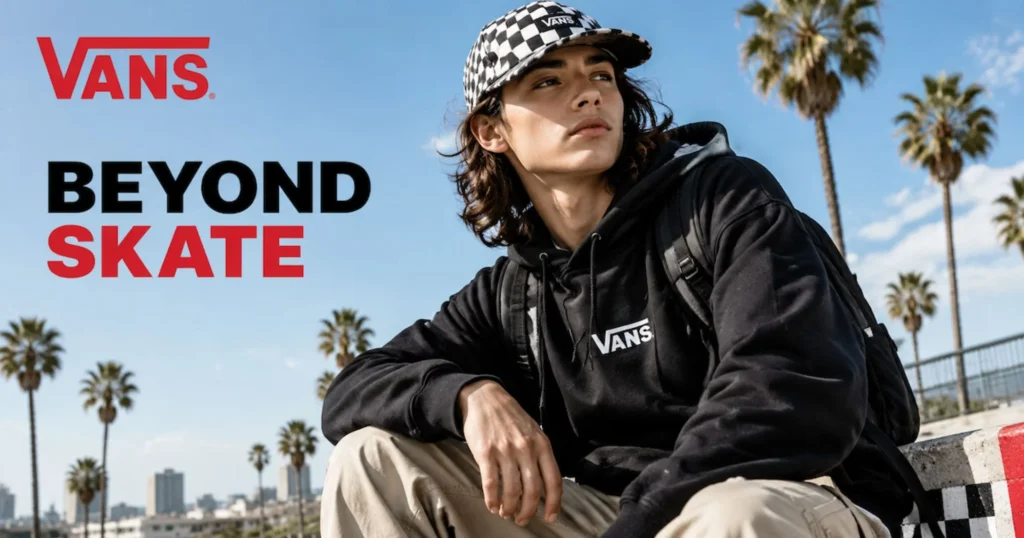
The skate look reached shop windows and runways. Fashion followed the skaters.
From Skatewear to Street Style
Skatewear moved from the park to the pavement. Baggy jeans, graphic tees and canvas shoes became a uniform. Street style borrowed the relaxed shapes. Vans fashion grew from that mix. Photographers captured skaters on city streets, and shoppers copied what they saw.
How This Sneakers Became Lifestyle Shoes
In 1996 the company produced co-branded Old Skools with Supreme. That began a long run of streetwear partnerships, including Vans & BAPE, Vans & Travis Barker, etc.. Collaborators added art, colour and rare materials. Vans streetwear now sits beside luxury names. Vans sneakers have become casual footwear for work, school and weekends. Classic sneakers like these suit almost any outfit. That versatility keeps them in constant demand.
The Rise of Platform and Women’s Styles
Platform Vans add height to the classic shapes. Womens Vans and Vans shoes women shoppers choose come in many colours and prints. The thicker sole suits current fashion trends. It also widened the audience beyond skaters. Many shoppers now treat the platform as a fashion piece first. The skate roots remain a bonus.
How This Expanded Beyond Skate Shoes
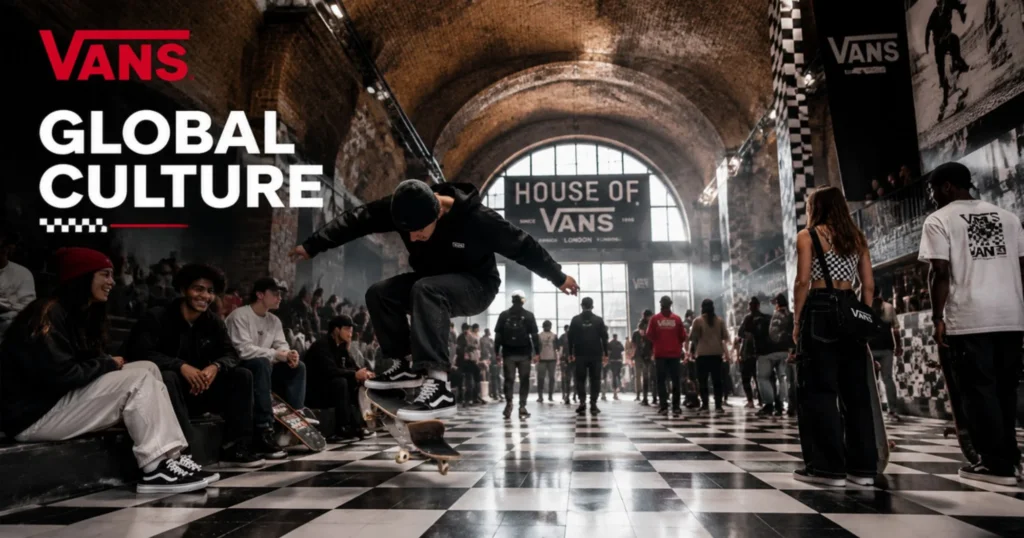
The product range grew with the audience. Today it reaches well past sneakers.
Vans Clothing, Hoodies, and Casual Apparel
Vans clothing includes tees, jackets and caps. A Vans hoodie mens shoppers pick often carries the checkerboard or logo. Vans chino pants and shorts suit skate sessions and daily wear. The brand sells all wardrobe essentials. Graphics often borrow from skate art and the old checkerboard. Buyers can dress head to toe in one look.
Vans Ultra Range and Outdoor-Inspired Footwear
The Vans Ultra Range line blends sneaker comfort with trail-ready soles. Its winter boots handle cold, wet weather. These lines show the company testing new ground. They keep the Off the Wall spirit. Not every skater needs them, but many commuters and hikers do. The ideas of comfort and durability still apply.
Vans Shoes for Men, Women, and Kids
Mens Vans, women’s pairs and kids Vans fill the range. Baby Vans bring the classic shapes to the smallest feet. One brand now covers a whole family. Parents, teens and toddlers can wear matching styles. That shared look builds loyalty early.
How It Built a Global Skate Culture
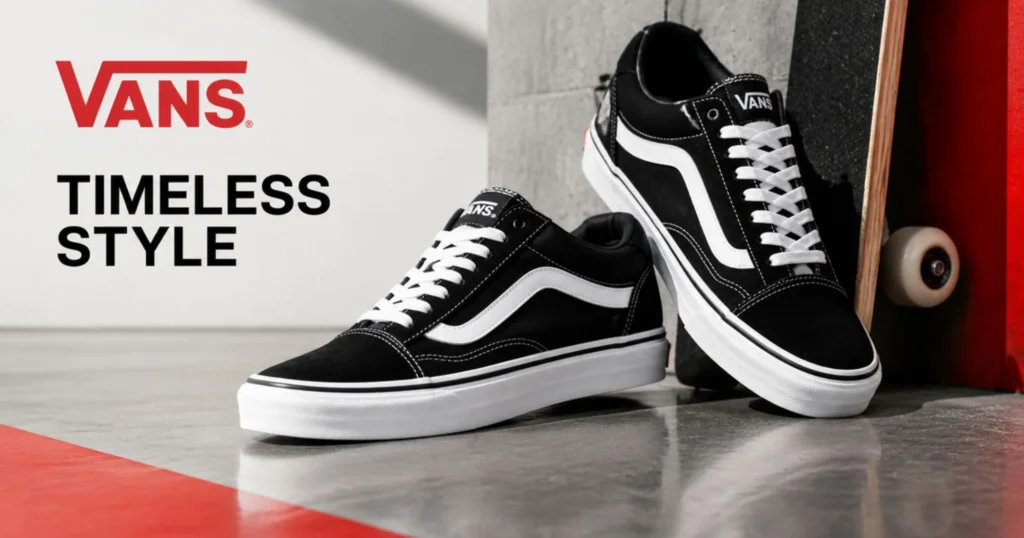
A Californian idea became an international scene. Skate communities took it from there.
Expanding From California to International Markets
Rapid growth hurt the company. It survived a bankruptcy filing in 1984 and reorganised. The brand kept supporting BMX riders and action sports. During this period, it also supplied canvas boots to the United States Air Force. Those odd jobs helped it survive hard years. VF Corporation acquired Vans in 2004 for roughly $396 million. Growth abroad followed quickly.
How It Connected Local Skate Communities Worldwide
House of Vans opened in New York in 2010 and London in 2014. These venues hosted skate bowls, music and art. Local crews made them their own. Some venues host contests and gigs on the same weekend. Fans met there to skate, listen and trade stories. The events turned customers into a community. The brand also sponsored the Triple Crown of Skateboarding in 1996.
How It Stayed Relevant Across Generations
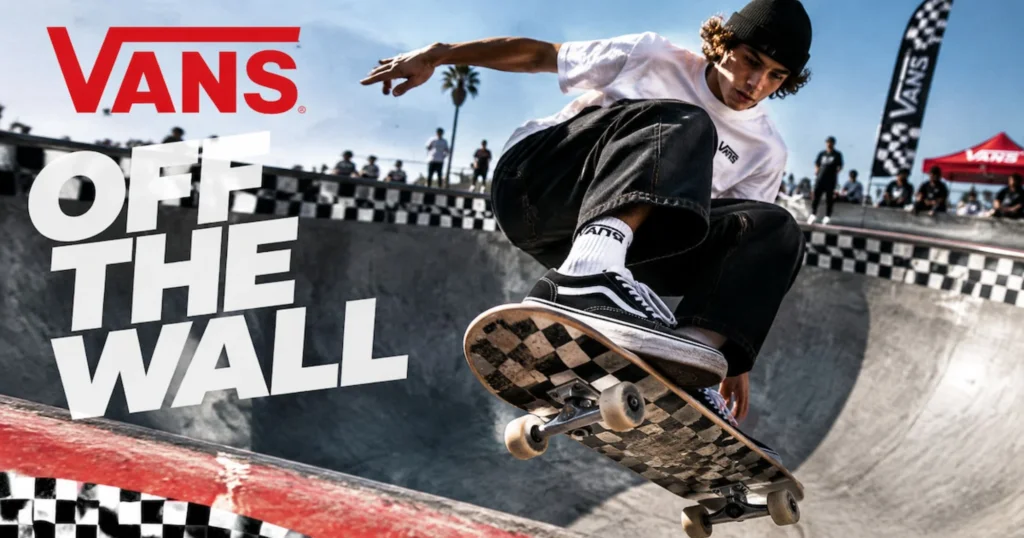
Trends come and go. These shoes stayed in the rotation.
Classic Shoes and Changing Fashion Trends
The company launched Customs in 2004, letting fans design their own pairs. Vault by Vans, from 2003, offered premium versions of classics. The 50th anniversary of Vans arrived in 2016. Each step kept the brand fresh without erasing its past. Customs echoed the early made-to-order days. Fans could design a pair in their own colours.
How Skate Culture Continues to Shape Vans
Skaters still test and shape products. The 2001 documentary Dogtown and Z-Boys revived interest in the roots. Collectors now chase deadstock models from the 1980s and 1990s. The skate shoe market reached $970 million in 2024, and it is expected to climb toward $1.48 billion by 2033. It has played a lasting role in that culture, from developing the Era with Tony Alva and Stacy Peralta to supporting skate teams, events, and skateboarding films. The classics still sit at the heart of that legacy.
Why Old Skool, Slip-On, and Sk8-Hi Remain Popular
These three shoes are year-round bestsellers. Their shapes have barely changed. Small upgrades in cushioning and reinforced uppers keep them comfortable. Their simplicity is the secret. A plain shape never looks dated. Each generation can make it feel new. Teenagers draw on the canvas. Adults wear them with tailoring. Both groups feel at home.
The Bottom Line
The story is one of listening. Every key model began with a rider’s request or a rider’s hack. A small shop made plain shoes, and skaters found a use for them. The company then followed their lead. This proves that trends come and go, but streetwear culture can give a simple product a lasting identity. In this case, the culture came first, and the brand grew with it.
FAQs
When was Vans founded?
It was founded on March 16, 1966, in Anaheim, California.
Who started Vans?
Paul Van Doren, his brother James and partner Gordon Lee started the company.
Where did Vans shoes originate?
They originated in Anaheim, California, where the first shop made shoes on site.
Why are Vans popular with skateboarders?
The sticky rubber sole grips the board. The low profile gives good board feel.
What was the first Vans skate shoe?
The Era, made with Tony Alva and Stacy Peralta, was the first shoe built for skating.
When did Vans Old Skool come out?
The Old Skool arrived in 1977 as Style #36.
Why is the Vans Slip-On so popular?
It has no laces, a flexible fit and a famous checkerboard print from 1982.
How did Vans influence skate culture?
It worked with skaters on designs and sponsored events. It also backed key skate films, including the 2001 documentary Dogtown and Z-Boys.
Are Vans still popular in skateboarding?
Yes. The Old Skool, Sk8-Hi and Half Cab remain skate staples. Pros and amateurs still wear them.
How did Vans become a streetwear brand?
Pop culture, punk music and collaborations carried it from skate parks into fashion. Supreme’s 1996 partnership was an early milestone.
It was founded on March 16, 1966, in Anaheim, California.
Paul Van Doren, his brother James and partner Gordon Lee started the company.
They originated in Anaheim, California, where the first shop made shoes on site.
The sticky rubber sole grips the board. The low profile gives good board feel.
The Era, made with Tony Alva and Stacy Peralta, was the first shoe built for skating.
The Old Skool arrived in 1977 as Style #36.
It has no laces, a flexible fit and a famous checkerboard print from 1982.
It worked with skaters on designs and sponsored events. It also backed key skate films, including the 2001 documentary Dogtown and Z-Boys.
Yes. The Old Skool, Sk8-Hi and Half Cab remain skate staples. Pros and amateurs still wear them.
Pop culture, punk music and collaborations carried it from skate parks into fashion. Supreme’s 1996 partnership was an early milestone.
Tags:

Aakash Jethwani
Founder & CEO at NineE AI
Aakash Jethwani is the Founder & CEO of NineE AI, a Fashion Exploration Engine built to help peo...
Read More
Get Latest Fashion Insights, Before Everyone Else.