Updated on Sep 21, 2026
Shein Seeks Fast-Fashion Deals to Spur Growth
Fashion NewsSmit Rangras4 Mins reading time
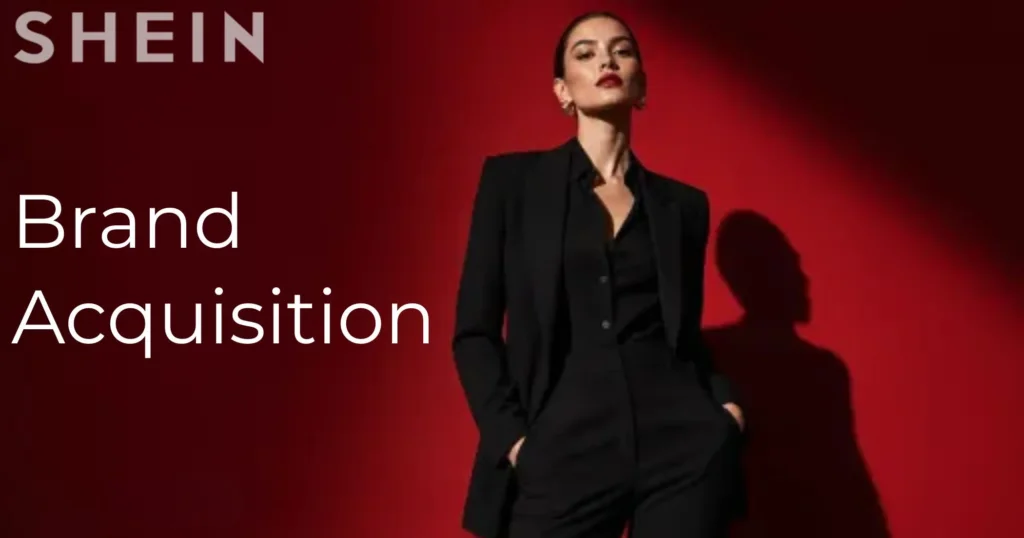
Shein is moving toward an acquisition-led growth strategy after completing its Hong Kong stock-market listing, as the fast-fashion company seeks to respond to slower sales growth and broaden its business beyond its own labels. Reuters reports that Shein has around $15 billion in cash and raised a further $1.74 billion through its IPO, giving it substantial financial capacity for acquisitions and expansion.
What Happened?

Shein disclosed in its prospectus that it planned to acquire U.S. apparel brand Everlane for $80 million. Reuters later reported that the acquisition was completed in May 2026 for about $80 million, including debt repayment. Reuters describes the Everlane deal as an early test of a wider strategy in which Shein could acquire brands across different price ranges and connect them to its supply chain and customer base.
The company is also seeking to expand its Xcelerator programme, which gives participating brands access to Shein’s manufacturing network, warehousing, logistics and global sales platform. Shein says the programme is designed to help brands solve value-chain challenges while expanding their reach. It previously acquired British retailer Missguided and says it sees potential to build on that experience.
The strategy comes as Shein faces a more difficult growth environment. Reuters reports that sales growth slowed to 1.1% in the first quarter of 2026, compared with 8% annual growth in 2025. Its shares also closed more than 20% below the IPO offer price after listing.
Key Highlights

- Company: Shein
- Publication date: September 4, 2026
- Strategy: Acquisition-led growth
- Cash position: Approximately $15 billion
- IPO proceeds: Approximately $1.74 billion
- Planned acquisition: Everlane for $80 million
- Platform: Xcelerator
- Q1 2026 sales growth: 1.1%
Why This Matters for Fashion & D2C
Shein’s strategy is significant because it shifts the growth question from selling more products to building a broader fashion platform. For D2C brands, that matters because scaling a fashion business requires more than product design: manufacturing, inventory, fulfilment, logistics and international distribution can all become barriers as a brand grows.
Xcelerator offers one model for addressing that challenge: brands can potentially retain their consumer-facing identity while accessing infrastructure built by a much larger company. For smaller businesses, that could reduce operational complexity and support expansion into new markets.
But the model also raises an important question: which capabilities should a brand outsource? Production and logistics may be easier to treat as scalable infrastructure, while product direction, positioning and customer relationships remain closely tied to differentiation.
That makes Shein’s approach relevant beyond fast fashion. A D2C company considering a platform partnership needs to weigh not only growth potential, but also control, margins, customer ownership and brand independence.
The Everlane deal also highlights the importance of brand compatibility. Reuters reports that the acquisition drew criticism from some Everlane customers because the brand’s reputation for transparency and sustainably made basics differs sharply from Shein’s image. Everlane CEO Alfred Chang said the brand would remain independent and maintain its sustainability commitments.
For D2C businesses, the lesson is that an acquisition or infrastructure partnership cannot automatically transfer consumer trust. Operational scale can provide reach and efficiency, but the acquired or partner brand still needs a clear reason for customers to believe in it.
About Shein
Shein is a global online fashion retailer known for its digitally driven, rapid-product model. It has expanded beyond its own product lines through initiatives such as Xcelerator and acquisitions including Missguided and Everlane. Its current strategy is aimed at building a broader platform of brands and services while responding to slower core sales growth and testing whether its supply-chain infrastructure can support brands beyond its own labels.
Sources Used
Tags:

Smit Rangras
Product Associate, NineE
Smit works on the product team at NineE, helping shape how the platform is built and how it serves t...
Read More
Get Latest Fashion Insights, Before Everyone Else.