Updated on Sep 10, 2026
Look Good, Spend Less: Smart Sustainable Outfit Ideas
Shopping TipsChirag Pariyani13 Mins reading time
Sustainable fashion does not have to mean buying expensive “eco” clothes. Use what you own, buy for gaps, and choose pieces that create several outfits.
McKinsey’s State of Fashion 2026 says almost 60% of global consumers are likely to shop resale in 2026, while ThredUp and GlobalData project the global secondhand apparel market to reach $393 billion by 2030.
The idea becomes easier to apply when you understand the wider principles behind sustainable fashion, slow fashion and ethical fashion: buying thoughtfully, keeping clothes useful and considering the people and processes behind them.
Sustainable Style Doesn’t Have to Be Expensive
You can start today without buying anything new. Focus on getting more value from the clothes already in your wardrobe.
- Rewear and restyle before replacing.
- Try secondhand clothing, swaps and resale for suitable purchases.
- Compare versatility and cost per wear, not just the price.
That is a sustainable style.
What Does Sustainable Fashion Look Like on a Budget?
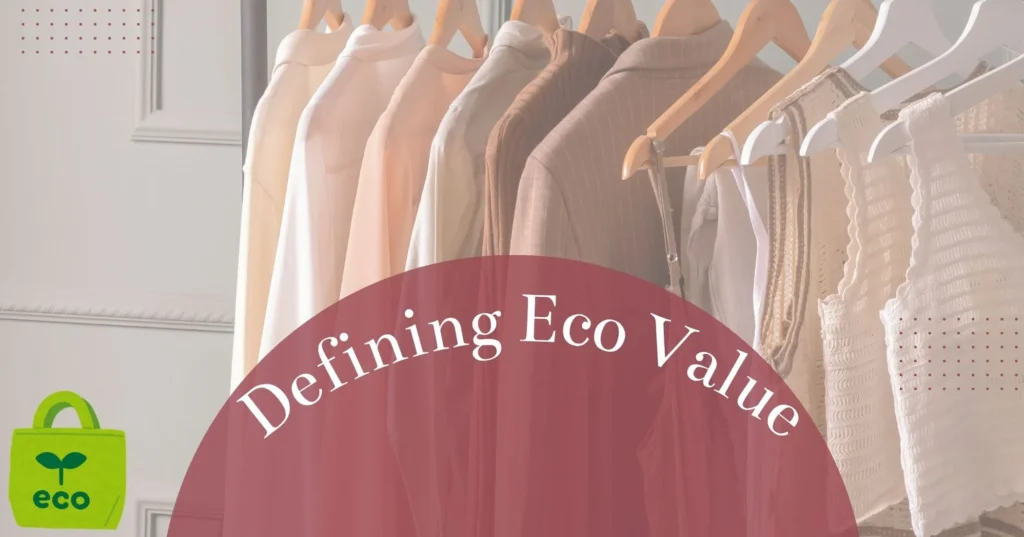
Sustainable fashion on a budget means making clothing purchases work harder supporting a circular economy. This is budget-friendly sustainable fashion. Instead of chasing a perfect label, consider how often you will wear a garment and whether it fits your wardrobe.
- Start with what you own.
- Buy secondhand when it makes sense.
- Choose new pieces for gaps.
Start there before opening a shopping app.
Sustainability Isn’t Just About Buying “Eco” Clothes
A useful way to judge a garment is to look beyond its label and consider its construction, expected use and longevity. A sustainable fashion guide can help you connect those factors instead of treating a sustainability label as the only deciding factor.
A green-sounding label is not enough. Judge the whole garment, including construction, care and end of life.
Why “Cheapest” Isn’t Always the Most Affordable
Imagine a ₹600 top worn three times and a ₹1,500 top worn 30 times. Their cost per wear is ₹200 and ₹50 respectively. The example shows why the cheapest item is not always the best financial choice.
Real-world use can vary dramatically even within the same garment category. A 2026 wardrobe study found that informal-use T-shirts were worn an average of 33 times, while formal-use T-shirts were worn only nine times; the difference shows why expected wear matters as much as the purchase price.
Look for a reasonable price plus realistic repeat wear, not the lowest number on the tag.
Start With Your Wardrobe Before You Shop
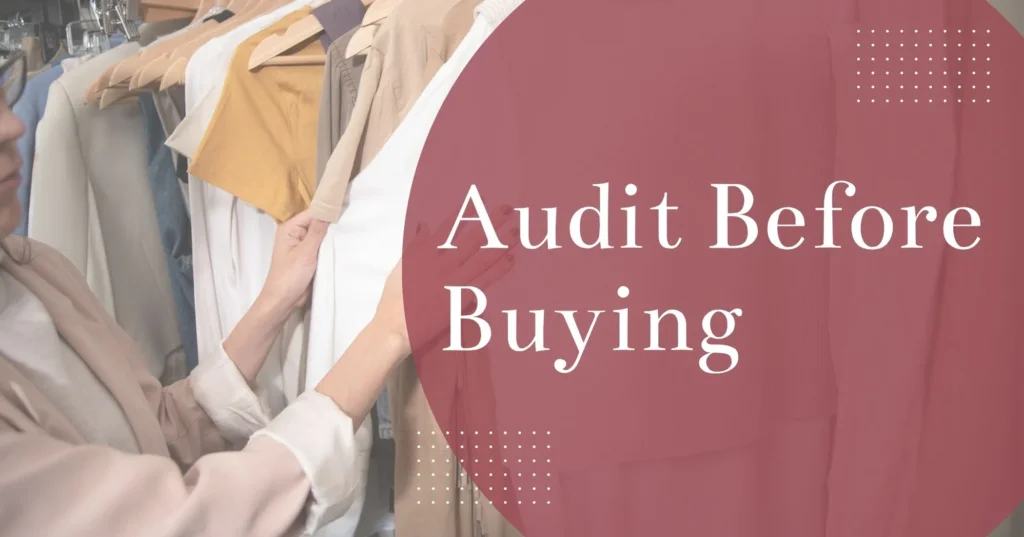
Your wardrobe is the cheapest place to start. A quick audit can reveal duplicates and gaps before you spend another rupee. Capsule wardrobe for women can then help you turn genuine gaps into a small, deliberate list of additions that work with what you already own.
- Identify your most-worn clothes.
- Separate items that need repair or alteration.
- Note gaps.
Use the formula that fits your life.
Do a 15-Minute Wardrobe Audit
Set a timer and choose one category. Sort pieces into “wear often,” “repair or alter” and “rarely wear.” The goal is understanding your wardrobe.
If you already own several similar tops, another one is probably not a useful gap.
Create More Outfits From What You Already Own
Pick one shirt, dress or pair of trousers and create three looks. Change the layer, footwear or accessories instead of the garment.
7 Smart Sustainable Outfit Ideas That Cost Less
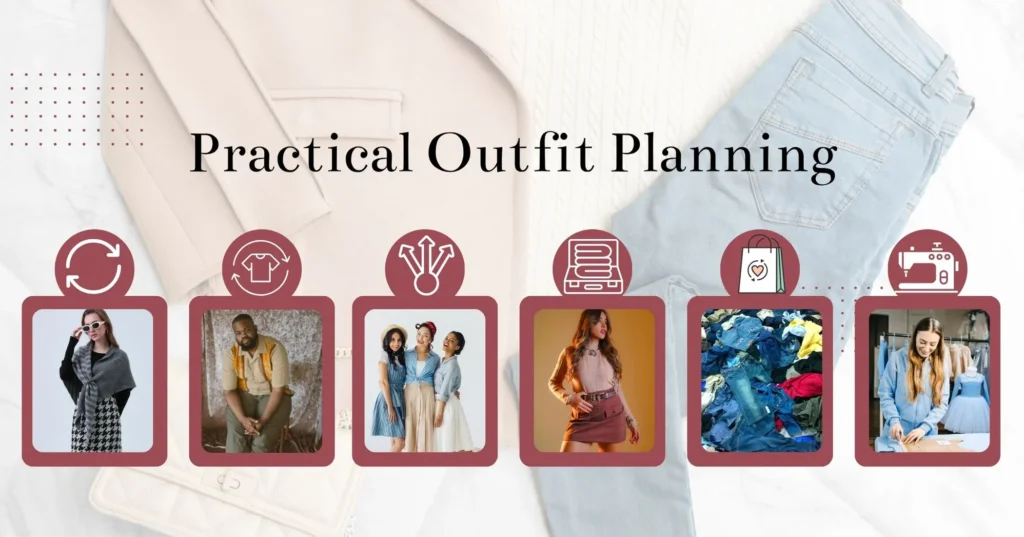
These formulas reduce unnecessary shopping while keeping your style flexible.
- Repeat one strong basic in several combinations.
- Use secondhand pieces for distinctive looks.
- Choose garments that work across occasions.
Plan before shopping.
The Repeat-and-Restyle Outfit
Start with a favourite pair of jeans or trousers. Change the top, layer or accessories to create a different look without buying another base garment.
The Thrifted Statement Piece Outfit
Support resale, reuse, and repurpose to improve sustainability. Use thrift shopping for a jacket, printed shirt or occasion piece that works with your existing basics. Check the fit, seams, fastenings, stains and overall condition before buying.
The One-Dress, Three-Ways Outfit
Wear one dress casually with simple footwear, add a structured layer for work, then change accessories for an evening look.
You can compare everyday options through versatile dresses, including women’s dresses or casual dresses by Berry Lush.
The Capsule-Wardrobe Work Outfit
Build workwear around pieces that mix easily. Two trousers and several compatible tops can create multiple combinations before you add layers or accessories.
The point is not to own a fixed number of garments. It is to create combinations that suit your routine, and capsule wardrobe planning can help you test whether a new piece actually adds useful combinations.
The Secondhand + New Basics Mix
You do not have to buy everything secondhand. Mix existing clothes with carefully chosen new basics and pre-owned statement pieces when each purchase solves a real need.
The Repair-and-Restyle Outfit
A missing button, loose hem or small tear does not automatically mean replacement. A simple repair can keep a familiar, well-fitting garment in rotation.
Levi’s offers alterations, repairs and upcycling through its Tailor Shops, showing how repair can become part of a brand’s customer service model.
The Clothing-Swap Outfit
For occasion wear, consider borrowing or swapping with friends and family. You can enjoy a different look without buying a garment for one event.
Swapping also keeps an existing garment in use. Nudie Jeans offers another business example: its repair programme lets customers keep jeans in circulation through free repairs.
How to Shop for Sustainable Fashion Without Overspending
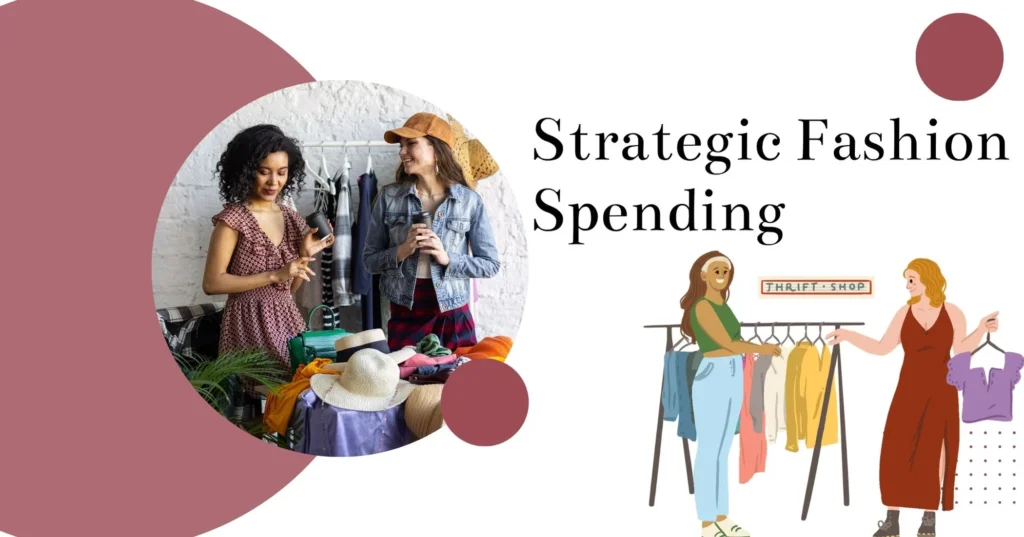
Smart shopping starts before checkout. A few checks can prevent cheap purchases from becoming wardrobe clutter.
- Check whether you own something similar.
- Look for at least three outfit combinations.
- Read fabric, size and care details.
Let your routine shape the capsule.
Shop Your Wardrobe First
Try a different tuck, layer, belt or shoe before deciding you need something new. Your wardrobe may already contain the solution.
Buy for Multiple Outfits, Not One Look
Before buying, name three outfits you can create with the piece. If you can only imagine one, keep it on your wish list.
Western Wear offers a broad view. Kurtis, Tunics & Tops can help when your wardrobe leans toward Indian and fusion styling.
Check Cost Per Wear Before the Price Tag
Use purchase price ÷ expected number of wears = cost per wear. A ₹2,000 jacket worn 40 times costs ₹50 per wear, while a ₹700 top worn five times costs ₹140.
Cost per wear is a budgeting tool, not a guarantee that one garment is environmentally better.
Look at Construction, Not Just Fabric Labels
Check stitching, seams, buttons, zippers, fabric weight and fit. A material label cannot tell you whether a garment suits your routine or will stay wearable.
Check the places that receive the most stress: shoulder seams, crotch seams, hems, pockets, waistbands, buttons and zippers. A fabric with a strong sustainability story will not deliver much value if the garment is uncomfortable, difficult to care for or poorly suited to the way you actually live.
If you compare Indian options such as No Nasties or Doodlage, assess the individual product rather than relying on a brand name alone.
Don’t Let a Sale Create a False Saving
A discount only saves money when you need the item. Ask whether you would still want it without the sale and whether you can see yourself wearing it repeatedly.
A good sale reduces the price of a planned purchase.
Build a Budget Capsule Wardrobe That Actually Works
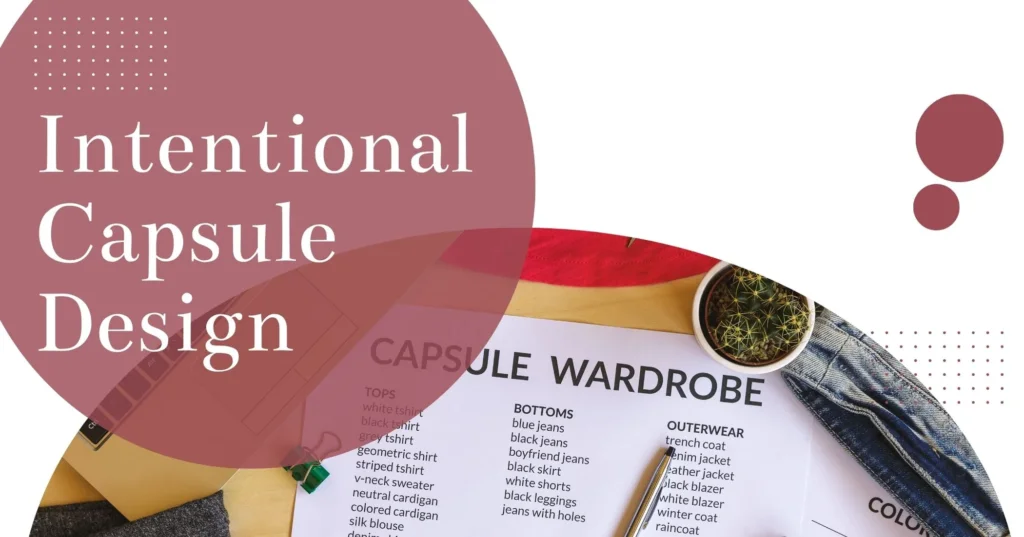
A budget capsule wardrobe should match your real life. Someone working from home needs different staples from someone commuting daily or dressing formally.
- Start with your most-used categories.
- Choose colors and silhouettes that coordinate.
- Replace worn pieces gradually.
Better choices matter more than perfection.
The goal is not owning less for its own sake. It is making your wardrobe easier to use.
Start With Your Most-Worn Categories
Look at what you reach for each week. If trousers and shirts dominate your routine, prioritize those before special-occasion pieces. Capsule wardrobe explains how versatile pieces support more combinations.
Use a “One In, Several Outfits” Rule
A new item should work with several pieces you already own. This reduces duplication and gives each purchase a clear purpose.
Build It Slowly
Do not replace your wardrobe in one month. Gradual changes protect your budget and reveal what you genuinely wear.
Eileen Fisher shows how longevity can also become a business model: its Renew programme has taken back more than two million gently used garments since 2009.
Affordable Sustainable Fashion Doesn’t Mean Perfect Fashion
There is no flawless wardrobe. Every garment involves trade-offs involving materials, manufacturing, price, care and end of life.
- Secondhand is useful only when you will wear the piece.
- New clothing can be sensible when it fills a genuine gap.
- Natural fibers are not impact-free.
Care is part of sustainable ownership.
That approach is also reflected in the European Commission’s textile strategy, which puts durability, repairability and recyclability at the center of a more sustainable textile system.
Better choices matter more than perfection.
Make Sustainable Fashion Work Harder for Your Budget
A sustainable wardrobe becomes more affordable when every purchase has a clear job. Instead of asking only, “Is this garment sustainable?”, ask whether it solves a real wardrobe need, works with what you already own and can earn its place through repeated wear. This turns sustainable fashion on a budget into a practical money decision, not a shopping challenge.
- Prioritize pieces you can wear across work, weekends, travel and casual plans.
- Choose colors and silhouettes that already match most of your wardrobe.
- Spend more selectively on hard-working items such as denim, outerwear, footwear or everyday bags.
- Use secondhand shopping for statement pieces, occasionwear and trend-led items you may not wear often.
- Set a monthly clothing amount and carry unused money forward instead of spending it just because a sale appears.
The goal is simple: fewer purchases, more combinations and a longer useful life for each garment.
How to Make Your Sustainable Outfits Last Longer
Buying less only helps if the clothes you keep remain wearable. Good care protects your spending and can reduce premature replacement.
- Follow care labels.
- Wash only when needed.
- Repair small damage early.
Small checks protect your budget.
Patagonia says its Worn Wear repair programme has kept more than 583,000 items out of landfills.
Former Patagonia CEO Rose Marcario has also argued for keeping products in use longer through repair and reuse.
Care is part of sustainable ownership.
A Simple Sustainable Fashion Budget to Follow
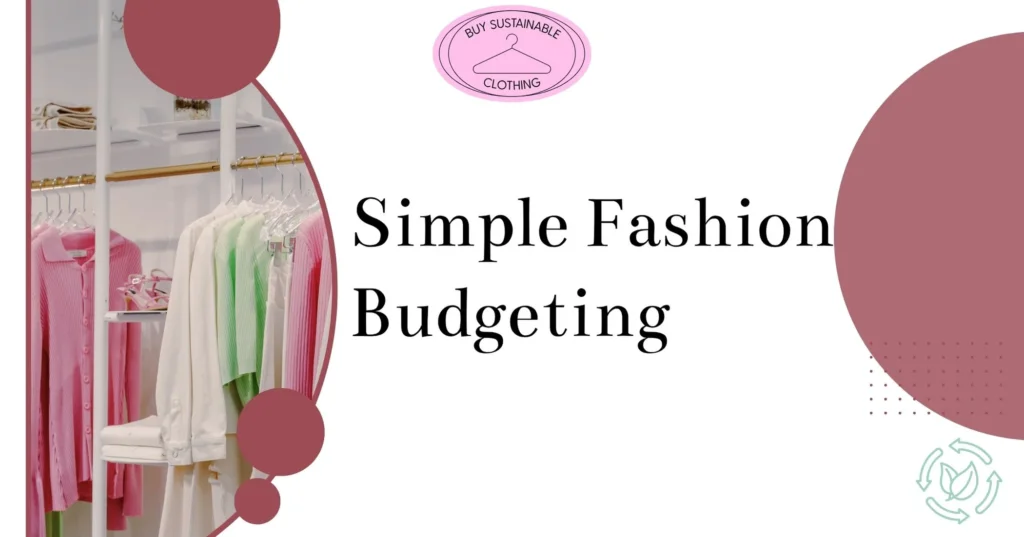
You do not need a complicated spreadsheet. Use a few repeatable questions before spending.
- Need: Does this fill a real gap?
- Versatility: Can it create at least three outfits?
- Wear: Will I use it repeatedly?
Build value one garment at a time.
Save these questions in your phone and use them during flash sales. A short pause can prevent a purchase that later becomes clutter.
Ask These 4 Questions Before Buying
Ask whether you own something similar, whether it works with three pieces, whether you will wear it repeatedly and whether you would still want it without the discount.
Mostly yes? The purchase has a stronger case. Mostly no? Leave it for later.
Try the 24-Hour Pause
For non-essential purchases, wait 24 hours. The pause helps separate genuine need from temporary excitement.
If you still want it tomorrow and know how it fits your wardrobe, decide then.
Use Cost Per Wear as Your Reality Check
Cost per wear is especially useful when two garments look similar but have very different prices. Divide the purchase price by the number of times you realistically expect to wear the item. For example, a ₹3,000 pair of trousers worn 60 times costs ₹50 per wear. A ₹1,200 pair worn only 10 times costs ₹120 per wear. The higher-priced item is cheaper to use.
This is more than a budgeting trick. A 2026 Psychology & Marketing study tested cost-per-wear messaging across six preregistered online experiments and found that showing shoppers the per-wear value could shift preferences toward higher-quality clothing with lower indicated cost per wear. The effect was stronger when shoppers could compare options, showing why simple wardrobe math can be more useful than a vague promise of “better quality.”
Think Like a Business When You Buy Clothes
Businesses look at return on investment; your wardrobe can use a similar idea. A jacket that solves a regular workwear need may create more value than five impulse purchases that rarely leave the closet. Before buying, estimate how often the garment fits your actual routine, not the lifestyle you wish you had.
This approach also explains why affordable sustainable clothing does not have to mean buying from a specialist sustainable label every time. Repairing an existing shirt, buying a pre-owned blazer, or wearing the same trousers in several combinations can all support a more sustainable wardrobe. The most budget-friendly garment is often the one you already own.
There is also a wider industry reason to think this way. Current European policy discussions are putting more emphasis on durability, repair, reuse and circularity, while textile recycling still faces major infrastructure gaps. In other words, keeping garments useful for longer remains an important part of the sustainability equation.
The Bottom Line: Sustainable Style Can Start With What You Own
The most affordable sustainable wardrobe is rarely created through one big shopping trip. It grows through small decisions: wearing clothes longer, creating more combinations, repairing useful pieces, choosing secondhand when suitable and buying new items with a clear purpose.
- Start with a wardrobe audit.
- Restyle before replacing.
- Use cost per wear as a budgeting tool.
These principles work at almost any budget.
Spend on clothes that earn their place in your life.
Yes. Savings can come from rewearing, secondhand shopping, repairs and avoiding unnecessary purchases.
Pick one garment and style it three ways by changing layers, shoes or accessories.
Secondhand can extend useful life, but buy only what you will wear.
Start with a 15-minute audit. Identify what you wear, what needs repair and what is missing.
Check fit, construction, care, versatility and expected wear. Hard-working pieces can offer better value.
Tags:

Chirag Pariyani
AI Engineer, NineE
Chirag is part of the engineering team at NineE, working on the technology that powers the product —...
Read More
Get Latest Fashion Insights, Before Everyone Else.