Updated on Aug 8, 2026
What is Slow Fashion? A Smarter Way to Build Your Wardrobe in 2026
Fashion GuidesTeam NineE AI16 Mins reading time
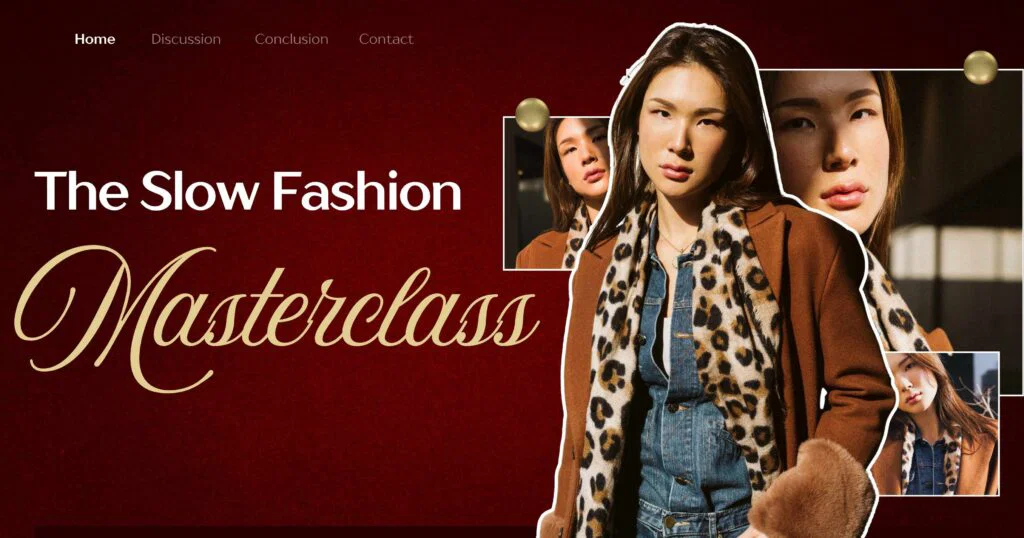
Many people today purchase because of flash sales or seasonal promotions. Their basic search intent lies in discovering products that rarely become their everyday favorites. Instead of creating a functional wardrobe, frequent impulse shopping often leads to clutter, wasted money, and limited outfit versatility.
Slow fashion offers a different approach by encouraging thoughtful purchases, long-lasting garments, and timeless style choices that reflect your lifestyle rather than temporary trends.
Whether you are building a professional wardrobe or refreshing everyday essentials, intentional shopping creates lasting value. This blog is all about Slow Fashion.
What Does Slow Fashion Really Mean?
At its core, slow fashion is an intentional approach to buying, wearing, caring for, and keeping clothing for longer instead of constantly replacing it with new purchases. Rather than encouraging consumers to follow every seasonal trend, slow fashion emphasizes quality craftsmanship, timeless design, versatility, and wardrobe longevity.
The movement focuses on creating clothing that remains valuable long after the excitement of a new purchase fades. Instead of asking, “What is trending this week?” thoughtful shoppers ask, “Will this garment still serve me next year?” That simple mindset changes every stage of the shopping journey.
Professionals within the fashion industry often describe slow fashion as a balance between style, practicality, quality, and responsible consumption.
It encourages consumers to purchase fewer garments while expecting greater performance, better durability, and improved everyday functionality. Several characteristics define this philosophy.
Key Characteristics of Slow Fashion
- Timeless design
- Quality craftsmanship
- Durable construction
- Intentional purchasing
- Wardrobe longevity
- Versatile styling
- Repairability
- Conscious consumption
These principles help consumers build wardrobes that remain useful across changing seasons rather than depending on constant replacement.
Why Is Slow Fashion Becoming More Popular?
Consumer shopping habits have changed significantly during the past decade because online shopping provides unlimited access to thousands of clothing brands and collections. While greater accessibility creates convenience, it also encourages impulse buying, duplicate purchases, and wardrobes filled with garments that receive very little regular use.
Many consumers eventually realize they own more clothing than ever before while struggling to create outfits they genuinely enjoy wearing. This growing frustration has encouraged shoppers to prioritize wardrobe quality instead of wardrobe quantity.
Today’s consumers increasingly appreciate apparel that combines craftsmanship, comfort, functionality, and timeless styling instead of temporary trend appeal. They also recognize that thoughtful shopping often saves both time and money throughout the lifespan of every garment.
Read Also – What Is Sustainable Fashion?
What are the Core Principles of Slow Fashion?
Although personal style varies from one individual to another, the principles supporting slow fashion remain remarkably consistent. These principles encourage intentional ownership instead of continuous consumption.
Buy With Purpose
Every purchase should solve a genuine wardrobe need rather than satisfy temporary excitement created by advertising or promotional discounts.
Before buying, thoughtful shoppers ask whether the garment complements their existing wardrobe and supports multiple outfit combinations.
Choose Quality Over Quantity
Quality garments generally maintain their appearance longer because of stronger construction, better tailoring, and premium fabrics that withstand repeated wear more effectively. This principle improves both wardrobe longevity and cost per wear.
Build a Timeless Wardrobe
Classic silhouettes remain relevant regardless of changing fashion cycles. Investment pieces such as neutral blazers, quality denim, white shirts, structured outerwear, and versatile footwear continue to support numerous outfit combinations throughout many years.
Care for Clothing Properly
Proper maintenance protects craftsmanship while extending garment life. Simple habits include:
- Following care labels
- Washing only when necessary
- Air drying when practical
- Repairing loose seams
- Replacing missing buttons
Responsible ownership contributes significantly to wardrobe longevity.
Read Also – How to Find Your Personal Fashion Aesthetic
How Does Sustainable Fashion Support Slow Fashion?
Although the terms frequently appear together, they describe different aspects of thoughtful clothing consumption. Sustainable fashion focuses broadly on reducing environmental impact, encouraging responsible manufacturing, supporting ethical production, and promoting long-lasting garments.
Slow fashion complements these goals by changing how consumers purchase and use clothing after products reach their wardrobes. The two approaches naturally reinforce one another because they encourage similar shopping behaviors. Both approaches emphasize:
- Long-term thinking
- Thoughtful purchasing
- Product durability
- Responsible ownership
- Reduced unnecessary consumption
- Timeless style
- Wardrobe functionality
Rather than encouraging constant wardrobe replacement, both philosophies support intentional decision-making that benefits consumers over the long term. Together, they create wardrobes centered upon versatility instead of volume.
Read Also – Capsule Wardrobe Checklist
Why Does Slow Fashion Improve Everyday Style?
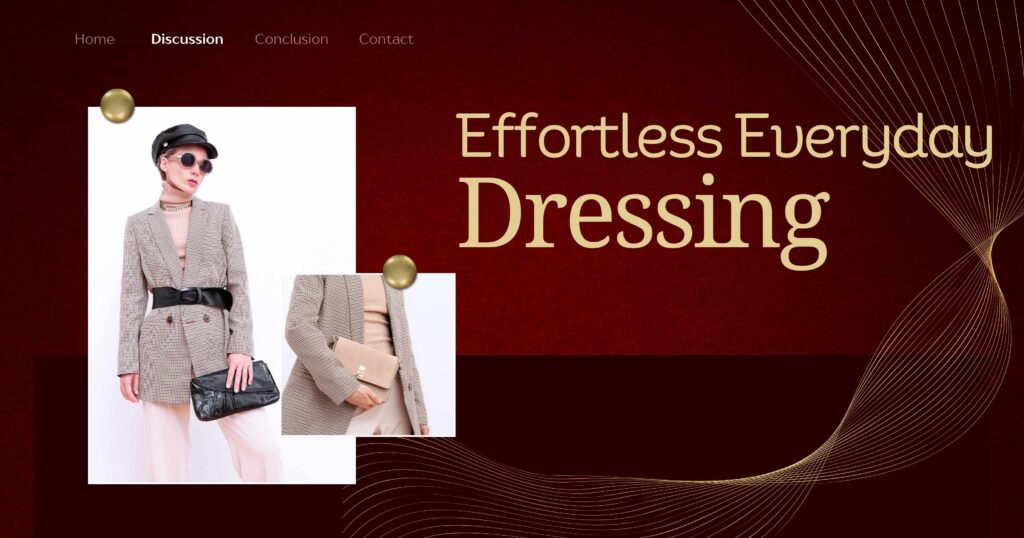
Many people believe buying more clothing automatically creates better style, yet experienced stylists consistently observe the opposite. A thoughtfully planned wardrobe simplifies daily dressing because every garment works naturally with other wardrobe essentials.
Consumers spend less time deciding what to wear because clothing coordinates more effectively across professional, casual, and social occasions. This consistency improves confidence while reducing decision fatigue. Several styling advantages become noticeable.
Better Outfit Coordination
Timeless wardrobe staples naturally support:
- Smart Casual styling
- Business Casual dressing
- Layering techniques
- Monochrome dressing
- Tonal dressing
- Mix and Match combinations
One carefully selected garment often creates multiple complete outfits.
Greater Versatility
Instead of purchasing clothing for single occasions, slow fashion encourages versatile garments suitable for work, travel, weekends, and seasonal transitions. Versatility strengthens wardrobe functionality while reducing unnecessary purchases.
Stronger Personal Style
Rather than chasing every trend forecast, consumers gradually develop a signature style reflecting their personality and everyday lifestyle. As fashion professionals frequently advise,
Style over trends creates wardrobes that remain relevant regardless of seasonal collections.
Is Slow Fashion More Expensive?
One of the most common misconceptions involves assuming slow fashion always requires spending substantially more money.
Although individual garments may occasionally cost more upfront, experienced shoppers evaluate clothing differently. Instead of focusing exclusively on purchase price, they consider:
- Cost Per Wear (CPW)
- Garment lifespan
- Outfit versatility
- Construction quality
- Repairability
- Long-term satisfaction
A well-made jacket worn hundreds of times frequently provides greater overall value than several inexpensive alternatives requiring regular replacement.
This perspective transforms shopping from short-term spending into long-term wardrobe investment.
Slow Fashion vs Fast Fashion: What is the Difference?

Although both approaches provide clothing for everyday life, they differ significantly in philosophy, purchasing behavior, production priorities, and long-term wardrobe value.
Fast fashion encourages consumers to purchase frequently by introducing new collections throughout the year, while slow fashion emphasizes intentional buying and keeping garments in regular rotation for many seasons.
The comparison becomes clearer when you evaluate clothing beyond its initial price tag.
| Category | Fast Fashion | Slow Fashion |
| Shopping mindset | Trend-driven | Purpose-driven |
| Buying frequency | Frequent | Intentional |
| Garment lifespan | Shorter | Longer |
| Wardrobe planning | Seasonal | Timeless |
| Quality focus | Speed and affordability | Craftsmanship and durability |
| Styling approach | Trend following | Signature style |
| Value measurement | Purchase price | Cost Per Wear (CPW) |
| Ownership mindset | Replace frequently | Wear longer |
Neither model completely defines personal style, but understanding these differences helps shoppers create wardrobes aligned with their lifestyle and long-term goals.
Read Also – The Most Popular Fashion Aesthetics Explained
What Are the Biggest Benefits of Slow Fashion?
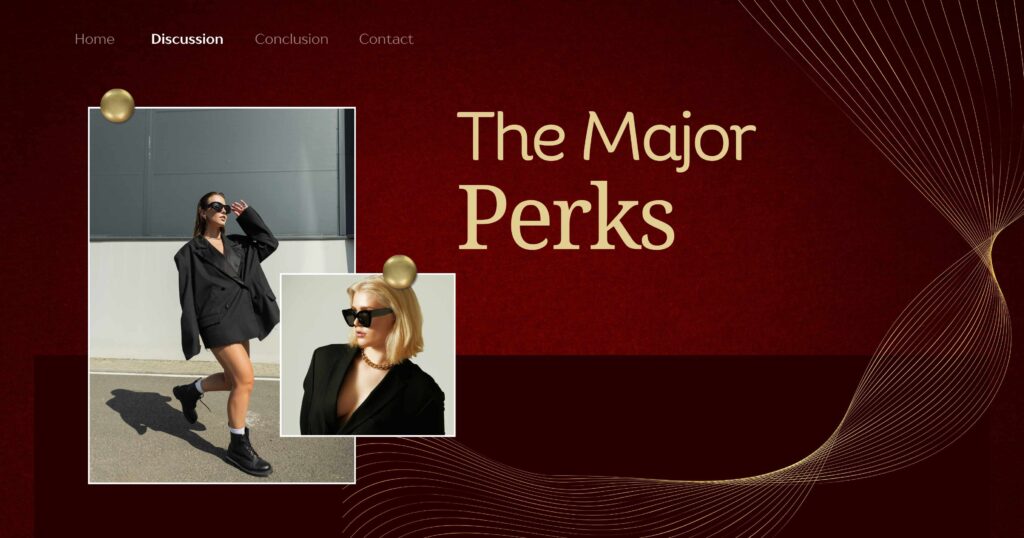
The advantages of slow fashion become more noticeable over time because thoughtful purchasing creates a wardrobe that performs better throughout the years of ownership.
Consumers often experience improvements in organization, budgeting, styling confidence, and everyday convenience after embracing intentional shopping habits.
Better Long-Term Value
High-quality garments generally retain their appearance, structure, and comfort for longer periods because superior craftsmanship supports repeated wear. Instead of replacing clothing every season, consumers maximize value through long-lasting investment pieces.
Fashion professionals frequently evaluate purchases using cost per wear rather than focusing exclusively on initial purchase price.
Easier Daily Dressing
When every garment coordinates naturally with other wardrobe staples, creating polished outfits becomes faster and significantly less stressful. A thoughtfully curated wardrobe reduces decision fatigue while increasing styling confidence throughout the week.
Reduced Wardrobe Clutter
Intentional purchasing gradually eliminates duplicate items and unnecessary impulse purchases. Every garment earns its place within the wardrobe by serving a clear styling purpose.
Stronger Personal Style
Thoughtful shopping encourages consumers to develop a recognizable style DNA instead of constantly adapting to rapidly changing fashion cycles. This consistency creates wardrobes that remain relevant across changing seasons.
Greater Shopping Confidence
Consumers become more selective before purchasing because they evaluate clothing based on quality, functionality, versatility, and long-term usefulness. This research-first mindset produces better shopping decisions.
How Can You Build a Slow Fashion Wardrobe?
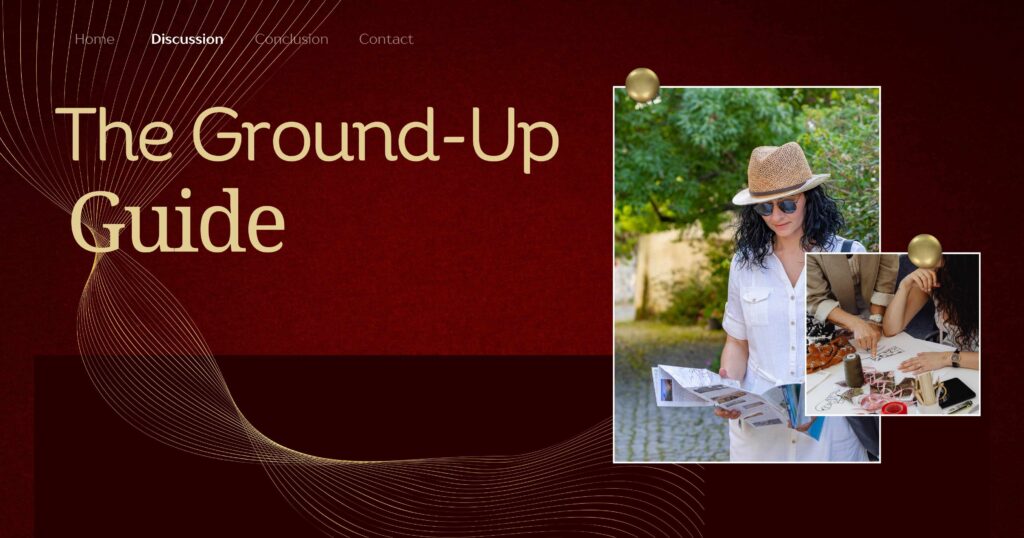
Building a thoughtful wardrobe does not require replacing everything overnight.
Experienced stylists recommend improving wardrobes gradually while maximizing the value of clothing already owned. The goal involves strengthening wardrobe functionality rather than expanding wardrobe size.
Begin With a Wardrobe Audit
Review every clothing category individually before purchasing anything new. You must evaluate:
- Fit
- Condition
- Frequency of wear
- Styling versatility
- Seasonal relevance
- Repair opportunities
A wardrobe audit helps identify genuine wardrobe gaps while preventing duplicate purchases.
Invest in Core Basics
Every functional wardrobe begins with dependable essentials. Recommended foundation pieces include:
- White Oxford shirt
- Neutral T-shirts
- Tailored trousers
- Dark denim
- Navy blazer
- Structured outerwear
- White sneakers
- Leather loafers
- Knit sweaters
These garments support numerous outfit combinations throughout changing seasons.
Build Around Versatility
Every new purchase should coordinate naturally with existing clothing. Ask practical questions before buying.
- Can I wear this in different seasons?
- Does it complement multiple outfits?
- Can I dress it up or down?
- Will I enjoy wearing it next year?
Positive answers usually indicate a worthwhile investment.
Why Does a Capsule Wardrobe Complement Slow Fashion?
A capsule wardrobe represents one of the most practical applications of slow fashion because it emphasizes versatility instead of volume. Rather than owning hundreds of unrelated garments, consumers build carefully curated collections capable of producing numerous outfit combinations.
Professional stylists frequently recommend capsule wardrobes because they simplify dressing while improving wardrobe coordination.
Advantages of a Capsule Wardrobe
- Faster morning routines
- Better outfit rotation
- Easier travel packing
- Reduced closet clutter
- Improved wardrobe longevity
- Greater styling consistency
- Smarter seasonal planning
The objective is not owning fewer clothes for its own sake but ensuring every garment contributes meaningful value.
How Does Cost Per Wear (CPW) Change Shopping Decisions?
Cost per wear remains one of the most valuable metrics professional stylists use when evaluating clothing purchases. Instead of asking whether clothing feels affordable today, experienced shoppers calculate its long-term value. The formula is straightforward.
Purchase Price ÷ Number of Times Worn = Cost Per Wear
A premium blazer costing $180 and worn 300 times delivers significantly greater value than three inexpensive alternatives replaced every season.
Lower Cost Per Wear indicates stronger wardrobe value. This perspective encourages consumers to purchase thoughtfully while appreciating craftsmanship, durability, and versatility.
How Can You Shop Like a Professional Stylist?
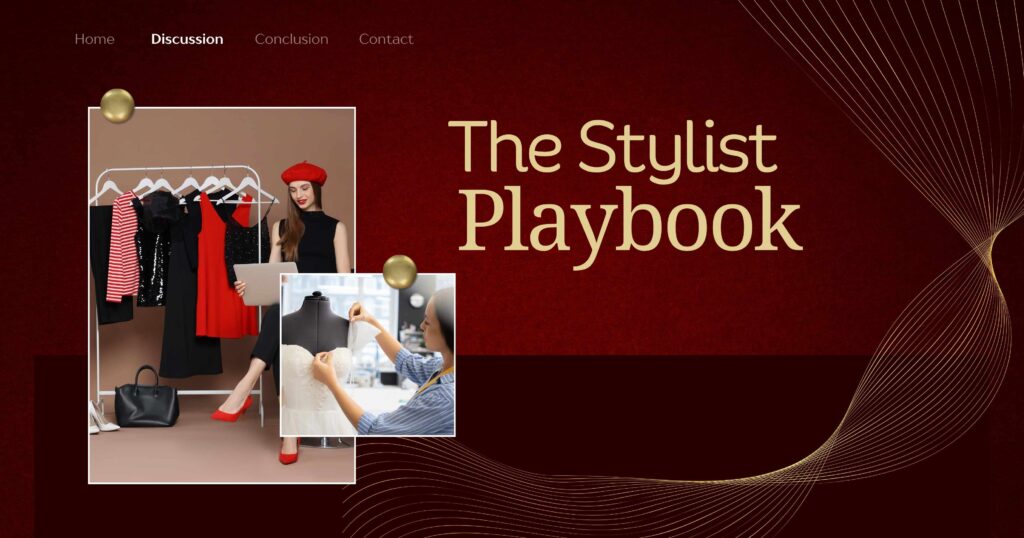
Successful shopping begins well before clicking “Add to Cart.” Professional shoppers invest time researching products because informed purchasing reduces disappointment while improving wardrobe quality. Before buying apparel online, always compare:
Product Category Pages
Review product categories to understand intended use, material collections, and available styling options.
Product Detail Pages
Carefully study:
- Fabric composition
- Construction quality
- Garment measurements
- Care instructions
- Fit guidance
- Product specifications
Detailed product pages provide valuable information unavailable through promotional photography alone.
Customer Reviews
Focus on comments discussing:
- Fabric durability
- Stitch quality
- Fit accuracy
- Comfort
- Color consistency
- Long-term performance
Customer experiences often reveal practical insights unavailable within marketing descriptions.
Return Policies
Understanding exchange and return procedures improves shopping confidence before completing purchases.
How Does Slow Fashion Support Different Lifestyles?
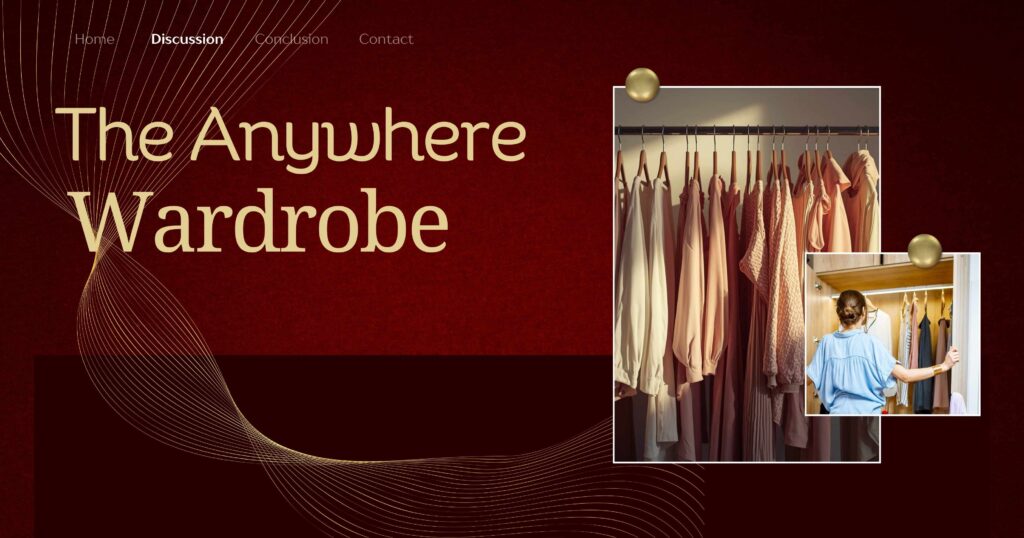
Although shopping priorities differ among individuals, slow fashion principles adapt naturally to diverse lifestyles.
Corporate Professionals
Professionals benefit from timeless tailoring, versatile blazers, elevated basics, and dependable footwear capable of transitioning across meetings, travel, and networking events.
College Students
Students often balance evolving style preferences with limited budgets.
Durable denim, layering pieces, comfortable footwear, and versatile jackets create wardrobes that evolve gradually without excessive spending.
Homemakers
Practical wardrobes emphasizing comfort, breathability, and functionality simplify everyday routines while maintaining polished appearances.
Older Adults
Many mature shoppers prioritize quality fabrics, timeless silhouettes, comfortable tailoring, and dependable craftsmanship over rapidly changing trends.
Regardless of age or profession, thoughtful purchasing creates a wardrobe that works for you instead of constantly demanding replacement.
Common Myths About Slow Fashion
As awareness of intentional shopping grows, several misconceptions continue preventing consumers from exploring a more thoughtful approach to building their wardrobes.
Understanding these myths helps shoppers make informed decisions based on long-term value instead of assumptions.
Myth 1: Slow Fashion is Only for Expensive Luxury Brands
Many consumers assume slow fashion requires purchasing premium designer apparel, yet thoughtful shopping is possible across various budgets.
Choosing durable garments, maintaining existing clothing, and buying only what you genuinely need often matter more than the price tag itself.
Myth 2: Slow Fashion Means Giving Up Personal Style
A timeless wardrobe does not eliminate creativity. Instead, it provides a stronger foundation for experimenting with accessories, layering techniques, color blocking, and statement pieces while maintaining wardrobe versatility.
Myth 3: You Must Replace Your Entire Closet
The most practical way to embrace slow fashion is by improving your current wardrobe gradually. Continue wearing existing garments, repair items when possible, and replace clothing thoughtfully as genuine needs arise.
Myth 4: Buying More Options Creates Better Style
Owning more clothing rarely guarantees better outfits. A carefully curated collection often delivers greater versatility because every garment complements the others. As professional stylists often say, Less Is More when every purchase serves a clear purpose.
Myth 5: Slow Fashion Is Only About Environmental Responsibility
Although sustainability remains important, slow fashion also improves wardrobe organization, shopping confidence, financial value, and everyday dressing convenience.
Practical Tips to Start Your Slow Fashion Journey
Transitioning toward intentional shopping becomes much easier when you introduce simple habits instead of dramatic lifestyle changes.
Shop With a Plan
Create a shopping list before browsing online collections. Identifying genuine wardrobe needs helps reduce impulse purchases and strengthens long-term wardrobe planning.
Follow the 30-Wear Rule
Before purchasing any garment, ask yourself whether you can realistically wear it at least thirty times. This simple habit encourages smarter buying decisions while increasing cost per wear.
Prioritize Versatility
Select garments that work across multiple occasions instead of clothing designed for only one event. Look for apparel that supports:
- Smart Casual styling
- Business Casual dressing
- Weekend wear
- Seasonal layering
- Travel wardrobes
Versatile clothing creates stronger fashion ROI while reducing unnecessary spending.
Learn to Care for Your Clothing
Proper maintenance extends garment life significantly. Helpful habits include:
- Following care labels
- Washing less frequently
- Air drying whenever possible
- Repairing small damages
- Storing garments correctly
Well-maintained clothing continues looking polished for many years.
Refresh Rather Than Replace
Updating your wardrobe does not always require purchasing new apparel. Introduce variety through:
- Accessories
- Scarves
- Belts
- Shoes
- Layering pieces
- Seasonal styling techniques
Small updates often create entirely new outfit combinations.
Why Does Slow Fashion Create Better Shopping Decisions?
The greatest strength of slow fashion lies in changing how consumers think before making purchases. Instead of asking, “Is this on sale?” shoppers begin asking more valuable questions. Examples include:
- Will this fit my lifestyle?
- Does it complement my wardrobe?
- Can I create multiple outfits?
- Will I enjoy wearing it next year?
- Does this garment justify its cost per wear?
These questions transform shopping into a more intentional and rewarding experience.
Key Takeaways
- Slow fashion encourages intentional purchasing, timeless style, and long-term wardrobe planning instead of frequent trend-driven shopping.
- A thoughtfully curated wardrobe delivers greater versatility, stronger outfit coordination, and improved Cost Per Wear throughout years of ownership.
- Sustainable fashion complements slow fashion by supporting responsible manufacturing, durable clothing, and conscious consumption.
- Performing regular wardrobe audits helps identify genuine clothing needs while reducing unnecessary purchases and duplicate items.
- Capsule wardrobes simplify daily dressing by combining elevated basics, timeless investment pieces, and versatile styling options.
- Product category pages, product detail pages, customer reviews, and care instructions provide valuable information before purchasing clothing online.
- Maintaining garments through proper washing, storage, and repairs significantly improves wardrobe longevity while maximizing clothing value.
- Developing a signature style creates greater confidence than constantly following rapidly changing fashion trends.
- Small shopping habits, including planning purchases and evaluating cost per wear, create meaningful improvements over time.
- Thoughtful clothing choices help consumers build wardrobes that balance functionality, craftsmanship, personal style, and long-term satisfaction.
Frequently Asked Questions
How does slow fashion differ from simply buying fewer clothes?
Buying fewer garments alone does not automatically represent slow fashion. The philosophy emphasizes thoughtful purchasing, garment longevity, quality craftsmanship, versatile styling, proper care, and intentional wardrobe planning that maximizes the usefulness of every clothing investment throughout its entire lifespan.
Can slow fashion work for people who enjoy following seasonal trends?
Yes. Slow fashion encourages balancing timeless wardrobe staples with carefully selected seasonal statement pieces instead of replacing entire wardrobes. This approach allows consumers to enjoy evolving styles while maintaining wardrobe versatility and long-term value.
Why is a wardrobe audit important before shopping?
A wardrobe audit identifies frequently worn essentials, duplicate purchases, repair opportunities, and genuine wardrobe gaps. Understanding what already exists prevents unnecessary spending while helping shoppers build more functional and coordinated wardrobes.
What should shoppers examine on a product detail page before purchasing clothing?
Consumers should carefully review fabric composition, construction quality, garment measurements, care instructions, sizing guidance, customer reviews, and styling recommendations. This information supports more confident purchasing decisions while reducing disappointment and unnecessary product returns.
How can beginners transition toward slow fashion without increasing their clothing budget?
Start by wearing existing garments longer, repairing minor damage, planning purchases carefully, prioritizing versatile wardrobe staples, and evaluating cost per wear before buying. Gradual improvements often produce meaningful results without requiring expensive wardrobe replacements.
Build a Wardrobe That Reflects Your Lifestyle
Choosing slow fashion means making thoughtful decisions that improve your wardrobe over time rather than chasing every new trend. Combined with the principles of sustainable fashion, this approach encourages smarter shopping, better cost per wear, and clothing that continues delivering value through years of regular wear. Instead of filling your closet with garments that quickly lose relevance, you create a collection built around quality, functionality, and timeless personal style.
The best shopping decisions begin before checkout. That is where Ninee.ai supports modern shoppers as their AI shopping assistant. It helps shoppers during the pre-purchase stage by making it easier to discover products, compare options, evaluate features, and make confident purchasing decisions while they are still exploring and forming intent.
So, if you are ready to refresh your wardrobe with greater confidence, explore more fashion insights, compare products intelligently, and purchase more informed clothes before you buy.
Tags:

Team NineE AI
Team NineE AI is the collective voice behind NineE AI's editorial desk, bringing together writers, r...
Read More
Get Latest Fashion Insights, Before Everyone Else.