Updated on Aug 6, 2026
Ethical Fashion vs Sustainable Fashion: Spot the Difference in 2026
Fashion GuidesTeam NineE AI15 Mins reading time
Did you know that studies consistently show many people regularly wear only a small portion of the clothing they own while continuing to purchase new apparel?
This surprising shopping habit highlights a growing disconnect between what consumers buy and what they actually wear. As shoppers become more conscious of quality, longevity, and responsible purchasing, conversations around ethical fashion and sustainable fashion continue gaining momentum.
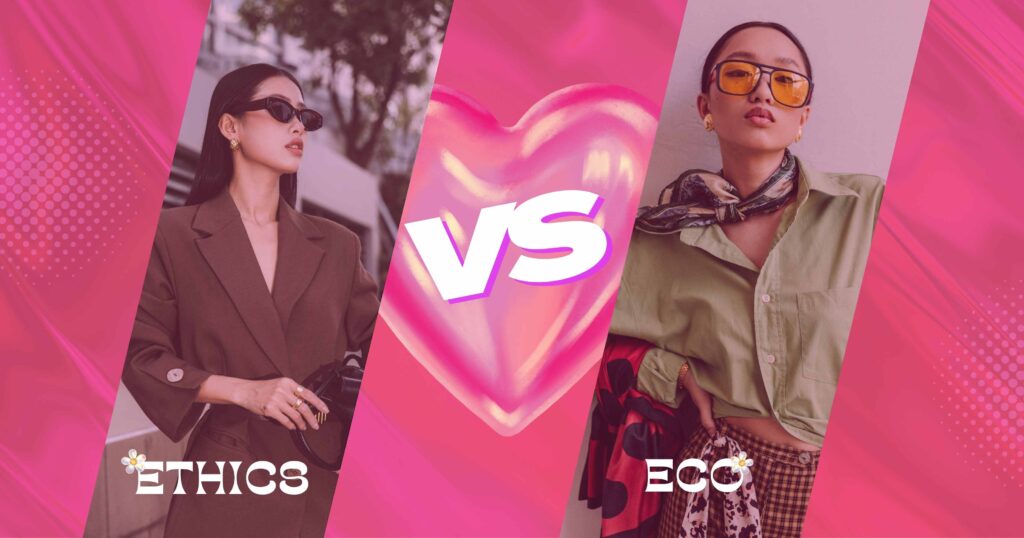
Although these terms often appear together, they represent different priorities within the modern fashion industry. Understanding the distinction helps consumers build wardrobes that align with their values, lifestyle, and long-term shopping goals. This blog is all about discovering ethical fashion and comparing it with sustainable fashion.
What Is Ethical Fashion?

Ethical fashion focuses on the people behind every garment. It encourages brands to produce clothing under fair, transparent, and responsible working conditions while respecting workers throughout the supply chain.
Rather than concentrating only on the finished product, ethical fashion examines how clothing reaches consumers, from sourcing raw materials to manufacturing, packaging, and distribution.
The goal is to ensure that every individual involved in creating apparel works under safe conditions, receives fair compensation, and is treated with dignity and respect.
This philosophy recognizes that fashion should create value not only for consumers but also for workers, communities, and businesses.
The Core Priorities of Ethical Fashion
- Fair wages for workers
- Safe working environments
- Responsible labor practices
- Transparent supply chains
- Human rights protection
- Responsible sourcing
- Community development
- Long-term business accountability
These principles encourage consumers to look beyond attractive designs and consider how every garment reaches the marketplace.
Why is Ethical Fashion Becoming More Important?

Modern shoppers have access to more clothing than ever before, yet they also have greater access to information about how products are designed and manufactured.
Consumers increasingly expect brands to demonstrate transparency throughout production rather than relying only on marketing claims.
As awareness grows, purchasing decisions extend beyond aesthetics to include craftsmanship, accountability, and production standards.
Many shoppers now ask questions such as:
- Who made this garment?
- Where was it produced?
- Were workers treated fairly?
- Does the brand explain its sourcing practices?
- Is the manufacturing process transparent?
These questions reflect a broader shift toward responsible purchasing and greater consumer awareness.
What is Sustainable Fashion?
While sustainable fashion often overlaps with ethical fashion, its primary focus extends to the environmental impact of clothing throughout its entire lifecycle.
Instead of emphasizing only production practices, sustainable fashion considers how garments are designed, manufactured, worn, maintained, reused, and eventually recycled.
The objective is to reduce unnecessary waste while encouraging clothing that delivers greater durability, versatility, and long-term value.
Rather than promoting frequent replacement, this approach supports thoughtful purchasing and wardrobe longevity.
Consumers embracing sustainable fashion generally purchase fewer garments while expecting higher quality and greater functionality.
Why Do People Confuse Ethical Fashion and Sustainable Fashion?

The two concepts frequently appear together because responsible brands often improve both environmental performance and labor practices simultaneously. However, they address different challenges within the fashion industry.
Ethical fashion primarily asks:
- Were people treated fairly?
- Were workers protected?
- Was manufacturing transparent?
- Were fair labor practices followed?
By comparison, sustainable fashion asks different questions.
- Will this garment last?
- Does it reduce unnecessary waste?
- Does it support responsible consumption?
- Can it remain useful for many years?
Although both philosophies encourage smarter shopping, each addresses a distinct aspect of responsible clothing production.
The Core Principles of Ethical Fashion
Fashion professionals generally evaluate ethical brands using several important criteria that extend throughout the production process.
Fair Labor Practices
Responsible brands prioritize fair compensation, safe workplaces, and reasonable working conditions throughout manufacturing operations. These commitments strengthen trust while improving long-term product quality.
Transparency
Consumers increasingly value brands that openly explain manufacturing locations, sourcing practices, and production standards. Transparency enables shoppers to make informed purchasing decisions.
Responsible Sourcing
Ethical companies carefully evaluate suppliers before beginning production. Responsible sourcing strengthens accountability across every stage of garment manufacturing.
Long-Term Relationships
Instead of focusing exclusively on short-term production costs, ethical brands often invest in long-term partnerships with suppliers and manufacturing facilities. This approach supports consistent quality while encouraging continuous improvement.
Read Also – Sustainable Fashion Guide: Everything You Need to Know
Why Does This Comparison Matter for Today’s Shopper?

Modern wardrobes should reflect more than current trends because clothing also represents personal values, financial priorities, and everyday functionality. Understanding the difference between ethical fashion and sustainable fashion allows consumers to evaluate clothing more thoughtfully before purchasing online.
Instead of asking only whether a garment looks attractive, experienced shoppers increasingly compare:
- Product quality
- Manufacturing transparency
- Construction
- Durability
- Wardrobe versatility
- Long-term value
- Brand accountability
- Customer reviews
This broader perspective creates stronger purchasing confidence while helping consumers build wardrobes designed to perform well for many years.
Read Also – How to Find Your Personal Fashion Aesthetic
Ethical Fashion vs Sustainable Fashion: Understanding the Key Differences
Although the two concepts frequently complement one another, they solve different challenges within the fashion industry.
Understanding those differences allows consumers to make informed purchasing decisions that align with both personal values and long-term wardrobe goals.
One of the easiest ways to understand the comparison is to think about who and what each philosophy primarily protects.
- Ethical fashion prioritizes people.
- Sustainable fashion prioritizes the planet and product longevity.
The strongest modern brands often integrate both approaches because responsible manufacturing and environmental stewardship naturally support one another.
Ethical Fashion vs Sustainable Fashion: A Side-by-Side Comparison
| Comparison Factor | Ethical Fashion | Sustainable Fashion |
| Primary Focus | Fair treatment of people | Environmental responsibility |
| Main Priority | Workers and communities | Natural resources and product lifecycle |
| Manufacturing Goal | Fair wages and safe workplaces | Lower environmental impact |
| Shopping Philosophy | Buy from responsible brands | Buy fewer, longer-lasting garments |
| Consumer Benefit | Greater transparency | Better wardrobe longevity |
| Long-Term Value | Responsible production | Reduced waste and higher Cost Per Wear |
| Core Decision | Who made the garment? | How long will the garment last? |
Rather than competing with each other, these approaches create a stronger fashion ecosystem when implemented together.
How Does Ethical Fashion Improve the Clothing Industry?

Every garment passes through numerous stages before reaching an online product page or retail shelf. Ethical fashion encourages accountability throughout every step of that journey.
Responsible brands recognize that exceptional craftsmanship begins with skilled professionals working under fair conditions. Several practices commonly define ethical production.
Fair Compensation
Workers deserve wages that fairly reflect their skills, experience, and contributions throughout the production process.
Safe Working Conditions
Responsible manufacturers invest in workplace safety by providing clean facilities, proper equipment, and safe operating standards.
Transparent Supply Chains
Consumers increasingly appreciate brands that openly explain where garments are manufactured and how suppliers are selected.
Community Investment
Many ethical companies support local communities through education, skill development, healthcare initiatives, and long-term employment opportunities.
Greater transparency strengthens consumer trust while encouraging stronger relationships between brands and customers.
How Does Sustainable Fashion Improve Wardrobe Longevity?

While ethical fashion concentrates on manufacturing practices, sustainable fashion helps consumers rethink the way they purchase, maintain, and wear clothing.
Instead of encouraging constant wardrobe replacement, sustainability emphasizes thoughtful ownership. Consumers begin asking practical questions before making purchases. Examples include:
- Will I wear this frequently?
- Does it coordinate with my existing wardrobe?
- Can I create multiple outfits?
- Will it remain useful next year?
- Is this an investment piece?
These questions naturally reduce impulse buying while strengthening long-term wardrobe planning.
Read Also – Fast Fashion vs Sustainable Fashion
Why Should Consumers Care About Both Approaches?
Modern shopping extends far beyond selecting attractive clothing. Today’s consumers compare product category pages, product detail pages, customer reviews, material specifications, and brand values before completing purchases.
Understanding both ethical and sustainable principles improves shopping confidence while reducing unnecessary returns. The result becomes a wardrobe designed intentionally instead of accumulated accidentally.
Professional stylists frequently emphasize that thoughtful shopping creates better personal style than constant shopping.
How do Responsible Brands Build Better Clothing?
Responsible brands recognize that quality depends upon every stage of product development rather than the finished garment alone. Several factors influence long-term garment performance.
Better Craftsmanship
Quality craftsmanship improves
- Stitch durability
- Seam construction
- Garment structure
- Overall longevity
- Everyday wearability
Strong construction allows clothing to maintain its appearance through repeated use.
Better Materials
Responsible brands frequently select materials that balance comfort, durability, functionality, and long-term performance.
Consumers benefit through clothing that remains comfortable while requiring fewer replacements.
Better Design
Timeless silhouettes continue performing beyond seasonal trend forecasting.
Classic wardrobe staples typically deliver stronger Fashion ROI because they remain relevant for years.
Read Also – The Most Popular Fashion Aesthetics Explained
How does Cost Per Wear (CPW) Support Smarter Shopping?
Experienced fashion consultants rarely evaluate clothing using purchase price alone. Instead, they calculate Cost Per Wear to measure overall wardrobe value. The principle remains straightforward.
Purchase Price ÷ Number of Times Worn = Cost Per Wear
A premium blazer worn hundreds of times often provides significantly greater value than several inexpensive alternatives requiring frequent replacement.
Lower Cost Per Wear generally indicates stronger long-term value. This approach encourages thoughtful investment instead of emotional purchasing.
How Can You Evaluate Clothing Before Buying Online?

Successful shopping begins before reaching checkout. Consumers should evaluate products carefully rather than relying exclusively on promotional photography. Review the following information before making a purchase.
Product Category Pages
Category pages help consumers compare collections, styles, intended use, and available wardrobe options.
Product Detail Pages
To get your best choice of garment, you must carefully review:
- Fabric composition
- Size guidance
- Care instructions
- Construction details
- Styling recommendations
- Product measurements
Detailed specifications improve buying confidence while reducing unnecessary returns.
Customer Reviews
Pay close attention to comments discussing:
- Fabric durability
- Fit accuracy
- Color consistency
- Comfort
- Stitch quality
- Long-term performance
Customer experiences frequently reveal practical insights unavailable through marketing copy.
Which Shoppers Benefit Most From Ethical and Sustainable Clothing?
Thoughtful clothing benefits every demographic because quality, versatility, and responsible purchasing improve everyday wardrobe performance.
Corporate Professionals
Professionals benefit from timeless tailoring, elevated basics, structured outerwear, and versatile business casual essentials.
College Students
Students create stronger wardrobes by investing gradually in durable staples rather than frequently replacing trend-driven clothing.
Homemakers
Comfortable, practical apparel emphasizing functionality simplifies everyday routines while maintaining polished appearances.
Older Adults
Timeless silhouettes, dependable craftsmanship, and versatile garments continue to support changing lifestyles with greater comfort and confidence.
Regardless of age or profession, intentional purchasing creates wardrobes designed for everyday living rather than temporary fashion cycles.
Can Ethical Fashion and Sustainable Fashion Work Together?

Absolutely. In fact, the strongest fashion brands today combine both approaches because responsible manufacturing and environmental responsibility complement one another throughout the product lifecycle.
A garment produced under fair working conditions but manufactured using wasteful practices addresses only part of the challenge.
Likewise, clothing made with environmentally responsible materials but produced under poor labor conditions cannot be considered completely responsible.
When both philosophies work together, consumers enjoy clothing that delivers greater value while supporting responsible business practices. A modern wardrobe benefits from brands that prioritize:
- Fair labor practices
- Responsible sourcing
- Quality craftsmanship
- Durable construction
- Timeless design
- Product transparency
- Long-term wearability
- Customer trust
Rather than choosing one philosophy over the other, shoppers should look for brands that demonstrate commitment to both.
Practical Tips for Shopping More Responsibly

Building a better wardrobe begins with thoughtful purchasing habits instead of dramatic lifestyle changes. Small improvements made consistently create stronger wardrobes and more satisfying shopping experiences.
Research Before You Buy
Spend a few extra minutes reviewing product category pages, product detail pages, material information, customer reviews, and brand policies before making a purchase. Some prudent shoppers consistently experience fewer disappointments and unnecessary returns.
Perform a Wardrobe Audit
Review your existing wardrobe before buying anything new. Always ask yourself:
- What do I wear most often?
- Which garments remain unworn?
- What clothing genuinely needs replacement?
- Which items require simple repairs?
A wardrobe audit prevents duplicate purchases while identifying genuine wardrobe gaps.
Build Around Timeless Staples
Focus on versatile essentials that coordinate naturally with multiple outfits.
Examples include:
- White shirts
- Neutral knitwear
- Tailored trousers
- Dark denim
- Structured blazers
- Comfortable footwear
Timeless pieces simplify daily dressing while increasing wardrobe longevity.
Evaluate Cost Per Wear
Instead of asking whether clothing appears affordable today, consider how frequently you expect to wear it during the coming years. Garments with higher durability often provide better financial value through lower cost per wear.
Maintain Clothing Properly
Responsible ownership extends garment life significantly. Simple maintenance includes:
- Following care instructions
- Washing only when necessary
- Air drying whenever practical
- Repairing loose seams
- Proper seasonal storage
Thoughtful garment care preserves quality while maximizing wardrobe value.
Common Misconceptions About Ethical and Sustainable Clothing

Several misconceptions continue influencing consumer perceptions about responsible fashion.
Myth 1: Ethical Clothing is Always Expensive
Higher prices do not automatically define ethical production. Many brands offer responsibly produced clothing across multiple price points while emphasizing quality and transparency.
Myth 2: Sustainable Clothing Lacks Style
Modern collections successfully combine contemporary aesthetics, elevated basics, timeless silhouettes, and statement pieces without compromising versatility.
Myth 3: Responsible Shopping Requires Replacing Everything
The most responsible wardrobe often begins with clothing you already own. Extending garment life frequently creates greater value than replacing entire wardrobes overnight.
Myth 4: Responsible Fashion Means Giving Up Trends
Consumers can still enjoy seasonal updates while building wardrobes around timeless investment pieces. Thoughtful styling balances personality with long-term functionality.
Myth 5: One Purchase Changes Everything
Responsible fashion develops gradually through consistent shopping habits rather than individual purchases. Small improvements accumulate into a meaningful long-term wardrobe transformation.
Read Also – How to Choose Colors for a Capsule Wardrobe
Key Takeaways
- Ethical Fashion focuses primarily on protecting workers through fair wages, safe workplaces, transparent supply chains, and responsible labor practices.
- Sustainable fashion focuses on reducing environmental impact by encouraging thoughtful purchasing, wardrobe longevity, and durable clothing.
- Responsible brands increasingly combine ethical and sustainable practices to create products that benefit both people and the planet.
- Cost Per Wear (CPW) provides a more accurate measurement of clothing value than purchase price alone.
- Performing regular wardrobe audits helps consumers identify genuine clothing needs while reducing unnecessary purchases.
- Product category pages, product detail pages, customer reviews, and garment specifications provide valuable information before purchasing online.
- Timeless wardrobe staples consistently outperform trend-driven impulse purchases through improved versatility and long-term wearability.
- Proper garment care significantly extends clothing lifespan while protecting craftsmanship and overall wardrobe quality.
- Intentional shopping creates stronger personal style because every garment contributes meaningful value to the wardrobe.
- Combining ethical manufacturing with sustainable purchasing habits produces wardrobes that balance style, functionality, quality, and long-term satisfaction.
Frequently Asked Questions
Can a fashion brand be ethical without being sustainable?
Yes. A brand may provide fair wages, safe working conditions, and transparent manufacturing while still using production methods that create significant environmental impact.
Ethical fashion primarily addresses people, whereas sustainable fashion focuses on environmental responsibility and product longevity. The strongest brands generally integrate both philosophies.
How can shoppers identify whether a brand genuinely supports ethical practices?
Consumers should review company websites, product detail pages, sustainability reports, manufacturing information, sourcing policies, and independent certifications. Transparent brands openly discuss production locations, labor practices, supplier relationships, and responsible sourcing rather than relying solely on broad marketing claims.
Why should Cost Per Wear influence clothing purchases?
Cost Per Wear evaluates long-term value by dividing the purchase price by the number of times a garment is worn. Clothing that remains stylish, durable, and versatile for several years usually delivers greater overall value than inexpensive garments requiring frequent replacement.
Is it possible to build an ethical wardrobe on a limited budget?
Yes. Begin by purchasing fewer garments, extending the life of existing clothing, repairing wearable items, shopping intentionally, and investing gradually in versatile wardrobe staples. Responsible shopping depends more on thoughtful decision-making than expensive purchases.
What should shoppers compare before buying clothing online?
Consumers should carefully review product category pages, product detail pages, fabric composition, construction quality, sizing information, care instructions, customer reviews, and return policies. Comparing these details helps reduce uncertainty while improving purchasing confidence before checkout.
Build a Wardrobe That Reflects Your Values
Understanding ethical fashion and sustainable fashion helps consumers make clothing decisions that balance personal style with long-term value. Rather than focusing only on trends or price, thoughtful shoppers evaluate craftsmanship, transparency, versatility, and durability before investing in new apparel.
This approach creates wardrobes that remain functional, stylish, and relevant for years while supporting more responsible purchasing habits.
Making informed decisions starts well before adding products to your cart. That is where Ninee.ai becomes an essential shopping companion. Whether you are refreshing your wardrobe, comparing brands, or investing in timeless essentials, explore deep fashion insights and compare products with confidence.
Tags:

Team NineE AI
Team NineE AI is the collective voice behind NineE AI's editorial desk, bringing together writers, r...
Read More
Get Latest Fashion Insights, Before Everyone Else.