Updated on Sep 10, 2026
Wrangler: The Story Behind America’s Iconic Cowboy Jeans
Brand StoriesChirag Pariyani12 Mins reading time
Some jeans get made for looks. Others get made for work. Wrangler started out as the second kind, and that’s still what makes it different. Its journey from practical workwear to modern denim style is part of what makes the brand worth looking at.
This is the real story of how Wrangler came to be. It starts with a company that had nothing to do with cowboys, moves through a tailor who’d never even ridden a horse, and ends with jeans that rodeo riders still trust today. There’s a lot more to this story than most people realize, so let’s get into it.
TL;DR – What Makes Wrangler’s Story Different From Other Denim Brands
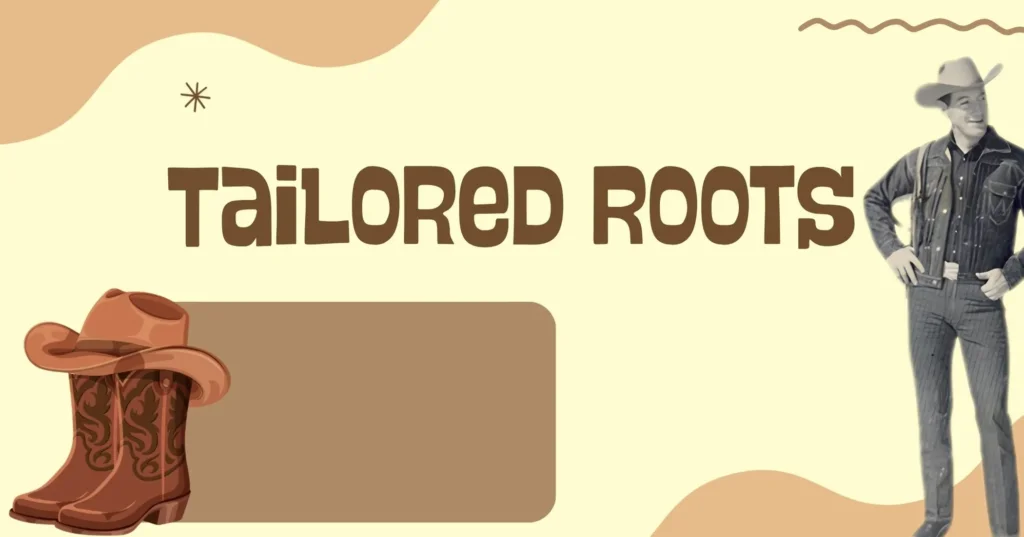
Wrangler didn’t start as a fashion brand. It started as a solution to a real problem. A company called Blue Bell wanted jeans that could actually survive a rodeo, so they hired a tailor and had him build jeans from scratch, tested on real cowboys instead of models or focus groups. That’s a very different starting point than most denim brands, and it’s the reason Wrangler still leans hard into western wear today. The name itself, oddly enough, came from a deal that had nothing to do with jeans at all. It’s one of those weird bits of history that ends up shaping an entire brand’s identity by accident.
Before Wrangler – The Blue Bell Company and Its Workwear Roots
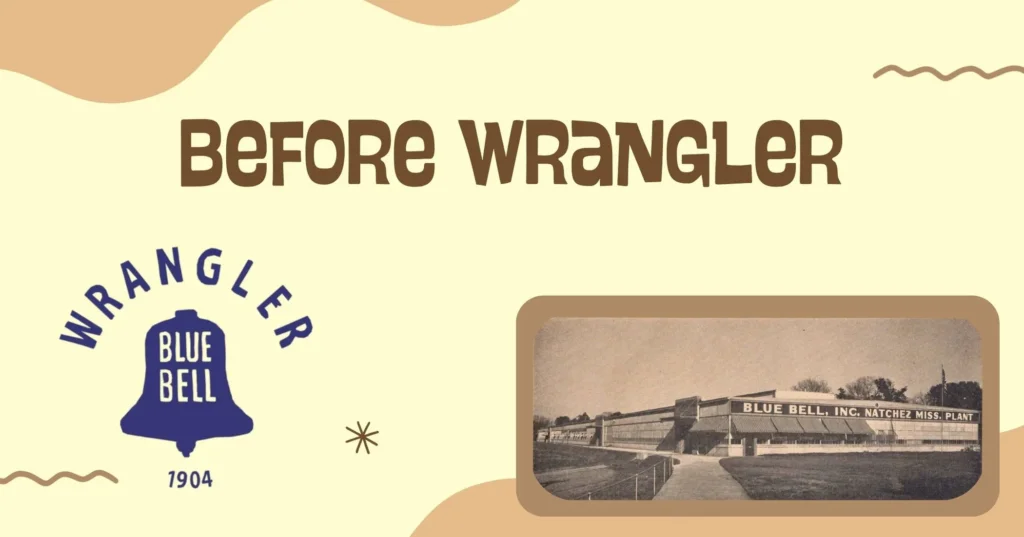
Wrangler wasn’t the first name on the label. Before Wrangler even existed, there was a company called Blue Bell. It got its start as the Hudson Overall Company, founded by two brothers, C.C. and Homer Hudson. They made simple overalls, nothing fancy, just tough clothes for people who worked hard for a living. There was no talk of cowboys or rodeos yet. It was just a small overall company trying to make a name for itself in a crowded market.
By 1919, the company had grown enough to change its name to Blue Bell Overall Company. Workwear was the whole business back then. No cowboys, no rodeos, just plain, sturdy clothes built for farmers and laborers who needed something that could survive long days outside. That’s the part people forget. Wrangler’s roots aren’t glamorous at all. They’re about as unglamorous as clothing gets, honestly, and that’s kind of the point.
Where the Wrangler Name Actually Came From
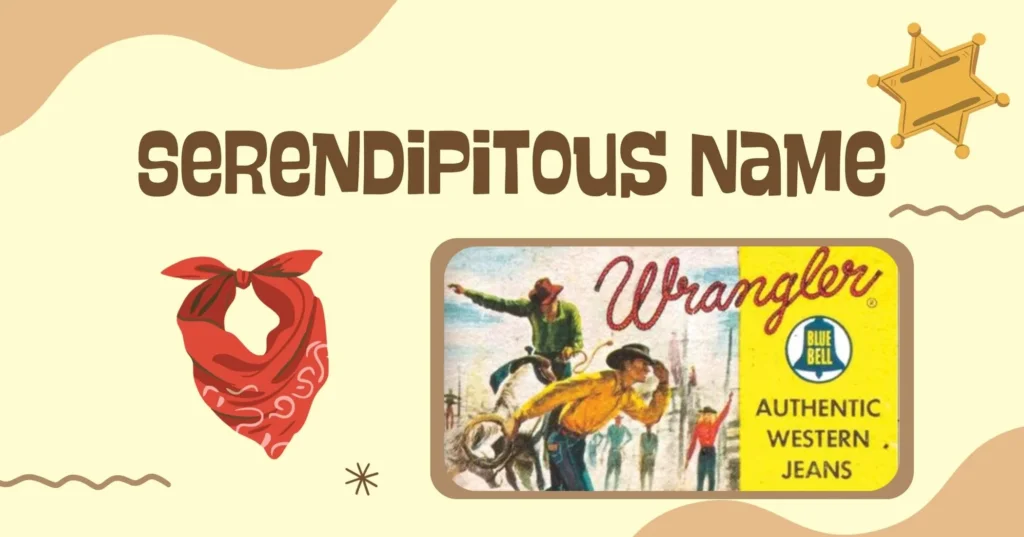
Here’s a fun twist. The name “Wrangler” wasn’t something Blue Bell invented for cowboys. It came from a totally unrelated business deal, and honestly, it’s a little bit of luck more than strategy.
In 1943, Blue Bell bought a company called Casey Jones. As part of that deal, they picked up a brand name that Casey Jones barely used. That name was Wrangler. So really, Blue Bell ended up with a perfect cowboy-sounding name almost by accident, sitting there unused until they figured out exactly what to do with it. Sometimes the best branding decisions aren’t decisions at all. They’re just something that falls into a company’s lap at the right moment. That accidental name would eventually become part of a much bigger denim and streetwear fashion story.
Rodeo Ben – The Tailor Who Built Jeans for Cowboys, Not Fashion
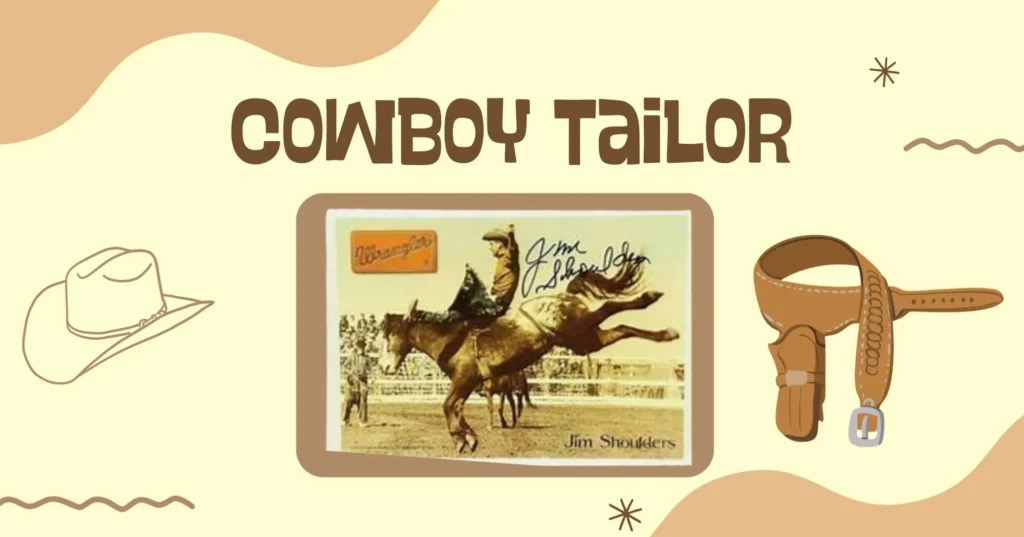
Once Blue Bell had the name, they needed the jeans to match it. That’s where things get interesting, and where the real Wrangler story actually begins.
Why Blue Bell Hired a Polish Tailor to Design Western Jeans
Blue Bell brought in a tailor named Bernard Lichtenstein. Everyone called him Rodeo Ben. He wasn’t from Texas or Montana, and he definitely wasn’t a cowboy himself. He was originally from Łódź, Poland, and somehow ended up building jeans specifically for American cowboys, which is a strange path when you think about it.
Rodeo Ben already had a reputation for making clothes for rodeo performers, so Blue Bell figured he was the right guy for the job. In 1946, they asked him to design a jean built specifically for cowboys and rodeo riders, not for regular customers walking into a store. That distinction mattered a lot. A jean built for a shopper is a completely different project than a jean built for someone getting thrown off a bull.
What Made Rodeo Ben’s Prototypes Different From Regular Jeans
Rodeo Ben didn’t just sketch a design and call it done. He built prototype after prototype, adjusting details based on what actual cowboys needed while riding, roping, and working all day long. Fit mattered. Movement mattered. Comfort in the saddle mattered more than how the jeans looked hanging on a shelf. Understanding how jeans fit works for different bodies and movements is still central to choosing the right pair.
That process alone set Wrangler apart from most denim brands at the time. Most jeans were designed, then sold. Wrangler’s jeans were tested, then redesigned, then tested again, over and over, until cowboys actually approved of the result. That’s a much slower process, but it built something that lasted.
1947 and the Birth of the 13MWZ
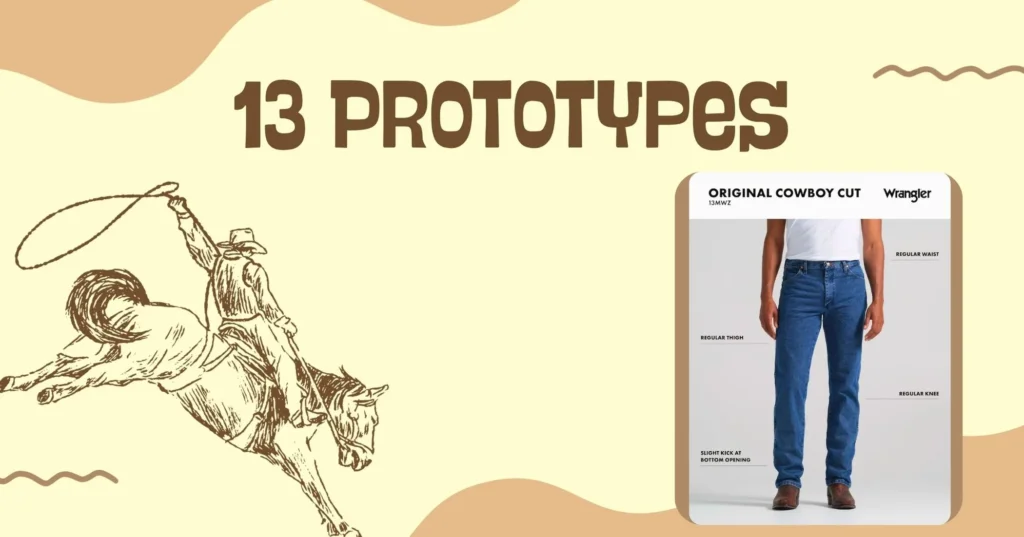
All that testing eventually led somewhere. In 1947, the jean was finally ready to be introduced to the world.
Thirteen Prototypes Later – How the Jean Got Its Name
Rodeo Ben went through 13 different prototypes before landing on the final design. That’s actually where the name 13MWZ comes from. Thirteen prototypes, made for men, with a zipper fly. Not the catchiest name in the world, sure, but it tells you exactly how much work went into getting it right. Every number in that name is basically a small piece of the jean’s actual history.
The Cowboy-Specific Details That Set the 13MWZ Apart
The 13MWZ wasn’t just another pair of jeans with a new label slapped on. It was the first jean ever made with a zipper fly, which was a pretty big deal at the time, since most jeans still used buttons. It also had flat rivets instead of the usual raised ones, so they wouldn’t scratch up a saddle while a cowboy was riding. The seams were felled for extra strength, and instead of a metal rivet at the crotch, Wrangler used a reinforced tack instead. Small stuff, sure, but every single detail solved a real problem cowboys were actually dealing with.
How Rodeo Cowboys Turned Wrangler Into a Trusted Name
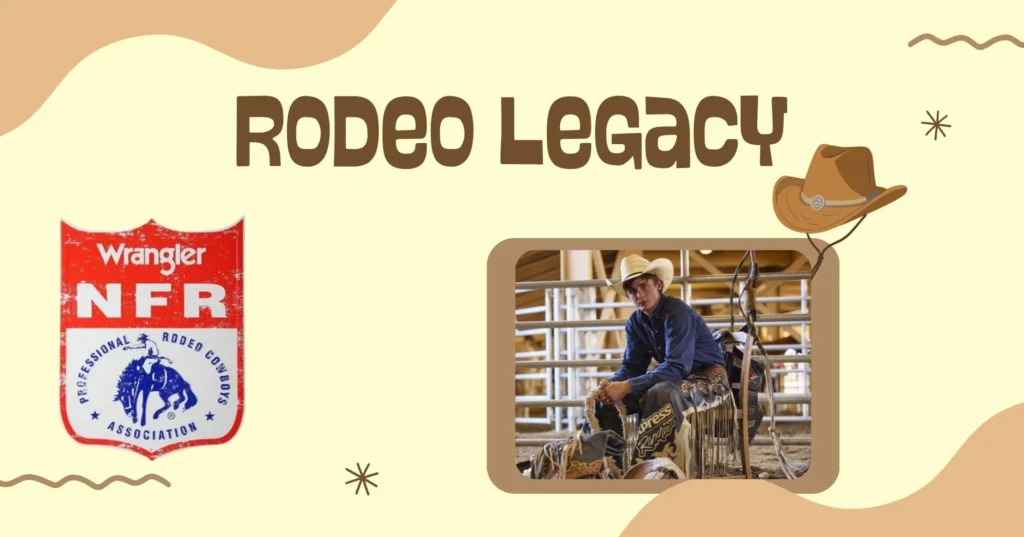
A great jean doesn’t mean much if nobody trusts it. Wrangler needed real cowboys to prove it actually worked, not just claim it did.
Jim Shoulders and the Endorsement That Built Wrangler’s Reputation
Before the 13MWZ Wrangler jeans ever hit stores, real rodeo cowboys wore-tested it out in the field. Jim Shoulders, Bill Linderman, and Freckles Brown all put the jeans through actual rodeo conditions, not some controlled testing room. Jim Shoulders in particular became closely tied to the brand over time. He went on to win 16 world championships, and having a name like that connected to Wrangler meant a lot more than any advertisement could have.
Why the Pro Rodeo Cowboys Association Still Backs Wrangler Today
The relationship between Wrangler and rodeo didn’t stop back in the 1940s. In 1974, Wrangler became the first western wear brand officially endorsed by the Pro Rodeo Cowboys Association. Here’s the thing though, it’s still the only one, all these decades later. That partnership hasn’t gone to any other brand since. That’s not a small detail at all. It says something real about how much trust Wrangler built early on and somehow managed to keep intact.
How Wrangler’s Denim Kept Evolving
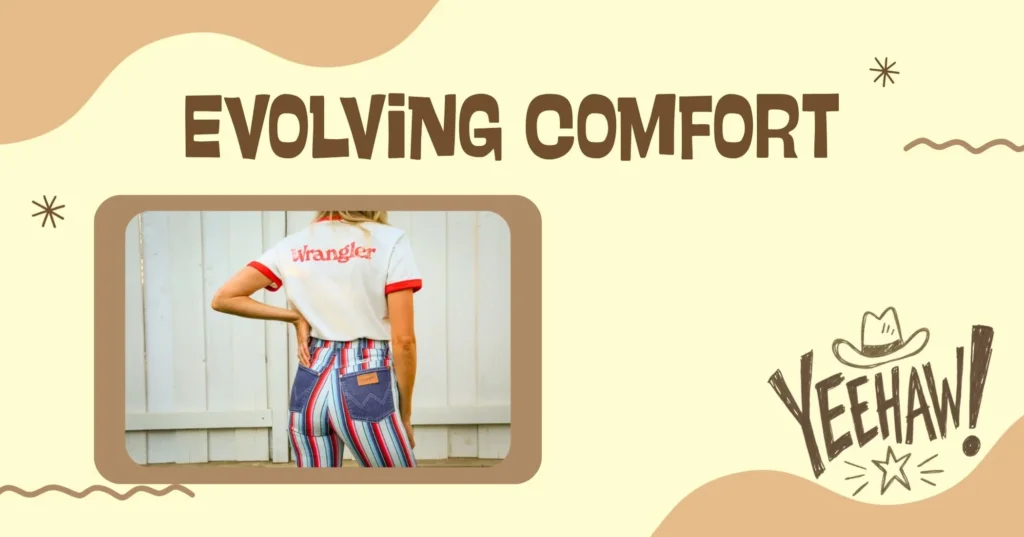
Wrangler didn’t just make one great jean and stop there. The fabric itself kept changing too, decade after decade.
Broken Twill Denim and the Shift Toward Comfort
In the 1970s, Wrangler introduced broken twill denim. Regular denim twill can cause jeans to twist a little around the leg over time, which isn’t super comfortable after a long day. Broken twill fixed that problem. It gave the jeans a straighter hang and a more comfortable feel overall, without losing any of the toughness Wrangler was already known for.
Sanforized Denim and Wrangler’s Push for Consistency
Wrangler also leaned into sanforized denim, a process that pre-shrinks the fabric before the jeans are even sewn together. That meant customers got a much more consistent fit, wash after wash, instead of guessing how much their jeans might shrink the first time they got wet. For a brand built on trust with working cowboys, that kind of consistency actually mattered a whole lot more than it might sound.
Wrangler Beyond Jeans – Cargo Pants and Everyday Western Wear
Wrangler didn’t stay locked into just jeans forever. The brand grew into other kinds of clothing too, while sticking to the same basic idea it started with: build stuff that actually works.
How Wrangler Cargo Pants Fit Into the Brand’s Utility Roots
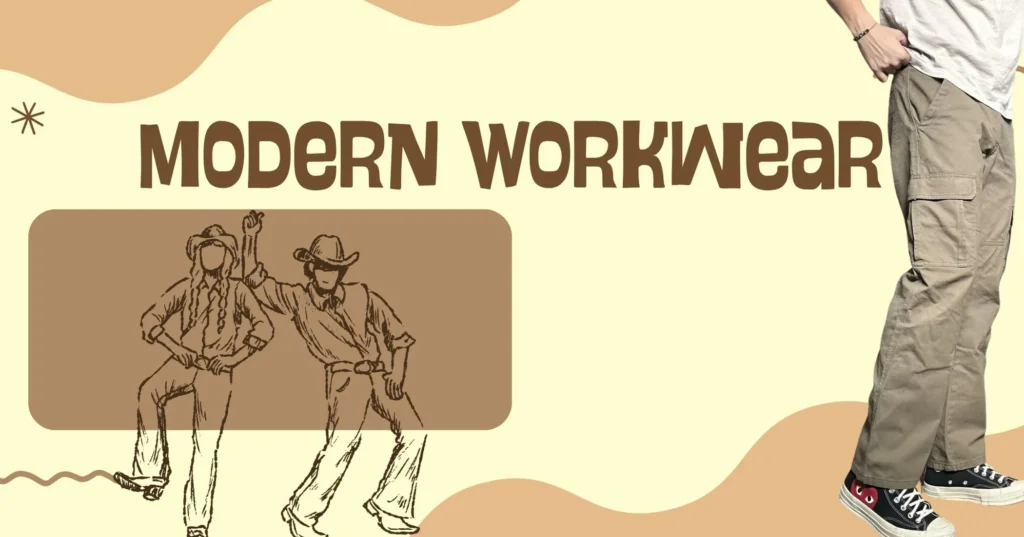
Wrangler cargo pants make a lot of sense when you think about where the brand came from in the first place. Wrangler was always about function first, style second. Cargo pants, with all those extra pockets and tough fabric, fit right into that mindset without much stretching required. It’s less about chasing a trend and more about continuing what Wrangler already did well for decades.
Wrangler Jeans for Men and the Everyday Western Look
Wrangler jeans for men have stuck around because they work for everyday life, not just for the rodeo arena. Ranch work, weekend errands, casual outfits around town, it really doesn’t matter. The western look Wrangler built decades ago still holds up today, and a lot of guys reach for it without even thinking about where the style actually came from originally.
How Wrangler Compares to Other Denim Brands Today
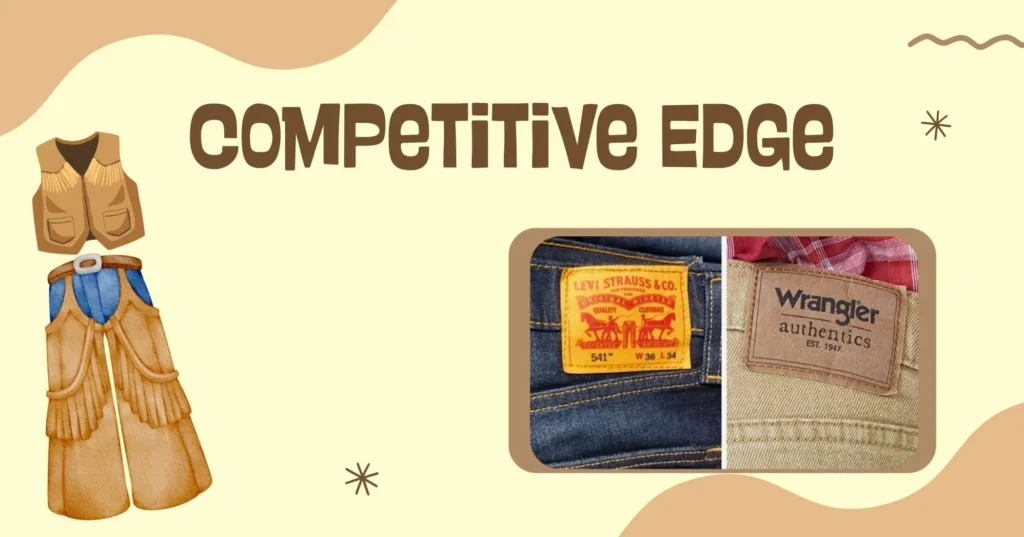
Wrangler isn’t the only denim name out there, obviously. But its background sets it apart from a lot of competitors in a meaningful way.
Wrangler vs American Eagle Jeans – Western Roots vs Mainstream Denim
American Eagle jeans lean toward a more mainstream, everyday casual style, built around current trends and general comfort rather than any specific heritage. Wrangler took a completely different path from the very beginning. It grew directly out of rodeo culture and western workwear, tested by actual cowboys before ever reaching a store shelf. Both brands make perfectly solid jeans, sure, but Wrangler’s identity is rooted in something a lot more specific, and a lot older, than most modern denim labels can claim.
Why Wrangler Still Matters in Western Wear and Denim Culture
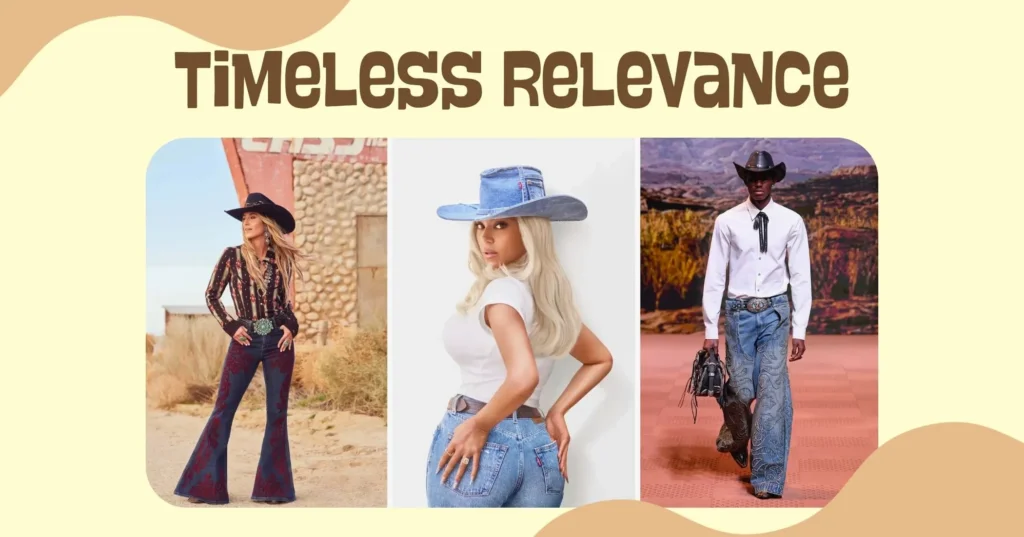
Trends in denim come and go constantly, almost on a yearly cycle at this point. From skinny jeans to baggy and wide-leg styles, the latest denim trends can change the way people think about everyday fits. Wrangler mostly stayed out of that whole cycle. It kept its focus on western wear and durability instead of chasing every new look that showed up in stores.
That kind of consistency is exactly why Wrangler still holds real weight in denim culture today. It’s not trying to be everything to everyone, and it never really has been. It knows exactly what it is, and that’s actually pretty rare in an industry where brands often reinvent themselves every single season just to stay relevant to shoppers.
The Bottom Line: Wrangler Built Its Name on the Ranch, Not the Runway
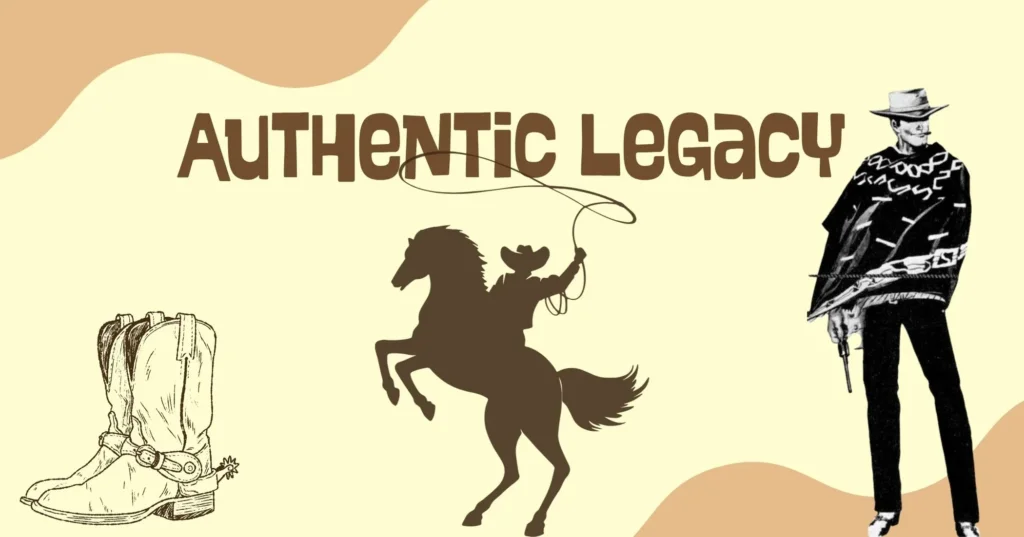
Wrangler’s whole story comes down to one simple idea, really. Build it for the people who’ll actually use it hardest, and the rest tends to follow naturally after that. From Rodeo Ben’s early prototypes all the way through decades of rodeo endorsements, Wrangler never really strayed from that original idea.
That’s probably the real reason it’s lasted this long. Not because it chased fashion or reinvented itself constantly, but because it earned trust the slow way, one cowboy at a time, one prototype at a time, one rodeo season at a time. That balance between function and style is still visible in today’s modern denim fashion.
FAQs
A tailor named Bernard Lichtenstein, better known as Rodeo Ben, designed the original Wrangler jean after Blue Bell hired him in 1946.
The name comes from the fact that it took 13 prototypes to get right, and it was made for men with a zipper fly.
Blue Bell picked up the Wrangler name in 1943 through an unrelated deal when it acquired the Casey Jones Company.
Yes. Wrangler has been the official denim brand of the Pro Rodeo Cowboys Association since 1974, and it’s still the only one.
Wrangler grew out of western workwear and rodeo culture, while brands like American Eagle focus more on mainstream, trend-driven denim styles.
Tags:

Chirag Pariyani
AI Engineer, NineE
Chirag is part of the engineering team at NineE, working on the technology that powers the product —...
Read More
Get Latest Fashion Insights, Before Everyone Else.