Updated on Aug 2, 2026
2026 Sustainable Fashion Guide: Everything You Need to Know
Fashion GuidesAakash Jethwani21 Mins reading time

What if you could own fewer clothes but create more outfits than ever before? Although this idea challenges the belief that a larger wardrobe automatically delivers better style, a thoughtfully planned sustainable fashion approach helps you invest in timeless apparel and reduces unnecessary purchases without compromising your personal expression.
Whether you shop for weekend essentials or seasonal collections, making informed decisions creates lasting value while supporting smarter consumption. So, this guide explains how intentional shopping transforms your wardrobe into a versatile and stylish collection. Let’s Dive In.
Key Takeaways
- Sustainable fashion is about buying intentionally, choosing quality over quantity, and extending the life of every garment rather than constantly following short-lived trends.
- A thoughtfully planned sustainable fashion wardrobe helps you create more outfits with fewer pieces, making daily dressing easier, more stylish, and more cost-effective.
- Understanding sustainable fashion fabrics such as organic cotton, linen, recycled fibers, and responsibly sourced materials enables smarter purchasing decisions that prioritize comfort, durability, and longevity.
- Evaluating clothing based on Cost Per Wear (CPW), craftsmanship, versatility, and construction quality provides better long-term value than focusing solely on the purchase price.
- Building a capsule wardrobe with timeless staples, elevated basics, and versatile investment pieces reduces clutter while maximizing outfit combinations across seasons and occasions.
- Simple habits such as performing wardrobe audits, repairing garments, following proper care instructions, and donating or recycling responsibly contribute significantly to wardrobe longevity.
- Whether you are a corporate professional, college student, homemaker, or retiree, sustainable fashion principles can be adapted to fit your lifestyle, budget, and everyday clothing needs.
What Is Sustainable Fashion?
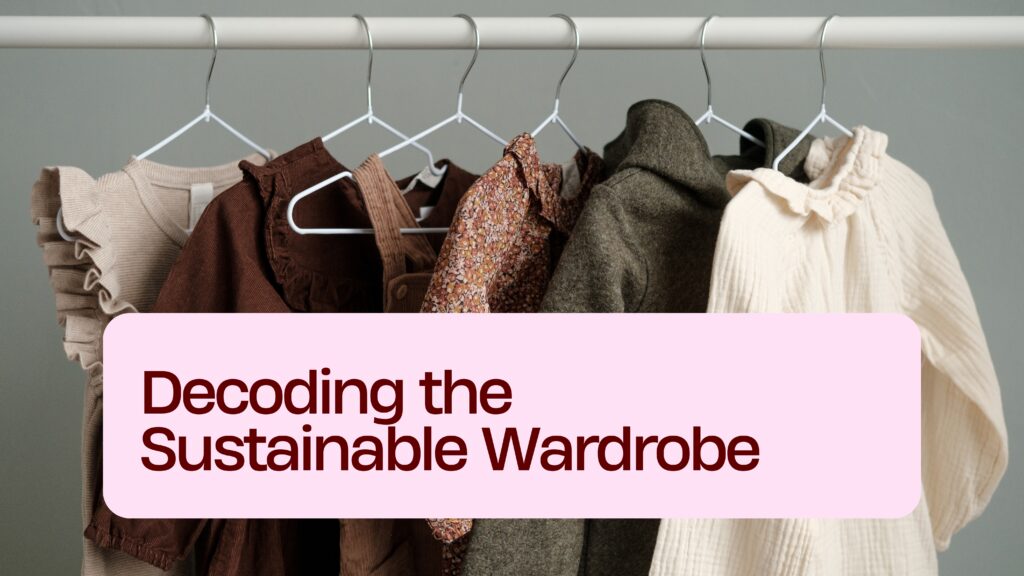
Sustainable fashion is basically a conscious process of buying and wearing clothes, caring for them, and eventually disposing of them in the most environmentally friendly way possible.
Unlike fleeting trends that quickly fade from store shelves, sustainable choices focus on timeless silhouettes and elevated essentials that transcend multiple seasons. So, the goal is to balance personal style with smarter purchasing decisions that reduce unnecessary waste and increase long-term wearability.
Consumers are increasingly looking beyond the appearance of clothing and are considering factors such as production methods, material quality, repairability, durability, and overall value across the garment’s lifecycle. Hence, this approach is based on several principles, such as
Key Principles of Sustainable Fashion
- Buy fewer but higher-quality garments.
- Choose timeless designs instead of short-lived trends.
- Extend wardrobe longevity through proper care.
- Support responsible manufacturing practices.
- Reduce unnecessary textile waste.
- Prioritize functionality alongside aesthetics.
- Invest in garments with a higher cost per wear (CPW).
- Build a curated closet instead of an overcrowded wardrobe.
These principles promote mindful shopping habits and help consumers to build a wardrobe that stays fashionable and flexible throughout shifting seasons.
Why is Sustainable Fashion Becoming More Important?
Global shopping habits have changed dramatically during the past decade because online retail offers unlimited access to clothing collections from thousands of brands worldwide.
Although this convenience benefits consumers, it has also encouraged impulsive buying, duplicate purchases, and wardrobes filled with items that receive very little wear.
Modern shoppers now value quality over quantity because they recognize that smarter purchasing decisions deliver stronger long-term financial and lifestyle benefits.
Several consumer trends continue driving this shift. Sustainable fashion has become more important because
Consumers Want Better Value
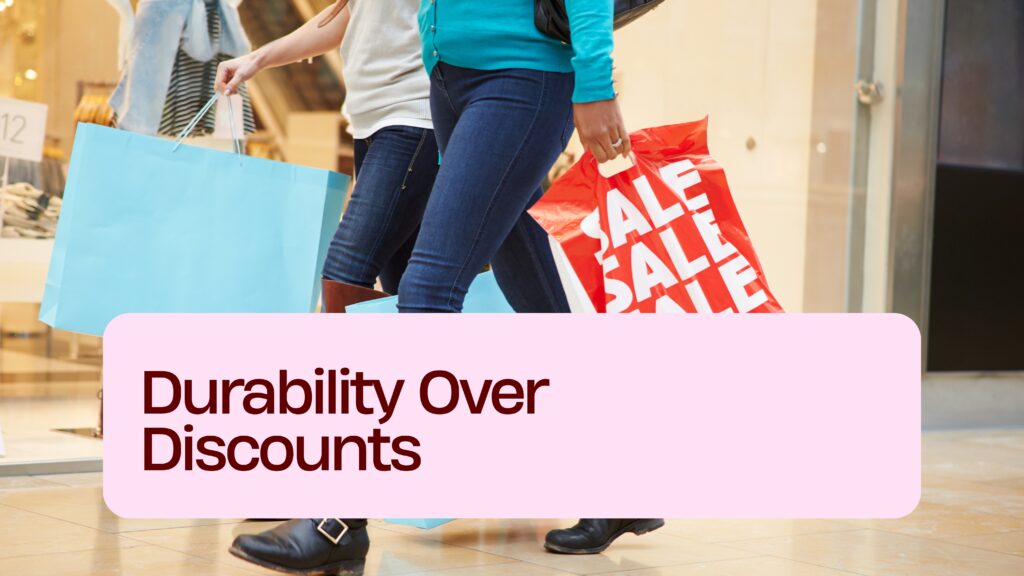
Shoppers are now comparing products beyond discounts and evaluating them on several factors, such as a garment’s durability, versatility, construction quality, fabric composition, and long-term performance, before completing a purchase.
An investment piece often costs more initially, yet its fashion ROI becomes significantly higher when worn consistently over several years.
Digital Shopping Has Increased Product Research
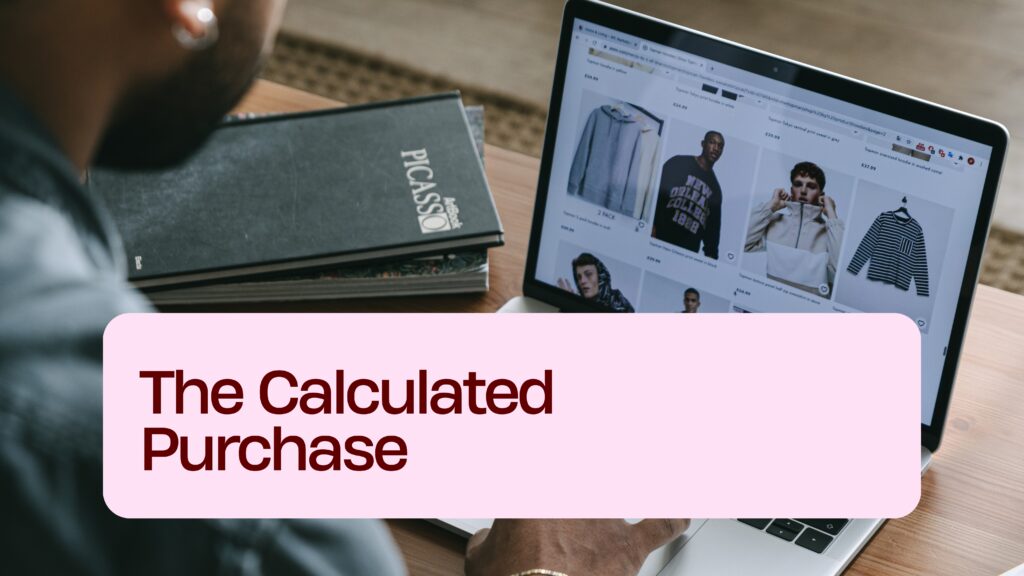
Today’s consumers read customer reviews, compare product detail pages, study sizing information, and analyze styling recommendations before making purchasing decisions.
This research-first behavior naturally supports sustainable fashion because informed buyers experience fewer disappointments and lower return rates.
Personal Style Is Replacing Constant Trend Following
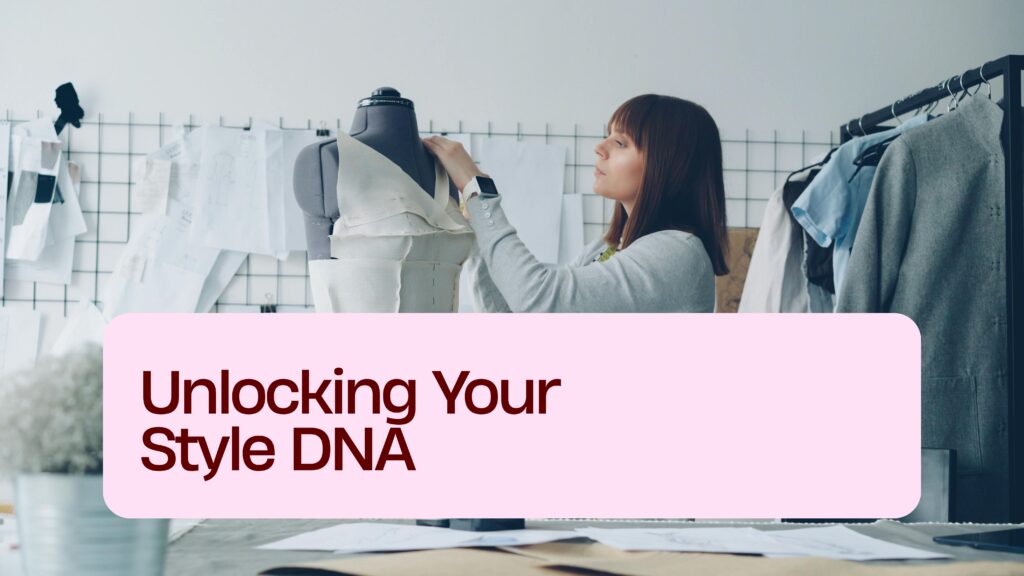
Instead of purchasing every seasonal trend forecast introduced by retailers, fashion enthusiasts are now increasingly focusing on developing their style DNA.
A signature style creates confidence and easier outfit coordination while reducing unnecessary wardrobe clutter.
How Does Sustainable Fashion Change the Way You Shop?
Shopping becomes intentional when, instead of satisfying temporary excitement, every purchase serves a clear purpose within your overall wardrobe ecosystem.
Experienced shoppers mostly evaluate how well each item integrates into their existing collection. So, this mindset changes every stage of the purchasing journey.
You Start Planning Before Shopping

Successful shoppers conduct a frequent wardrobe audit before browsing online stores because understanding current wardrobe gaps prevents them from making duplicate purchases and from making impulsive decisions.
Planning creates better shopping outcomes by identifying genuine needs rather than reacting emotionally to promotional campaigns.
You Compare Before Buying
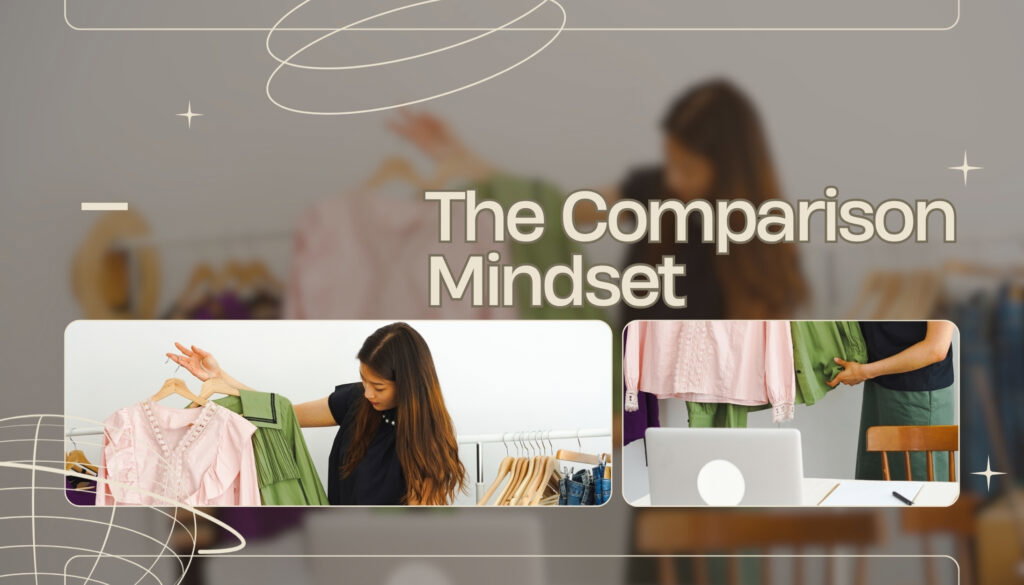
Rather than purchasing immediately, shoppers compare these core attributes:
- Fabric quality
- Stitching details
- Tailoring
- Size consistency
- Product reviews
- Return policies
- Care instructions
- Outfit versatility
This comparison process improves buying confidence while supporting smarter wardrobe building.
You Evaluate Cost Per Wear
Cost Per Wear (CPW) provides a more accurate measurement of value for those shoppers who exclusively focus on price because durable apparel usually delivers greater returns than inexpensive garments requiring frequent replacement.
For instance, a professionally tailored blazer worn twice every week throughout three years offers substantially greater value than multiple low-quality alternatives worn only occasionally.
You Think About Outfit Rotation
Every new purchase should expand outfit possibilities instead of creating another standalone item that rarely leaves the closet. A versatile garment supports these elements:
- Smart Casual dressing
- Business Casual styling
- Weekend ensembles
- Layering techniques
- Seasonal transition
- Travel wardrobes
- Capsule wardrobe planning
This approach maximizes outfit combinations while minimizing unnecessary consumption.
What Makes Sustainable Fashion Fabrics Different?
While evaluating clothing quality, fabric selection represents one of the most important considerations because materials directly influence durability, comfort, maintenance, and environmental impact.
High-quality textiles generally retain their appearance longer and withstand repeated washing without excessive deterioration. Understanding sustainable fashion fabrics helps consumers make informed purchasing decisions based on performance rather than marketing language alone.
Natural Fibers
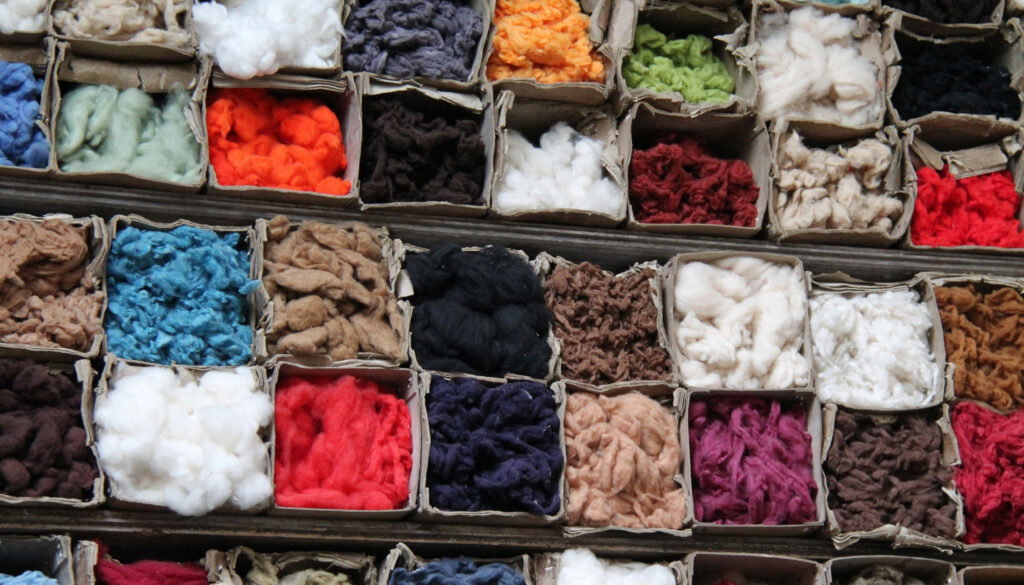
Speaking of natural fibers, they are popular as they provide excellent breathability and timeless appeal. The common examples include
- Organic cotton
- Linen
- Hemp
- Responsibly sourced wool
These materials frequently support wardrobe longevity through durability and everyday wearability when properly maintained.
Recycled Materials
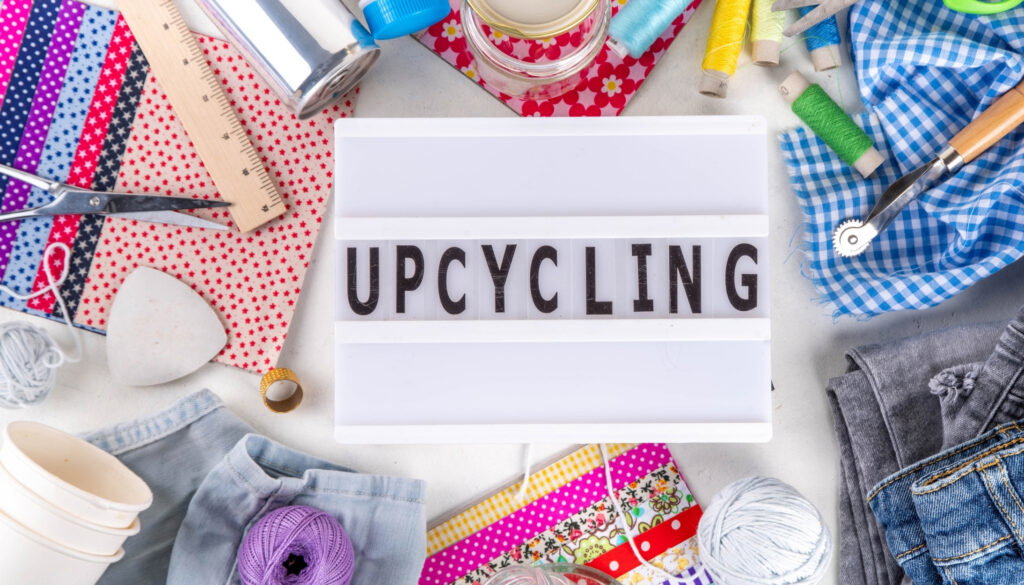
Nowadays, innovations in modern textiles allow manufacturers to transform their existing materials into new garments using recycled fibers without sacrificing functionality or comfort. For instance, recycled polyester and regenerated nylon help in reducing dependence on virgin raw materials.
Innovative Cellulosic Fabrics
Materials such as TENCEL™ Lyocell continue gaining popularity because they combine softness, moisture management, and excellent drape with responsible manufacturing practices. Their versatility makes them suitable for contemporary apparel, elevated basics, and seasonless dressing.
Fabric Quality Matters More Than Labels
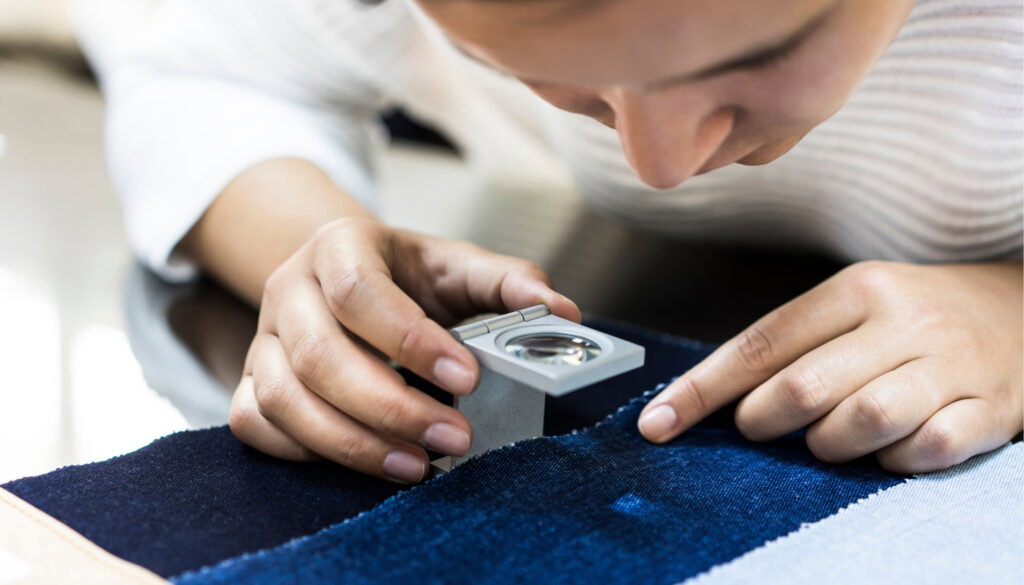
The horizons of responsible shopping extend beyond reading marketing claims, as construction quality remains equally important. Before purchasing online, it is prudent to examine:
- Fabric composition
- Stitch density
- Product close-up images
- Care instructions
- Customer reviews
- Garment structure
- Tailoring quality
- Manufacturer transparency
These indicators provide stronger insights into long-term garment performance than promotional descriptions alone.
How to Build a Sustainable Fashion Wardrobe?
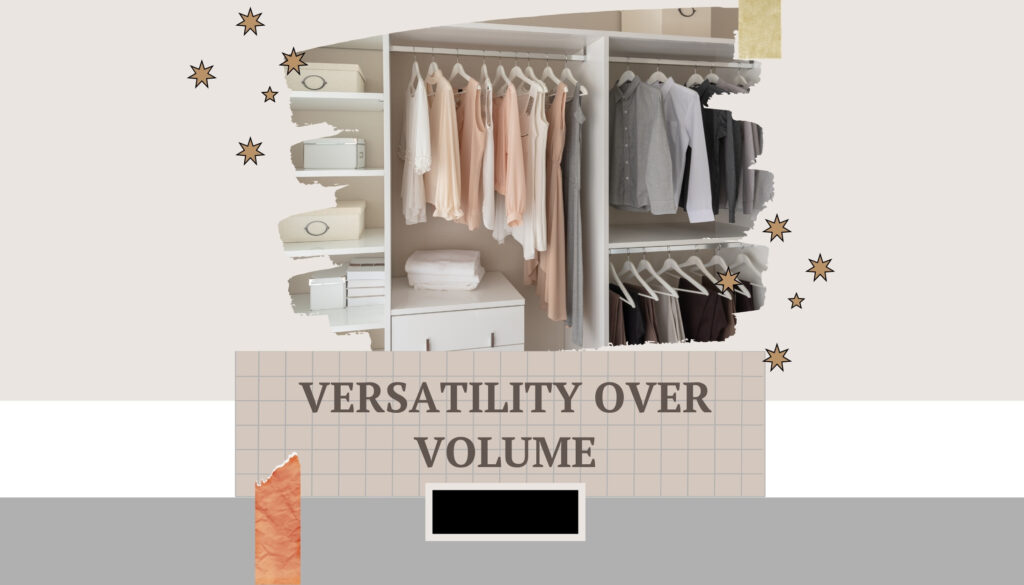
Building a sustainable fashion wardrobe does not require replacing your garments overnight because gradual improvements create lasting habits without placing unnecessary pressure on your budget.
Hence, the most effective wardrobes evolve through careful planning, thoughtful purchasing, and consistent outfit rotation that supports daily activities across work, travel, social occasions, and seasonal changes.
A curated closet focuses on versatility rather than volume, which ensures every garment contributes meaningfully to your overall style ecosystem.
Start with a Wardrobe Audit
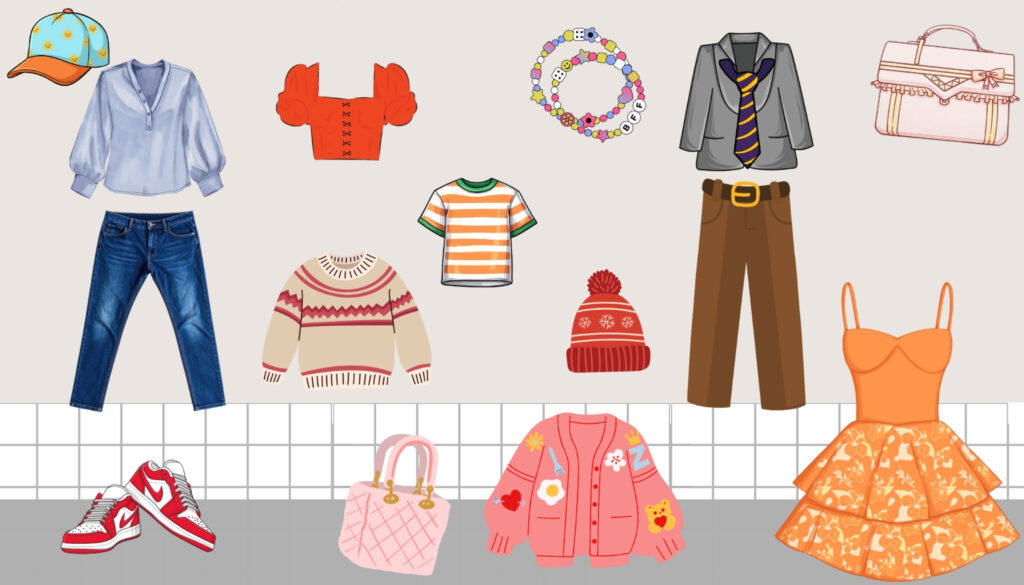
A general wardrobe audit reveals what you already own, helping you identify useful staples, duplicate purchases, and genuine wardrobe gaps before shopping again. For this, you must review these categories individually.
- Shirts and blouses
- T-shirts
- Denim
- Trousers
- Dresses
- Blazers
- Jackets
- Knitwear
- Shoes
- Accessories
After your supervision, you can separate each item into four categories:
- Wear regularly
- Needs repair
- Donate or recycle
- Seasonal storage
This exercise helps you appreciate existing pieces while reducing unnecessary future purchases.
Build Around Core Basics
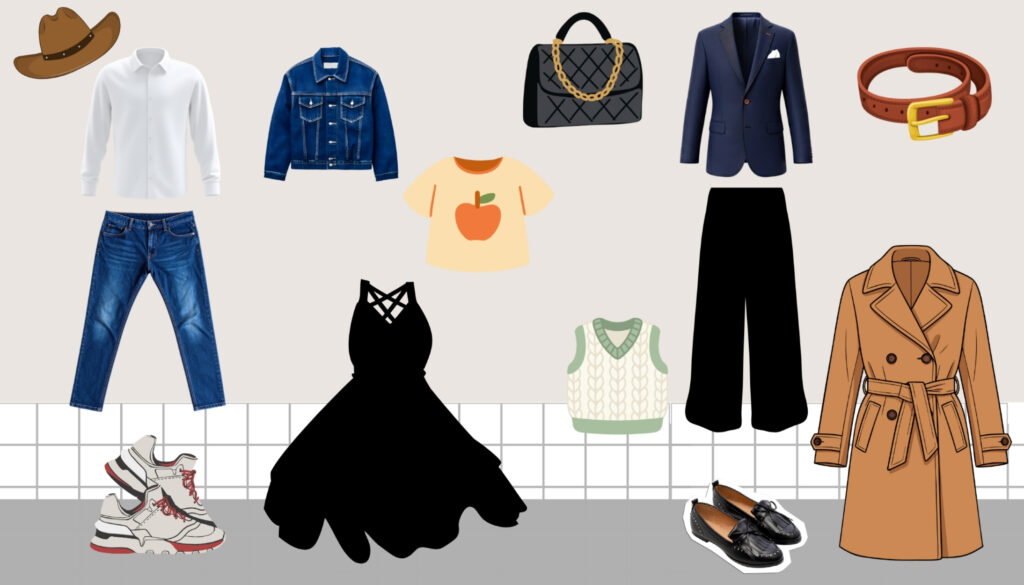
Every successful wardrobe begins with elevated essentials that serve as reliable foundations for multiple outfit combinations throughout the year. Examples of these include:
- Crisp white shirt
- Neutral T-shirt
- Tailored black trousers
- Dark denim
- Navy blazer
- Classic trench coat
- White sneakers
- Leather loafers
- Little black dress
- Neutral knit sweater
These investment pieces simplify daily dressing naturally with statement garments and seasonal additions.
Create an Outfit Formula
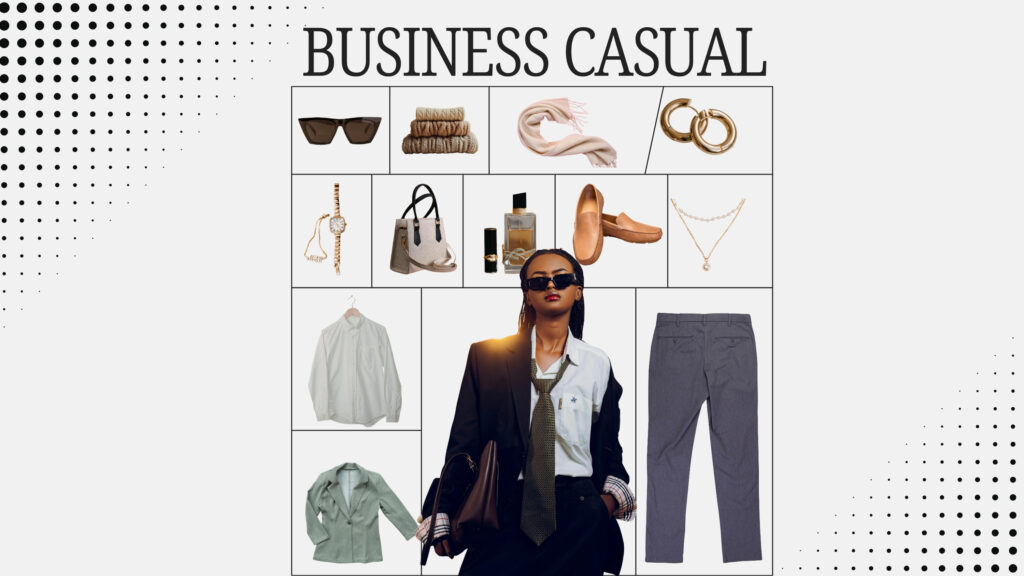
Professional stylists frequently recommend developing an outfit formula because consistent combinations reduce decision fatigue while maintaining visual balance. They recommend
Business Casual
- Oxford shirt
- Tailored chinos
- Leather belt
- Loafers
- Structured blazer
Smart Casual
- Premium polo
- Dark denim
- Overshirt
- White sneakers
Weekend Casual
- Relaxed shirt
- Linen trousers
- Canvas sneakers
An outfit formula allows you to mix and match confidently without purchasing unnecessary clothing.
Why Does a Capsule Wardrobe Support Long-Term Style?
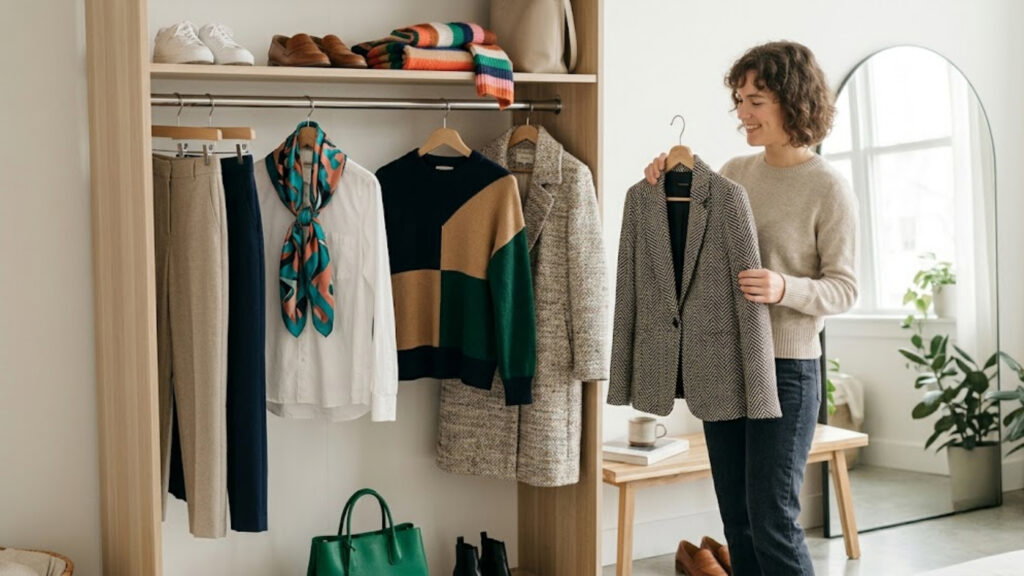
A capsule wardrobe represents one of the most practical applications of sustainable dressing because every item complements multiple garments within the collection.
Rather than owning hundreds of unrelated pieces, shoppers curate a smaller wardrobe emphasizing functionality, coordination, and timeless appeal.
Benefits of a Capsule Wardrobe
- Simplifies daily outfit selection
- Encourages outfit-repeat confidence
- Reduces closet clutter
- Supports seasonless dressing
- Improves fashion longevity
- Increases wardrobe versatility
- Minimizes impulse shopping
Instead of chasing every seasonal fashion cycle, you focus on timeless silhouettes and elevated basics that remain stylish year after year.
Balance Statement Pieces and Essentials
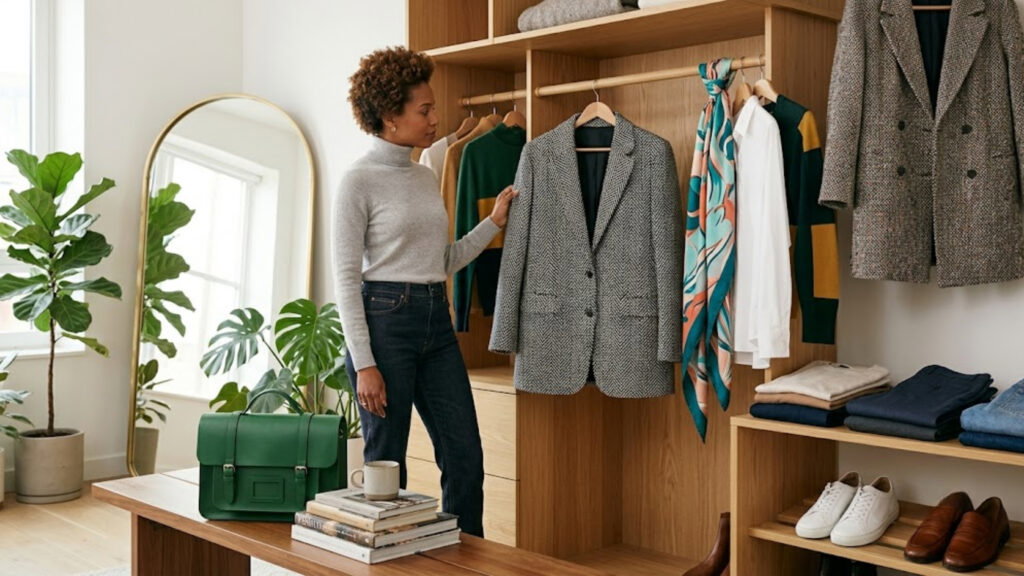
A balanced wardrobe combines dependable staples with carefully selected focal pieces that express personality without overwhelming versatility. Examples of statement items include:
- Printed blazer
- Color-blocked knitwear
- Patterned scarf
- Bold handbag
- Textured overcoat
These garments refresh familiar outfits while maintaining overall wardrobe coordination.
What Should You Look for Before Buying Sustainable Fashion Clothes?
Online shopping removes the opportunity to physically inspect garments, which has made product evaluation more important than ever before. Smart shoppers examine several quality indicators before adding apparel to their shopping cart.
Study Product Detail Pages Carefully
A comprehensive product page should explain:
- Fabric composition
- Care instructions
- Country of manufacture
- Size guidance
- Construction details
- Available colors
- Product measurements
Transparent product descriptions help shoppers make informed purchasing decisions while reducing unnecessary product returns.
Read Customer Reviews Strategically
Instead of focusing exclusively on star ratings, evaluate detailed customer experiences, discussing:
- Fabric durability
- Color consistency
- Shrinkage
- Stitching quality
- Fit accuracy
- Comfort
- Long-term wear
Reviews from repeat buyers often provide valuable insights unavailable within product descriptions.
Examine Garment Construction
High-quality garments frequently demonstrate better craftsmanship through:
- Reinforced seams
- Clean stitching
- Pattern alignment
- Quality buttons
- Durable zippers
- Neat finishing
Construction quality directly influences how long clothing maintains its original appearance.
Prioritize Versatility
Before purchasing, ask practical questions.
- Can this garment work across multiple seasons?
- Does it coordinate with existing clothing?
- Can it support layering techniques?
- Will I wear it regularly?
- Does it complement my signature style?
Positive answers will surely increase the value of your wardrobe.
How Does Sustainable Fashion Shopping Save Money?
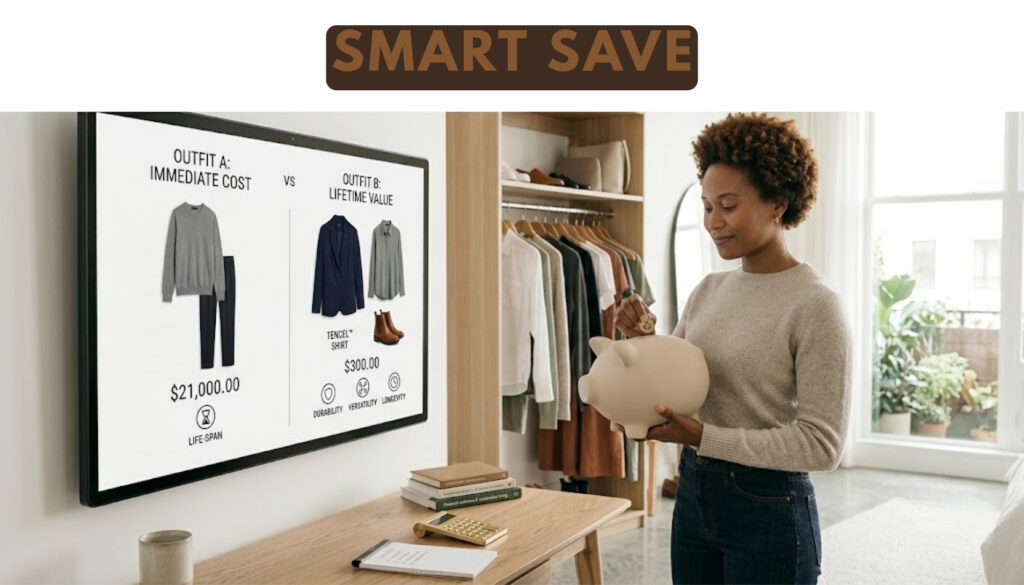
Some consumers believe sustainability always increases clothing expenses as premium garments often carry higher initial prices. However, experienced stylists evaluate clothing through lifetime value rather than immediate purchase cost.
Cost Per Wear Creates Better Value
Fashion professionals frequently calculate cost per wear (CPW) using a simple principle.
Purchase Price ÷ Number of Times Worn = Cost Per Wear
This means a $180 blazer worn 300 times delivers significantly greater value than three inexpensive alternatives replaced every season. Lower CPW reflects smarter shopping rather than cheaper shopping.
Fewer Impulse Purchases
Intentional purchasing naturally reduces unnecessary spending because every new garment fills a clearly identified wardrobe need. Instead of reacting to discounts, shoppers evaluate functionality, coordination, and long-term usefulness
Better Clothing Requires Fewer Replacements
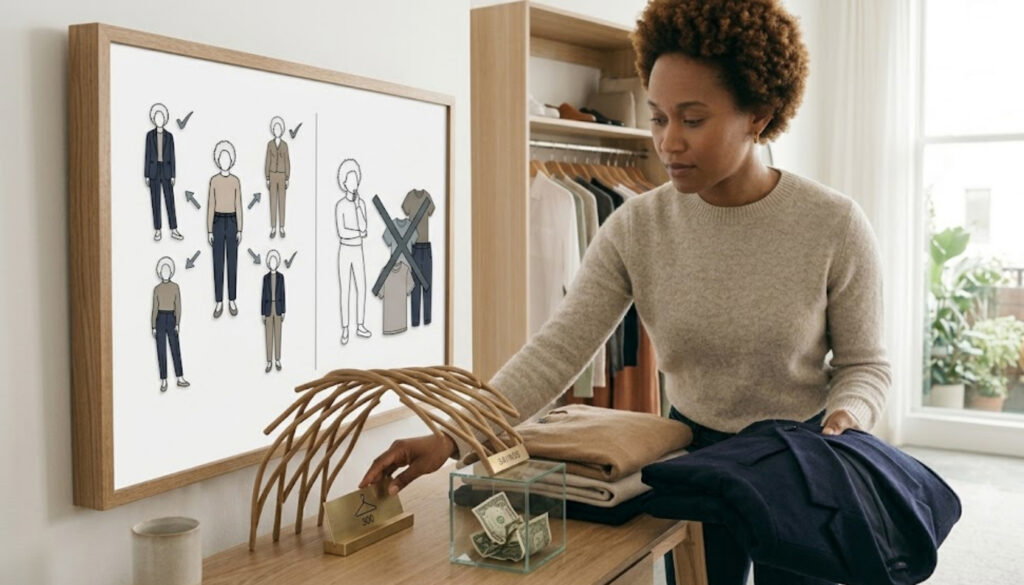
High-quality apparel typically retains these features:
- Shape
- Color
- Stitching
- Structure
- Comfort
- Appearance
Long-lasting garments reduce replacement frequency while supporting wardrobe longevity.
Smarter Seasonal Planning
Experienced shoppers purchase transitional clothing that works across changing weather instead of buying entirely new wardrobes every season.
Examples include:
- Lightweight knitwear
- Layering jackets
- Neutral overshirts
- Timeless denim
- Versatile boots
Seasonless dressing improves overall shopping efficiency, and it also reduces unnecessary consumption.
How Can Different Age Groups Practice Sustainable Style?
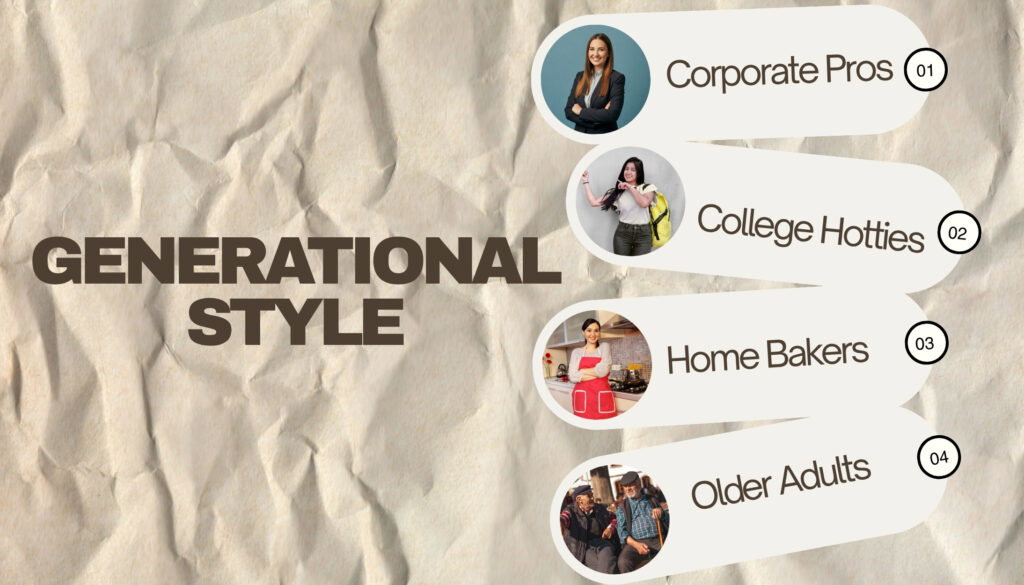
Although sustainability follows universal principles, wardrobe priorities vary according to lifestyle, profession, and daily responsibilities.
Corporate Professionals
Professionals benefit from investing in business casual staples that transition smoothly between office meetings, networking events, and after-work gatherings. Recommended investments include:
- Tailored suits
- Neutral blazers
- Oxford shirts
- Premium trousers
- Leather shoes
These garments maximize outfit rotation while maintaining professional credibility.
College Students
Students often balance limited budgets with evolving personal style. Their priorities should include:
- Durable denim
- Comfortable sneakers
- Layering pieces
- Versatile jackets
- Everyday backpacks
Thoughtful purchasing allows students to experiment with aesthetics without excessive spending.
Homemakers
Comfort and practicality frequently guide purchasing decisions for household responsibilities and social activities. Useful wardrobe staples include:
- Breathable cotton tops
- Stretch trousers
- Comfortable cardigans
- Lightweight dresses
- Functional footwear
Versatile apparel simplifies daily dressing while maintaining a polished appearance.
Older Adults
Timeless tailoring, comfort, and quality fabrics often become more valuable than rapidly changing trends. Recommended essentials include:
- Soft knitwear
- Structured outerwear
- Comfortable loafers
- Relaxed tailoring
- Wrinkle-resistant shirts
These garments deliver elegance while supporting everyday functionality.
Styling Techniques That Extend Wardrobe Longevity
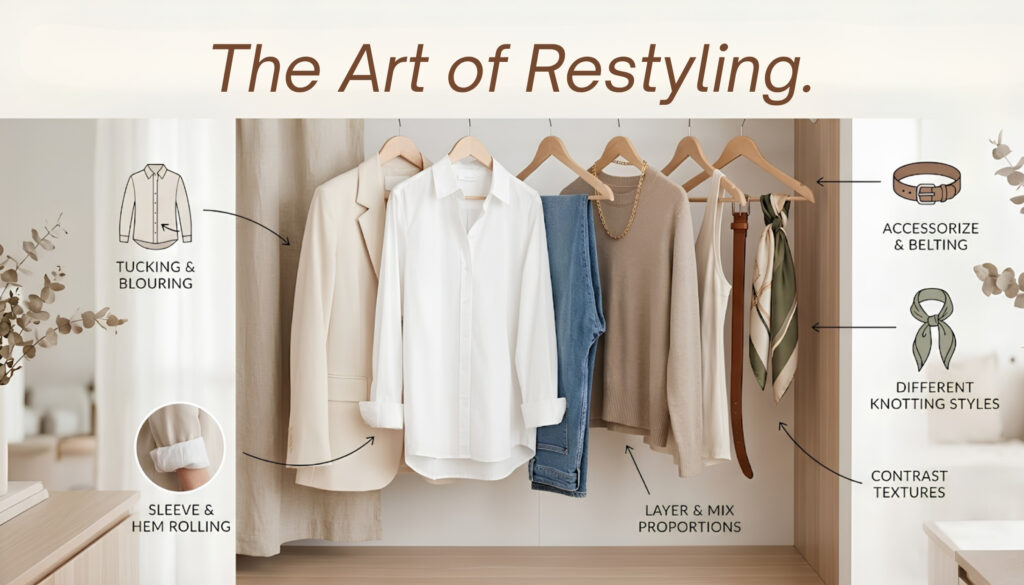
Professional stylists rarely rely upon constant shopping because styling techniques continuously refresh existing wardrobes. Simple adjustments create entirely new visual impressions.
Practice Smart Layering
Layering adds depth, texture, and versatility throughout changing seasons. Examples include:
- Shirt under knitwear
- Blazer over polo
- Overshirt above T-shirt
- Lightweight jacket with hoodie
Smart layering maximizes clothing usage throughout the year.
Experiment with Monochrome Dressing
Single-color ensembles create sophisticated visual balance while allowing different textures to become the focal point. Monochrome styling also simplifies outfit coordination.
Use Color Blocking Carefully
Color blocking introduces personality without overwhelming the overall ensemble. Neutral foundations paired with one accent color often produce balanced contemporary outfits.
Refresh Looks Through Accessories
Instead of purchasing new clothing regularly, update familiar outfits using:
- Scarves
- Belts
- Watches
- Bags
- Jewelry
- Footwear
Accessories provide affordable wardrobe refresh opportunities while extending outfit variety.
Common Myths About Sustainable Fashion
Despite growing awareness, several misconceptions prevent shoppers from adopting a more intentional approach to clothing. Understanding the facts helps consumers make informed decisions rather than relying on outdated assumptions. These are some common myths about sustainable fashion:
Myth 1: Sustainable Clothing is Always Expensive
Higher prices do not automatically define sustainability. Many brands now offer thoughtfully designed garments at accessible price points while emphasizing durability, responsible manufacturing, and wardrobe versatility.
When evaluated through Cost Per Wear (CPW), well-made apparel often delivers greater long-term value than repeatedly replacing lower-quality alternatives.
Myth 2: Sustainable Style is Boring
A timeless wardrobe does not mean a dull wardrobe. Contemporary collections combine modern silhouettes, texture play, color blocking, statement pieces, and elevated basics to create stylish ensembles that remain relevant across changing fashion cycles.
Myth 3: You Must Replace Your Entire Closet
One of the biggest misconceptions is believing that sustainability begins with discarding everything you own. In reality, the most sustainable garment is often the one already hanging in your wardrobe. Wearing existing clothes longer supports conscious consumption while reducing unnecessary waste.
Myth 4: Only Natural Fabrics Are Sustainable
Natural fibers provide many benefits, but innovation has introduced responsibly produced recycled fibers and regenerated materials that also reduce environmental impact. Evaluating quality, durability, and responsible sourcing offers a more balanced perspective than focusing on fiber type alone.
Myth 5: Sustainability Means Giving Up Trends
You can still enjoy contemporary fashion while shopping intentionally. Instead of purchasing every seasonal release, choose trend-inspired pieces that complement your existing wardrobe and maintain long-term wearability.
Practical Tips to Make Sustainable Fashion Shopping Part of Everyday Life

Creating lasting shopping habits begins with small, consistent decisions rather than dramatic lifestyle changes. These practical strategies help every shopper build confidence before making the next purchase.
These practical tips will enhance your shopping experience in daily life:
Shop with a Shopping List
Treat clothing purchases like grocery shopping by identifying genuine wardrobe needs before browsing online collections. A clear shopping list minimizes impulse buying and keeps spending aligned with your long-term style goals.
Follow the 30-Wear Rule
Before completing a purchase, ask yourself whether you can realistically wear the garment at least thirty times. This simple question encourages thoughtful buying while improving wardrobe longevity and reducing unnecessary consumption.
Learn Basic Garment Care
Proper maintenance extends the life of every garment.
- Wash according to care labels.
- Avoid unnecessary washing.
- Air dry whenever practical.
- Store garments correctly.
- Repair minor damage early.
Simple care habits preserve craftsmanship and maintain garment performance for years.
Donate, Resell, or Recycle Responsibly
When clothing no longer serves your lifestyle, explore responsible alternatives instead of sending garments to landfills. Options include:
- Local donation centers
- Clothing resale platforms
- Textile recycling programs
- Community clothing swaps
- Brand take-back initiatives
These practices support circular fashion while reducing textile waste.
Make Every Purchase Intentional
Before clicking “Buy Now,” consider five questions:
- Does this fill a wardrobe gap?
- Can I style it with multiple outfits?
- Will I enjoy wearing it next year?
- Is the construction durable?
- Does it align with my personal style?
Intentional shopping consistently leads to smarter purchasing decisions.
Frequently Asked Questions
How can I identify genuinely sustainable clothing instead of marketing claims?
Look beyond promotional labels by reviewing fabric composition, construction quality, manufacturing transparency, care instructions, and customer reviews.
Brands that openly discuss responsible sourcing, product durability, repairability, and supply chain practices generally provide greater confidence than vague sustainability statements without supporting information.
Which garments should I prioritize first when building a sustainable wardrobe?
Begin with versatile core basics that receive frequent wear, including quality shirts, tailored trousers, denim, neutral knitwear, outerwear, and comfortable footwear.
These pieces form the foundation of countless outfit combinations, allowing future purchases to integrate naturally into your wardrobe instead of creating isolated looks.
Does sustainable shopping reduce online clothing returns?
Yes. Researching sizing, reading detailed product descriptions, examining customer reviews, and comparing fabric specifications before purchasing helps consumers choose more accurately. Better-informed decisions often reduce unnecessary returns while creating a more satisfying shopping experience and lowering transportation-related environmental impacts.
How does cost per wear influence better clothing decisions?
Cost Per Wear measures value by dividing a garment’s purchase price by the number of times it is worn. Clothing with higher durability, timeless styling, and greater versatility usually achieves a lower cost per wear, making it a smarter long-term investment despite a higher initial purchase price.
Can sustainable fashion work for people who enjoy seasonal trends?
Absolutely. Sustainable dressing encourages balancing timeless wardrobe staples with carefully selected seasonal statement pieces.
This approach allows shoppers to refresh their style without replacing entire wardrobes, creating flexibility while maintaining wardrobe longevity and reducing unnecessary consumption.
Build a Smarter Wardrobe That Lasts
Choosing sustainable fashion is less about following strict dogmas and more about making informed decisions that improve both your wardrobe and your shopping experience. Investing in versatile garments, understanding sustainable fashion fabrics, building a thoughtful sustainable fashion wardrobe, selecting durable sustainable fashion clothes, and practicing intentional sustainable fashion shopping help you create lasting value while expressing your personal style with confidence.
As shopping increasingly begins with research, having the right guidance becomes invaluable. This is where Ninee.ai adds meaningful value. It supports shoppers during the pre-purchase phase, when they are still exploring options, comparing products, and evaluating features before making a purchase.
Whether you are building your first capsule wardrobe, refreshing your professional attire, or making smarter everyday clothing choices, informed decisions always lead to better outcomes. So, if you are ready to shop with greater confidence, explore smarter product discovery with Ninee.ai and make every wardrobe investment a thoughtful one before your next purchase.
Tags:

Aakash Jethwani
Founder & CEO at NineE AI
Aakash Jethwani is the Founder & CEO of NineE AI, a Fashion Exploration Engine built to help peo...
Read More
Get Latest Fashion Insights, Before Everyone Else.