Updated on Sep 9, 2026
Sustainable Outfit Ideas for a Stylish Everyday Wardrobe
Outfit InspirationsTeam NineE AI12 Mins reading time
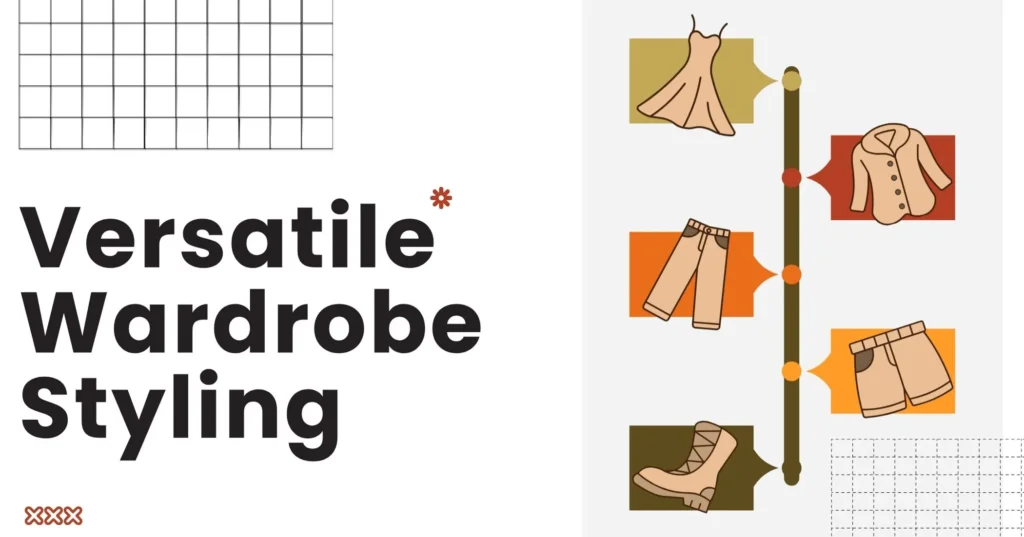
Getting dressed sustainably does not mean buying a completely new wardrobe. In fact, some of the best sustainable outfit ideas start with clothes you already own. A versatile shirt, well-fitting pair of trousers, simple dress or reliable pair of jeans can create several looks when you change the layers, shoes or accessories.
There is also a strong business case for using clothes for longer. UNEP reports that global textile waste reaches around 92 million tons a year, while clothing production doubled between 2000 and 2015 and the number of times a garment was worn fell by 36%.
So, what can you do differently?
- Rewear your favorite pieces instead of constantly replacing them.
- Build outfits around versatile clothing that works across occasions.
- Try secondhand clothing when you genuinely need something new.
- Choose durable pieces and care for them properly.
- Use layers and accessories to create more looks from fewer garments.
The result is simple: style more, shop less and make the clothes you already own work harder.
Quick Answer: What Makes an Everyday Outfit Sustainable?
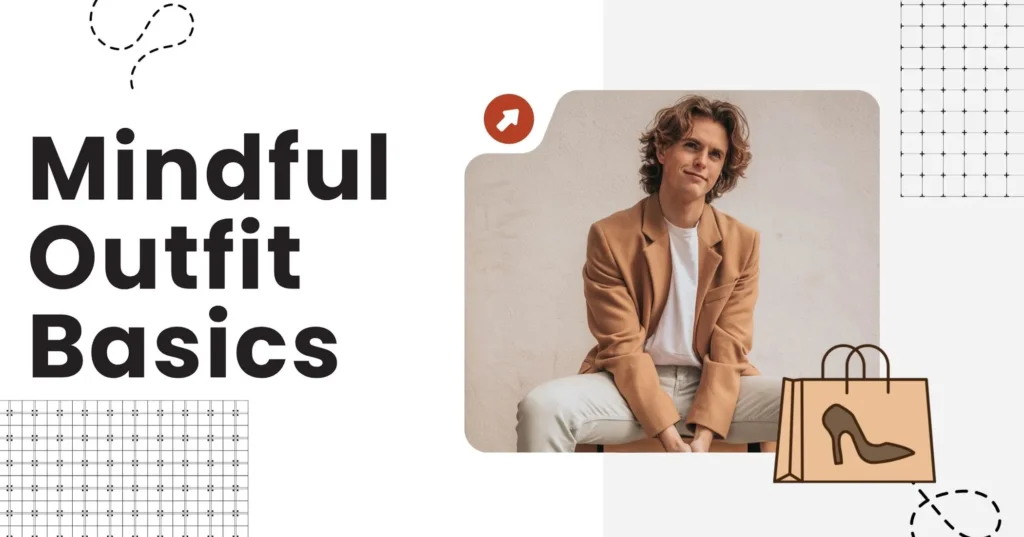
A sustainable everyday outfit is one that helps you get more use from the clothes you own while reducing unnecessary purchases. It does not have to be made entirely from organic or recycled materials.
The most useful approach is to combine longevity, versatility and mindful consumption. The Ellen MacArthur Foundation recommends designing fashion products to be used more and for longer, with durability and the ability to be remade or recycled built into the product.
Start With What You Already Own
Before shopping, check what you already have. That forgotten shirt at the back of your wardrobe could become the third layer in a completely new outfit.
Choose Pieces That Work Harder
A plain shirt can work with jeans, trousers or a skirt. A simple dress can work with sneakers during the day and a jacket and flats for dinner.
Make Sustainability Practical
Sustainable fashion is not only about choosing a particular fiber. How often you wear a garment, how long it lasts and what happens to it after use also matter.
The best sustainable everyday outfits are therefore not complicated. They are easy to wear, easy to repeat and easy to restyle.
Sustainable Outfit Ideas You Can Actually Wear
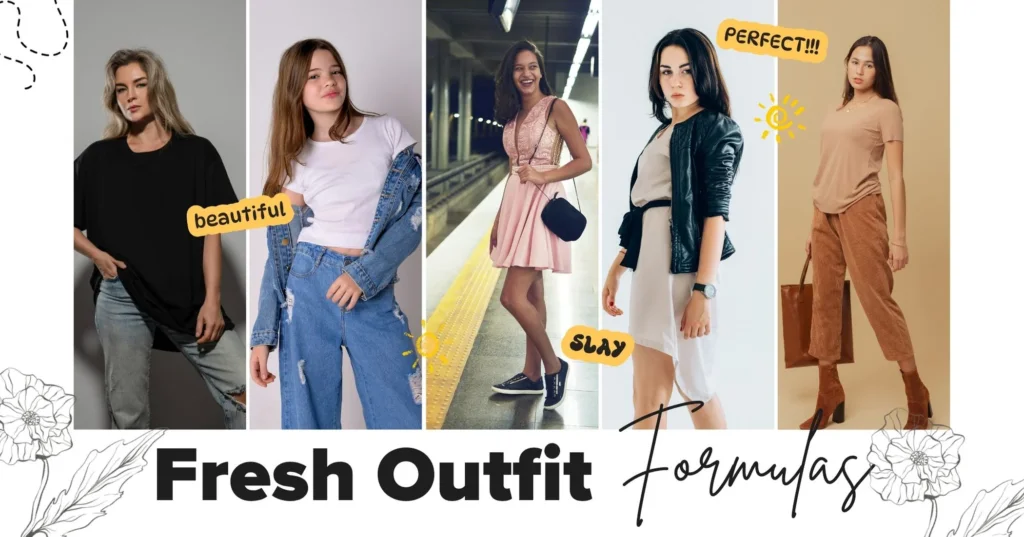
You do not need new outfits sitting in your wardrobe. These outfit formulas are designed to help you create versatile looks from familiar pieces.
White Shirt + Straight-Leg Jeans
A white shirt and straight-leg jeans are an easy everyday combination. Add sneakers for errands or loafers for a polished work look. Roll up the sleeves and add a belt when you want a more relaxed finish.
Basic T-Shirt + Tailored Trousers
Pair a neutral T-shirt with tailored trousers when you want comfort without looking too casual. Add a lightweight blazer for work or keep the outfit simple with sneakers.
Linen Shirt + Relaxed Trousers
A breathable shirt with relaxed trousers is especially useful for warm weather. Choose colors that coordinate with the rest of your wardrobe so both pieces can be styled separately.
Midi Dress + Sneakers
A midi dress does not have to be reserved for special occasions. Pair it with clean sneakers and a simple tote for a comfortable daytime outfit. Add a lightweight overshirt when temperatures drop.
Oversized Shirt + Jeans
An oversized shirt can work as both a top and a lightweight layer. Wear it buttoned with jeans or open over a T-shirt when you want a completely different look.
Monochrome Outfit
Try building an outfit around different shades of the same color. A beige top, cream trousers and tan shoes can look intentional without requiring statement pieces.
T-Shirt + Open Shirt + Trousers
Three simple layers can create more styling options than three individual garments worn alone. Use a basic T-shirt as the foundation and change the outer shirt to suit the day.
Repeat a Favorite Outfit With Different Accessories
Take an outfit you already love and change only the accessories. Swap sneakers for flats, add a belt or replace a handbag with a tote.
This is an outfit repeating with a styling twist, not wearing the same look on autopilot.
Secondhand Blazer + Basic T-Shirt
A secondhand blazer can instantly make basic clothing look more polished. It is also a useful way to fill a wardrobe gap without automatically buying something brand new.
Recent research published in Frontiers in Sustainability examined secondhand clothing purchase intentions using responses from 222 participants, showing continued academic interest in the factors influencing secondhand consumption.
Jeans + Knitwear + Sneakers
For weekends, combine your favorite jeans with a simple knit and comfortable sneakers. The formula is familiar, but you can change the color, silhouette or accessories to keep it fresh.
Simple Dress + Layered Jacket
A simple dress can become a completely different outfit when worn with a denim, utility or structured jacket. This also makes summer-friendly clothing useful across more seasons.
Neutral Co-Ord + Different Accessories
A matching set does not have to be worn together every time. Wear the top with jeans and the trousers with a simple T-shirt.
That is the advantage of versatile clothing: one purchase can create several combinations.
Skirt + T-Shirt + Overshirt
A basic skirt becomes more casual with a T-shirt and open overshirt. Change the footwear and the same outfit can work for lunch, shopping or a casual workplace.
Old Favorite + One Statement Piece
Instead of replacing an entire outfit, change one element. A colorful scarf, interesting bag or statement jacket can refresh pieces you already wear regularly.
The Repeat-and-Restyle Outfit
Choose one outfit from your wardrobe and style it three ways: casual, work-ready and evening-ready. This small exercise shows how much variety you can create without buying more.
UNEP specifically recommends “shopping within” your existing wardrobe and suggests repairing, altering, swapping, renting and buying secondhand as ways to reduce unnecessary fashion consumption.
A sustainable wardrobe becomes more useful when the same clothes can serve more than one purpose.
Build Sustainable Everyday Outfits From Fewer Pieces
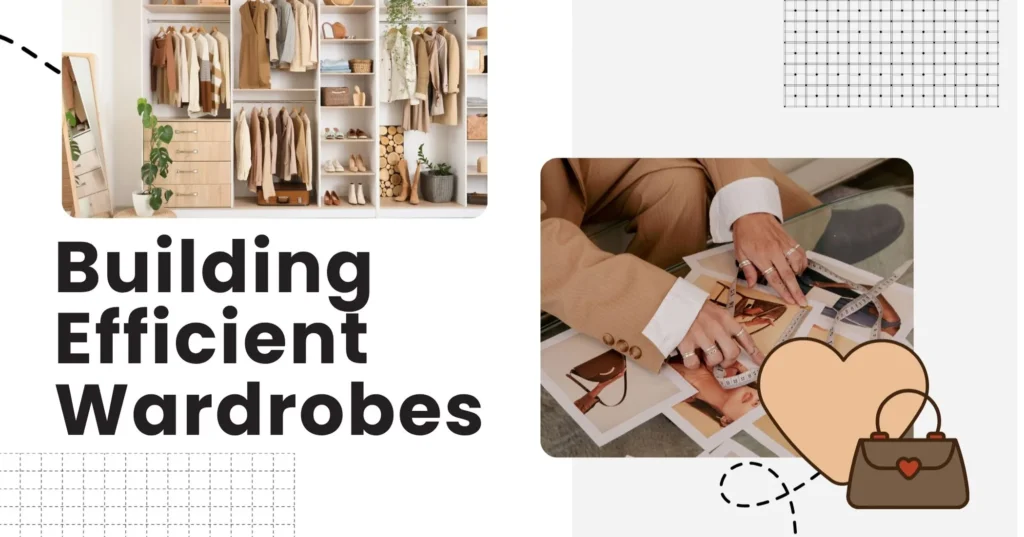
You do not need a strict capsule wardrobe with a fixed number of garments. Instead, focus on creating a wardrobe where most pieces work with several others.
A 2025 study of 288 Indian apparel consumers examined factors influencing sustainable clothing purchase behavior, highlighting the growing research interest in sustainability-conscious apparel decisions in the Indian market.
Pick a Core Color Palette
Choose two or three colors that mix easily with neutrals. This makes it simpler to create outfits without needing a large wardrobe.
Invest in Versatile Wardrobe Essentials
Look for pieces that can move between different occasions:
- A comfortable everyday T-shirt
- A well-fitting shirt
- Straight-leg jeans
- Tailored or relaxed trousers
- A simple dress
- A lightweight layer
- Comfortable everyday shoes
Use the Three-Way Test Before Buying
Before purchasing something, ask yourself: Can I style this with at least three things I already own?
If the answer is no, pause. You may be buying an isolated piece rather than adding something useful to your wardrobe.
A smaller wardrobe can deliver more outfit combinations when every piece has a clear role.
How Sustainable Brands Are Making Everyday Dressing Easier
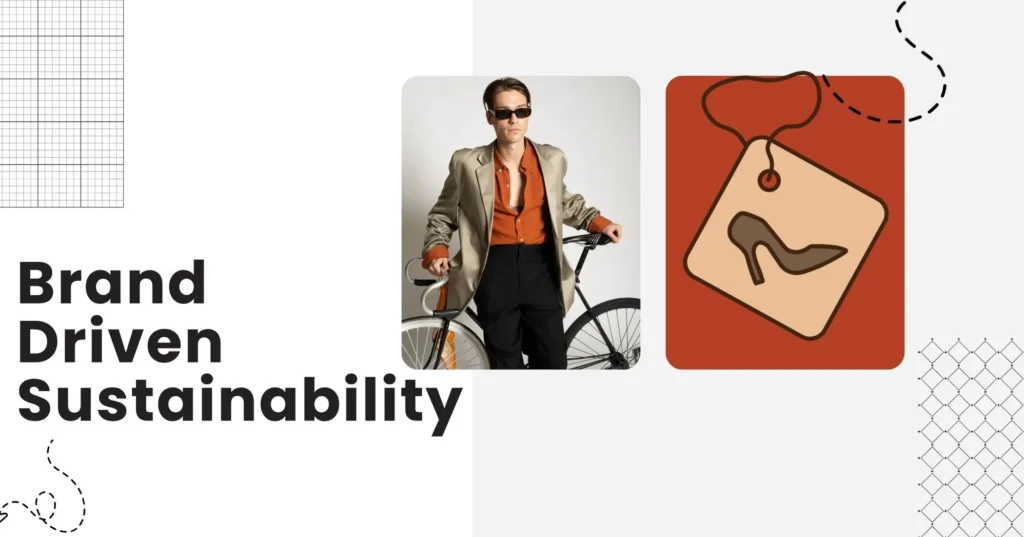
Brand examples are useful when they show what sustainability looks like beyond a marketing claim. Look for evidence around materials, production, longevity, repair, transparency or circularity.
Something Sustainable: Designing for Everyday Wear
Mumbai-based Something Sustainable (SOS) focuses on organic cotton, natural fibers and plant-based dyes. The brand also says it uses reclaimed materials and designs with longevity in mind, while working with Indian artisans and responsible manufacturing partners.
That approach fits everyday sustainable dressing well. Instead of treating sustainable clothing as occasional statement clothing, pieces can become practical wardrobe staples that are worn, layered and restyled regularly.
B Label: Bringing Hemp Into Everyday Clothing
Indian brand B Label focuses on hemp-based fashion and describes its goal as creating timeless clothing through an “all-natural” approach. Its current range includes shirts, dresses, trousers and other everyday pieces.
This is a useful reminder that sustainable clothing can still be styled around familiar wardrobe formulas. A hemp shirt, for example, can work with jeans, trousers or shorts instead of being treated as a special-occasion purchase.
Design for Longevity, Not Just First Impressions
The Ellen MacArthur Foundation notes that circular fashion depends on physical durability, emotional durability and products that can eventually be remade or recycled.
That makes longevity an important question when evaluating a new garment: Will I still want to wear this next year?
The best sustainable brands do not only sell a product. They can also influence customers to think differently about how long clothing should remain useful.
Make Every Outfit Last Longer
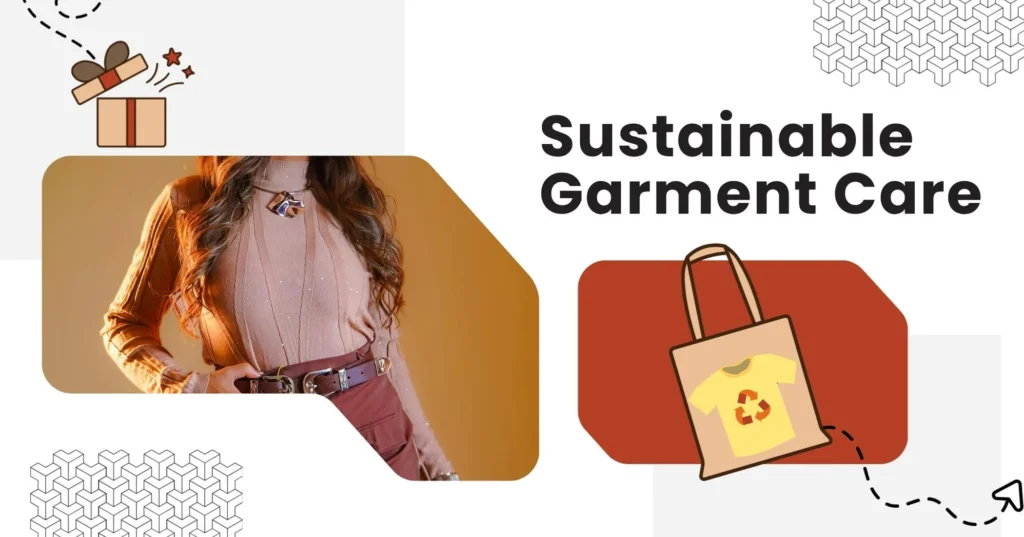
Creating sustainable everyday outfits is only half the job. Taking care of them determines how long those outfits remain part of your wardrobe.
MDPI research shows why everyday styling habits matter. A quantitative study covering wardrobe practices in China, Germany, Japan, the UK and the USA found that how garments are used has a strong influence on the number of times they are worn. This makes simple habits such as rewearing, restyling and choosing versatile pieces more relevant to sustainable fashion than simply buying clothes labelled “eco-friendly.”
Wash Less and Wash Cooler
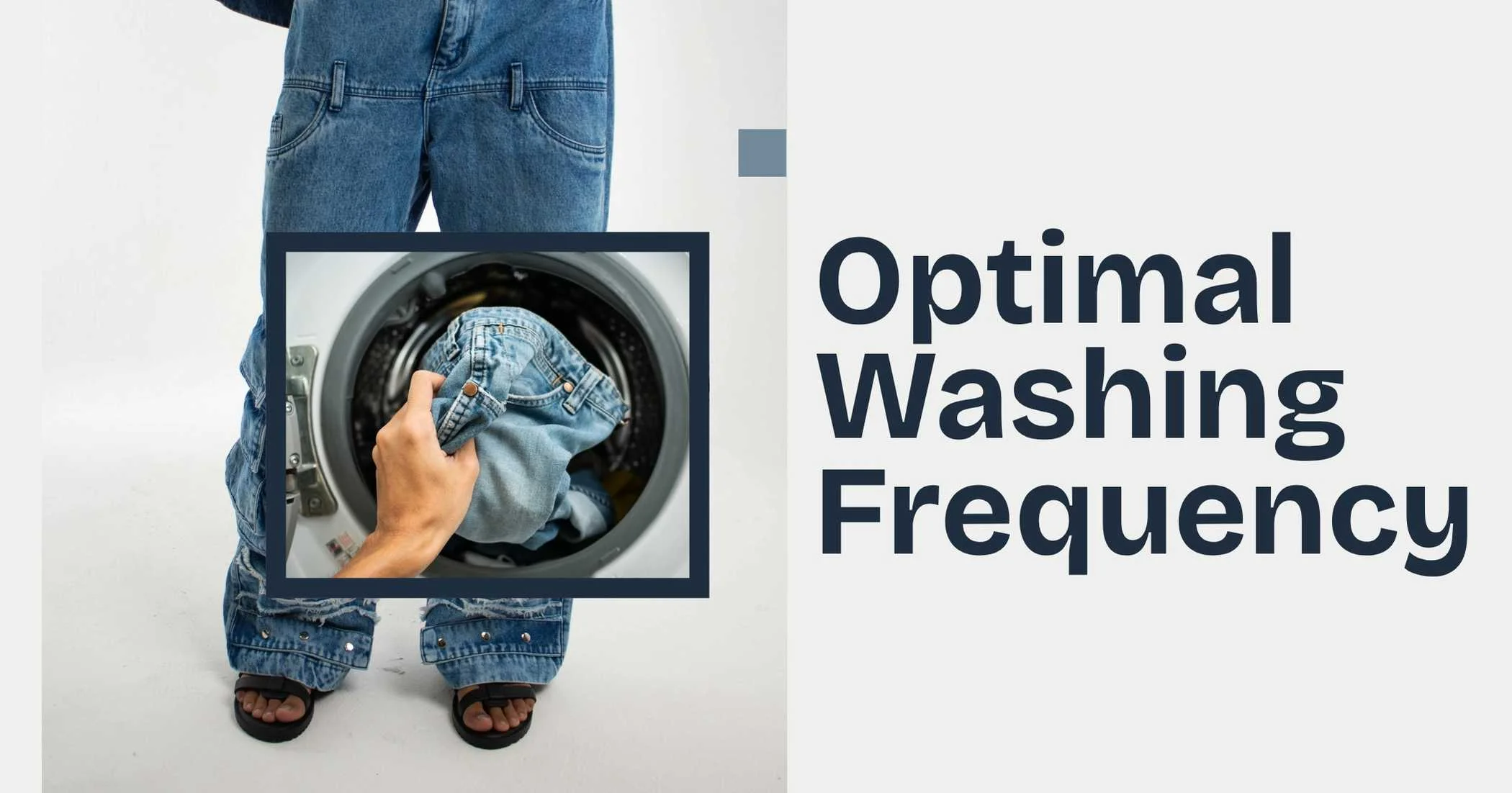
Do not automatically wash every garment after one light wear. Airing a garment or spot-cleaning a small mark can sometimes be enough.
Follow the care label, use the appropriate wash cycle and avoid unnecessary high heat.
Repair Small Problems Early
A loose button, tiny tear or damaged hem is easier to fix before it becomes a major repair. Keeping a small sewing kit at home can make simple repairs less intimidating.
Store Clothes Properly
Fold knitwear rather than hanging it if stretching is a concern. Keep clothes dry before storing them and use suitable hangers for structured pieces.
Think About the Next Owner
If something no longer suits you, it does not automatically belong in the bin. Swapping, reselling, donating or repurposing it can keep the garment in use.
The World Economic Forum‘s 2025 social-economy research also identifies repair, reuse and secondhand models as important parts of the circular economy.
The most sustainable outfit is often the one that stays in your wardrobe for years.
A Simple Sustainable Outfit Formula for Every Day
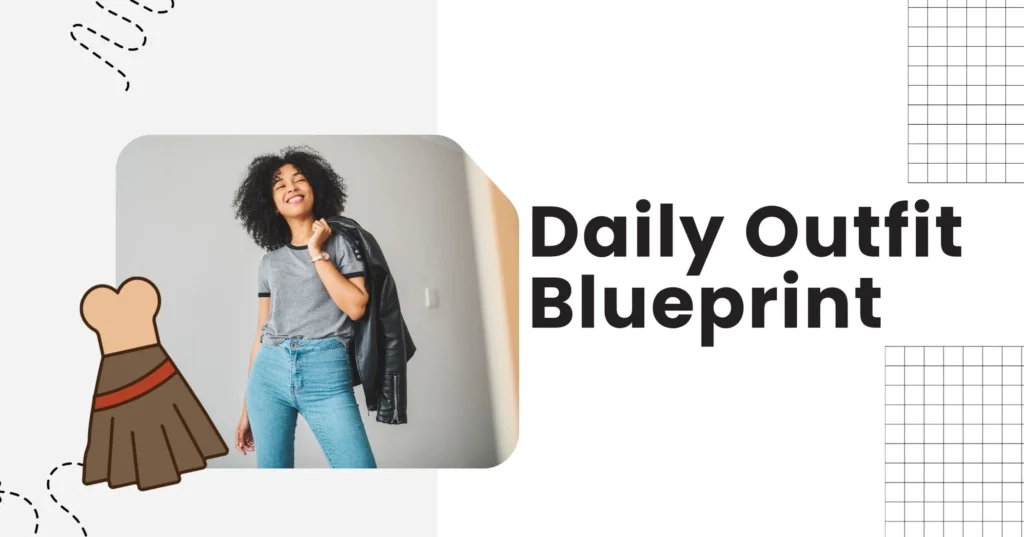
If deciding what to wear still feels difficult, use one simple formula:
Base + Layer + Shoes + Personal Detail
For Work
Try tailored trousers, a basic T-shirt, an overshirt or blazer and comfortable flats or loafers. Keep the colors coordinated so every piece works with another outfit.
For Casual Days
Pair jeans with a T-shirt and lightweight shirt. Sneakers keep the look practical, while a tote or simple jewellery adds personality.
For Going Out
Start with a simple dress or coordinated separates. Add one statement accessory and a versatile jacket rather than buying a completely new outfit.
This formula gives you structure without making your wardrobe feel repetitive.
Why Outfit Repeating Is a Sustainable Fashion Habit
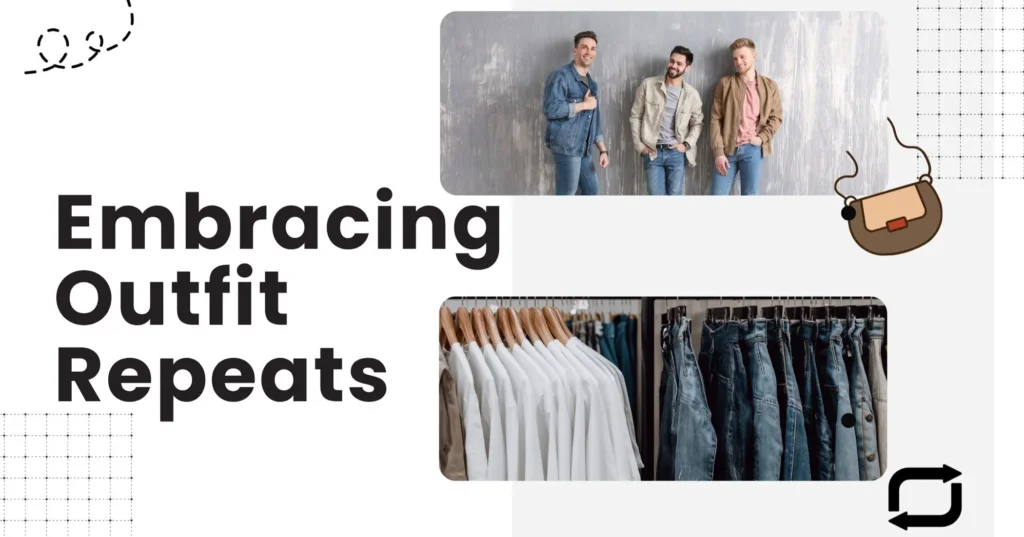
Repeating an outfit is not a style failure. It is one of the simplest ways to increase the value of the clothes you already own.
UNEP reports that clothing production doubled between 2000 and 2015 while garment use declined by 36%. That gap shows why wearing clothes more often matters.
Rewear More, Buy Less
Instead of asking, “What should I buy for this occasion?”, ask, “How can I style something I already own?”
Style the Same Piece Differently
Wear a shirt as a standalone top one day and an open layer the next. Use the same dress with sneakers for daytime and a jacket for evening.
Make Your Own Style Formula
UNEP Goodwill Ambassador and model Amber Valletta commented on minimizing fashion waste and has described fashion as having both an opportunity and responsibility to become an agent of change.
Your own version of sustainable fashion can be much simpler: find the silhouettes, colors and combinations you genuinely enjoy, then repeat them confidently.
Final Takeaway: Style More, Shop Less
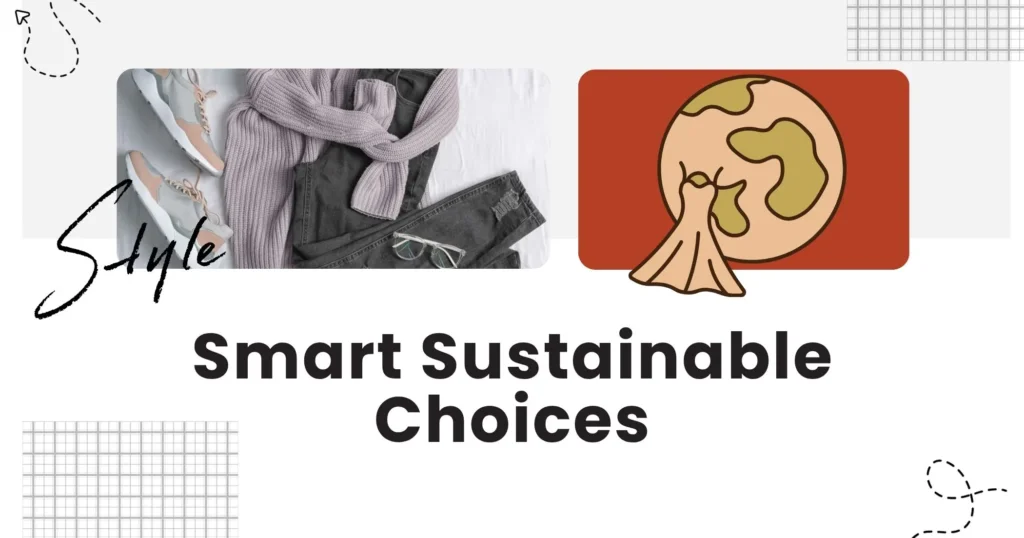
Sustainable fashion does not require a perfectly minimal wardrobe. It starts with making thoughtful use of what you already have.
- Build outfits around versatile pieces.
- Repeat your favorite combinations.
- Change layers and accessories instead of replacing everything.
- Consider secondhand clothing when you need something new.
- Choose durable pieces that can handle regular wear.
- Repair and care for clothing before replacing it.
The goal is not to stop enjoying fashion. It is to make your wardrobe more useful, more personal and less dependent on constant shopping.
So, look inside your wardrobe today: which of these sustainable outfit ideas can you recreate without buying anything new?
FAQs
What is a sustainable everyday outfit?
A sustainable everyday outfit uses clothes that are durable, versatile and worn repeatedly. It can include existing wardrobe pieces, secondhand clothing or responsibly produced garments.
How can I make my outfits more sustainable?
Start by wearing what you already own more often. Build outfits around versatile pieces, repair damaged clothing and avoid buying items that do not work with your existing wardrobe.
What are the best sustainable wardrobe essentials?
Useful essentials include a good-quality T-shirt, versatile shirt, jeans, trousers, simple dress, lightweight layer and comfortable everyday shoes. Choose pieces that work across several outfits.
Is repeating outfits sustainable?
Yes. Repeating outfits helps you get more use from existing clothing and can reduce the need to buy new garments simply for variety.
Are secondhand clothes a sustainable choice?
Secondhand clothing can be a useful way to extend the life of garments and avoid purchasing something new. The most sustainable choice still depends on whether you actually need and will use the item.
Tags:

Team NineE AI
Team NineE AI is the collective voice behind NineE AI's editorial desk, bringing together writers, r...
Read More
Get Latest Fashion Insights, Before Everyone Else.