Updated on Jul 18, 2026
How to Find Your Personal Fashion Aesthetic (Step-by-Step Guide)
Fashion GuidesTeam NineE AI30 Mins reading time
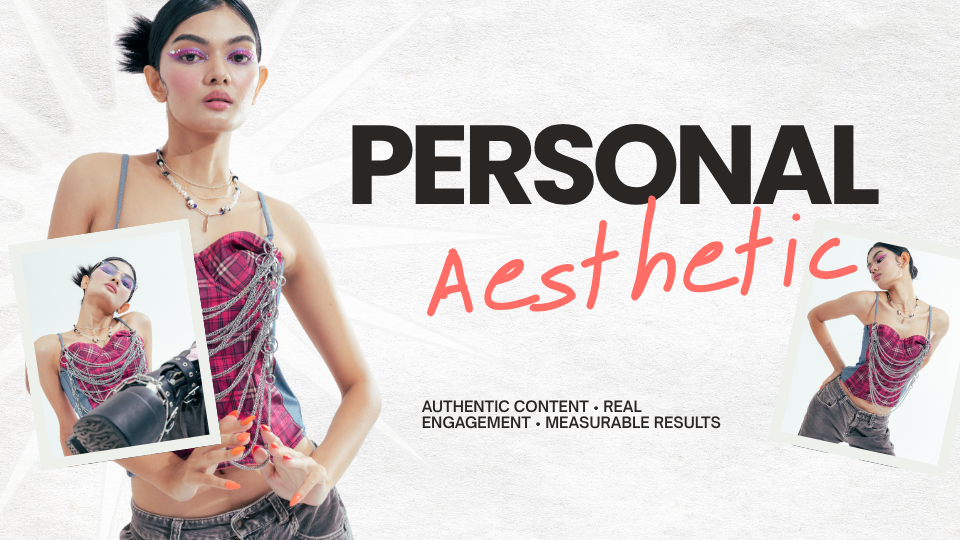
Finding your personal fashion aesthetic isn’t about choosing between labels like Old Money, Minimalist, Streetwear, or Quiet Luxury. It’s about understanding the styles, colors, silhouettes, and clothing choices that genuinely feel right for you.
Many people assume they need to discover the “perfect” aesthetic before they can dress well. In reality, the opposite is often true. Your personal style usually develops by paying attention to what you naturally enjoy wearing, what suits your lifestyle, and what makes you feel comfortable and confident.
Quick Answer
Your personal fashion aesthetic is the combination of clothing, colors, silhouettes, and styling choices that consistently feel authentic to you. The best way to find it is by understanding your lifestyle, identifying the outfits you already love, recognizing recurring patterns in your wardrobe, exploring different fashion aesthetics for inspiration, and experimenting gradually. Rather than copying trends or trying to fit into a single style label, focus on building a wardrobe that reflects your personality and supports the way you live.
So without that clarity, it’s easy to fall into a familiar cycle. You save outfit inspiration from social media, buy clothes that looked great on someone else, and still feel like your wardrobe doesn’t quite fit you. The problem often isn’t a lack of clothing—it’s a lack of direction.
Finding your fashion aesthetic gives you that direction. It makes shopping more intentional, helps you build outfits more easily, and creates a wardrobe that feels consistent instead of random.
In this guide, you’ll learn a practical step-by-step process for discovering your personal fashion aesthetic, understanding what influences your style, and building a wardrobe that reflects who you are rather than simply following trends.
Why Finding Your Fashion Aesthetic Matters
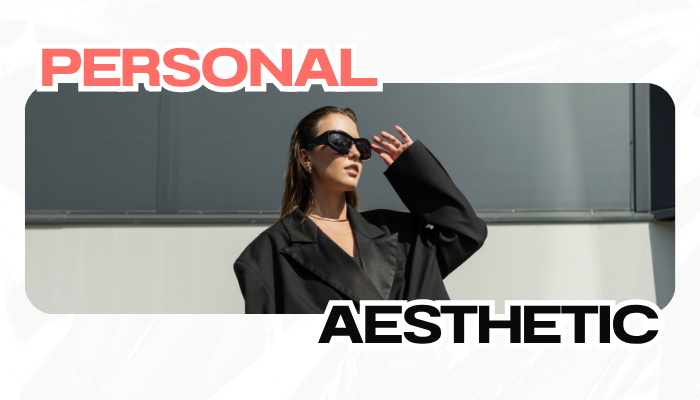
Many people start their style journey by asking, “Which fashion aesthetic am I?” It’s a reasonable question, but it’s often not the most helpful place to begin.
Your fashion aesthetic isn’t simply a label you choose. It’s the result of understanding what you enjoy wearing, what suits your lifestyle, and what helps you feel confident. Labels like Old Money, Quiet Luxury, Minimalist, or Streetwear can provide inspiration, but they don’t automatically create a wardrobe that works for you.
That’s why discovering your personal fashion aesthetic matters. It gives you a clear framework for making everyday style decisions instead of relying on trends or impulse purchases.
Over time, that clarity influences far more than the clothes you wear.
Shopping Becomes More Intentional
Without a clear sense of your style, it’s easy to buy clothing because it’s popular, discounted, or looks good on someone else. Many of those purchases end up sitting unworn because they don’t fit the rest of your wardrobe.
When you understand your aesthetic, shopping becomes a process of adding pieces that strengthen your wardrobe rather than expanding it at random.
Instead of asking:
“Do I like this?”
You naturally begin asking:
“Does this fit my style and work with the clothes I already own?”
That small shift often leads to better purchasing decisions and fewer regrets.
Getting Dressed Becomes Easier
A clear fashion aesthetic creates consistency.
Your clothes begin to share similar colors, silhouettes, fabrics, and overall mood, making it much easier to put together outfits that feel cohesive.
Rather than standing in front of a full wardrobe wondering what works together, you’ll find that many pieces naturally complement one another because they were chosen with the same style in mind.
Your Wardrobe Starts Feeling More Like You
One of the biggest signs that someone hasn’t found their personal style is a wardrobe that feels like it belongs to several different people.
Perhaps there are minimalist basics alongside bold streetwear, romantic dresses next to structured tailoring, and trend-led pieces that never quite fit into everyday outfits. Individually, there’s nothing wrong with those clothes. Together, they can make your wardrobe feel disconnected.
Finding your fashion aesthetic doesn’t mean wearing the same outfit every day or limiting your creativity. It means creating enough consistency that your wardrobe reflects your personality instead of a collection of passing trends.
Confidence Often Follows Clarity
Many people think confidence comes first.
In reality, confidence often grows when your clothing choices become more intentional.
When you know what suits you, shopping feels less overwhelming, outfit decisions become quicker, and you’re less likely to second-guess what you’re wearing. That confidence doesn’t come from following a particular aesthetic—it comes from understanding your own.
Ultimately, finding your personal fashion aesthetic isn’t about fitting neatly into a category.
It’s about building a wardrobe that feels authentic, supports your lifestyle, and makes getting dressed feel simpler every day.
Step 1: Start With Your Lifestyle, Not Pinterest
One of the biggest mistakes people make when trying to find their fashion aesthetic is looking for inspiration before understanding their own lifestyle.
It’s easy to spend hours scrolling through Pinterest, Instagram, or TikTok and save outfits that look beautiful. But an outfit that works for someone else’s life won’t necessarily work for yours.
A fashion aesthetic should support the way you actually live—not the life you imagine or the lifestyle someone else shares online.
That’s why your daily routine is often the best place to start.
Ask Yourself: Where Do You Spend Most of Your Time?
Before thinking about colors, trends, or aesthetics, think about your everyday life.
Ask yourself questions like:
- Do I work in an office, study at college, or work from home?
- How do I usually spend my weekends?
- Do I attend formal events often?
- How important is comfort in my daily outfits?
- What kind of clothes do I naturally reach for most days?
Your answers reveal the clothes your wardrobe should be built around.
Someone who works remotely may naturally prefer relaxed silhouettes, comfortable fabrics, and versatile basics. Someone in a corporate environment might rely more on tailoring, polished footwear, and structured layers. A student may prioritize casual, practical outfits, while someone who travels frequently may value versatility above everything else.
None of these wardrobes is more stylish than another. They’re simply designed for different lifestyles.
Build for Your Real Life, Not Your Ideal One
Many people unknowingly shop for the person they wish they were.
You buy elegant blazers because you imagine dressing more formally. You save outfits for weekend brunches even though most weekends are spent running errands. And you purchase trend-led pieces that suit an influencer’s lifestyle but rarely fit into your own.
Over time, your wardrobe fills with clothes that look exciting but don’t get worn.
If you’ve ever looked at your closet and thought, “I have plenty of clothes, but I always wear the same few outfits,” this is often the reason.
The clothes you wear repeatedly aren’t a sign that your wardrobe is boring—they’re clues. They’ve already proven that they fit your routine, your comfort, and your lifestyle.
Lifestyle Should Guide Your Aesthetic
Once you understand how you actually dress, exploring different fashion aesthetics becomes much easier.
Instead of asking: “Which aesthetic looks the best?”
Ask a better question: “Which aesthetic feels most natural for the way I live?”
For example, someone with a relaxed, casual lifestyle may naturally gravitate towards Minimalist, Scandinavian, or Clean Girl styles. Someone who enjoys tailoring and classic dressing may feel more at home with Old Money or Quiet Luxury. Others may discover that their style combines elements from several aesthetics rather than fitting neatly into just one.
Your goal isn’t to force yourself into a category.
It’s to discover a style that makes getting dressed easier because it already fits the life you live every day.
Key takeaway: Your personal fashion aesthetic should be shaped by your everyday life before it’s influenced by trends, social media, or fashion labels. The strongest personal style is one that feels natural to wear, not one that requires you to become someone else.
Step 2: Identify the Outfits You Already Love
Many people think finding their fashion aesthetic starts with buying new clothes.
In reality, it often starts with paying closer attention to the clothes you already own.
Most wardrobes contain a handful of outfits that get worn again and again. They might not be the newest or the most expensive pieces, but they’re the ones you instinctively reach for when you want to feel comfortable, confident, or put together.
Those outfits are more than just favorites—they’re clues to your personal style.
Pay Attention to What You Wear Most Often
Instead of looking at everything in your wardrobe, focus on the clothes you wear regularly.
Ask yourself:
- Which outfits make me feel the most confident?
- What do I wear when I don’t have time to think?
- Which pieces do I pack first when I travel?
- What do I choose for important meetings, dinners, or social occasions?
- Which clothes do I miss when they’re in the laundry?
The answers often reveal patterns you may not have noticed before.
Perhaps you always reach for relaxed denim and oversized shirts. Maybe tailored trousers and loafers make you feel your best. Or you might discover that simple dresses, neutral knitwear, or monochrome outfits dominate your wardrobe.
These recurring choices are often a more accurate reflection of your personal style than the clothes you rarely wear.
Notice How You Want to Feel
Personal style isn’t only about what you wear—it’s also about how your clothes make you feel.
Different people look for different things from their wardrobe.
Some want to feel polished and professional.
Others want to feel relaxed and effortless.
Some enjoy making a bold statement, while others prefer understated elegance.
Instead of focusing only on what your outfits look like, ask yourself:
- When do I feel most like myself?
- Which outfits make me feel comfortable without sacrificing confidence?
- What words would I like people to associate with my style?
Those answers help define your aesthetic just as much as the clothes themselves.
Your Favorite Outfits Already Share Something in Common
Once you’ve identified your favorite outfits, compare them side by side.
You may notice that they share similar characteristics, such as:
- A preference for neutral or earthy colors.
- Relaxed or structured silhouettes.
- Certain fabrics like denim, linen, cotton, or knitwear.
- Minimal or statement accessories.
- Similar footwear, such as sneakers, loafers, boots, or heels.
At this stage, don’t worry about giving your style a name.
Your goal is simply to notice the patterns that appear naturally.
Those patterns will become much clearer in the next step, where you’ll begin identifying the visual elements that define your personal fashion aesthetic.
Key takeaway: Your personal style usually isn’t hiding in someone else’s wardrobe. It’s already visible in the outfits you wear most often. Paying attention to those patterns is one of the simplest and most reliable ways to discover your fashion aesthetic.
Step 3: Look for Patterns Instead of Labels
At this point, you don’t need to decide whether your style is Old Money, Minimalist, Streetwear, or any other fashion aesthetic.
Instead, start by looking for patterns.
Many people try to identify their aesthetic by picking a label first and then buying clothes to match it. A more reliable approach is to notice what your wardrobe is already telling you.
When you look at the outfits you wear most often, certain themes usually begin to appear. Those recurring choices form the foundation of your personal style.
Review Your Wardrobe Like a Stylist
Choose five to ten of your favorite outfits and compare them.
Rather than focusing on individual pieces, pay attention to what they have in common.
| Look For | Questions to Ask Yourself |
| Colors | Do I naturally wear mostly neutrals, earthy tones, pastels, or bold colors? |
| Silhouettes | Do I prefer relaxed fits, oversized clothing, tailored pieces, or fitted styles? |
| Fabrics | Am I drawn to denim, linen, leather, knitwear, cotton, or satin? |
| Footwear | Do I usually wear sneakers, loafers, boots, heels, or sandals? |
| Accessories | Do I keep accessories minimal, or do I enjoy statement pieces? |
| Overall Mood | Do my outfits feel classic, modern, casual, elegant, edgy, romantic, or sporty? |
Don’t worry if every outfit isn’t identical.
You’re looking for recurring patterns, not perfect consistency.
Your Style Is Usually a Combination, Not a Category
One reason people struggle to find their fashion aesthetic is that they expect to fit neatly into a single style.
In reality, very few people do.
You might prefer the neutral color palette of Minimalist fashion, the tailoring associated with Old Money, and the comfort of Scandinavian style. Someone else may combine elements of Streetwear with classic wardrobe staples.
That doesn’t mean you’re confused.
It means your personal style is evolving naturally.
Fashion aesthetics are useful because they give us a shared language to describe different styles. But they’re best used as sources of inspiration, not as rules you have to follow.
Notice What You Rarely Wear
Your wardrobe can also teach you by showing you what doesn’t suit you.
Look for clothes that stay in the back of your wardrobe and ask yourself why.
Is the color difficult to style?
Does the silhouette feel uncomfortable?
Does it reflect a version of yourself rather than the person you are today?
Or does it simply not work with the rest of your wardrobe?
Sometimes the pieces you never reach for reveal just as much about your personal style as the ones you wear every week.
Patterns Create Clarity
By the end of this exercise, you don’t need to have a name for your aesthetic.
Instead, you should have a clearer understanding of the visual themes that appear throughout your wardrobe.
Those patterns will make it much easier to explore different fashion aesthetics in the next step and recognize which ones genuinely align with your style.
Key takeaway: Don’t start by choosing a fashion aesthetic. Start by identifying the patterns that already exist in your wardrobe. Labels can come later—the patterns are what make your personal style authentic.
Step 4: Explore Fashion Aesthetics for Inspiration, Not Rules
Once you understand the patterns in your wardrobe, it’s much easier to explore different fashion aesthetics.
This is where many people accidentally work backwards.
They discover an aesthetic on Pinterest or TikTok, decide that’s who they want to be, and then try to rebuild their entire wardrobe around it.
A more sustainable approach is to use fashion aesthetics as inspiration rather than identity.
Think of them as style references that help you put a name to the preferences you’ve already discovered.
What Is a Fashion Aesthetic?
A fashion aesthetic is a recognizable style built around certain colors, silhouettes, fabrics, and styling choices.
For example:
- Old Money often emphasizes timeless tailoring, classic colors, and understated elegance.
- Quiet Luxury focuses on refined, high-quality basics with subtle styling.
- Minimalist Fashion favors clean lines, simple silhouettes, and intentional dressing.
- Streetwear combines relaxed fits with casual, contemporary influences.
- Boho embraces natural fabrics, flowing silhouettes, and a more free-spirited look.
Each aesthetic has its own visual identity, but none of them are rules that you have to follow.
You Don’t Have to Choose Just One
One of the biggest misconceptions about personal style is that everyone belongs to a single fashion aesthetic.
In reality, most wardrobes blend influences from several styles.
You might love the neutral color palette of Quiet Luxury but prefer the relaxed silhouettes found in Scandinavian fashion.
Or you may enjoy the structure of Old Money dressing while adding casual sneakers and denim to make it feel more personal.
The goal isn’t to fit neatly into one category.
The goal is to borrow the elements that genuinely suit your personality and lifestyle.
Ask Better Questions When Exploring Aesthetics
Instead of asking:
“Which fashion aesthetic am I?”
Try asking:
- Which outfits would I genuinely enjoy wearing every week?
- Which aesthetic reflects my lifestyle, not just my taste?
- What elements keep appearing in the outfits I save?
- What can I borrow from this style without changing who I am?
These questions encourage exploration instead of imitation.
Let Inspiration Confirm What You Already Know
At this stage, fashion aesthetics should help you describe your style—not define it.
As you explore different aesthetics, you’ll probably notice yourself saying things like:
“I like the colors from this style.”
“I love the tailoring, but I’d wear it with sneakers.”
“The overall mood feels right, but I’d choose simpler accessories.”
Those small observations are far more valuable than trying to copy an entire wardrobe.
Over time, you’ll naturally build a style that’s influenced by different aesthetics while still feeling completely your own.
Key takeaway: Fashion aesthetics are tools for understanding your style, not boxes you have to fit into. The strongest personal style is usually inspired by several aesthetics rather than copied from just one.
Step 5: Create a Personal Style Mood Board
By now, you should have a better understanding of the clothes you enjoy wearing and the patterns that appear throughout your wardrobe.
The next step is to collect inspiration in one place.
A personal style mood board helps you see your preferences more clearly. Instead of relying on memory or saving random outfits across different apps, you create a visual collection that highlights the styles you’re consistently drawn to.
The goal isn’t to recreate someone else’s wardrobe.
It’s to identify the ideas that keep appearing across different outfits.
Save Outfits Without Overthinking Them
Start collecting outfits from places like Pinterest, Instagram, fashion blogs, or your favorite brands.
Don’t stop to analyze each image.
If an outfit immediately catches your attention, save it.
Try to collect around 30 to 50 outfits over a few days rather than making decisions after seeing just a handful.
This gives you enough variety to notice genuine patterns instead of reacting to a temporary trend.
Look for Repeating Themes
Once you’ve built your mood board, step back and review everything together.
Instead of focusing on individual outfits, ask yourself what keeps appearing.
You might notice recurring patterns such as:
- Neutral or earthy color palettes.
- Relaxed tailoring instead of fitted clothing.
- Straight-leg jeans appearing in multiple outfits.
- Minimal accessories.
- White sneakers or loafers.
- Linen, denim, or knitwear.
- Layered outfits with simple basics.
These recurring elements are often more meaningful than the overall aesthetic label attached to the outfit.
Focus on Individual Elements
It’s easy to fall in love with a complete outfit.
But personal style is usually built by combining individual elements from many different sources.
Perhaps you like:
- The color palette from one outfit.
- The oversized blazer from another.
- The relaxed trousers from a third.
- The accessories from someone else’s style.
When you break inspiration into smaller pieces, you begin creating a wardrobe that feels personal instead of copied.
Remove the Outfits That Don’t Feel Like You
After a few days, review your saved outfits again.
Some will still feel inspiring.
Others may have simply caught your attention because they were trendy or visually striking.
Delete the ones you can’t realistically imagine yourself wearing.
This simple exercise often reveals the difference between clothes you admire and clothes you’d actually enjoy living in.
That’s an important distinction.
You don’t need to dress like everyone whose style you appreciate.
You only need to understand what genuinely belongs in your own wardrobe.
Key takeaway: A personal style mood board isn’t about copying outfits. It’s about identifying the colors, silhouettes, fabrics, and styling details that consistently appeal to you, so you can build a wardrobe that reflects your own style with greater confidence.
Step 6: Experiment Before You Reinvent Your Wardrobe
One of the biggest mistakes people make after discovering a fashion aesthetic is feeling the need to replace their entire wardrobe.
Inspiration can make it tempting to start over. You identify with a particular style, clear out your closet, and begin shopping for a completely new look.
In most cases, that isn’t necessary.
A personal style develops gradually. The goal isn’t to build a new wardrobe overnight—it’s to understand what works for you and make better decisions over time.
Start With the Clothes You Already Own
Before buying anything new, see how much you can achieve with the clothes already in your wardrobe.
Try creating outfits you wouldn’t normally wear.
You might:
- Layer pieces differently.
- Pair casual items with more tailored clothing.
- Experiment with different shoes.
- Add or remove accessories.
- Tuck, roll, or style garments in new ways.
Small styling changes often have a bigger impact than buying another piece of clothing.
You may discover that many of the elements of your preferred aesthetic are already sitting in your wardrobe.
Introduce New Pieces Gradually
Once you know what’s missing, resist the urge to buy everything at once.
Instead, add one thoughtful piece at a time.
For example, if you’re drawn to a more classic style, a well-fitted blazer or a pair of loafers may help tie together outfits you already own.
If you’re leaning towards a relaxed Scandinavian aesthetic, a simple oversized shirt or a pair of wide-leg trousers might have a greater impact than replacing your entire wardrobe.
Each new purchase should strengthen your existing wardrobe, not compete with it.
Test Your Style Before Making Bigger Decisions
Not every trend or aesthetic will feel the same once you wear it.
An outfit that looks effortless on social media may not suit your lifestyle, your comfort preferences, or the way you naturally like to dress.
That’s why it’s worth experimenting before making significant purchases.
You can:
- Try on different styles in stores without feeling pressured to buy.
- Borrow pieces from friends or family.
- Shop second-hand if you want to explore a new look.
- Recreate outfits using similar items you already own.
These low-risk experiments help you discover what genuinely feels right before investing in new clothing.
Let Your Wardrobe Evolve Naturally
Your personal style isn’t something you finish.
It’s something you continue refining.
As your lifestyle changes, your wardrobe will change too. You may discover new colors you enjoy wearing, different silhouettes that suit you better, or aesthetics that influence your style over time.
That’s completely normal.
The goal isn’t to arrive at a “perfect” wardrobe.
It’s to make each new purchase with a little more clarity than the last.
Key takeaway: Finding your fashion aesthetic doesn’t require replacing everything you own. Start by styling your existing wardrobe differently, experiment with new ideas gradually, and let your personal style evolve through thoughtful choices rather than impulsive shopping.
Step 7: Build a Signature Style
After experimenting with different outfits and taking inspiration from various fashion aesthetics, you’ll probably notice something interesting.
Certain pieces, colors, and styling choices keep appearing.
Those recurring elements become the foundation of your signature style.
A signature style isn’t about wearing the same outfit every day. It’s about creating enough consistency that your wardrobe feels unmistakably yours.
Choose the Elements You Want to Repeat
Think back to the outfits that made you feel the most comfortable and confident.
Ask yourself:
- Which colors appear most often?
- Which silhouettes do I naturally prefer?
- Which shoes do I reach for every week?
- What accessories do I wear without thinking?
- Which pieces instantly make an outfit feel like “me”?
These aren’t restrictions.
They’re the building blocks of your personal style.
For one person, that might mean straight-leg jeans, oversized shirts, white sneakers, and simple gold jewellery.
For someone else, it could be tailored trousers, loafers, structured blazers, and a neutral colour palette.
Neither approach is better.
The goal is simply to identify the elements that consistently feel authentic to you.
Consistency Creates Recognition
One reason people with great personal style seem so memorable isn’t because they constantly wear new clothes.
It’s because they dress consistently.
Over time, friends, colleagues, and even strangers begin to associate certain details with their style.
Perhaps it’s always a crisp white shirt.
A collection of vintage denim.
Monochrome outfits.
Relaxed tailoring.
Statement boots.
Or minimalist accessories.
These repeating elements create a sense of identity without making your wardrobe feel repetitive.
Let Your Wardrobe Grow Around Your Style
Once you’ve identified your signature elements, future shopping decisions become much simpler.
Instead of asking:
“Is this fashionable?”
You’ll naturally begin asking:
“Does this strengthen my personal style?”
That small change in thinking helps you build a wardrobe that’s more cohesive over time.
You’ll buy fewer impulse purchases because every new piece has a clear role to play.
Your Style Will Continue to Evolve
A signature style isn’t something you create once and never change.
As your lifestyle, career, and personal preferences evolve, your wardrobe will evolve too.
You may introduce new colours, different silhouettes, or influences from other fashion aesthetics.
The important thing is that those changes feel intentional rather than random.
Your wardrobe should grow alongside you, not lock you into a version of yourself that no longer fits.
Key takeaway: A signature style isn’t about limiting your choices—it’s about recognizing the clothing, colours, and styling details that consistently feel like you. Those recurring elements become the foundation for a wardrobe that’s easier to build, easier to shop for, and more authentic to wear.
Signs You’ve Found Your Personal Fashion Aesthetic

Finding your personal fashion aesthetic rarely happens in a single moment.
Most people don’t suddenly wake up knowing exactly how they want to dress. Instead, it becomes clearer over time as they make better shopping decisions, wear their favorite outfits more often, and stop chasing every new trend.
If you’re wondering whether you’ve found your style, these signs are often a good indication that you’re moving in the right direction.
Getting Dressed Feels Easier
One of the first things you’ll notice is that choosing an outfit takes less effort.
That’s not because you own fewer clothes or follow stricter rules.
It’s because your wardrobe has become more cohesive. Your colors, silhouettes, and styling choices naturally work together, making it easier to create outfits without second-guessing yourself.
You Shop With More Confidence
Before finding your personal style, it’s easy to buy clothes simply because they’re popular or look good on someone else.
Once your aesthetic becomes clearer, your shopping habits usually change.
You become more selective.
Instead of asking whether something is fashionable, you begin asking whether it genuinely belongs in your wardrobe.
That often leads to fewer impulse purchases and more thoughtful additions that you’ll continue wearing for years.
Your Wardrobe Feels More Cohesive
A clear personal style doesn’t mean every item looks the same.
It means your wardrobe feels connected.
Most of your clothes can be mixed and matched, your favorite pieces naturally work together, and new purchases fit into your existing wardrobe instead of creating entirely new outfit combinations.
Over time, your wardrobe starts feeling like a collection with a clear point of view rather than a series of unrelated purchases.
You Feel Comfortable Being Yourself
One of the biggest benefits of finding your fashion aesthetic has nothing to do with trends.
It’s the confidence that comes from wearing clothes that genuinely feel like you.
You stop wondering whether you’re dressed like everyone else.
You stop comparing every outfit to what you see online.
Instead, you wear clothes because they suit your personality, your lifestyle, and the way you want to present yourself.
That confidence is usually much more noticeable than any particular fashion trend.
Your Style Is Recognizable
People with a strong personal style aren’t memorable because they wear the most fashionable clothes.
They’re memorable because their style is consistent.
Friends may start describing your wardrobe with words like “classic,” “relaxed,” “minimal,” or “creative.”
You may notice that certain colors, silhouettes, or styling details appear in almost every outfit.
Those recurring elements are a sign that you’ve developed a style that’s uniquely your own.
You Still Enjoy Exploring Fashion
Finding your personal fashion aesthetic doesn’t mean your style stops evolving.
You’ll still discover new trends, experiment with different silhouettes, and take inspiration from other aesthetics.
The difference is that you no longer feel the need to follow every trend.
Instead, you naturally filter new ideas through your own style and keep only the ones that genuinely fit.
That’s often the clearest sign that you’ve found your aesthetic.
Fashion becomes a source of inspiration rather than uncertainty.
Key takeaway: You’ve probably found your personal fashion aesthetic when getting dressed feels easier, shopping becomes more intentional, and your wardrobe consistently reflects who you are instead of who you think you should be.
Common Mistakes When Trying to Find Your Personal Fashion Aesthetic
Discovering your personal style is a process, and like any process, it’s easy to take a few wrong turns along the way.
Most people don’t struggle because they have poor fashion sense. They struggle because they’re trying to find their style using approaches that make the process harder instead of clearer.
Here are some of the most common mistakes—and how to avoid them.
1. Copying Someone Else’s Style Exactly
It’s natural to admire someone else’s wardrobe.
Whether it’s an influencer, a celebrity, or someone you know, seeing a style you love can be inspiring.
The problem begins when inspiration turns into imitation.
Someone else’s wardrobe was built around their lifestyle, personality, body type, and preferences—not yours.
Instead of asking, “How can I dress exactly like them?”, ask:
“What specific elements of their style do I genuinely like?”
Perhaps it’s their color palette, tailoring, or use of accessories. Borrow the ideas that resonate with you rather than copying the entire look.
2. Chasing Every New Trend
Fashion trends come and go.
Personal style lasts much longer.
If every new trend convinces you to change the direction of your wardrobe, it becomes difficult to develop a consistent aesthetic.
That doesn’t mean you should ignore trends completely.
Treat them as optional additions rather than the foundation of your wardrobe.
A trend is worth trying if it naturally complements your existing style—not if it requires you to reinvent your wardrobe every season.
3. Dressing for Your Fantasy Life
One of the biggest reasons wardrobes become disconnected is that people shop for the person they hope to be instead of the life they actually live.
You buy elegant tailoring because you’d like to dress more formally.
You collect evening outfits even though most weekends are casual.
Also you save outfits designed for city life while spending most of your time in a completely different environment.
There’s nothing wrong with aspiring to a different style.
The problem comes when those aspirations dominate your wardrobe.
The most successful wardrobes are built around the clothes you genuinely wear every week.
4. Trying to Fit Into One Fashion Aesthetic
Many people believe they have to choose a single aesthetic and follow it perfectly.
In reality, very few people dress that way.
Your style might combine classic tailoring, relaxed silhouettes, neutral colors, and casual footwear.
That’s not inconsistency.
It’s personality.
Fashion aesthetics are useful for understanding different styles, but they aren’t rules you have to follow.
5. Buying Clothes Before Understanding Your Style
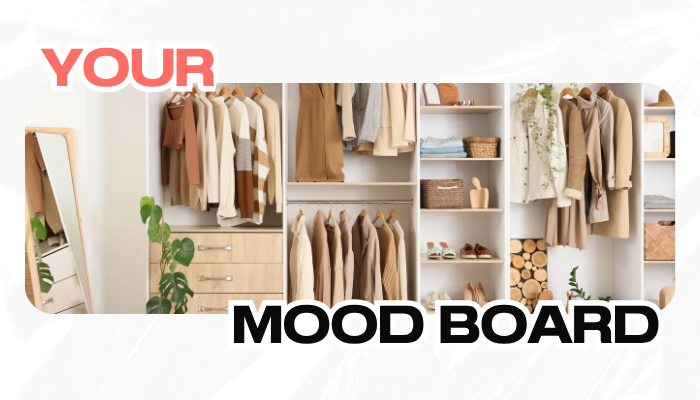
Shopping feels productive.
Style discovery doesn’t always.
As a result, many people start buying clothes before they fully understand what they’re trying to build.
Unfortunately, more clothes rarely solve a lack of direction.
Before making new purchases, spend time observing what you already wear, identifying patterns, and experimenting with different outfit combinations.
Clarity almost always leads to better shopping decisions.
6. Expecting to Find Your Style Overnight
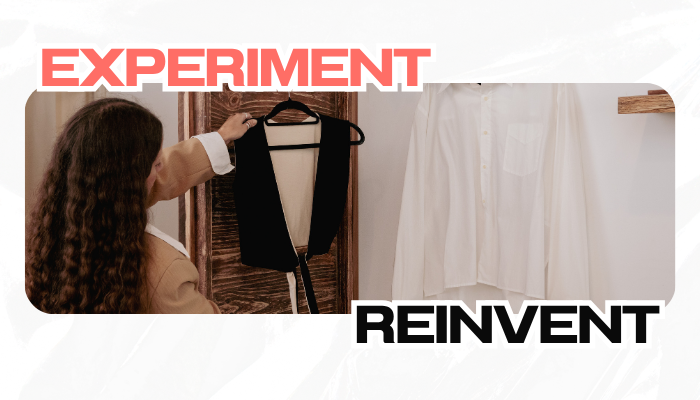
Personal style isn’t something you discover in a weekend.
It develops gradually through experience.
The clothes you enjoy wearing today may be different from the ones you’ll prefer a few years from now, and that’s completely normal.
Rather than searching for the “perfect” fashion aesthetic, focus on making slightly better decisions with each purchase and each outfit.
Over time, those small improvements naturally create a wardrobe that feels more authentic.
Your Style Is Meant to Evolve
The biggest mistake of all is believing your fashion aesthetic has to stay the same forever.
As your career, lifestyle, interests, and confidence change, your wardrobe will change too.
That’s a sign of growth, not inconsistency.
The goal isn’t to create a wardrobe you’ll never change.
It’s to build one that feels right for the person you are today while leaving room for the person you’ll become tomorrow.
Key takeaway: Most style mistakes come from looking outside yourself for answers. The more you build your wardrobe around your own lifestyle, preferences, and everyday habits, the easier it becomes to develop a personal fashion aesthetic that feels authentic and lasts beyond changing trends.
Finding Your Personal Style Is a Journey, Not a Destination

It’s easy to think that finding your personal fashion aesthetic means reaching a point where every outfit feels perfect and every purchase is effortless.
In reality, personal style doesn’t work that way.
The wardrobes we admire most weren’t built in a single shopping trip. They evolved gradually through experience, experimentation, and a better understanding of what genuinely suited the person wearing them.
That’s why there’s no need to rush the process.
As you become more aware of the clothes you enjoy wearing, the colors you’re naturally drawn to, and the outfits that make you feel confident, your wardrobe will begin to feel more consistent. Shopping decisions become clearer because you’re no longer trying to be someone else—you already know what works for you.
Remember, a personal fashion aesthetic isn’t about fitting neatly into one label or following every new trend.
It’s about creating a wardrobe that supports your lifestyle, reflects your personality, and makes getting dressed feel easier every day.
The most stylish people aren’t necessarily the ones with the biggest wardrobes or the most expensive clothes.
They’re the ones whose clothing feels authentic.
If you’re still exploring your style, that’s perfectly normal. Every outfit you wear teaches you something—what you enjoy, what you don’t, and what deserves a place in your wardrobe.
Over time, those small observations become the foundation of a style that’s uniquely yours.
If you’d like to continue refining your wardrobe, explore our guides on Fashion Aesthetics Guide, The Most Popular Fashion Aesthetics Explained, and Fashion Aesthetic Quiz. You can also dive deeper into individual styles like Old Money, Quiet Luxury, Clean Girl, and Minimalist Fashion to discover which elements resonate most with you.
Key Takeaways
- Your personal fashion aesthetic is shaped by your lifestyle, preferences, and the clothes you genuinely enjoy wearing.
- Start by observing your existing wardrobe before buying anything new.
- Look for recurring patterns in colors, silhouettes, fabrics, and styling choices.
- Use fashion aesthetics as inspiration rather than rules you have to follow.
- Experiment gradually and build your wardrobe around what feels authentic.
- A signature style develops through consistency, not by copying someone else’s wardrobe.
- Personal style evolves over time, so focus on making thoughtful decisions instead of finding a “perfect” aesthetic.
Frequently Asked Questions
How do I find my personal fashion aesthetic?
Start by looking at the outfits you wear most often and identifying recurring patterns in colors, silhouettes, fabrics, and styling choices. Explore different fashion aesthetics for inspiration, but build your wardrobe around what suits your lifestyle and feels authentic to you.
Can I have more than one fashion aesthetic?
Yes. Most people naturally combine influences from several aesthetics. You might enjoy the classic tailoring of Old Money, the simplicity of Minimalist Fashion, and the relaxed feel of Scandinavian style. Your personal style doesn’t have to fit into a single category.
How long does it take to find your personal style?
There’s no fixed timeline. Some people discover their style within a few months, while others continue refining it over many years. Personal style evolves alongside your lifestyle, career, and preferences.
What if I like lots of different fashion aesthetics?
That’s completely normal. Instead of trying to choose one, identify the elements you genuinely enjoy—such as certain colors, silhouettes, or fabrics—and combine them in a way that feels natural. Personal style is often more unique than any single aesthetic.
Do I need to buy new clothes to find my style?
No. The best place to start is with the clothes you already own. Review your favorite outfits, experiment with new combinations, and identify any genuine gaps before making new purchases.
What’s the difference between a personal style and a fashion aesthetic?
A fashion aesthetic describes a recognizable style category, such as Old Money, Streetwear, or Boho. Personal style is how you interpret those influences based on your own lifestyle, personality, and preferences. Many people borrow elements from multiple aesthetics to create a style that’s uniquely their own.
Will my fashion aesthetic change over time?
Yes. As your lifestyle, career, and interests change, your wardrobe will naturally evolve as well. A strong personal style isn’t fixed—it’s flexible enough to grow with you while maintaining a consistent sense of identity.
Tags:

Team NineE AI
Team NineE AI is the collective voice behind NineE AI's editorial desk, bringing together writers, r...
Read More
Get Latest Fashion Insights, Before Everyone Else.