Updated on Oct 21, 2026
Kunal Manglani Builds Kiki Using Deadstock Luxury Leather
Fashion NewsSmit Rangras4 Mins reading time
Introduction
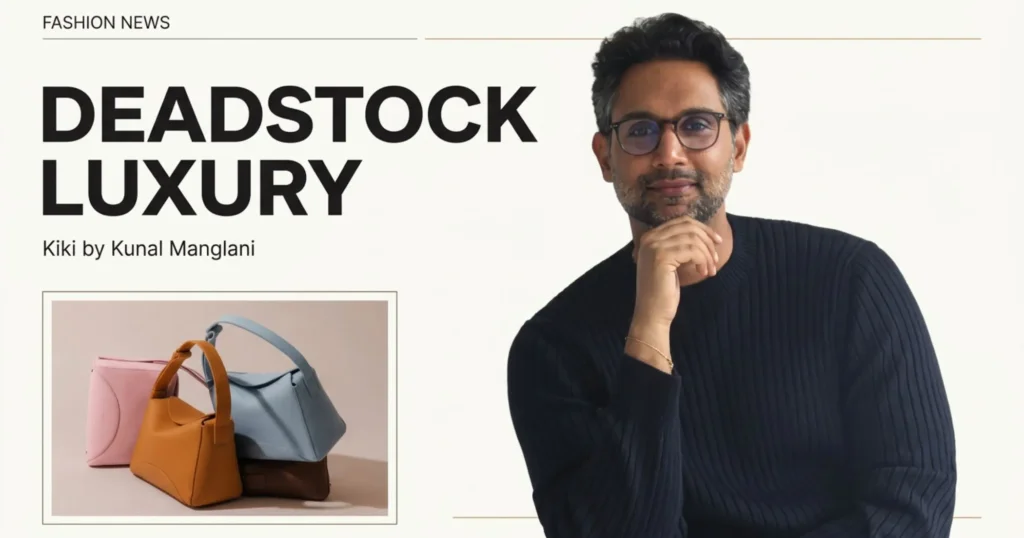
Kunal Manglani builds Kiki, a contemporary luxury handbag brand, in June 2026 using deadstock and overstock leather. The brand has combined existing luxury materials with distinctive designs in small batches, according to reports. The handbags are designed in New York while they are handcrafted in Ubrique, Spain. Kiki’s approach offers an alternative to bulk manufacturing while targeting consumers demanding quality, individual style, and craftsmanship.
What Happened?
Manglani has given more than 20 years to the fashion industry. Kiki’s establishment is to use a different tactic to build a fashion business. As per FashionUnited, he mentioned that the idea emerged from questioning the industry’s emphasis on continuous growth and manufacturing more products.
Kiki sources deadstock and overstock luxury leather from Spanish suppliers, including well-established tanneries. Instead of using newly sourced materials, the brand uses leather already available and uses its textures, colours, and quantities to inform product design.
The handbags are designed in Ubrique, Spain. It’s a town famous for its leather-goods manufacturing heritage. Before finalising a manufacturing partner, Manglani has spent appox a year developing samples and testing products.
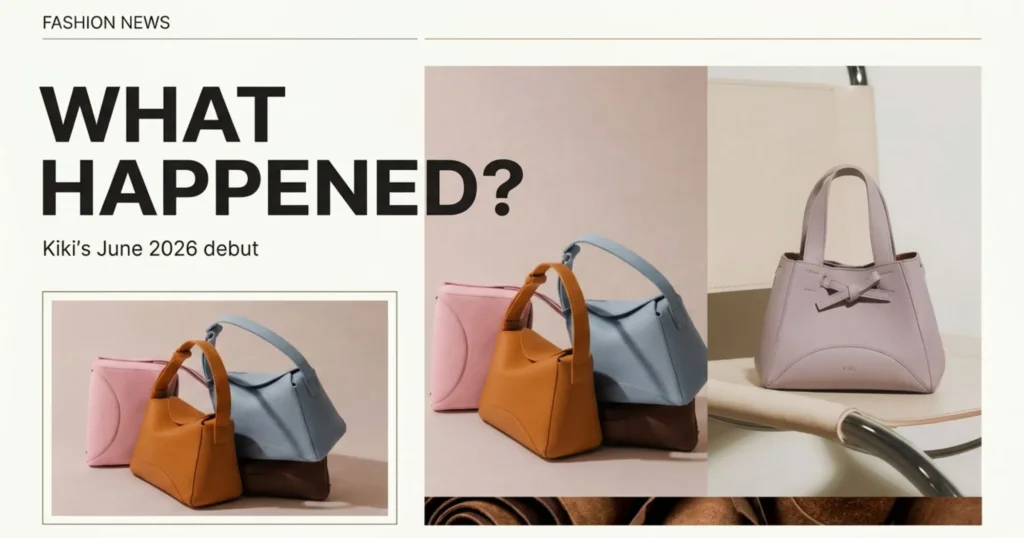
In June 2026, Kiki’s debut collection was launched. Majorily featuring curved forms, sculptural silhouettes and playful details. The range includes the Figue Mini Top Handle priced at $438, the Palma Mini Tote at $498, and the Bon Bon Mini Bucket at $468.
Key Highlights
- Founder: Kunal Manglani
- Brand: Kiki
- Launch: June 2026
- Design base: New York
- Manufacturing location: Ubrique, Spain
- Materials: Deadstock and overstock luxury leather
- Business model: Small-batch handbag production
- Target audience: Consumers seeking contemporary luxury, craftsmanship, and expressive design
- Debut collection pricing: 438–498
Kunal Manglani Builds Kiki: Key Lessons for Fashion D2C Brands
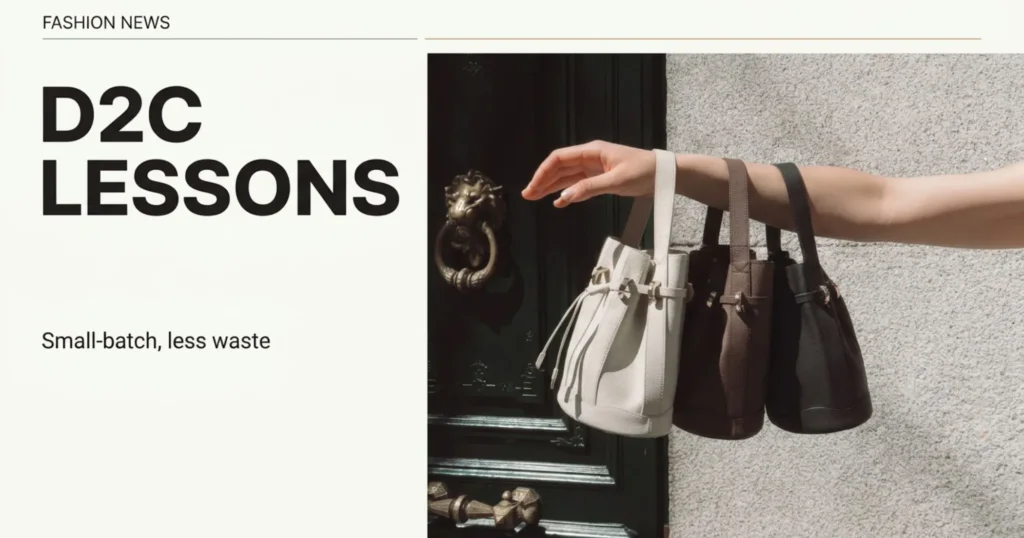
Available Materials Guide Product Design
Kiki is a great example to understand how fashion D2C brands can use available products. The use of deadstock leather lets the brand make collections using existing stock rather than new material. For independent brands, this approach helps decrease material waste.
Small-Batch Production Manages Inventory
Kiki’s plan includes producing colours and styles in smaller quantities. This lets the brand provide limited collections. Likewise, fashion D2C brands must follow a similar approach by launching smaller collections while increasing production. This makes it easy for a brand to decrease the risk of excess inventory and unmet customer demand.
Craftsmanship Helps Brands Stand Out
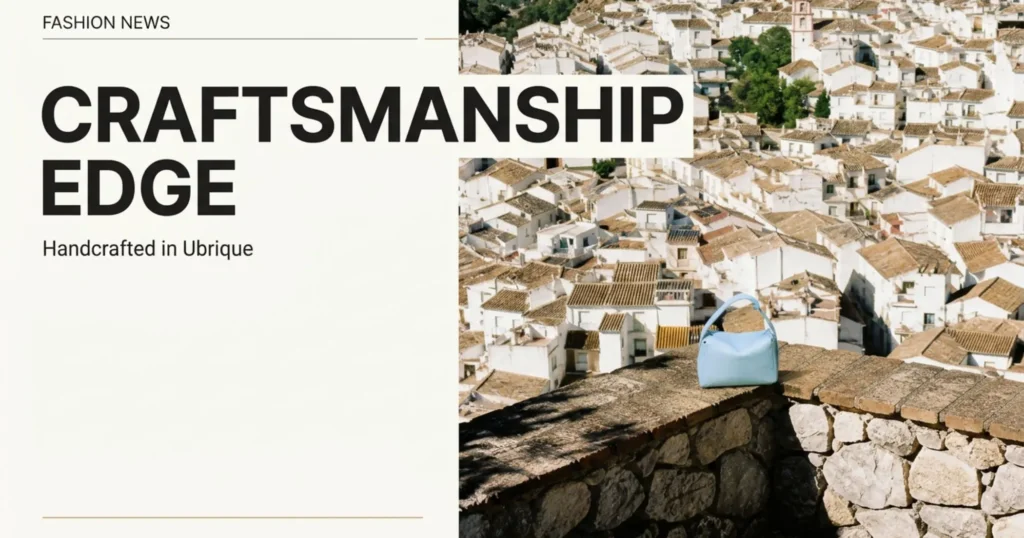
Kiki mixes Spanish leather craftsmanship with contemporary pricing and New York-inspired designs. This clearly reflects how developing brands can stand apart with transparent sourcing and product identity.
About Kiki
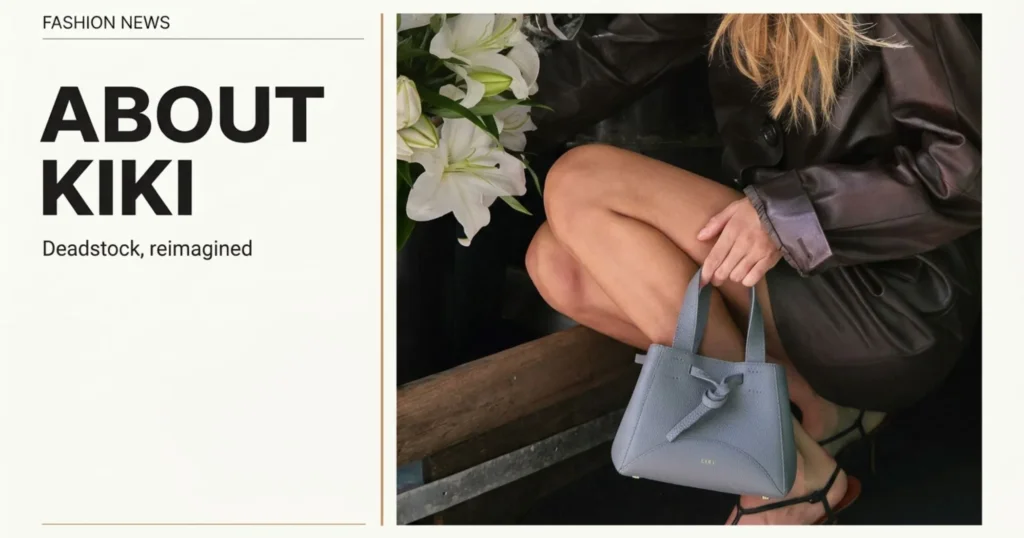
Kiki is a luxury handbag brand founded in 2026 by Kunal Manglani. With his experience at Kate Spade and Lulumelon, Manglani has developed a label around craftsmanship & reusing existing luxury leather stocks in expressive designs. The brand manufactures bags in small batches in Ubrique, Spain, while keeping the prices below those of other luxury houses. Get fashion inspo on NineE by browsing trendy handbags.
Tags:

Smit Rangras
Product Associate, NineE
Smit works on the product team at NineE, helping shape how the platform is built and how it serves t...
Read More
Get Latest Fashion Insights, Before Everyone Else.