Create Your Agent

Updated on Nov 22, 2026
The North Face: How an Outdoor Gear Brand Redefined Fashion
Brand StoriesAakash Jethwani11 Mins reading time
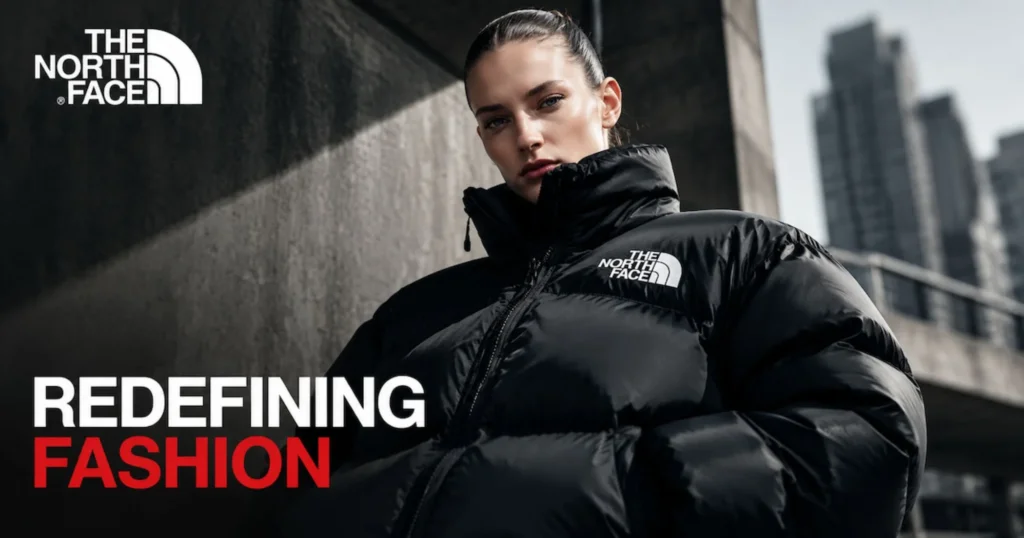
The North Face started in 1966 as a small San Francisco shop for climbers and grew into one of the most recognisable outdoor clothing brands. It earned that position on mountains first, with expedition gear tested where failure is expensive, and only later on city streets. This article traces the path from a climbers’ trading post to a global outdoor lifestyle brand, using the company’s own history and published sources.
TL;DR
- Doug Tompkins opened a climbing and camping shop in San Francisco in 1966 with his wife, Susie.
- The couple borrowed $5,000 to start the business.
- They first focused on gear for climbers, skiers, and outdoor explorers.
- The brand grew from a small shop into a global outdoor clothing and equipment company.
- The company is now owned by VF Corporation and sells products worldwide.
- Its technical jackets, fleeces, and outdoor gear later became popular in everyday fashion.
- By the late 1990s and 2000s, The North Face had become part of streetwear culture.
- Its outdoor roots and everyday appeal helped build its lasting fashion legacy.
The Origins of TNF in San Francisco
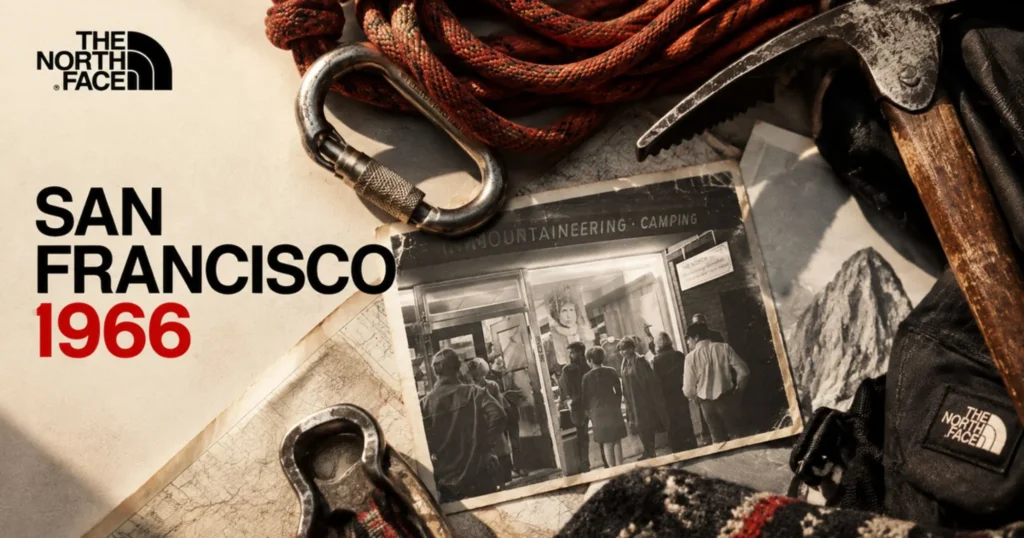
Every outdoor brand has a trailhead, and this one began behind a shop counter. Below, we meet the founders and see how climbing and camping gear shaped the early business.
How Douglas Tompkins and Susie Tompkins Started The North Face
TNF was never a conventional shop. It became a cultural trading post. The Grateful Dead played at its opening, Beat Generation thinkers dropped by, and well-known climbers stopped in after Yosemite trips. Tompkins later sold his stake to Kenneth “Hap” Klopp and left for adventure and filmmaking, while Susie went on to co-found the fashion house Esprit.
Why Climbing and Camping Gear Shaped the Early Brand
Early products solved real problems. Tompkins designed tents that avoided a centre pole by using bendable rods threaded through exterior sleeves, a design that was widely copied. Camping remains part of the range today, from compact shelters to family tents like the North Face Wawona 6, and the company has long pushed practical, efficient design. The Oval InTENTion of 1975, inspired by Buckminster Fuller’s ideas about spheres, used minimal material for maximum efficiency. The company also repurposed surplus Vietnam-era materials in the 1970s, an early sign of its resourceful streak. This kind of thinking now connects with the wider movement toward sustainable fashion, where making better use of materials has become increasingly important.
How It Built Its Identity Around Exploration
A strong name and symbol gave the gear a story. These two parts explain what the name means and how the mantra shaped the company.
The Meaning Behind TNF Name
The name points to the north face of a mountain, usually the coldest and most unforgiving side. That idea of choosing the hardest route runs through the brand. The North Face logo draws on Half Dome, the granite formation rising more than 8,700 feet above sea level in Yosemite National Park.
How “Never Stop Exploring” Shaped the Brand
They use their mantra to turn expeditions into marketing and, more importantly, into testing. A sponsored 1972 Alaska traverse raised awareness of the pipeline; the first all-female team climbed Annapurna in 1978 under the banner “A Woman’s Place is on Top”, and a 1990 dogsled crossing of Antarctica studied climate change.
How TNF Became Known for Outdoor Innovation
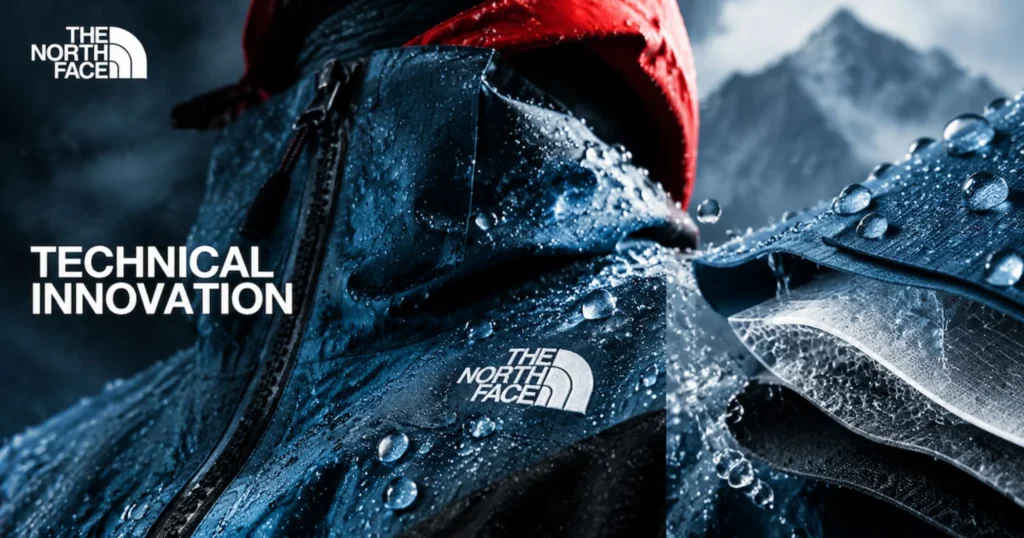
Innovation is what keeps the brand credible. Below, we look at the pack that changed hiking and the fabric that changed outerwear.
The Ruthsack and the Development of Modern Backpacking
In 1969 the Ruthsack arrived as one of the first internal frame packs ever made. It was light, practical, and a solution to bulky gear, and it helped make hiking accessible to more people. The company credits it with giving birth to backpacks as we know it.
GORE-TEX and the Growth of Performance Outerwear
In 1977, they added GORE-TEX products, including GORE-TEX jackets, to their outerwear line, offering dry, breathable protection in all conditions. The Mountain Jacket followed in 1985, ThermoBall synthetic insulation in 2013, and the nanospun FUTURELIGHT membrane in 2019. Each step pushed performance outerwear forward and gave the label a technical story to tell. In 1983 the Extreme Gear line took GORE-TEX to the ski market, tested by Squaw Valley skiers who later featured in Warren Miller’s films.
How TNF Built Its Iconic Product Range
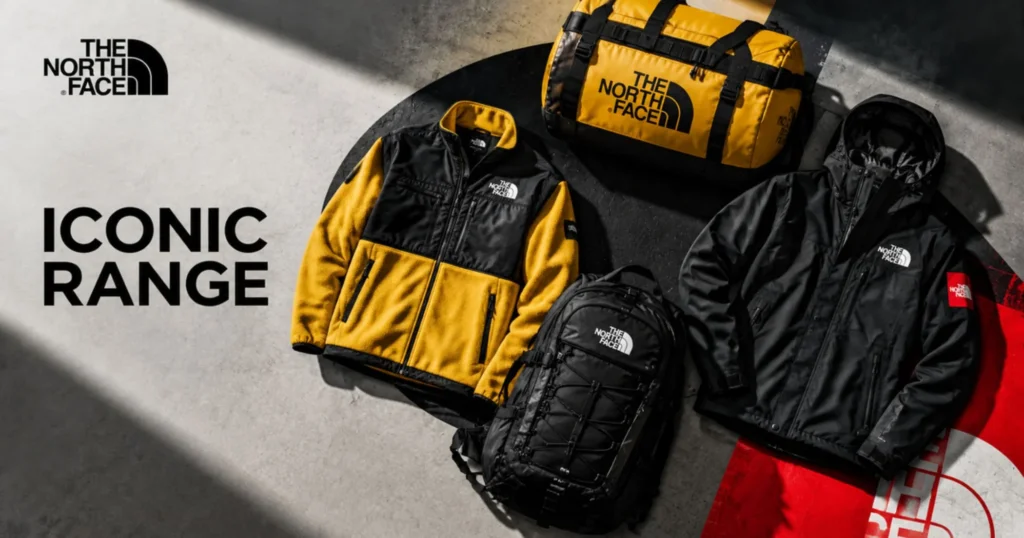
The range grew from a few expedition pieces to a full catalogue of The North Face. These three parts are rain jackets, fleece jackets, and bags.
The North Face Jackets, Coats, and Technical Outerwear
North Face jackets cover everything from lightweight shells to insulated styles. The line includes a North Face rain jacket for wet weather, a North Face winter jacket for cold commutes, and a North Face parka for deeper freezes. A North Face coat built on a technical shell suits mountain days and city streets alike. Searches such as northface jacket men usually lead to the Mountain Jacket and the Nuptse, two shapes that have defined the range for decades.
The North Face Fleece and the Iconic Denali Jacket
The Denali arrived in 1989 as a zip-in fleece that fit inside the Mountain Jacket. Light, durable, and warm, it became an icon almost immediately. North Face fleece remains a core category, and the Denali is one of the clearest examples of a functional design outliving trends.
The North Face Backpack and Outdoor Equipment
The North Face backpack grew out of the Ruthsack, and the company also makes technical packs for hiking, climbing, and trail running. The Base Camp Duffel, launched in 1986, is built from nearly indestructible fabrics and has travelled with porters, yaks, and camels around the world. The focus on durable materials also connects with today’s interest in sustainable fabrics, where material choice plays an important role in creating more responsible clothing.
How The North Face Created the Nuptse Jacket
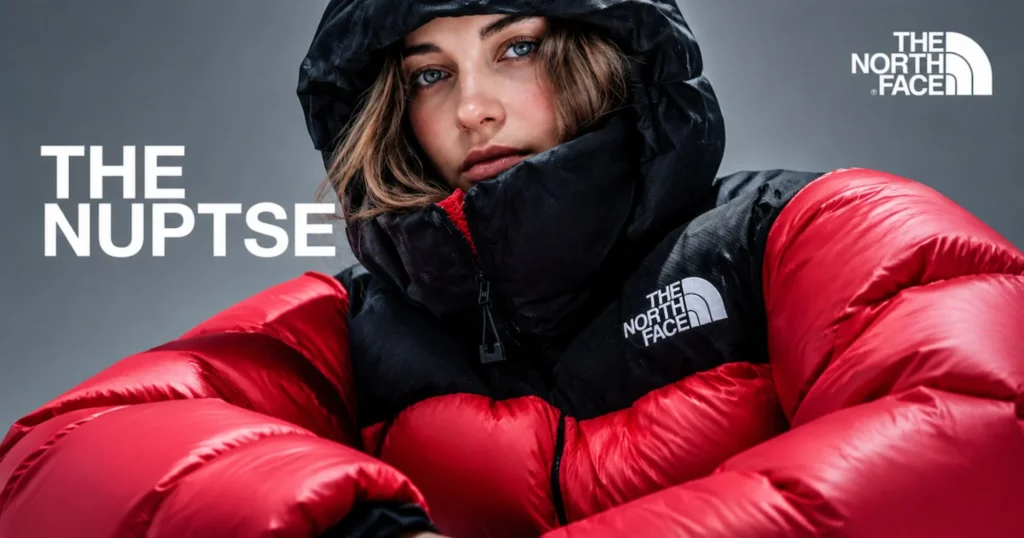
No single piece shows the brand’s range better than the Nuptse. Below, we look at its origins and its later life as a fashion favourite.
The Origins of the Nuptse in 1992
The Nuptse takes its name from the Tibetan for “west peak,” a summit just southwest of Everest. Introduced in 1992, it used triple baffle construction that reduces down shifting and increases warmth. It became iconic almost instantly, and the fully baffled Himalayan Suit followed in 1994 for the highest altitudes.
How the 1996 Retro Nuptse Became a Fashion Favourite
In 1996, the Retro Nuptse jacket revived the bold look of the 1990s with a boxy, cropped fit. By 1997 rappers in New York City were buying the brand’s clothing, and the chunky puffer silhouette became a wardrobe staple. A North Face puffer jacket in this style now sits comfortably over knitwear and wide trousers.
How The North Face Expanded Into Outdoor Lifestyle Fashion
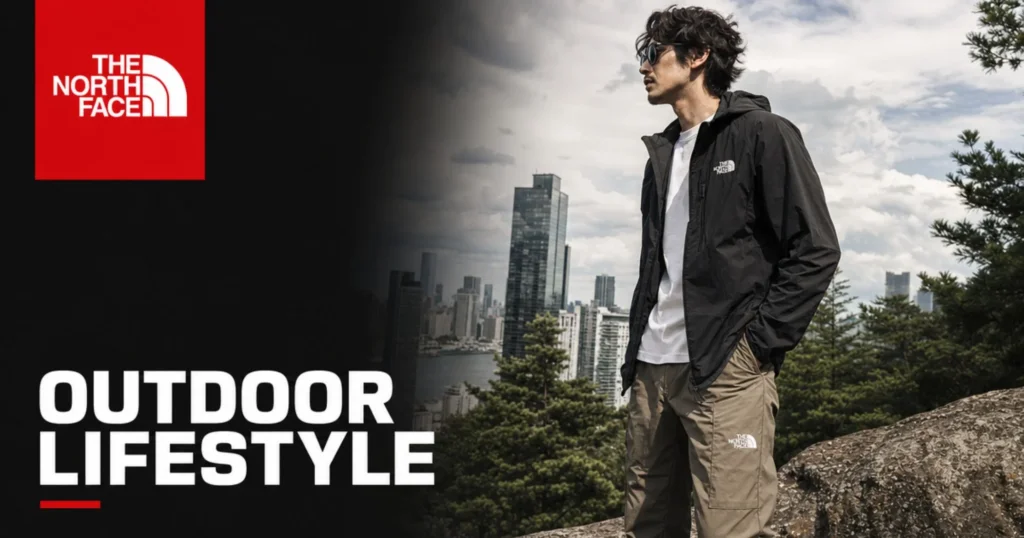
The outdoor lifestyle is now as important as expeditions. The next two parts look at everyday hiking clothes and winter style. Hiking clothes were designed for movement and performance, much like modern sportswear, where function and comfort increasingly influence everyday style.
From Hiking Apparel to Everyday Outdoor Clothing
Hiking apparel was the natural bridge to daily wear. North Face outdoor clothing now includes hiking & yoga pants women that can be worn on trails, mens walking trousers, lightweight climbing trousers, leggings, and tops. Many of these hiking clothes are bought for commuting, travel, and weekends rather than summits.
How Outdoor Performance Became Part of Winter Fashion
Winter fashion borrowed directly from mountain design. North Face winter coats and insulated jackets now sit on high streets, and a North Face vest mens shoppers pair with a sweatshirt is a common cold-weather layer. Girls North Face jacket styles and kids’ fleece bring the same warmth to younger wearers.
How The North Face Entered Streetwear Culture
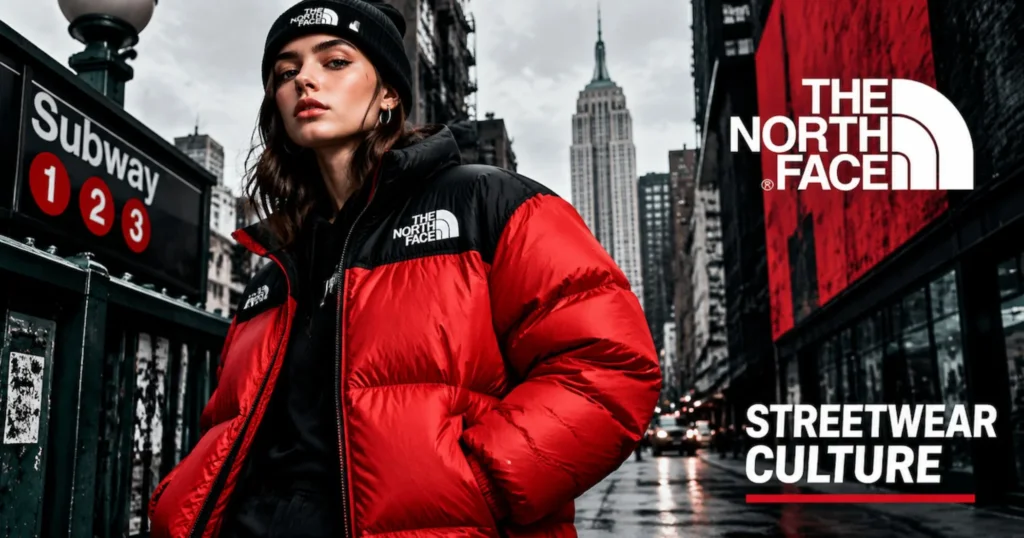
The leap from trailhead to pavement did not happen overnight. Below, we trace the crossover and the collaborations that helped it.
From Mountain Gear to Streetwear Fashion
North Face streetwear began when New York rappers adopted the label in the 1990s, though it was then a small share of sales. By the 2010s it had become a status symbol in places like South Korea. Streetwear fashion embraced the oversized shapes and bold colours that the brand already made, and the crossover reached the point where the same jacket was seen on a glacier and a bus stop.
How Collaborations Helped Connect Outdoor and Urban Style
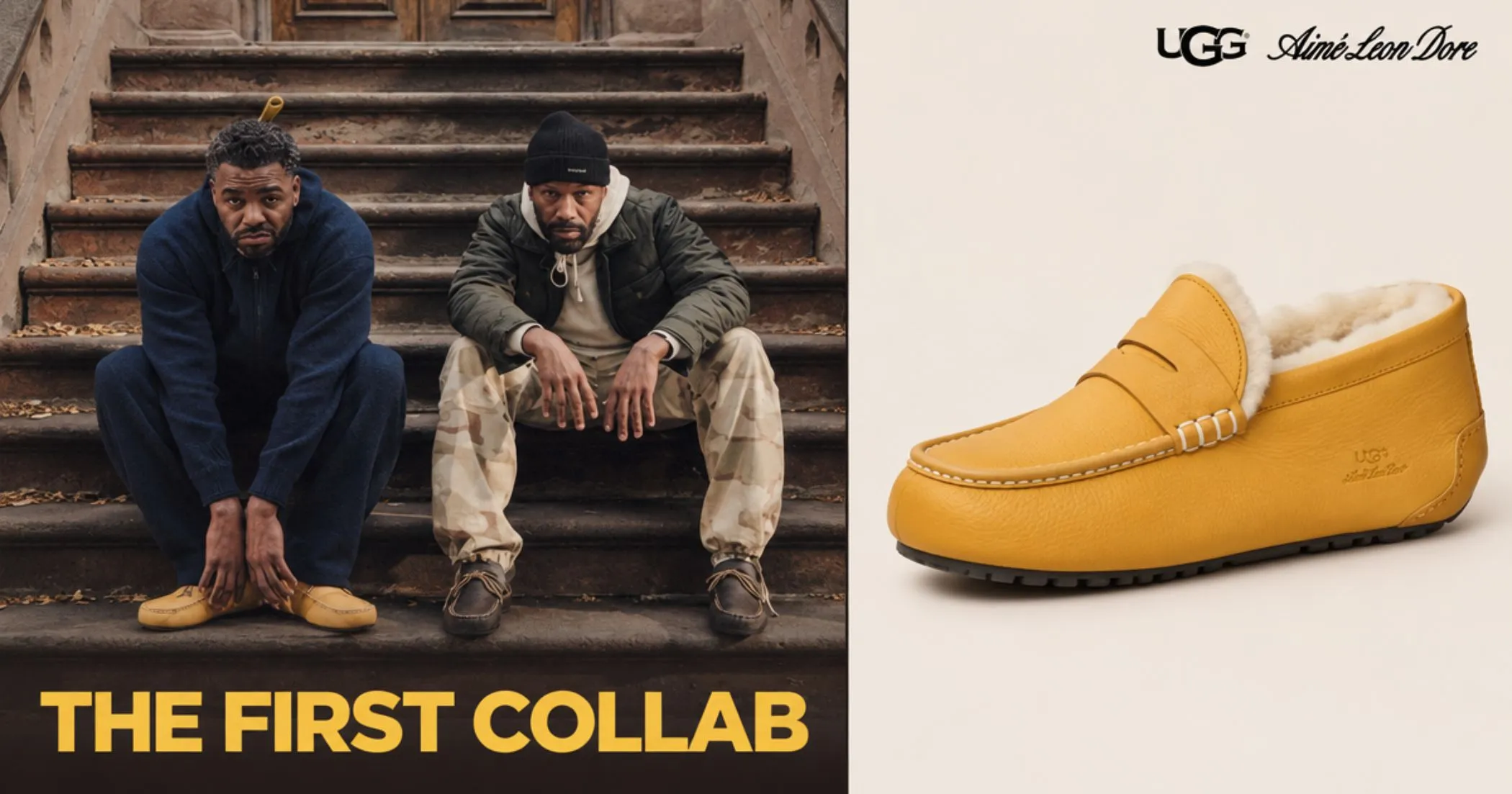
TNF tied itself to urban style through collaborations. Partnerships of The North face & Gucci, Supreme, and Aimé Leon Dore, among others, put technical shapes in front of fashion audiences. Each one worked because the underlying clothing was real, and the partner did not have to invent credibility.
How The North Face Built a Global Outdoor Community
Community is built on shared effort as much as products. These two parts cover athletes and the sports the company supports.
Sponsored Expeditions and Athlete Partnerships
The North Face athlete roster reads like a history of modern adventure. In 2011 Conrad Anker, Jimmy Chin, and Renan Ozturk made the first ascent of the Shark’s Fin on Mount Meru. In 2017 Alex Honnold free soloed El Capitan, captured in the Oscar-winning film “Free Solo.” Kit DesLauriers skied the Seven Summits in 2006.
Supporting Exploration, Climbing, Skiing, and Hiking
Support runs across disciplines. In 1983 Extreme Gear reached the ski market, tested by the “Extreme Team.” The Flight Series brought trail running clothes in 2006, and Global Climbing Day in 2017 invited people everywhere to try the sport. Each effort widened the community beyond professionals.
How The North Face Connected Performance With Sustainability
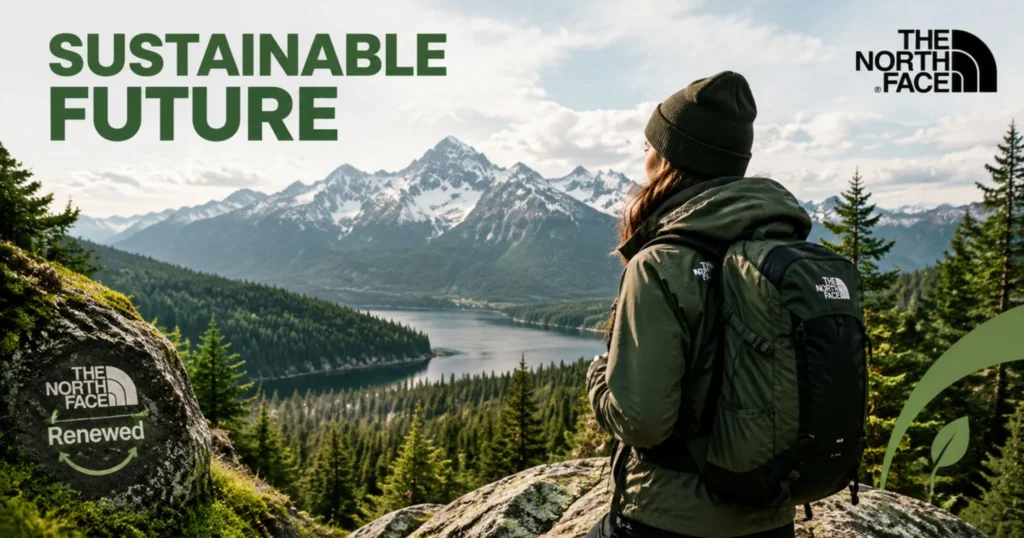
Protecting wild places has been part of the story from the beginning. Below, we look at conservation funding and the circular programmes.
The Explore Fund and Conservation Initiatives
The company co-founded The Conservation Alliance in 1989 with REI, Patagonia, and Kelty to fund grassroots land protection. The Explore Fund launched in 2010 with $250,000, rising to $500,000 in 2015, to connect people and nature. The Explore Fund Council followed in 2021 to widen access to the outdoors.
Renewed, Circularity, and Responsible Materials
Clothes the Loop in 2013 let shoppers drop off used clothing from any brand. The Responsible Down Standard, created in 2014 and gifted to Textile Exchange, improved down traceability. Renewed, launched in 2018, and inspects, repairs, and resells used gear, extending the life of each product.
How TNF Became a Global Outdoor Lifestyle Brand
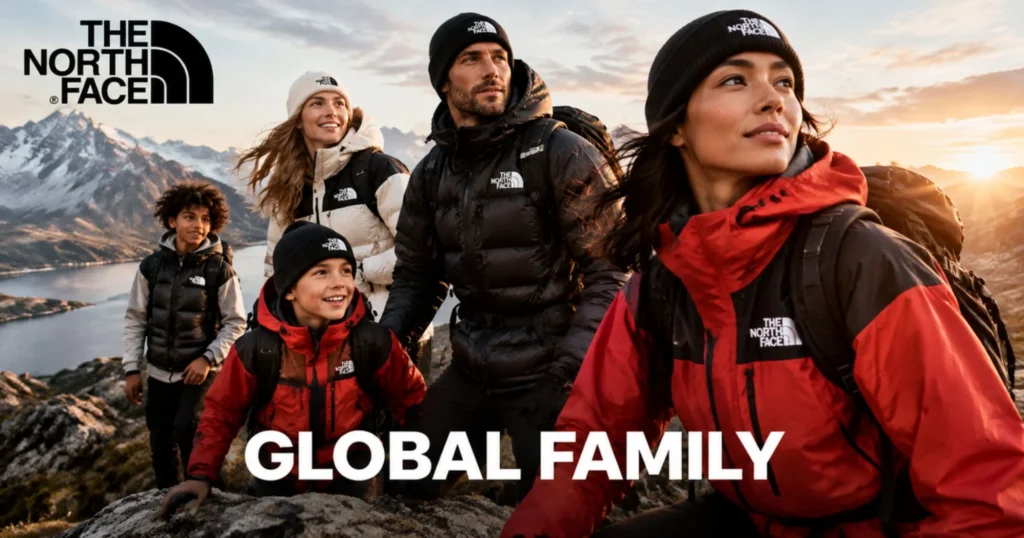
Today the brand serves whole families in many countries. The final two parts cover its customers and its seasonal range.
Expanding North Face Clothing for Men, Women, and Kids
North Face clothing now spans men’s, women’s, and kids’ ranges, with baby and toddler sizes included. North Face apparel covers jackets, fleece, tops, bottoms, and accessories, plus footwear for hiking, trail running, and winter. The range has grown well beyond its climbing roots without dropping its technical core.
North Face Jackets, Vests, Parkas, and Seasonal Clothing
Seasonal pieces follow the weather: insulated vests and parkas in winter, windbreakers and soft shells in spring, and rainwear when it pours. Shoppers looking for a reliable rain jacket often prioritize features such as breathability, water resistance, and a comfortable fit. The range lets people dress for changing weather conditions rather than simply following seasonal trends.
The Bottom Line
From a San Francisco climbing shop to a worldwide brand, the story comes down to credibility. The North Face earned trust through real expeditions, practical inventions and long-lived designs, and fashion followed. The history of The North Face shows a simple lesson: when function comes first, style tends to find you. That same approach can be seen in modern streetwear, where practical outerwear and versatile basics have become key parts of everyday dressing. If you’re building a wardrobe around pieces that balance comfort, function, and style, our guide on how to build a streetwear wardrobe is a useful place to start.
FAQs
When was The North Face founded?
Doug Tompkins founded TNF in 1966 in San Francisco.
Who founded The North Face?
Doug Tompkins founded the company with his wife, Susie Tompkins, who later co-founded Esprit.
Where did The North Face start?
It started as a climbing and camping shop in San Francisco, California, and is now headquartered in Denver, Colorado.
What does The North Face logo represent?
The logo draws inspiration from Half Dome, a granite rock formation in Yosemite National Park.
What is The North Face known for?
TNF is known for technical outerwear, fleece, backpacks, camping gear and the Never Stop Exploring mantra.
What is the history of TNF Nuptse jacket?
The Nuptse launched in 1992 with baffled down construction and became an icon, later revived as the 1996 Retro.
Why is TNF popular in streetwear?
New York rappers adopted it in the 1990s, and its bold, oversized shapes suited street style.
What is TNF Denali fleece?
The Denali is a durable, warm fleece introduced in 1989 that zipped into the Mountain Jacket.
Does TNF make hiking and climbing clothing?
Yes. It makes hiking, climbing, trail running, camping and snow clothing, plus footwear and packs.
How did The North Face become a global outdoor brand?
It grew through expeditions, technical innovation, athlete partnerships and a crossover into everyday fashion.
Doug Tompkins founded TNF in 1966 in San Francisco.
Doug Tompkins founded the company with his wife, Susie Tompkins, who later co-founded Esprit.
It started as a climbing and camping shop in San Francisco, California, and is now headquartered in Denver, Colorado.
The logo draws inspiration from Half Dome, a granite rock formation in Yosemite National Park.
TNF is known for technical outerwear, fleece, backpacks, camping gear and the Never Stop Exploring mantra.
The Nuptse launched in 1992 with baffled down construction and became an icon, later revived as the 1996 Retro.
New York rappers adopted it in the 1990s, and its bold, oversized shapes suited street style.
The Denali is a durable, warm fleece introduced in 1989 that zipped into the Mountain Jacket.
Yes. It makes hiking, climbing, trail running, camping and snow clothing, plus footwear and packs.
It grew through expeditions, technical innovation, athlete partnerships and a crossover into everyday fashion.
Tags:

Aakash Jethwani
Founder & CEO at NineE AI
Aakash Jethwani is the Founder & CEO of NineE AI, a Fashion Exploration Engine built to help peo...
Read More
Get Latest Fashion Insights, Before Everyone Else.