Create Your Agent

Updated on Nov 20, 2026
Burberry: From British Outerwear to Luxury Fashion
Brand StoriesChirag Pariyani13 Mins reading time
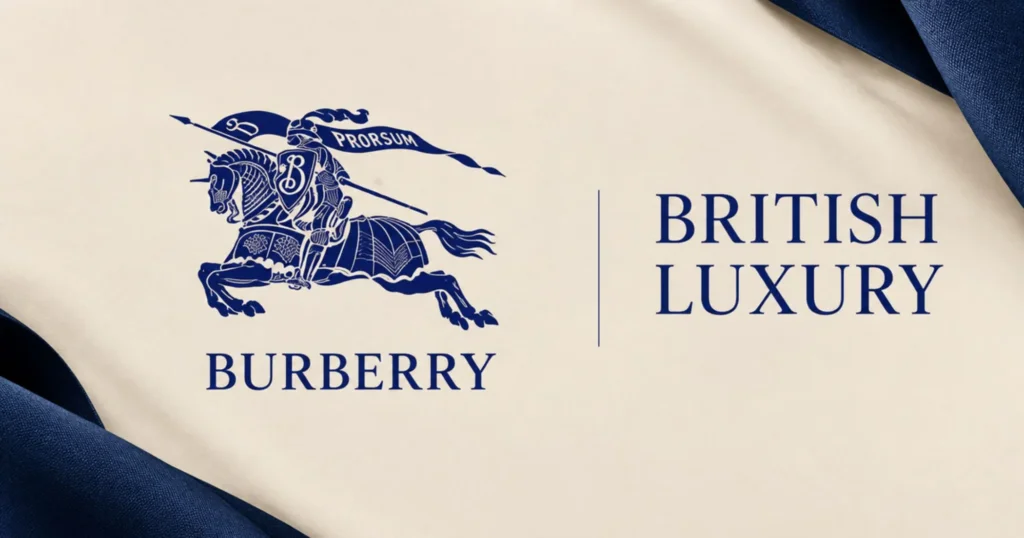
Burberry began in 1856 as a single shop in a Hampshire market town and grew into one of the most iconic British fashion brands. It did not get there by chasing trends. It got there by solving a practical problem, keeping people dry and comfortable outdoors, and then wrapping that solution in a strong identity. This article follows the journey from a draper’s apprentice with a shop to a global house, using company history and published brand records.
TL;DR
- TB opened his first shop in Basingstoke, Hampshire, in 1856.
- The brand began with practical outdoor clothing designed for Britain’s wet weather.
- Thomas Burberry patented gabardine, a breathable and waterproof fabric, in 1879.
- Gabardine became the foundation for Burberry’s iconic outerwear and trench coat.
- TB opened its flagship store on Haymarket in London in 1891.
- This check became a key part of the brand’s visual identity.
- The Equestrian Knight logo became another recognisable Burberry symbol.
- British weather, practical design, and innovation shaped Burberry’s fashion identity.
- TB grew from a small British outfitter into a global luxury fashion brand.
The Origins of Burberry in Britain
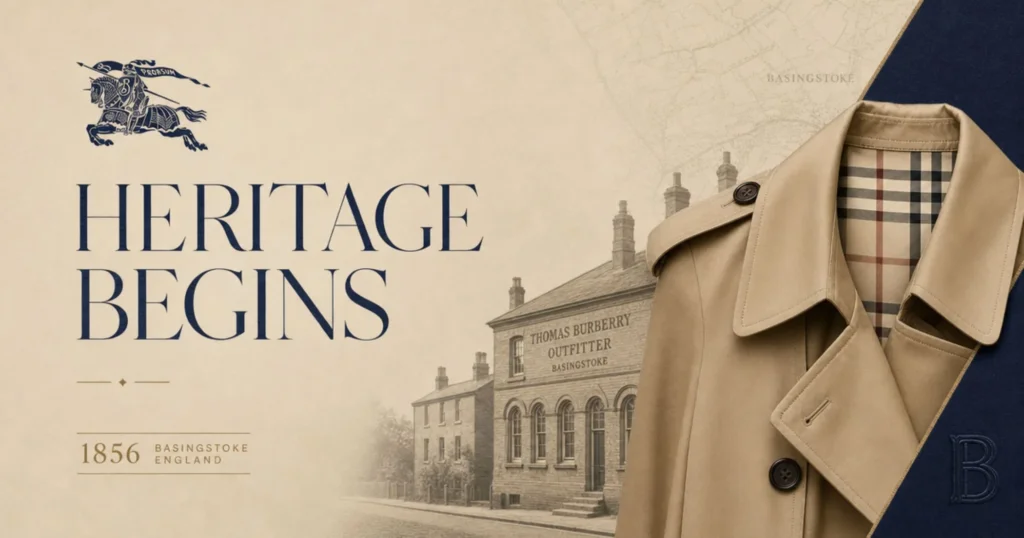
Every heritage house has a modest starting point, and this one is no exception. Below, we meet the founder and see why outdoor clothing became the core of the business.
How Thomas Burberry Started the Brand in Basingstoke
He opened his shop in 1856 and, by 1870, the business had made its name by focusing on outdoor clothing. In 1891 he opened a shop in the Haymarket in London, giving the company a presence in the capital that it has kept ever since. This early period matters for anyone reading about TB history, because the value set here, function first, never left.
Why Outdoor Clothing Became Central to TB
Weatherproof clothing, including waterproof jackets for kids, found its customers among people who worked, travelled, and explored. In 1911 the company outfitted Roald Amundsen, the first man to reach the South Pole, and later Ernest Shackleton, who led a 1914 expedition to cross Antarctica. George Mallory wore a Burberry gabardine jacket during his 1924 attempt to climb Mount Everest. Those stories gave the label credibility advertising could not buy.
How it Changed British Outerwear With Gabardine
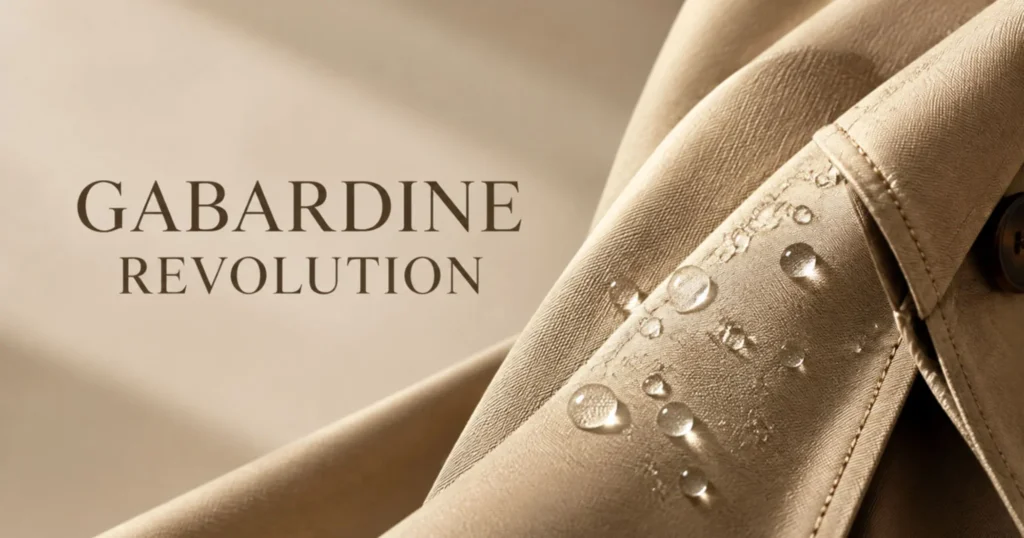
Fabric forms the real starting point of the story. The next two sections explain how Burberry developed gabardine and made it a signature material, while fabric choices continue to shape how modern clothing is designed and worn.
How Thomas Burberry Developed Gabardine
In 1879, Thomas Burberry introduced gabardine, a hard-wearing, water-resistant, and breathable fabric. He waterproofed the yarn before weaving it into the fabric. That order of work matters. Treating the yarn first produced cloth that shed rain without feeling like rubber, which was a real improvement for walkers, riders, and travellers.
Why Gabardine Became a Burberry Signature
Gabardine gave the company a technical story to tell. It was protective, light enough to wear and tough enough to last, and it suited the company’s habit of fitting clothing to a purpose. That link between material and purpose is why gabardine still appears in the brand’s raincoats, including those made in its Castleford factory.
How the Burberry Trench Coat Became an Icon
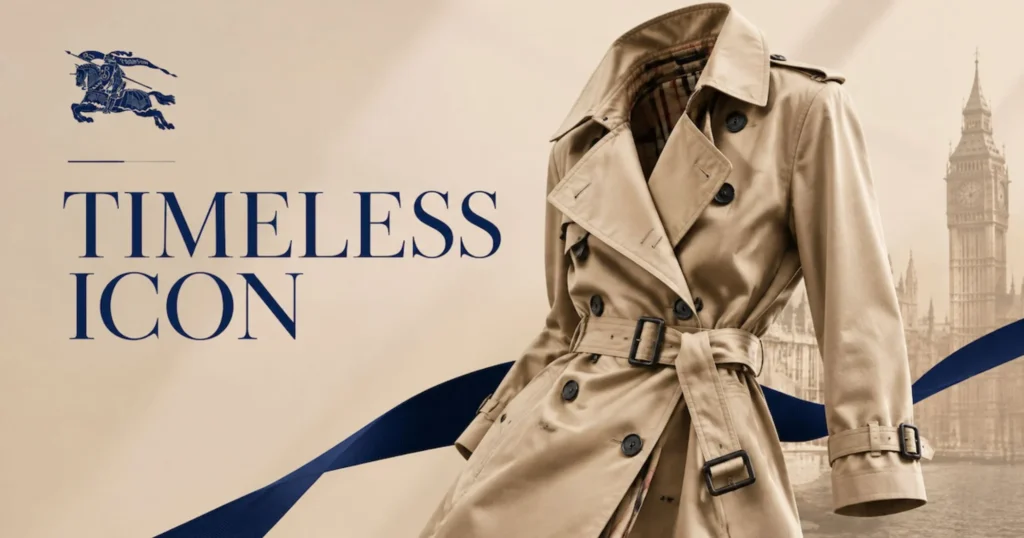
No single garment has done more for the company’s reputation. Below, we trace the coat’s history and how military outerwear turned into everyday British fashion.
The History of the Burberry Trench Coat
The Burberry trench coat was adapted for military needs during the First World War and worn by British officers in the trenches. After the war it became popular with civilians. Women adopted it early too: the motorcycling sisters Betty and Nancy Debenham wore theirs for travelling and racing in the 1920s, and Mrs. Victor Bruce wore a reversible Burberry coat for her 1930 round-the-world flight.
How Military Outerwear Became British Fashion
The Burberry trench coat features were practical, but its look was strong enough to outlive the war. Over decades it moved from battlefield to city street and then to the catwalk. The history of the Burberry trench coat is a reminder that classic fashion often begins as simple equipment and that durable design gets a second life as style.
How Burberry Built Its Iconic British Identity
Identity is more than one coat. This section looks at the signature check and the wider British style that tied the brand together.
The Burberry Check and Its Fashion Heritage
The Burberry Check has been in use since at least the 1920s, mainly as a lining in trench coats. For decades it stayed hidden, a private detail for the wearer. Later it moved to the outside of scarves, bags, and clothing, and it became a recognisable pattern worldwide. Few patterns carry as much fashion heritage.
How British Style Became Central to the Burberry Brand
The company promotes its British roots at every turn, from London headquarters to production in Castleford and Keighley. Its campaigns lean on British models and musicians, and the 2023 relaunch of TB described its direction as a modern take on British luxury. That consistent message is why the label stands for British style, not just a product category. Burberry’s classic British identity also connects with the timeless appeal of the old money aesthetic, which draws on heritage, understated luxury, and refined styling.
How the Burberry Logo Became Part of Its Heritage
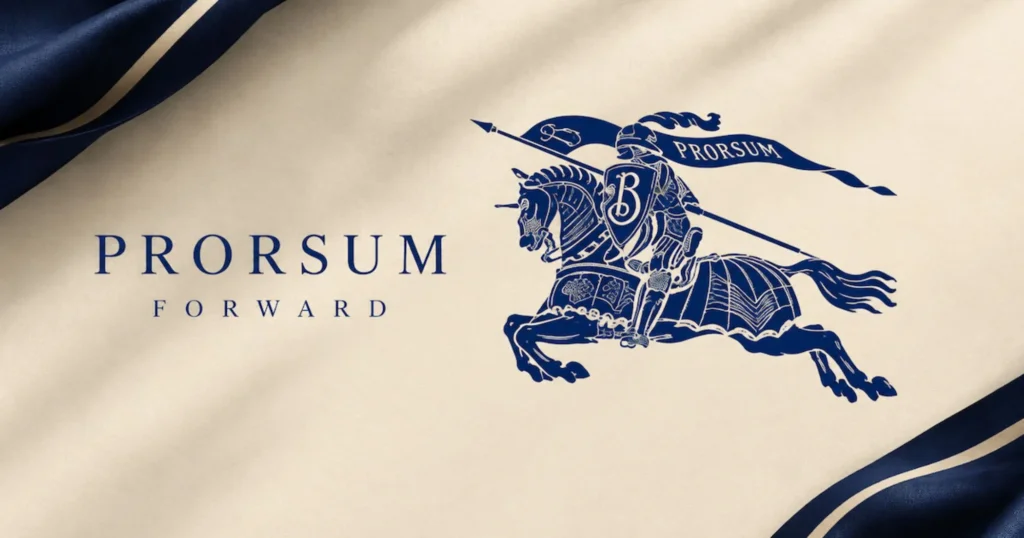
Logos tell a brand’s story in miniature. Below, we look at the knight that started it all and how the identity changed over time.
The Origins of the Burberry Equestrian Knight
The Equestrian Knight was developed in 1901 after an internal design competition, and it was registered as a trademark in 1909. It shows a knight on horseback carrying a shield marked with a B and a banner reading “Prorsum”, Latin for “forward”. The shield suggests protection, the banner suggests progress, and together they sum up the philosophy behind the clothes.
How the Burberry Logo Changed Over Time
In the late 1960s, Burberry changed the knight into a solid black silhouette and paired it with the words “Of London”. By 1999, the brand had introduced a sharper knight with a Bodoni-style wordmark and the single word “London”.
Under Riccardo Tisci in 2018, Burberry dropped the knight from its main logo and adopted a bold, geometric wordmark designed by Peter Saville. Then, in 2023, Burberry changed the logo again, bringing back the knight with a more expressive serif and placing heritage at the centre.
How Burberry Expanded From Outerwear Into Fashion
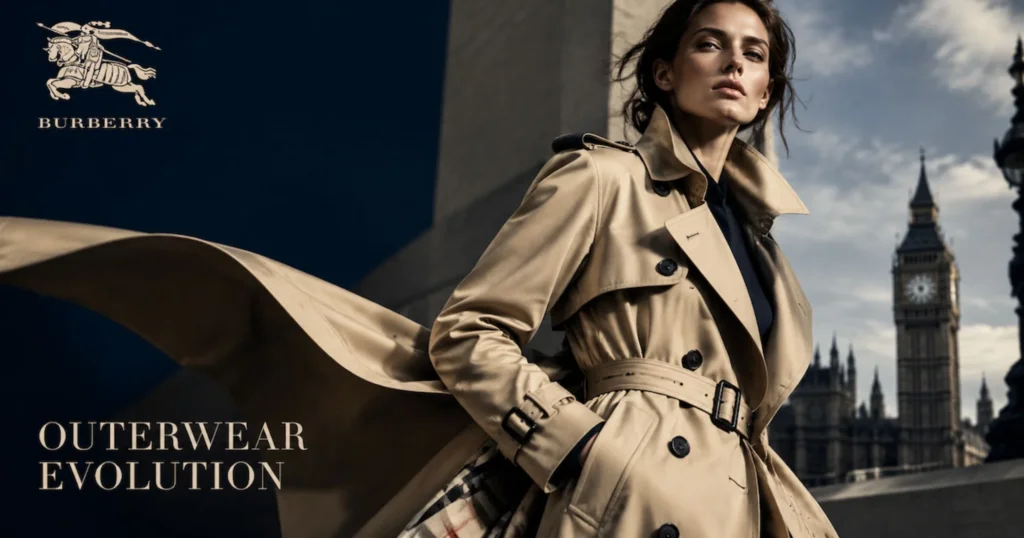
Outerwear was the foundation, not the limit. The next two parts look at how menswear and womenswear grew from it.
Burberry Menswear and the Growth of British Clothing
Burberry menswear began with coats made for officers and explorers. The range later grew to include tailoring, knitwear, and casual clothing, including casual shirts. Today, Burberry clothes for men still rely on outerwear as a key part of the brand. Shirts, trousers, and everyday layers now add more choice while keeping the Burberry’s British practical style.
Burberry Womenswear and the Expansion of the Brand
Burberry womenswear has links to the early days of the trench coat. Women such as the Debenham sisters and Mrs Victor Bruce wore Burberry garments for racing and flying. Over time, the range expanded to dresses, knitwear, and tailoring. This growth helped TB reach a wider audience while keeping its British fashion roots.
How TB Became a Global Luxury Fashion Brand
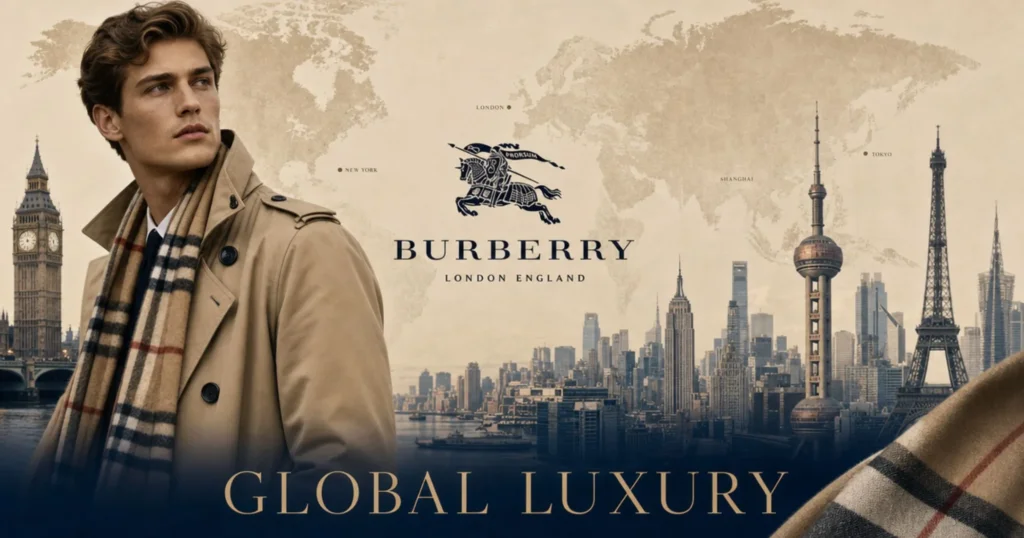
Becoming international took patience and a few hard lessons. Below, we look at how the company expanded abroad and how it rebuilt itself as a luxury name.
Expanding TB Into International Markets
Control of the company passed to Great Universal Stores in 1955. In the 1970s, licensing agreements opened Asia and Europe, which extended its reach but also made the brand harder to manage. Japan alone generated sales of roughly €435 million through a licence holder. From 1997, new leadership focused on restoring the company as a luxury house, and it listed on the London Stock Exchange in 2002.
Building TB as a British Luxury Brand
Success brought problems. Between 2001 and 2005, lower-priced products, widespread counterfeits, and the wrong celebrity associations pulled the label into football-casual fashion culture. Angela Ahrendts and Christopher Bailey repaired this after 2006 by limiting the check to about a tenth of products, taking fragrance and beauty licences back in-house, and buying out the Spanish franchise. Online selling also began in 2006. Together, these moves turned the Burberry luxury brand into a controlled, premium business again.
How TB Expanded Into Accessories and Lifestyle Products
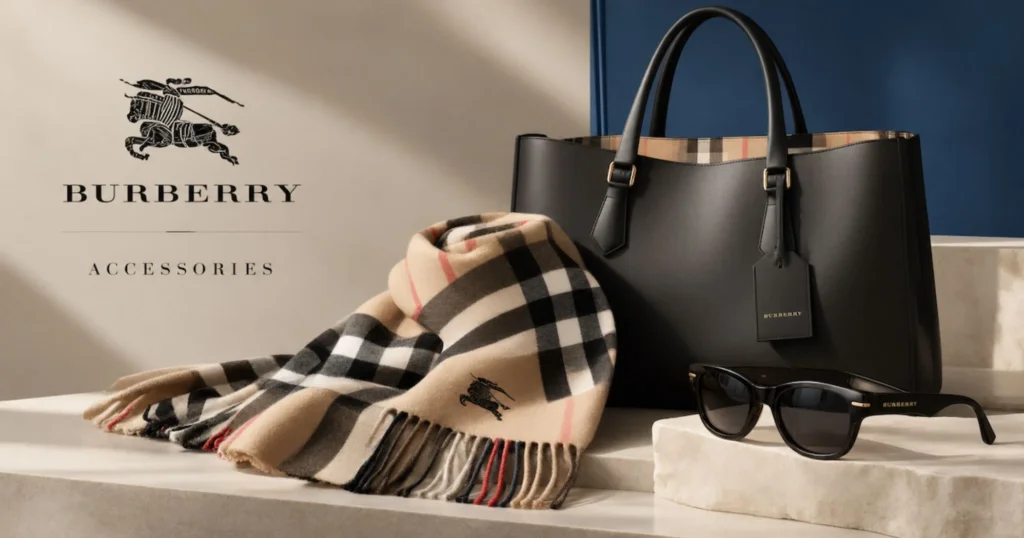
Clothes were only the start. The two parts below cover the accessories that made the label part of everyday life.
TB Scarf, Bags, and Other Accessories
The Burberry scarf is perhaps the easiest way to own the check, and it remains central enough that the 2024 turnaround plan included a rollout of scarf bars. Burberry accessories also cover leather bags. The Burberry bag range gained fresh attention in 2023 when a tote bag appeared in the TV drama Succession, and searches for the TB tote bag rose by more than 310 percent.
TB Sunglasses, Sneakers, and Everyday Fashion
Beyond bags and scarves, sunglasses and sneakers bring the brand into daily outfits in smaller, more affordable purchases than coats. Footwear is one of the company’s core product groups. These smaller purchases let new customers join the brand, and they keep the check and knight visible in places where outerwear cannot go.
How TB Modernised Its Fashion and Brand Identity
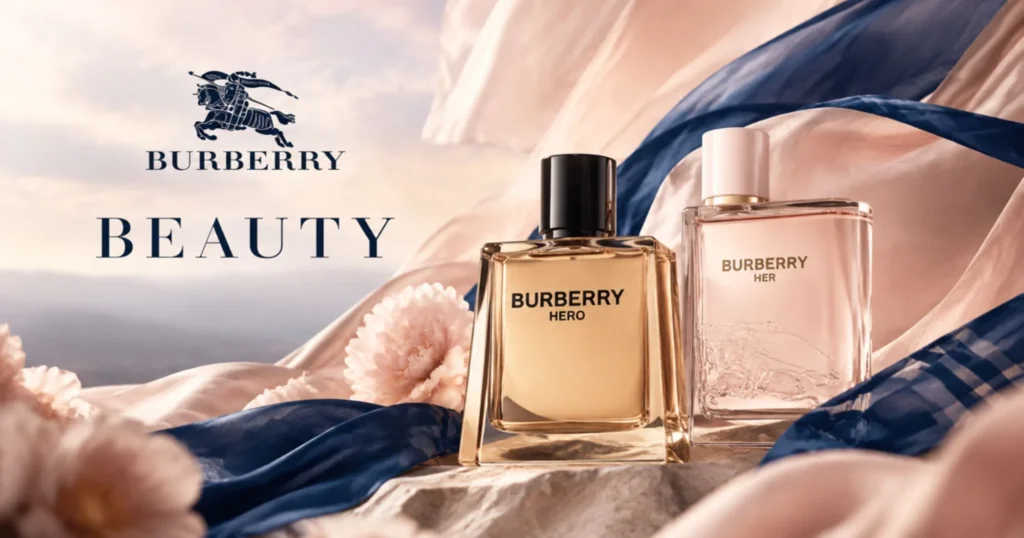
Heritage can become a weight if a brand does not move. Below, we look at how it was modernised and how it keeps balance.
From Classic British Style to Modern Luxury Fashion
Riccardo Tisci arrived in 2018 as chief creative officer and pushed a bolder, more street-inspired look. Daniel Lee took over in 2022 and relaunched the identity in 2023 with a return to archive ideas. Each change shows how Burberry fashion adjusts to taste while keeping a recognisable core of coats, checks, and British references.
Balancing TB Heritage With Changing Fashion Trends
Balance has not always been easy. In July 2024, the company announced a profit warning and appointed Joshua Schulman as its new chief executive. By November, Burberry had launched a cost-cutting plan that refocused on outerwear and trench coats. Earlier, in 2018, the company stopped burning unsold goods and ended its use of real fur. TB later pledged to become climate positive by 2040 and partnered with Vestiaire Collective on a resale scheme in 2023. These changes also reflect the wider move toward sustainable fashion across the industry.
How TB Built a Modern Product and Beauty Range
Today the range reaches well past coats. These last two parts cover everyday clothing and the fragrances.
TB T-Shirts, Polo Shirts, and Contemporary Clothing
A Burberry t-shirt or polo shirt is one of the simplest ways into the brand, often carrying a small knight or check detail instead of a large logo. These versatile pieces can also work well in smart casual dressing. The label also makes Burberry baby clothing, which extends the check into kidswear.
Burberry Her Perfume and Burberry Hero Eau de Parfum
Burberry perfume brought its fragrance and beauty licences back in-house during the mid-2000s. The company launched Mr Burberry in 2016, adding a new fragrance to its growing collection. Today, Burberry Her perfume and Burberry Hero Eau de Parfum rank among its best-known scents. Both fragrances capture the brand’s British character in their own way.
The Bottom Line
From a Hampshire shop to a London-headquartered house with hundreds of stores, the history of TB comes down to one idea: build clothes that solve a problem, then protect the identity around them. Gabardine, the trench coat, the check, and the knight are all part of that identity. TB has also learned that a heritage brand must keep moving, and that is why it still matters in a fashion world shaped by changing fashion aesthetics.
FAQs
When was Burberry founded?
The company was founded in 1856 by Thomas Burberry in Basingstoke, England.
Who founded Burberry?
Thomas Burberry, a 21-year-old former draper’s apprentice, founded the company.
Where did Burberry start?
It started with a store in Basingstoke, Hampshire, and opened a London shop in the Haymarket in 1891.
What is Burberry known for?
It is known for gabardine, the trench coat, the check pattern and British outerwear.
What is the history of the Burberry trench coat?
The coat was adapted for British officers in the First World War, then became popular with civilians afterward.
What does the Burberry logo represent?
The Equestrian Knight stands for protection and honour, and the word “Prorsum” means “forward”.
When did Burberry introduce its check pattern?
The check has been used since at least the 1920s, first mainly as a lining in trench coats.
Is Burberry a British luxury fashion brand?
Yes. It is a British luxury fashion house headquartered in London and listed on the London Stock Exchange.
What products does TB sell?
It sells ready-to-wear, trench coats, handbags, leather accessories, footwear and fragrance.
Why is Burberry important to British fashion?
It links practical British outerwear, strong heritage symbols and global luxury in one name.
The company was founded in 1856 by Thomas Burberry in Basingstoke, England.
Thomas Burberry, a 21-year-old former draper’s apprentice, founded the company.
It started with a store in Basingstoke, Hampshire, and opened a London shop in the Haymarket in 1891.
It is known for gabardine, the trench coat, the check pattern and British outerwear.
The coat was adapted for British officers in the First World War, then became popular with civilians afterward.
The Equestrian Knight stands for protection and honour, and the word “Prorsum” means “forward”.
The check has been used since at least the 1920s, first mainly as a lining in trench coats.
Yes. It is a British luxury fashion house headquartered in London and listed on the London Stock Exchange.
It sells ready-to-wear, trench coats, handbags, leather accessories, footwear and fragrance.
It links practical British outerwear, strong heritage symbols and global luxury in one name.
Tags:

Chirag Pariyani
AI Engineer, NineE
Chirag is part of the engineering team at NineE, working on the technology that powers the product —...
Read More
Get Latest Fashion Insights, Before Everyone Else.