Create Your Agent

Updated on Nov 22, 2026
Birkenstock: The Evolution of Comfort-Driven Footwear
Brand StoriesAakash Jethwani15 Mins reading time
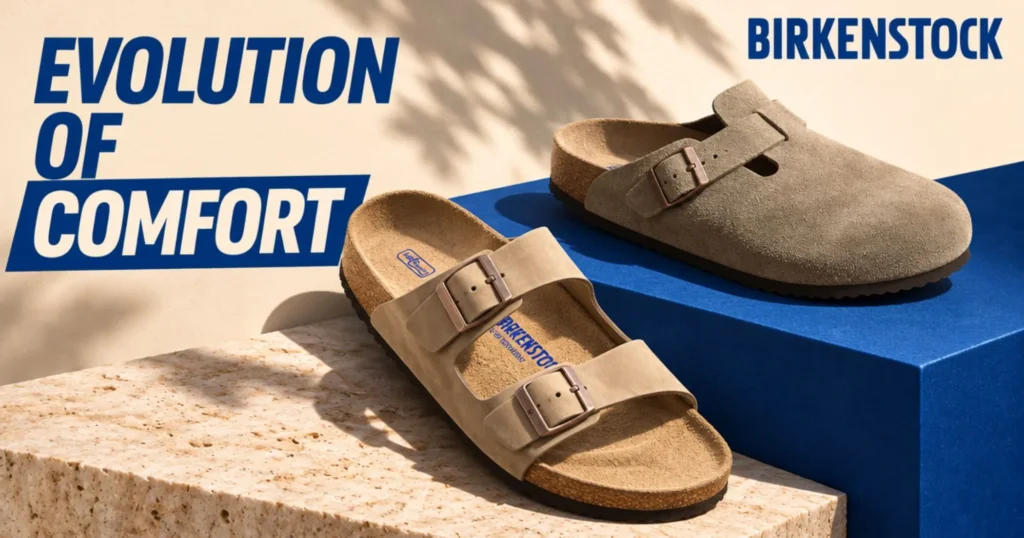
Birkenstock began as a small German shoemaking family with a big idea about feet. Today, its sandals sit in closets around the world. How did that happen? The answer lies in one simple part: the cork footbed. It is shaped like a real foot. Because of that, it feels different from a flat sole shoe. In this blog, you will see how the idea started. You will also learn how it grew into a fashion favourite.
TL;DR
- The family has made shoes since 1774, and it grew from a small German workshop.
- The cork footbed is the signature idea, with a deep heel cup and arch support.
- Comfort and practical design came first, and style followed later.
- The Arizona and the Boston clog became the most famous designs.
- Fashion fans, designers, and film moments turned practical sandals into style icons.
How Birkenstock Began Its Journey in Germany
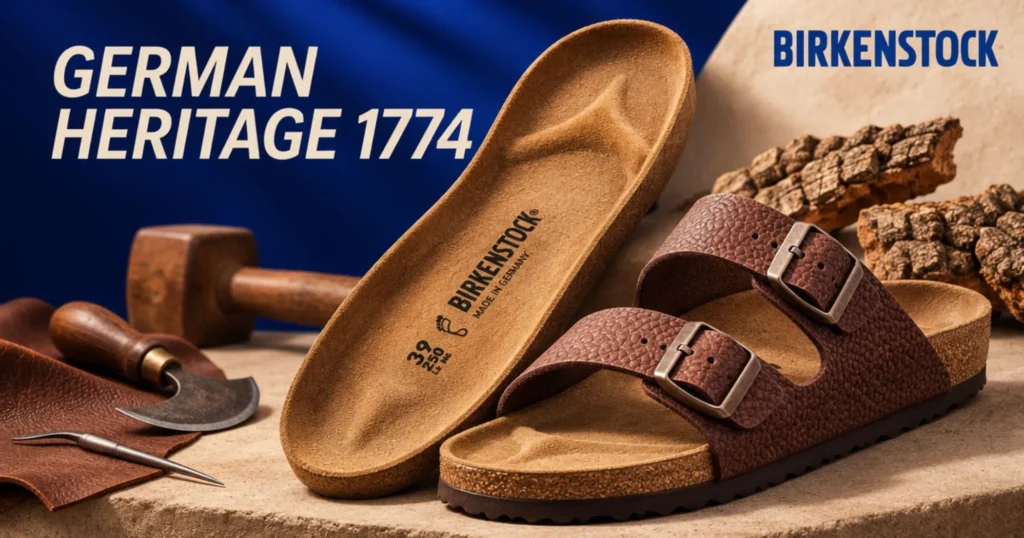
How Johann Adam Birkenstock Started the Family Shoemaking Tradition
The story starts in 1774. That year, Johann Adam Birkenstock was recorded as a cobbler in Langen-Bergheim, a village in Hesse. Back then, shoes were made by hand. Each pair took time and skill. This family trade passed from one generation to the next. So, long before the brand had a logo, it had a craft.
How Konrad Birkenstock Developed the Footbed Concept
Konrad Birkenstock moved the family business forward. In 1896, he opened an orthopaedic workshop in Frankfurt. A year later, he founded his own company. Konrad noticed that flat shoes ignored the shape of the foot. As a result, he began making flexible, contoured insoles. By 1902, he had refined these insoles further. In 1914, they were recognised as orthopaedic remedies. Then, in 1925, he registered the word “Fussbett,” which means footbed, as a trademark. You can learn more about the design and structure of the Birkenstock footbed and how it supports the natural shape of the foot.
How the Family Business Grew Through Generations
Soon, demand spread beyond Germany. During the 1920s, insoles were supplied to many European countries. These included Austria, France, Italy, Sweden, and Switzerland. Next, Konrad’s son Carl co-founded a new company in 1929. It started small, with 13 employees by 1939. Later, Carl’s son Karl joined in 1954. That choice would change the family story forever.
How Birkenstock Developed Its Famous Cork Footbed
How the Brand Introduced Footwear Designed Around Foot Anatomy
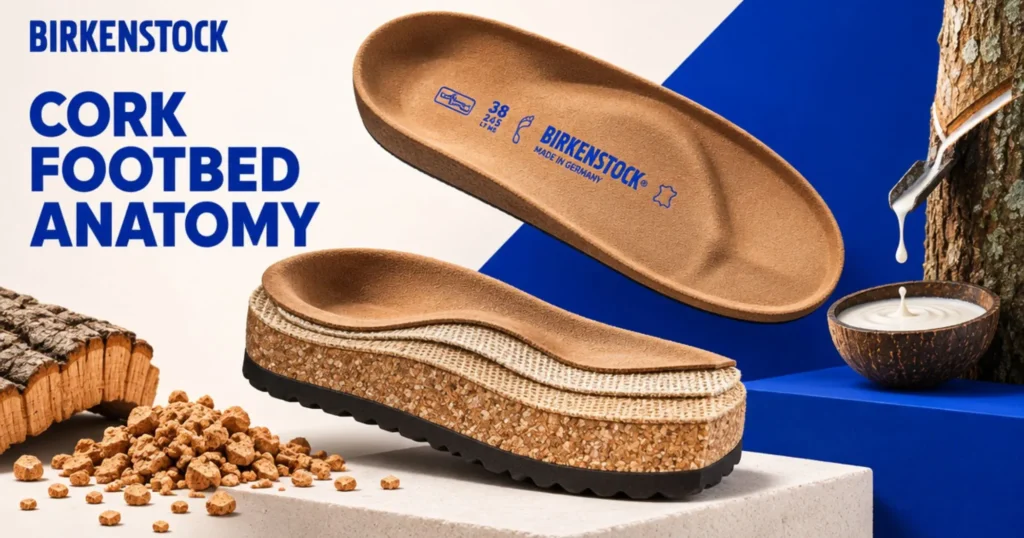
Most shoes of that time were built around a standard shape. Birkenstock chose a different path. It built the sole around the foot instead. In 1962, Karl created a standard, anatomically shaped insole. It was also fixed permanently inside the shoe. This was a big step. It meant the footbed could be made in large numbers. Before that, such soles were mostly custom work.
How Cork and Latex Became Key Footbed Materials
The material choice mattered just as much. Cork is light and firm. It also warms to the body and holds its shape. Latex adds a bit of spring. Together, they form the heart of the Birkenstock footbed. Under it sits a shock-absorbing sole. Jute, a natural fibre, adds strength between the layers. On top, a soft suede lining touches your skin. Some styles also offer a soft footbed with a foam layer for extra cushion.
Natural materials such as cork, jute, and suede also highlight the role material selection plays in product design. Different sustainable fabrics and materials offer insights into how material choices can influence durability, comfort, and environmental impact.
How the Deep Heel Cup and Arch Support Work
The deep heel cup holds your heel in place. This keeps your foot steady with each step. Meanwhile, the arch support lifts the middle of your foot. Small raised areas also support the toes. In other words, weight spreads across the whole foot. Many shoppers call this the most comfortable shoe feel they have tried. Of course, comfort is personal. Still, the design logic is clear.
How the Footbed Adapts to the Shape of Your Feet
Cork responds to heat and pressure. Over time, it slowly moulds to your foot. Your toes leave soft prints. Your heel settles deeper. So, each pair becomes a little more personal. This is why long-time owners often say their pair feels custom. The footbed learns your shape as you walk.
What Makes Birkenstock Cork Footbeds Different
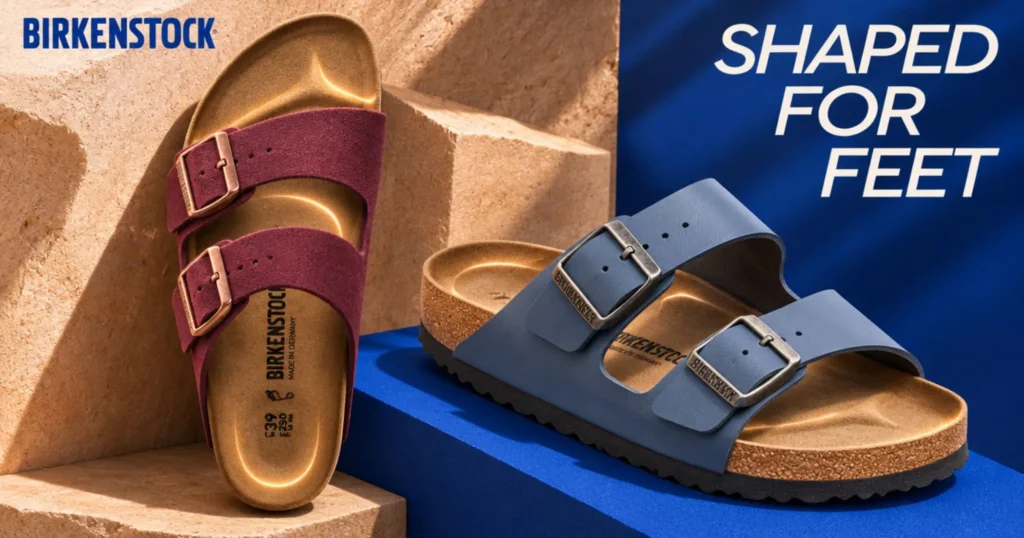
How Cork and Latex Create a Supportive Base
First, the base is firm but not hard. Cork gives structure. Latex softens each step. Because of this mix, the footbed supports without feeling stiff. Also, it stays light. That is why many people choose these as lightweight sandals for long days. In addition, the natural materials breathe better than many plastic soles.
The use of natural materials also connects with the wider conversation around sustainable fashion, where material choices, product durability, and environmental impact are important considerations.
How the Footbed Supports Natural Foot Movement
Flat shoes can push the foot into one position. A contoured footbed does the opposite. It gives space for toes to spread. It also helps the heel stay centred. As a result, the foot moves in a more natural way. Open designs add to this freedom. Air flows around the foot, so it stays cooler in warm weather.
How Adjustable Straps Help Improve Fit
No two feet are the same. Therefore, adjustable strap sandals matter. The straps use metal buckles. You can loosen them for wide feet. You can tighten them for slim feet. Also, you can change the fit through the day. Feet often swell in the heat. A quick buckle tweak solves that.
Why the Footbed Needs Time to Break In
New cork is firm. At first, it may feel hard under the arch. That is normal. The footbed needs time to soften and mould. Most owners wear a new pair for short spans first. Then they slowly add more hours. After a few weeks, the fit usually feels natural. Patience pays off here.
How Birkenstock Created Its Most Recognisable Sandal Designs
How the Madrid Became One of Its Signature Sandals
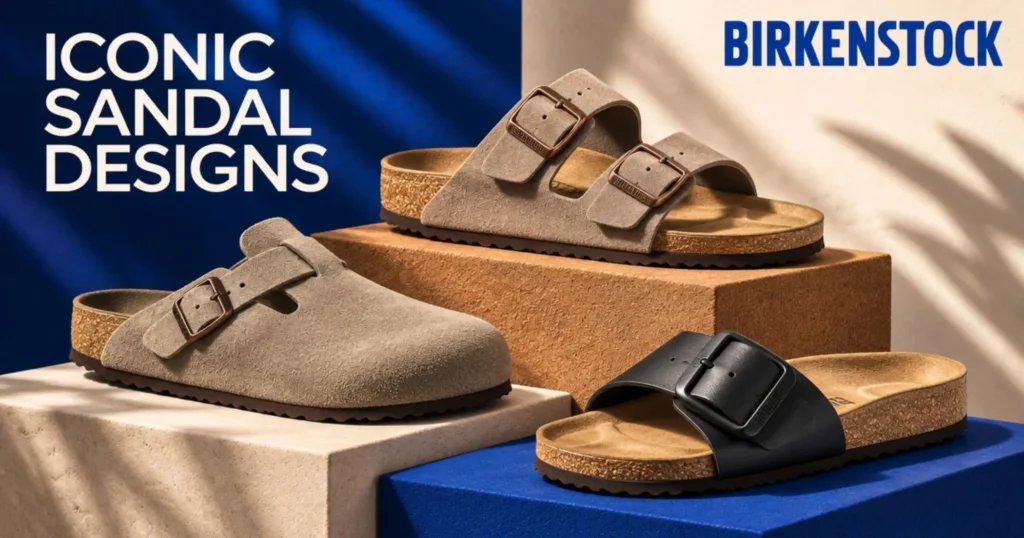
In 1963, Karl launched the first Birkenstock footbed sandal. It was a bold idea. However, the launch was not an instant hit. At first, sales came mostly through the medical sector. The sandals later took the name Madrid in 1979. Its simple two-strap look is where the story of casual sandals for men and women truly began. It stayed true to the footbed.
How the Arizona Became a Global Favourite
The Arizona arrived in 1973. It has two adjustable straps and a classic cork sole. Today, it is the company’s most popular model. Its charm is simple. It is easy to slip on. It also fits many feet. People wear it with shorts, dresses, and even socks. The Birkenstock Arizona taupe, in suede, is a loved neutral shade.
How the Boston Clog Expanded Its Footwear Range
Next came the Boston clog in 1976. It was the first cork clog from the brand. Unlike sandals, it covers the toes. So, it works in cooler weather. It also suits quick errands. The closed shape added a new option for those who wanted the footbed without open sides. Since then, the Birkenstock Boston has become a fan favourite.
How the Big Buckle Collection Added a Fashion Element
The Big Buckle styles bring a fresh look. They keep the same footbed. However, they use an oversized buckle as a bold detail. The Madrid Big Buckle is a popular example. This shows how the brand plays with style while protecting comfort. The base remains the same. Only the look changes.
How Birkenstock Expanded Its Footwear Collection
How Birkenstock Developed Sandals for Men and Women
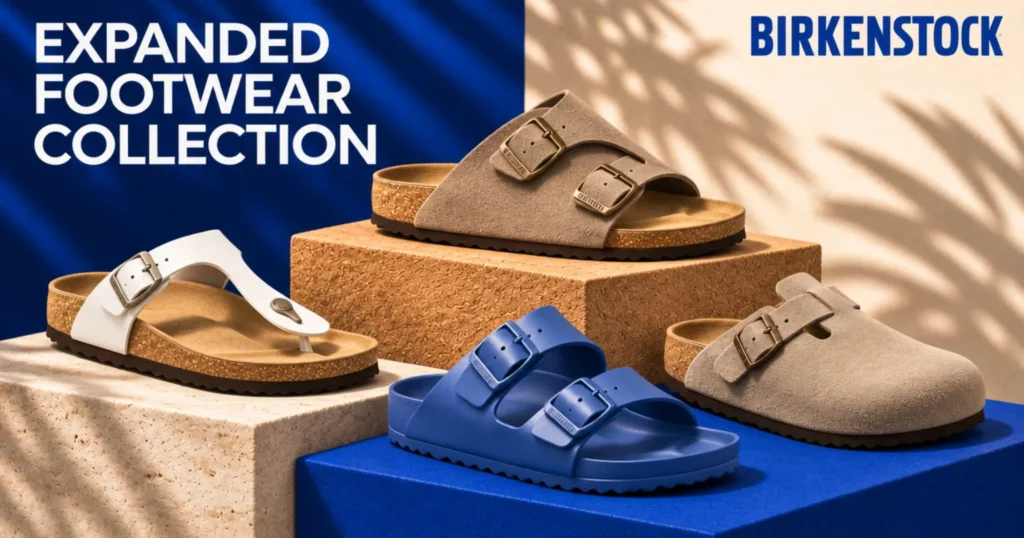
Over the years, the range kept growing. Zürich arrived in 1964. The Roma followed in 1965. Later, in 1983, the thong-style Gizeh joined the line. These shapes gave shoppers more choice. Men’s Birkenstock styles often use broader straps and bold colours. Birkenstock sandals for women often add softer tones and slimmer fits. Notably, in 2023, women made up 72% of its customers.
How Leather and Other Materials Expanded Its Designs
Leather became a core material. Leather sandals feel sturdy and age well. Suede offers a softer touch. Oiled leather resists daily wear. Meanwhile, Birko-Flor, a synthetic option, gives a smooth finish for those who prefer it. In 2015, the brand launched a waterproof EVA shoe. It is light and easy to rinse. So, it suits beaches and pools.
How Colours Like Taupe and White Reached New Customers
Colour widened the audience. Earth tones such as taupe feel calm and neutral. Also, white Birkenstocks look clean and modern. They match summer outfits well. At the same time, bright shades give young buyers a playful choice. In short, colour turned a practical sandal into a style choice.
These colour choices also show how shades can shape an overall wardrobe. Exploring capsule wardrobe colors can help you understand how neutral tones and brighter shades work together to create versatile outfits.
How the Brand Expanded Beyond Traditional Cork Sandals
The brand did not stop at sandals. In time, it added clogs, closed shoes, and EVA styles. It also launched a foot care line in 2024. All of this follows one idea. Support the foot first. Then, let style grow around it.
How Birkenstock Moved From Practical Footwear to Fashion
How Comfort Sandals Entered Mainstream Fashion
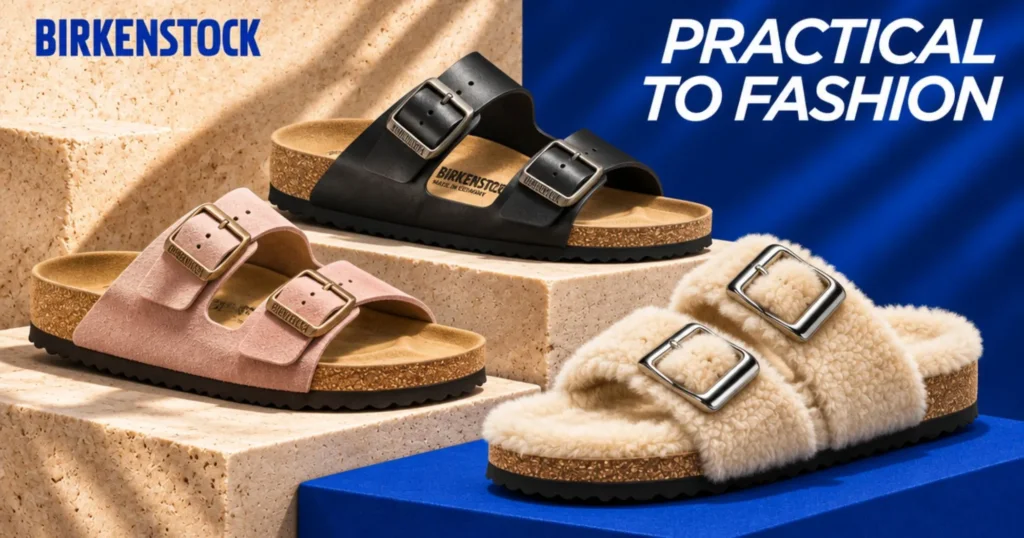
The path to fashion was not quick. In the United States, Margot Fraser, a German-American dressmaker, played a key role. She found relief in these sandals after a trip to Germany. Then she brought them to America. At first, they were sold in health stores. In the 1970s, they became linked with hippie culture. Later, in 1986, Nordstrom became the first department store to stock them. After that, they reached far more shoppers. The United States is now the brand’s largest market. It accounts for more than half of sales.
The growing appeal of classic footwear also reflects the lasting influence of timeless dressing. The old money aesthetic highlights understated styling, neutral colours, and pieces that remain relevant beyond seasonal trends.
How Celebrities and Fashion Communities Increased Brand Visibility
Famous faces helped too. In the 1990s, Kate Moss wore the sandals in a fashion shoot. That moment moved them closer to the runway. Then, in 2023, the Arizona appeared in the film Barbie. In one scene, Barbie must choose between a stiletto and a Birkenstock. Clearly, the sandal had become a pop culture symbol. Social media added more fuel. Fans shared outfits and styling tips daily.
These celebrity moments and styling trends also reflect how footwear can become part of a wider fashion identity. The most popular fashion aesthetics offer a closer look at the different styles and influences that shape how people dress.
How Designers and Collaborations Reached New Audiences
Designer partnerships raised the buzz. In 2003, the brand worked with Heidi Klum. In 2012, Céline showed fur-lined versions on a Paris runway. These were nicknamed “Furkenstocks.” Later, in 2019, Valentino joined in. The premium 1774 line also began that year. After that, Rick Owens, Dior, Manolo Blahnik, and Stüssy added their own spins. Each partnership brought a new crowd. Yet the footbed stayed the same.
How Birkenstock Built a Global Footwear Brand
How the Family Business Reached International Markets
Growth was steady. In 1970, the company had just 57 employees. After German reunification in 1990, production expanded into the new German states. In 2013, the many group companies were merged. A new leader, Oliver Reichert, was hired. Then, in 2021, L. Catterton and Financière Agache bought a majority stake. The deal valued the brand at about €4 billion. On 11 October 2023, it was listed on the New York Stock Exchange. The listing raised $1.48 billion at an $8.64 billion valuation. In 2024, revenue reached €1.80 billion.
How Manufacturing and Craftsmanship Shaped Its Identity
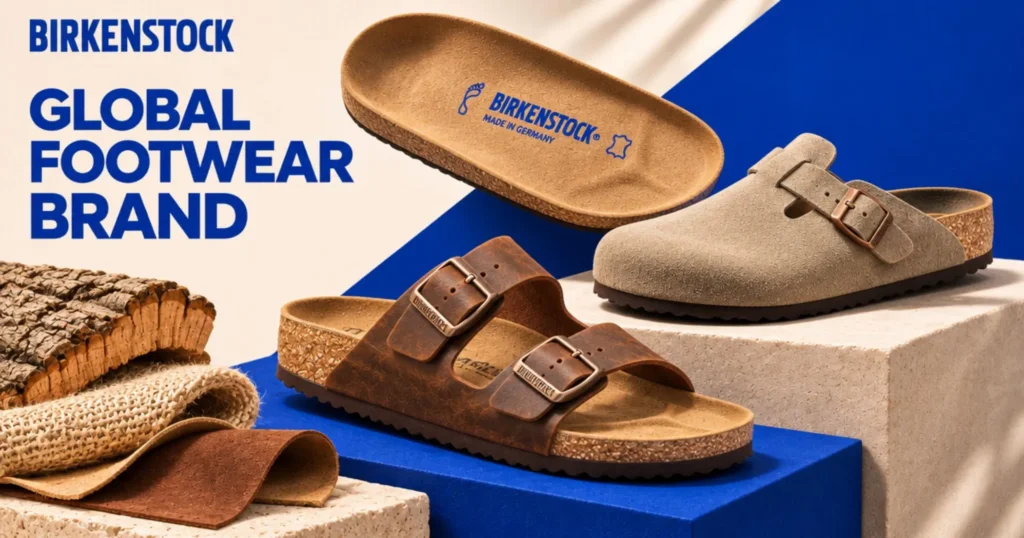
Craft stayed at the core. Footbeds follow a layered build with cork, jute, and suede. Natural materials such as cork and jute also highlight the growing interest in plant-based alternatives. Hemp fabric is another example of how natural fibres are being explored for more sustainable clothing and textile production.
This process takes care and skill. Because of that, the brand stays close to its roots in Germany. It also keeps a clear look. A Birkenstock is easy to spot. The shape, the buckle, and the cork edge all tell the story. In 2018, PETA also honoured the brand as the most animal-friendly shoe company.
How the Brand Balanced Heritage With Modern Design
Still, the brand avoids standing still. It keeps classic shapes. At the same time, it tests new colours, materials, and collaborations. This balance protects trust. Old fans get what they love. New fans get fresh choices. That is why it feels both old and new. It respects the past while looking ahead.
This balance between classic designs and changing trends also reflects how fashion style and fashion aesthetic differ while influencing the way people express their personal style.
The Bottom Line
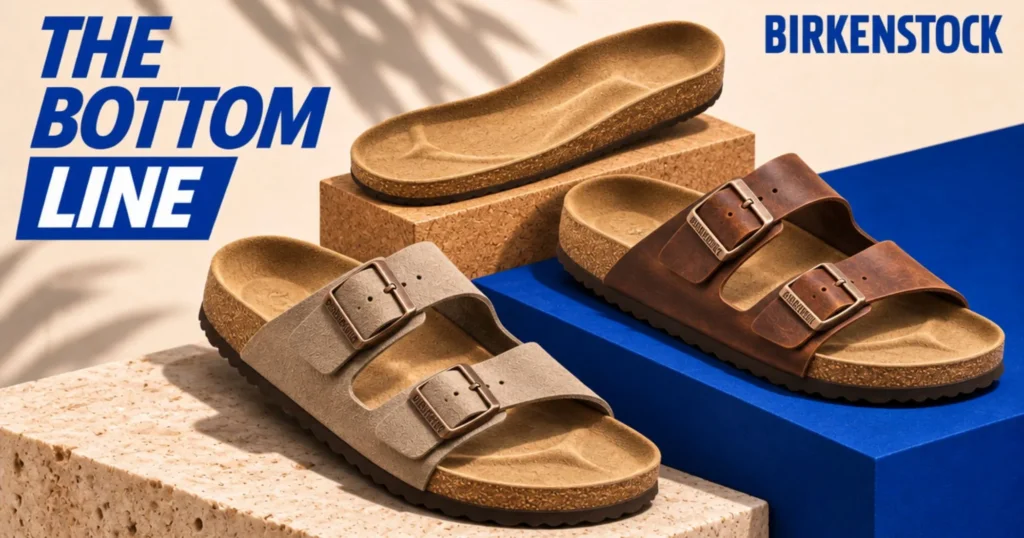
Birkenstock grew from one practical idea. Shape the sole around the foot. From Johann Adam’s workshop to Konrad’s insoles, and from Karl’s mass-made footbed to Birkenstock global stores, that idea never changed. Comfort led the way. Style followed. Today, the cork footbed is a symbol of the brand. If you plan to buy a pair, start with the fit. Check the straps, the heel cup, and the arch. Then give the cork time to settle in.
FAQs
When was Birkenstock founded?
The family’s shoemaking roots go back to 1774. That year, Johann Adam Birkenstock was recorded as a cobbler in Hesse, Germany. Konrad founded his own company in 1897.
Who started Birkenstock?
Johann Adam Birkenstock began the family tradition in 1774. Later, Konrad Birkenstock developed the footbed idea. Karl Birkenstock then launched the first footbed sandal in 1963.
What makes Birkenstock cork footbeds special?
They are shaped like a real foot. They use cork and latex, with jute and a suede lining. The mix gives support, lightweight comfort, and a custom feel over time.
How does the Birkenstock footbed support your feet?
The deep heel cup holds the heel. The arch support lifts the middle of the foot. Raised areas also support the toes. Together, they spread weight evenly.
Why do Birkenstock sandals need a break-in period?
New cork is firm. It needs time to warm up and mould to your foot. Wear them for short spans first. Then add more time each day.
What is the difference between Birkenstock Arizona and Boston?
The Arizona is an open sandal with two straps. It launched in 1973. The Boston is a clog that covers the toes. It launched in 1976.
Are Birkenstock sandals suitable for everyday wear?
Yes, many people wear them daily. They are light, supportive, and easy to slip on. Closed styles like the Boston also work in cooler weather.
What is the Birkenstock Big Buckle collection?
It is a range that keeps the classic footbed. However, it adds an oversized buckle as a style feature. The Madrid Big Buckle is one popular example.
Are Birkenstock sandals available for men and women?
Yes, there are styles for both. Sizes, colours and widths vary. Many designs also come in narrow and regular fits.
The family’s shoemaking roots go back to 1774. That year, Johann Adam Birkenstock was recorded as a cobbler in Hesse, Germany. Konrad founded his own company in 1897.
Johann Adam Birkenstock began the family tradition in 1774. Later, Konrad Birkenstock developed the footbed idea. Karl Birkenstock then launched the first footbed sandal in 1963.
They are shaped like a real foot. They use cork and latex, with jute and a suede lining. The mix gives support, lightweight comfort, and a custom feel over time.
The deep heel cup holds the heel. The arch support lifts the middle of the foot. Raised areas also support the toes. Together, they spread weight evenly.
New cork is firm. It needs time to warm up and mould to your foot. Wear them for short spans first. Then add more time each day.
The Arizona is an open sandal with two straps. It launched in 1973. The Boston is a clog that covers the toes. It launched in 1976.
Yes, many people wear them daily. They are light, supportive, and easy to slip on. Closed styles like the Boston also work in cooler weather.
It is a range that keeps the classic footbed. However, it adds an oversized buckle as a style feature. The Madrid Big Buckle is one popular example.
Yes, there are styles for both. Sizes, colours, and widths vary. Many designs also come in narrow and regular fits.
Tags:

Aakash Jethwani
Founder & CEO at NineE AI
Aakash Jethwani is the Founder & CEO of NineE AI, a Fashion Exploration Engine built to help peo...
Read More
Get Latest Fashion Insights, Before Everyone Else.