Create Your Agent

Updated on Nov 19, 2026
Samsonite: How an American Luggage Brand Became a Global Travel Icon
Brand StoriesSmit Rangras13 Mins reading time
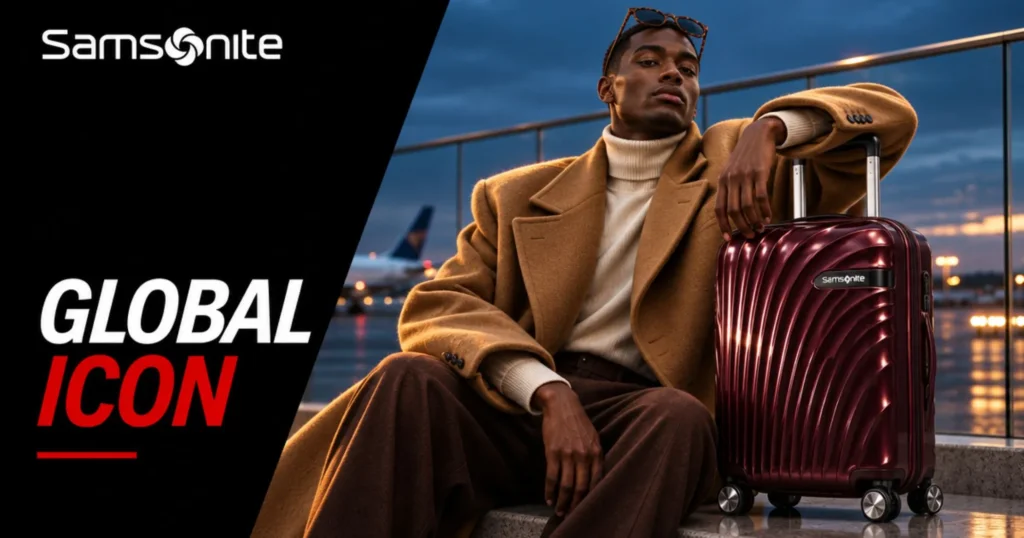
Samsonite began in 1910 as a small trunk maker in Denver, Colorado. Founder Jesse Shwayder wanted travel gear that would not break. Over time, new materials and clever ideas made that gear lighter and smarter. Today, millions of travelers know the name. This guide shows how strength, testing, and design built a global luggage leader. This focus on durability also connects with the idea of slow fashion, which values quality products designed to last rather than frequent replacement.
TL;DR
- Jesse Shwayder founded the company in Denver in 1910, starting with a sturdy wooden trunk.
- Wheels, hard shells, and four-wheel spinners changed how people move through airports.
- Today, the brand sells suitcases, backpacks, bags, and accessories across the world.
- New materials, from paper-clad cases to polypropylene shells, kept bags strong yet lighter.
- Recycled materials now play a growing role in its newer ranges.
How Samsonite Began Its Journey in the Luggage Industry

Every big brand has a humble start. This one began with one man, one trunk, and a simple promise.
How Jesse Shwayder Founded Samsonite in 1910
Jesse Shwayder started the business in Denver in 1910. He worked alongside his brothers, so the firm was a family effort. At first, they made simple wooden trunks. Yet Shwayder improved the basic design. He added metal studs and corner pieces to protect the edges. As a result, the trunk handled rough trips far better. That early focus on strength stayed with the company for decades.
How the Brand Built Its Early Reputation for Strong Luggage
Travel was once a luxury for few people. Therefore, good gear mattered even more. The first Samson trunk earned praise for being tough. Soon, word spread among travelers who wanted bags that lasted. In addition, the brand kept testing new ideas. Each step aimed to make luggage stronger and easier to carry. Because of this, trust grew year after year.
How Samsonite Grew Alongside Changing Travel Habits
Travel changed as the decades passed. Trains gave way to planes, and trips grew more frequent. Meanwhile, shoppers wanted lighter briefcases for airports and hotels. So, the company updated its designs again and again. For instance, the 1941 Streamlite used light paper cladding with a “rawhide” look. It also had a tapered shape. Later cases followed the same path toward less weight and more comfort.
As travel habits continue to evolve, clothing choices have changed too. Building a wardrobe with versatile pieces can make packing simpler for different types of trips. Explore these capsule wardrobe essentials to create a practical collection of mix-and-match outfits.
How Samsonite Changed the Way People Travel
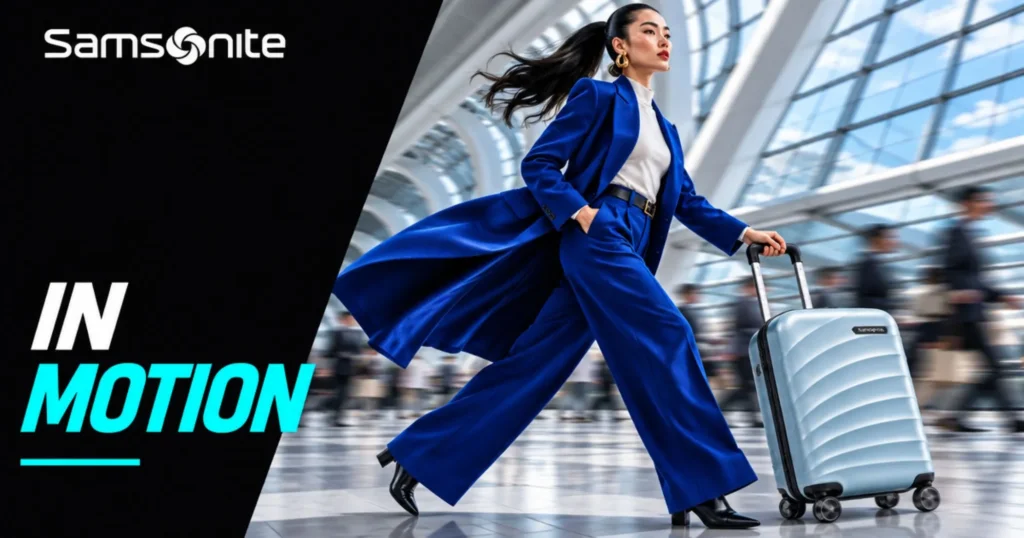
New ideas kept arriving. Three of them changed luggage for good: new materials, lighter weight, and hard shells.
How Samsonite Introduced New Materials and Luggage Designs
Material choices shaped the brand’s story. In 1958, the Silhouette arrived with a modern shape and recessed hardware. That hardware resisted scrapes and wear. Next, the 1963 attaché case used ABS plastic for a new generation of business travelers. Then, in 1969, the Saturn became its first polypropylene suitcase, with injection-moulded shells. Each material made cases tougher and easier to mass produce.
Just as material choices affect the strength and durability of luggage, fabric selection plays an important role in clothing. Different fabrics offer varying levels of comfort, breathability, and durability. Explore this guide to sustainable fabrics to understand how material choices shape everyday clothing.
How Lightweight Luggage Made Travel Easier
Heavy bags tire people out. So, designers kept cutting weight. Polypropylene shells made Samsonite lightweight luggage possible. Later, aluminum and newer blends joined the mix. The Cosmolite of 2008 is described by the brand as its lightest and strongest case yet. It also won a Red Dot Award. Because of this, travelers could pack more and still stay under airline weight limits.
How Hard-Shell Suitcases Became Part of Its Product Range
Hard shells protect clothes from bumps and rain. Many travelers love Samsonite hard-shell luggage for that extra safety. The Samsonite Oyster of 1986 added a three-point locking system. Per the brand, about 140,000 sold in its first year, a record for the time. Later, the 1994 Ziplite mixed hardside strength with a zipper closure. That design offered more flexibility. As a result, shoppers could pick the style that fit their trips.
How Samsonite Built Its Reputation for Durable Luggage
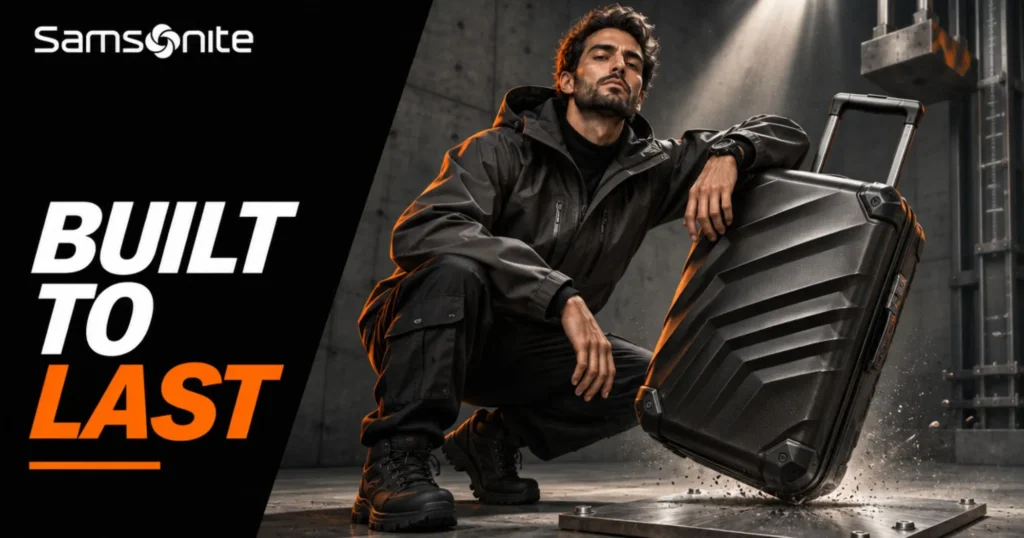
Strength is the heart of this brand. Here is how it earns that reputation.
What Makes Samsonite Suitcases Durable
So, what makes Samsonite suitcases durable? Several things work together. Samsonite luggage uses strong shells that resist cracks and dents. Reinforced corners guard the weakest spots. Secure locks protect what is inside. In addition, tested zips and handles survive many trips. The brand also backs many products with a worry-free warranty. That promise tells buyers it trusts its own work.
How Design and Materials Support Long-Term Use
Good design prevents small problems from growing. Recessed hardware, for example, keeps parts from snagging. Smooth wheels also reduce strain on the frame. Newer ranges use special shell materials. The Proxis line from 2020 uses Roxkin, a multi-layer material the brand developed. Meanwhile, the EVOA range uses a suspension wheel system. It cuts noise and vibration. Together, these details make durable travel backpacks and bags that last.
How Samsonite Balanced Strength With Lightweight Construction
Strength and low weight often clash. Yet this brand found a middle path. Self-reinforced shells, thin walls, and smart ribbing help. Cosmolite 3.0 uses Curv technology for this goal. Therefore, cases stay light without feeling flimsy. Travelers benefit twice. They carry less weight, and they trust their bags in rough handling.
How Samsonite Expanded Its Travel Luggage Collection
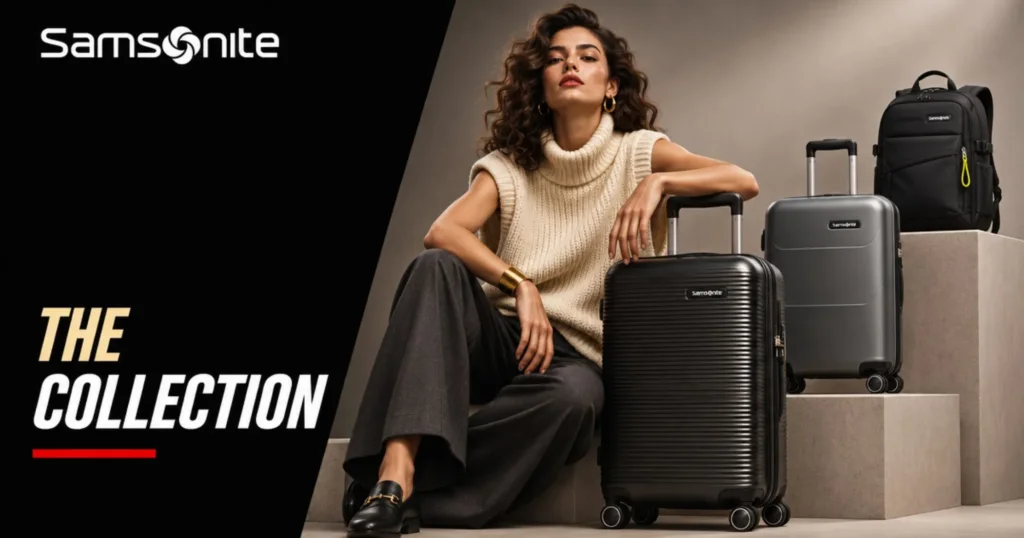
One bag cannot fit every trip. So, the range grew to cover many needs.
How Samsonite Developed Suitcases, Trolleys, and Luggage Sets
The core range is still suitcases. A Samsonite suitcase may be small, medium, or large. Meanwhile, a Samsonite luggage set gives matching sizes for family trips. For easy pulling, a Samsonite trolley adds wheels and a telescopic handle. In 1974, wheels were added to the Silhouette frame, which changed how people moved through stations. Today, matching sets look tidy and pack well together.
How Cabin Luggage and Spinner Suitcases Met Modern Travel Needs
Short trips need small bags. Samsonite cabin luggage fits overhead bins and saves baggage fees. In 2004, the four-wheel spinner arrived. Its wheels steer in any direction. Samsonite shock spinner luggage glides beside you, not behind you. Because of this, tight airport aisles feel easier. Many buyers see it as the best carry-on suitcase style for quick trips.
How Backpacks and Laptop Bags Expanded Its Range
Work and school need different bags. So, the brand added a Samsonite backpack for men and women for daily carry and light trips. A Samsonite laptop bag adds padded pockets for devices. Business travelers use them for flights and meetings. In addition, many have trolley sleeves that slide over a suitcase handle. As a result, one set of gear can cover a whole business trip.
How Samsonite Added Travel Bags and Accessories
Small items finish a trip. Samsonite bags now include duffle bags, totes, and cabin bags. For weekend breaks, Samsonite travel bags work well. Likewise, Samsonite travel accessories add organizers, locks, and tags. They keep documents and clothes in order. Also, a smart travel wardrobe becomes easy to pack. A travel capsule wardrobe with mix-and-match clothes helps travelers create multiple outfits while saving space in their luggage.
How Samsonite Became a Global Travel Luggage Brand
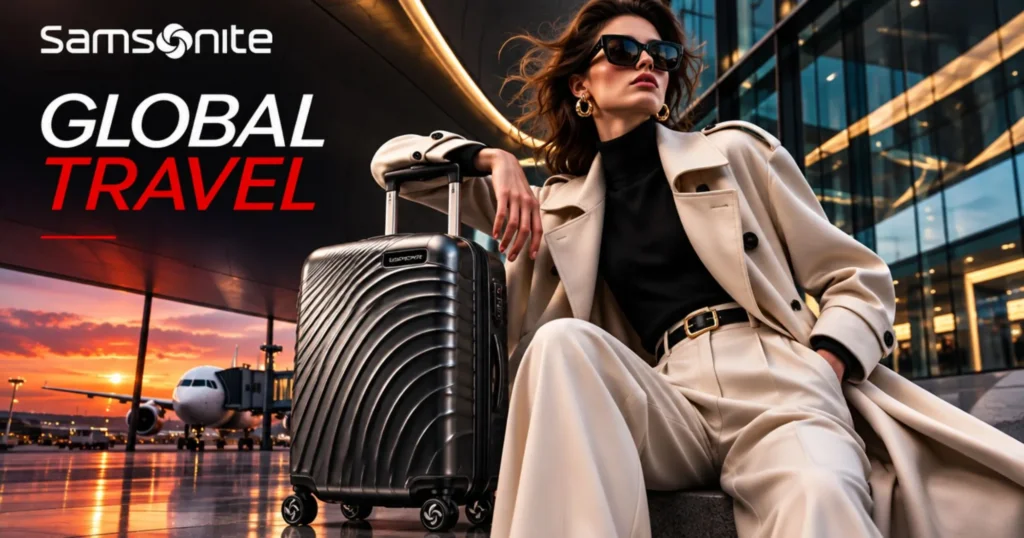
Growth spread far beyond Denver. Today, the name appears in airports around the world.
How Samsonite Expanded Into International Markets
The company grew from a local trunk maker into a global business. Its products now sell in many countries. The brand marked its 115th year in 2025. Along the way, it added sister brands such as American Tourister and High Sierra. Gregory and Tumi also sit in the wider family. Each one serves a slightly different traveler. Together, they broaden the company’s reach.
How Its Product Range Reached Different Types of Travelers
Travelers differ a lot. Families need big, tough cases. Business travelers want sleek and quiet wheels. Students want light backpacks. Meanwhile, frequent flyers care about durability. So, the range includes budget lines and premium Samsonite travel luggage. In 2005, collaborations with designers such as Alexander McQueen added fashion flair. Therefore, shoppers can find both style and strength.
How Retail Stores and Global Distribution Strengthened Its Presence
Shoppers like to touch a bag before they buy it. So, stores, department shops, and airports carry the range. Online shops add convenience and size guides. A global warranty also builds trust across borders. Consequently, a buyer in one country can feel safe buying in another. That reach helped the Samsonite luggage brand become a household name.
How Samsonite Adapted to Modern Travel Needs
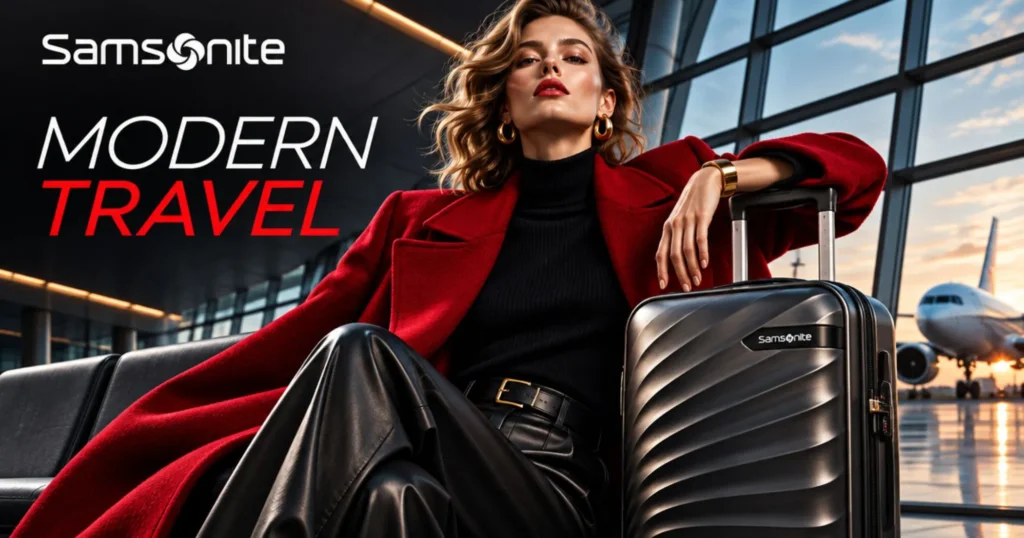
Travel keeps changing. Therefore, the products must change too.
How Samsonite Responded to Changing Traveler Preferences
Modern travelers want light, smart, and quiet bags. They also want easy-to-spot designs. So, the brand focused on lighter shells and smoother wheels. In 2017, the EVOA range used a minimalist look. Later, EVOA Z added a newer wheel system. Meanwhile, the New Streamlite revived a 1940s idea in modern form. Old and new ideas now live side by side.
How Functionality and Design Shaped Its Modern Suitcases
Function comes first, but looks matter. Clean lines and soft colors appeal to many buyers. Inside, dividers and compression straps keep clothes neat. Outside, hidden zips and sturdy handles add ease. As a result, modern cases feel calm and ready for use. Many travelers look for the best luggage for international travel. For them, wheels, locks, and warranty matter most.
How the Brand Developed Products for Business and Leisure Travel
Business trips need speed and order. Therefore, laptop backpacks and sleeves, trolley straps, and slim cases help. Leisure trips need space and comfort. So, larger spinners and soft duffles shine here. Some ranges suit both worlds. A well-built bag can go from office to beach. In short, one brand can serve many kinds of trips.
How Sustainability Became Part of Samsonite’s Brand Story
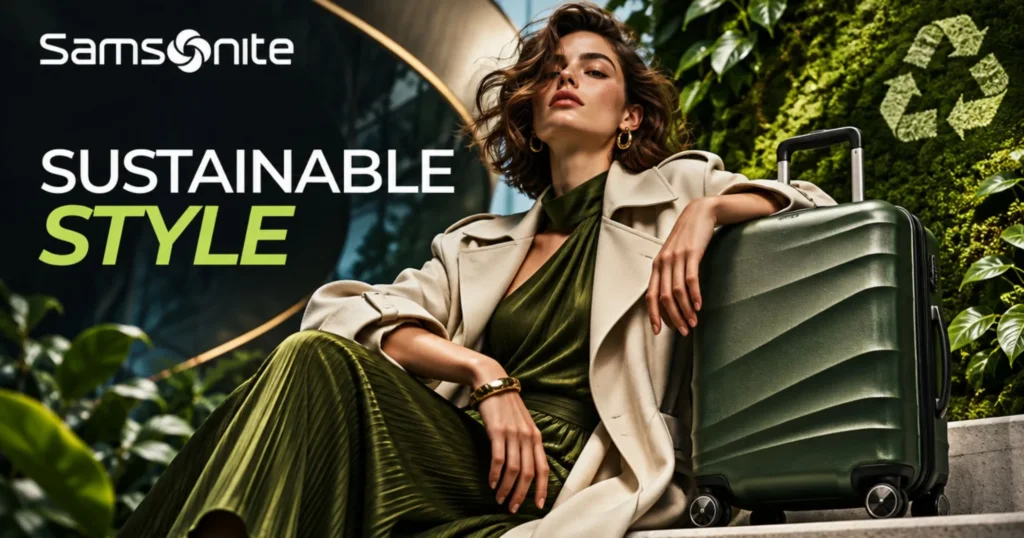
Travel gear can harm the planet. So, newer ranges aim to do better.
How Samsonite Approached More Sustainable Product Design
The brand now offers more sustainable luggage options. It links these efforts to long life. After all, a bag that lasts for years creates less waste. The company also publishes sustainability and supply-chain reports. These steps show a wish to improve over time. Even so, change takes patience in a big industry.
How Recycled Materials Became Part of Its Luggage Range
In 2018, the Eco Collection launched with 23 product lines. They used recycled polypropylene or Recyclex, a fabric made from post-consumer PET bottles. In 2019, the Magnum Eco range used recycled yoghurt cups for shells. Its lining used recycled bottles. Likewise, the S’Cure ECO case reused post-consumer plastic waste. These moves turned trash into travel gear.
Turning discarded materials into new products is one way to reduce waste. The same idea is explored in this guide to clothing donation vs. recycling, which looks at different ways to give used materials a second life.
How the Brand Connected Durability with Responsible Travel Products
Durability and sustainability work together. A strong bag lasts longer. Repairs also extend life. Therefore, fewer bags end up in landfills. Responsible choices cover shell materials, linings, and packaging. Over time, buyers gain a bag that serves many trips. That is a quiet but powerful form of care.
The Bottom Line
The story is simple. A trunk maker in Denver chose strength over shortcuts. Then he kept improving with wheels, hard shells, and spinners. Because of this, Samsonite grew into a trusted global luggage brand. Recycled materials now point to a greener future. Its lesson is clear. Build things that last, and travelers will keep coming back.
The idea of choosing products that last also applies to everyday clothing. These sustainable wardrobe essentials focus on building a practical collection with durable pieces that can be worn over time.
FAQs
When was Samsonite founded?
It was founded in 1910.
Who founded Samsonite?
Jesse Shwayder founded it. His brothers worked with him.
Where did Samsonite begin?
It began in Denver, Colorado. The first products were strong wooden trunks.
How did Samsonite become a global luggage brand?
Samsonite kept improving its designs and materials. Then it grew into many markets with a wide range.
What made Samsonite’s early luggage designs different?
The early trunks had metal studs and corner pieces. These made them tougher than most rivals.
When did Samsonite introduce its first wheeled suitcase?
It added wheels to the Silhouette frame in 1974. The four-wheel spinner followed in 2004.
What makes Samsonite suitcases durable?
Strong shells, reinforced corners and secure locks all help. Also, tested parts survive many trips.
What is the difference between Samsonite hard-shell and soft-side luggage?
Hard shells resist bumps and rain. In contrast, soft-side bags stretch and fit tight spaces.
Does Samsonite make backpacks and laptop bags?
Yes, it does. They include padded pockets and trolley sleeves.
How does Samsonite use recycled materials in its luggage?
Some ranges use recycled plastic and PET bottles. The Eco Collection started in 2018.
It was founded in 1910.
Jesse Shwayder founded it. His brothers worked with him.
It began in Denver, Colorado. The first products were strong wooden trunks.
Samsonite kept improving its designs and materials. Then it grew into many markets with a wide range.
The early trunks had metal studs and corner pieces. These made them tougher than most rivals.
It added wheels to the Silhouette frame in 1974. The four-wheel spinner followed in 2004.
Strong shells, reinforced corners and secure locks all help. Also, tested parts survive many trips.
Hard shells resist bumps and rain. In contrast, soft-side bags stretch and fit tight spaces.
Yes, it does. They include padded pockets and trolley sleeves.
Some ranges use recycled plastic and PET bottles. The Eco Collection started in 2018.
Tags:

Smit Rangras
Product Associate, NineE
Smit works on the product team at NineE, helping shape how the platform is built and how it serves t...
Read More
Get Latest Fashion Insights, Before Everyone Else.