Create Your Agent

Updated on Nov 22, 2026
New Balance: The Athletic Footwear Brand That Built a Lasting Legacy
Brand StoriesSmit Rangras13 Mins reading time
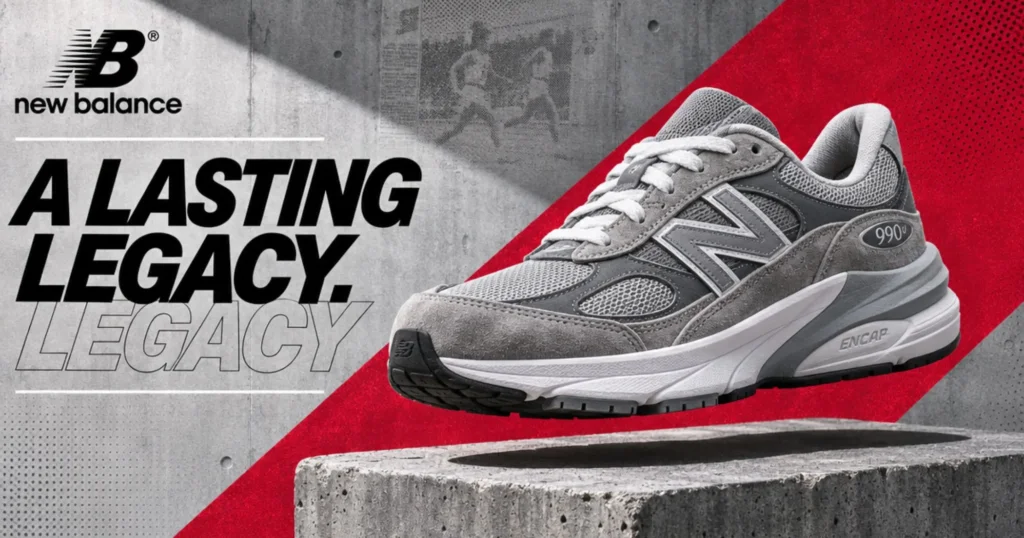
New Balance is one of the few big sneaker brands that began with foot health, not fashion. It started in 1906 as a small maker of arch supports. Today, people wear its shoes to run, train, and walk through the day. This guide explains how that change happened. Along the way, you will see how comfort, smart design, and a few iconic models built a lasting name.
TL;DR
- How a specialist footwear business began: A small arch support maker from 1906 grew into a shoemaker.
- How running shoes shaped its growth: Width choices and strong running models won loyal runners over time.
- How comfort became a brand strength: Width options and soft cushioning made the shoes easy to wear.
- How iconic sneakers reached mainstream fashion: Retro models like the 990 and 550 won over style fans.
- How New Balance balanced performance and lifestyle: The brand kept its athletic roots while serving everyday style.
How New Balance Started Its Journey
The Story Behind the Brand’s Foundation
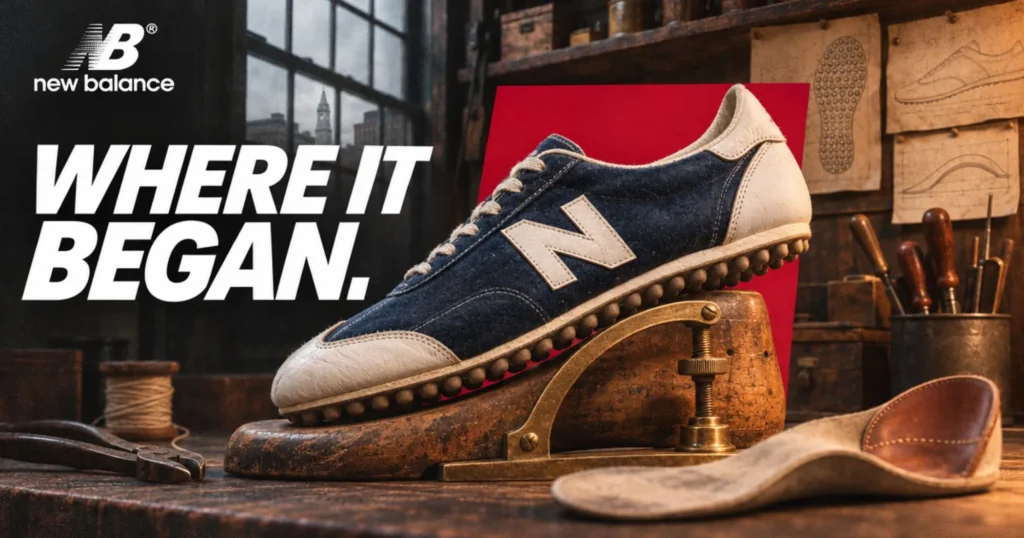
William J. Riley founded the company in 1906. Reportedly, the idea came from chickens. A chicken’s three-toed foot keeps it steady, and that inspired the name. At first, Riley sold arch supports under the name New Balance Arch Support Company. He showed them to police officers and waiters, who stood on their feet all day.
Therefore, the first customers were workers, not athletes. Riley wanted to ease foot pain and help people stand with better balance. That simple goal still shapes the brand today.
How Its Early Products Focused on Foot Support
For many years, the company stayed small. It made orthopedic and therapeutic shoes rather than sports shoes. These products aimed to support the arch and fix fit problems. Because of that, the team built deep skill in how feet move and where they need help.
That early focus mattered later. Athletic footwear is hard on the foot. Runners need support, space, and a steady fit. The company already knew how to deliver those things.
How the Brand Entered Athletic Footwear
The big shift came in the early 1960s. The company launched the Trackster, one of the first New Balance shoes sold in several widths. This was rare at the time, since most shoes came in one shape. Runners with narrow or wide feet finally had real choices.
Soon, college athletes and serious runners began to notice. Word spread through running clubs rather than big ads. As a result, the brand earned trust slowly and steadily.
How Running Shoes Built New Balance’s Reputation
How New Balance Developed Shoes for Runners
The turning point came in 1972. KR Crossing reports that the company then had six workers making about 30 pairs a day. It was worth around $100,000. That year, Jim Davis bought New Balance on Boston Marathon day. He believed in runners and treated them as partners, not just buyers.
Three years later, the 320 won Best Running Shoe from Runner’s World. Its ads used everyday runners instead of famous stars. This made the brand feel honest and close to real people.
In 1982, the company launched the 990. Davis wanted the best running shoe possible. It cost far more than rivals. Even so, Highsnobiety reported that it sold about ten times the 5,000 pairs executives expected.
How Technical Design Improved Comfort and Support
The brand then focused on tech that cushions and steadies the foot. ENCAP, ABZORB, and FuelCell are three well-known examples. Each aims to soften landings or return energy. Meanwhile, designers kept testing shapes, soles, and uppers with feedback from runners.
These efforts built New Balance running shoes into a trusted choice for training. Many people want technical running shoes that feel steady over long miles. That focus also suits anyone who wants performance running shoes for daily runs.
How Fresh Foam Changed Its Running Shoe Range
Fresh Foam changed the range in the 2010s. The foam traces back to 2013, when the company tested it in prototype track spikes. It starts as a light, EVA-based material. Designers then shape it with software into a 3D pattern. Some zones are firmer, while others are more open. As a result, each part of the sole handles impact in its own way.
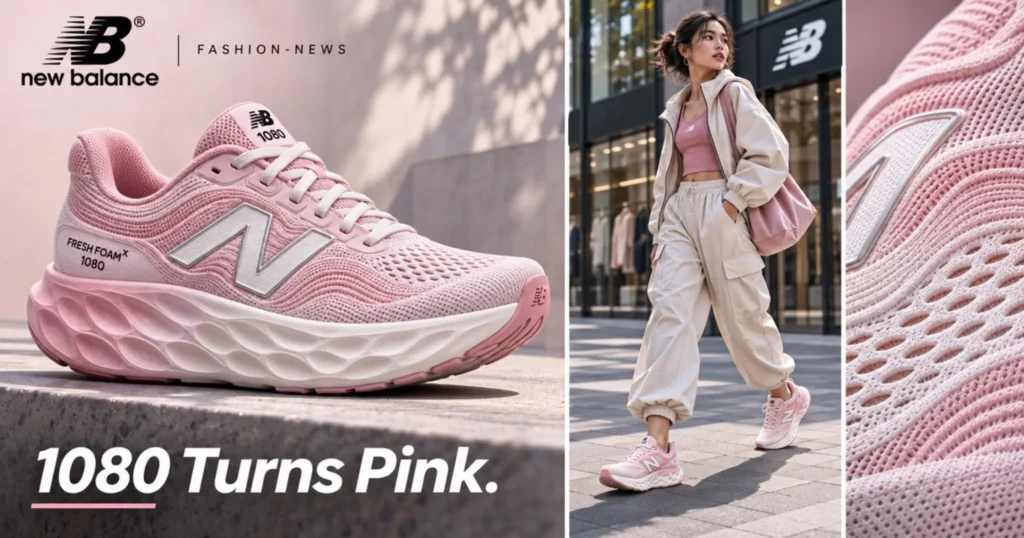
The ride feels soft, springy, and smooth. New Balance Fresh Foam now powers popular models such as the 1080, the More, and the 880. In 2020, the line was renamed Fresh Foam X. It suits neutral runners who want a cushioned ride.
As footwear technology continues to evolve, material choices also play an important role in reducing environmental impact. Learn more about sustainable fashion and the practices shaping the industry.
How New Balance Became Known for Comfort and Quality
How Different Width Options Set It Apart
Width choices are a big part of the story. Many brands offer one standard width. New Balance shoes come in sizes from 2A, which is extra narrow, to 6E, which is extra wide. Not every style comes in every width, but the range is broad.
For many people, this solves a lifelong problem. A shoe that fits the heel but pinches the toes is hard to love. Better fit means fewer blisters and less pain on long days. Therefore, shoppers with wide or narrow feet often stay loyal for years.
How Fit and Function Shaped Its Designs
The brand designs shoes around the foot, not around a trend. Roomy toe boxes, stable heels, and cushioned midsoles show up across many lines. These details help with everyday comfort shoes as well as race-day pairs.
Fit matters even more for women. Many shoppers look for the best running shoes for women, and a good fit is the first test. Wider size choices, softer foams, and light builds help more women find a match.
How Performance Technology Supported Its Growth
Tech also helped the brand grow. Cushioning systems improved shock control. Lighter foams cut weight. Better uppers improved breathability and hold. Together, these updates kept the shoes useful for serious training.
The company is also privately held. CEO Joe Preston has said this allows a long-term view. Instead of chasing quick wins, the brand can invest in slow, careful design. That patience shows in its steady product lines.
How New Balance Sneakers Entered Fashion Culture
How the 550 Became a Lifestyle Favourite
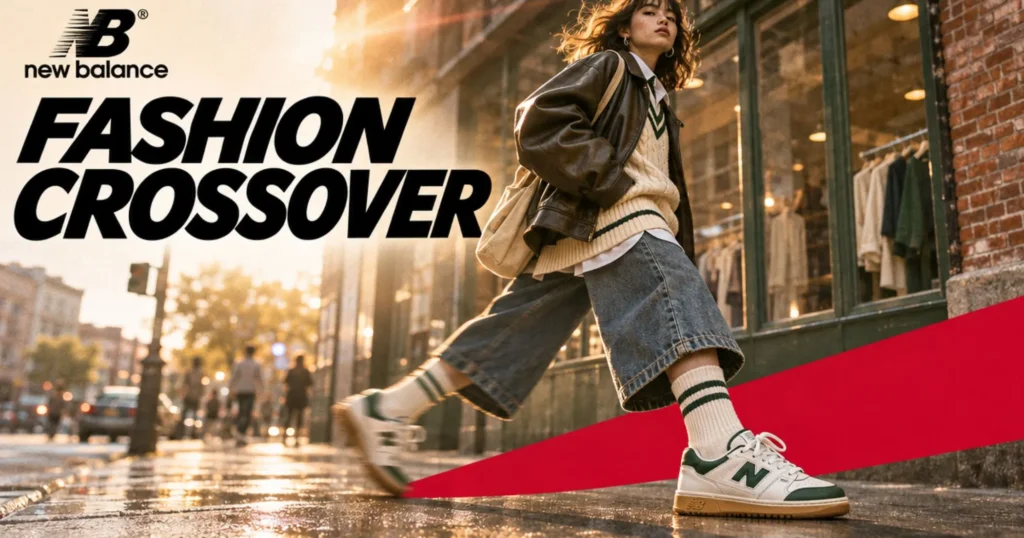
The 550 shows how a quiet shoe can become a star. It launched in 1989 as a basketball shoe called the P550 Oxford. Designer Steven Smith based it on a low-top version of the Pride 650. It was a budget shoe, and it did not sell well at first.
Years later, the story changed. In 2020, Aimé Leon Dore teamed up with the brand to bring it back. The retro look, clean leather, and simple lines clicked with fans. As a result, the New Balance 550 became a general release and a street favourite.
How Retro Designs Attracted Sneaker Fans
For a while, people teased the brand. In the 2000s, pop culture mocked its shoes as dad shoes. The 2011 film Crazy, Stupid, Love even joked about a character’s plain sneakers. However, the joke did not last. Sneaker culture began to love simple, retro looks. Chunky soles and muted colours became cool.
The 990 helped too. After its 1982 debut, it became a status symbol, especially around Baltimore and Washington, D.C. Today, fans chase premium sneakers like the 990 and the 2002R. These New Balance lifestyle sneakers suit jeans, joggers, and skirts alike.
How Collaborations Renewed Interest in the Brand
Collaborations added fresh energy. Aimé Leon Dore, JJJJound, and Kith have all partnered with the brand. Each partner brought a clear style, from preppy to minimal to bold. The preppy influence connects with timeless fashion choices often seen in the old money aesthetic, where classic styling and understated details take centre stage. Limited drops then created buzz.
These projects kept the shoes grounded in real design instead of flashy tricks. Therefore, fans saw New Balance sneakers as trusted, premium products rather than hype alone.
How New Balance Expanded Its Footwear Collection
How Running Shoes Reached Everyday Consumers
Running shoes did not stay on the track. Many people wore them to walk, shop, and commute. Soft cushioning made long days easier. Because of that, New Balance footwear began to appear in offices, schools, and airports.
Gym-goers joined in too. Many look for the best gym shoes that offer stable support for lifting and light cardio. Firm, flat soles help with weights. Cushioned soles help with treadmill work. Shoppers can match the shoe to the workout.
How Menswear and Womenswear Collections Grew
The range grew beyond one type of buyer. Men’s, women’s, and kids’ lines now cover running, training, walking, and casual wear. Apparel also joined the lineup, so shoppers can match shoes with tops and jackets.
Women’s collections deserve special notice. New Balance women’s shoes offer soft foams, light builds, and fresh colours. Many styles come in wide sizes too. Women can pick a pair for a long run, a gym class, or a coffee date.
How Athletic and Lifestyle Footwear Came Together
The line between sport and style has faded. New Balance athletic shoes now sit beside lifestyle models in the same stores. A runner may buy a technical pair for training and a retro pair for the weekend. Both come from one brand, so the look feels linked.
This blend suits modern life. People want lifestyle footwear that feels good and looks sharp. New Balance sports shoes can handle a jog, while the retro styles handle brunch. Therefore, the brand serves two needs at once. Many shoppers now see sports footwear as everyday wear.
How New Balance Built a Global Brand
How Sports Partnerships Increased Brand Recognition
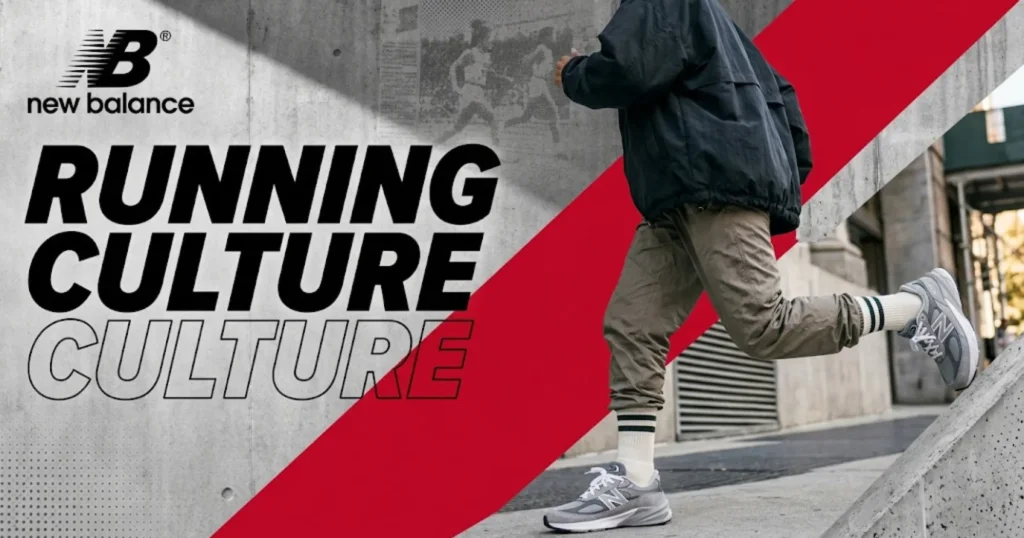
Athlete deals have raised the brand’s profile. Basketball star Kawhi Leonard and tennis player Coco Gauff signed on in 2023. Gauff has since won the U.S. Open wearing its gear. Olympic sprinter Sydney McLaughlin also represents the label.
For years, the brand also used the slogan “Endorsed by No One.” The idea was simple. Let the shoes speak for themselves. This stood out in a market full of celebrity ads.
How Celebrity and Fashion Influence Changed Its Image
Style fans changed the brand’s image too. Models, creators, and stars began wearing its retro pairs. Because of that, a shoe once teased as a dad shoe became a cool pick. Fans and style writers now follow its drops closely.
Sales growth tells the same story. The same report says revenue nearly doubled from $3.3 billion in 2020 to $6.5 billion in 2023. Quality also played a role. The company kept some production in the U.S. and U.K. As a result, the story felt real, not forced.
How the Brand Balanced Its Athletic Roots With Modern Trends
New Balance still honors its roots. It keeps Made in USA lines, and it remains privately held. At the same time, it adds eco steps. One example is the Green Leaf Standard for products made with better materials. The brand also uses more recycled polyester. Recycled polyester is one of the materials discussed in our sustainable fabrics guide, which explains how different fabrics can support more responsible fashion choices.
The challenge is staying fresh without losing trust. So far, the brand has done both well. It listens to runners first, and then it invites fashion fans in. The Boston flagship even has a workshop where visitors can watch shoes being made.
The Bottom Line
New Balance began with arch supports and grew through smart design. Running shoes gave it trust. Width options gave it fans. Retro icons like the 990 and 550 gave it style. Together, these steps built a brand that serves athletes and everyday wearers alike.
The lesson is simple. Help people feel good in their shoes, and loyalty follows.
FAQs
When was New Balance founded?
New Balance was founded in 1906 by William J. Riley. It began as a maker of arch supports. Jim Davis bought the company in 1972.
Who founded New Balance?
William J. Riley founded the company in 1906. Jim Davis later bought it in 1972 and led its growth as a running brand.
What was New Balance originally known for?
It was first known for arch supports and orthopedic shoes. Early customers included police officers and waiters who stood all day.
How did New Balance become popular among runners?
New Balance won runners over with width options, honest ads, and models like the 320 and 990. Runners trusted the fit and the focus on running.
What makes New Balance shoes different?
The brand offers many widths, from extra-narrow to extra-wide. Its shoes also blend technical comfort with retro style. In addition, it keeps some production in the U.S. and U.K.
What is New Balance Fresh Foam technology?
New Balance Fresh Foam is a cushioning system built from an EVA-based foam. Designers shape it with software into zones that handle impact in different ways. The result feels soft and smooth.
Why is the New Balance 550 so popular?
The 550 began as a 1989 basketball shoe. A 2020 Aimé Leon Dore collaboration revived it. Its clean, retro look suits many outfits.
Are New Balance shoes suitable for everyday wear?
Yes. New Balance shoes often offer soft cushioning and a roomy fit. They work for walking, errands, and long days on your feet.
New Balance was founded in 1906 by William J. Riley. It began as a maker of arch supports. Jim Davis bought the company in 1972.
William J. Riley founded the company in 1906. Jim Davis later bought it in 1972 and led its growth as a running brand.
It was first known for arch supports and orthopedic shoes. Early customers included police officers and waiters who stood all day.
New Balance won runners over with width options, honest ads, and models like the 320 and 990. Runners trusted the fit and the focus on running.
The brand offers many widths, from extra-narrow to extra-wide. Its shoes also blend technical comfort with retro style. In addition, it keeps some production in the U.S. and U.K.
New Balance Fresh Foam is a cushioning system built from an EVA-based foam. Designers shape it with software into zones that handle impact in different ways. The result feels soft and smooth.
The 550 began as a 1989 basketball shoe. A 2020 Aimé Leon Dore collaboration revived it. Its clean, retro look suits many outfits.
Yes. New Balance shoes often offer soft cushioning and a roomy fit. They work for walking, errands, and long days on your feet.
Tags:

Smit Rangras
Product Associate, NineE
Smit works on the product team at NineE, helping shape how the platform is built and how it serves t...
Read More
Get Latest Fashion Insights, Before Everyone Else.