Create Your Agent

Updated on Nov 20, 2026
Le Labo: The Rise of Personalized Luxury Fragrance
Brand StoriesTeam NineE AI13 Mins reading time
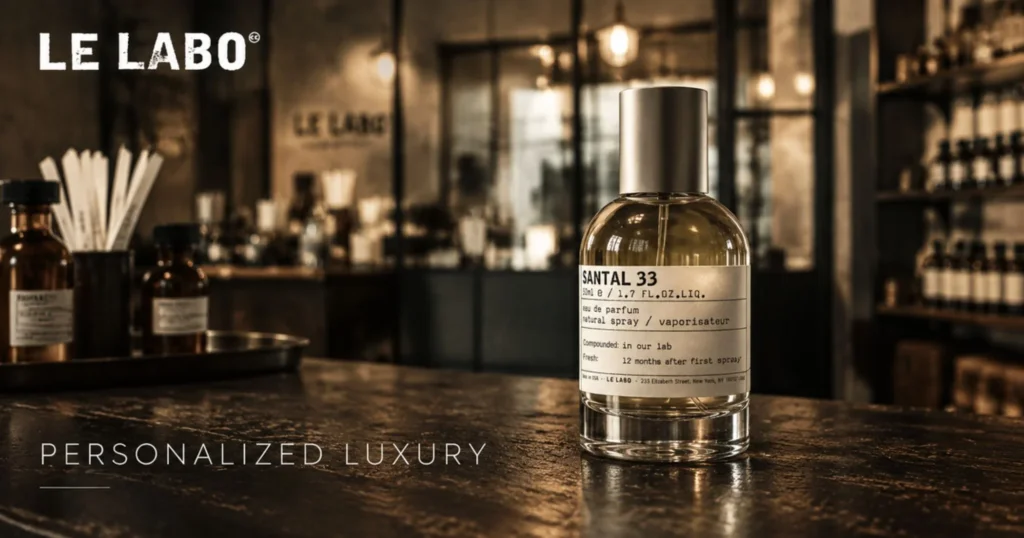
Le Labo started with a slightly contrarian idea: a bottle of perfume should feel made for you, not for a billboard. In the mid-2000s, two friends opened a tiny laboratory-style shop in New York and blended fragrance by hand while customers waited. What looked like a quirk became a blueprint for modern perfumery and one of the most talked-about stories among premium fragrance brands.
TL;DR
- In 2006, Fabrice Penot and Eddie Roschi opened Le Labo’s first lab at 233 Elizabeth Street in New York.
- The brand connects its identity with Grasse, France, a historic centre of perfume making.
- Estée Lauder acquired Le Labo in 2014, helping the brand expand around the world.
- The brand blends its fragrances fresh and labels them with the preparation date.
- Customers can add a name or short message, making each bottle feel personal.
The Origins of Le Labo in New York
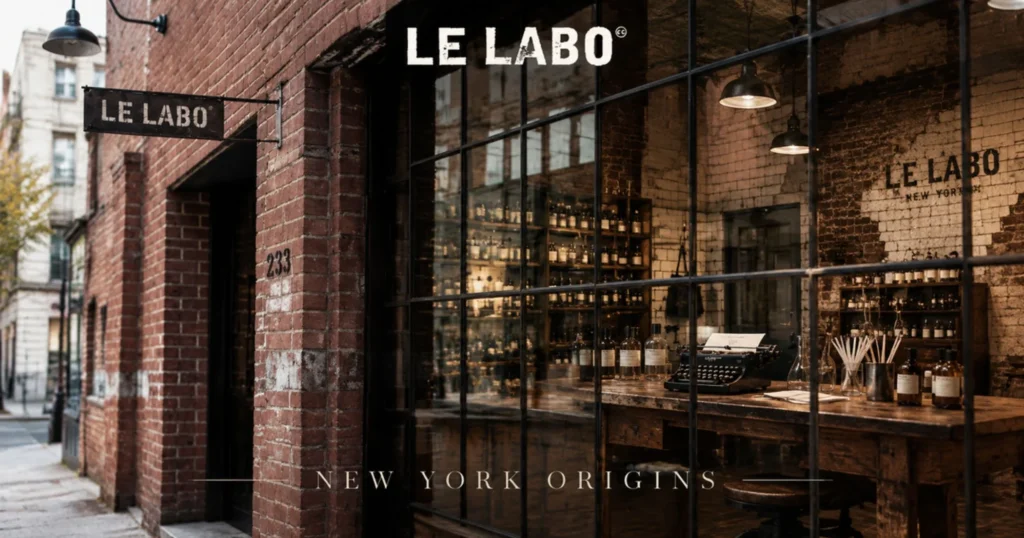
Every brand has a starting point, and this one began with two friends and a small lab. Below, we meet the founders and see why the laboratory idea mattered so much.
How Fabrice Penot and Eddie Roschi Started Le Labo
Penot and Roschi had years of experience in the beauty industry, but they wanted to move away from mass production and celebrity-led launches. They wanted craft, rare ingredients, and a little imperfection. The Le Labo history is short but full of choices that run against the industry. Their manifesto argues for fewer bottles, more soulful fragrance, and a future of luxury built on skilled hands. That same appreciation for craftsmanship, quality, and understated elegance can also be seen in the world of timeless luxury fashion.
Why the Laboratory Concept Became Central to the Brand
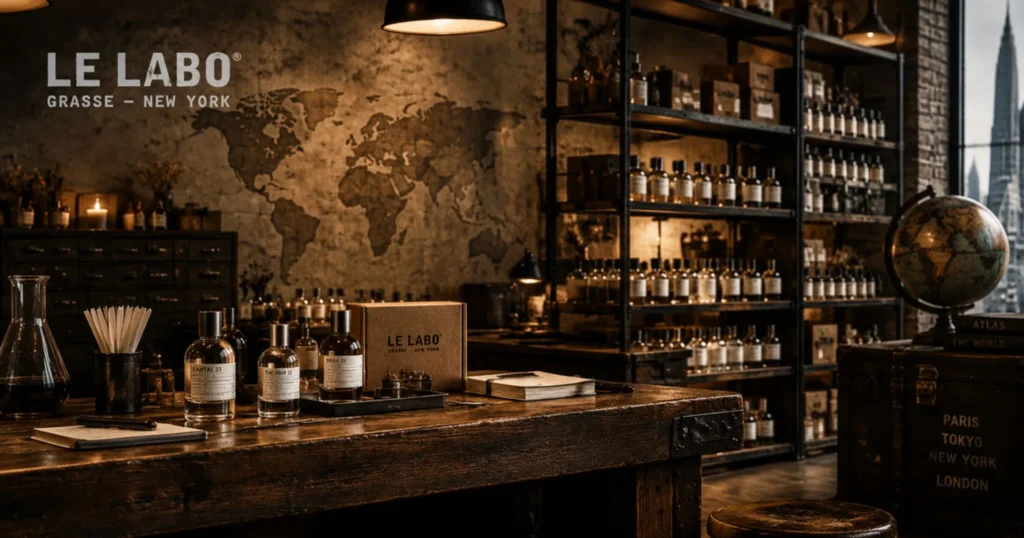
The name means “the lab” in French, and the shop felt like a pharmacist’s workshop rather than a glossy boutique. Technicians stand among beakers, scales, and bottles while customers watch their scent take shape. Perfume felt less like fantasy and more like a craft you could trust. It also gave staff a clear role: they were makers and guides, not salespeople, and that changed how shoppers behaved.
How Le Labo Created a New Approach to Modern Perfumery
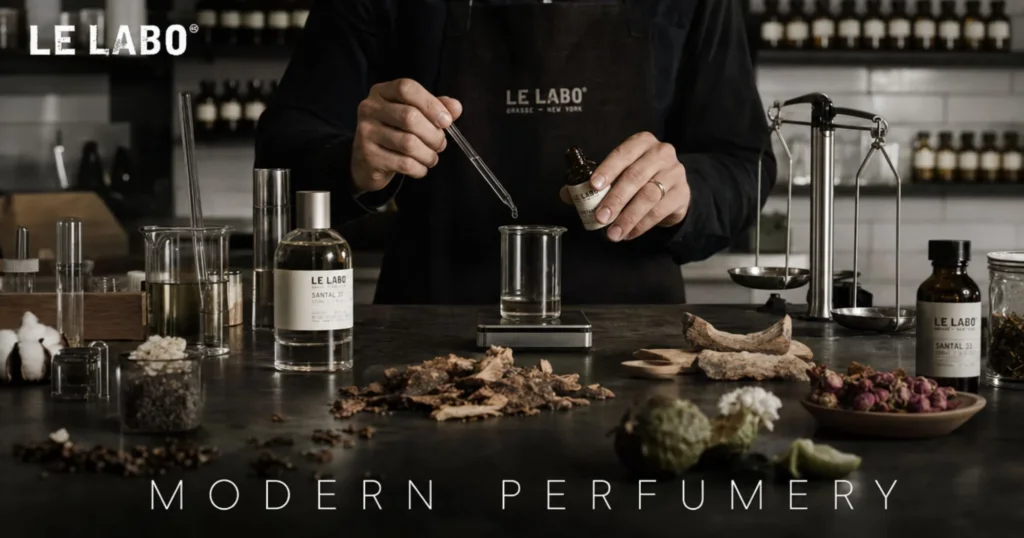
Perfume retail looked very different before this brand arrived. The next two parts explain how it moved away from traditional shops and put craftsmanship at the centre.
Moving Away From Traditional Perfume Retail
Traditional perfume retail leans on celebrity faces and heavy advertising. This company avoided most of it. Growth came through word of mouth and the unusual sight of a bottle prepared in front of you. A Le Labo fragrance lets the product, the store and the staff do the persuading.
Making Craftsmanship and Ingredients Part of the Experience
Ingredients are part of the story. The brand’s films show the sandalwood harvest in Kimberley, Australia; the rose harvest in Grasse; and the bergamot harvest in Reggio Calabria, Italy. Showing the people behind each material suggests that luxury now lives in hands and sourcing, not logos.
How Le Labo Built Its Signature Fragrance Collection
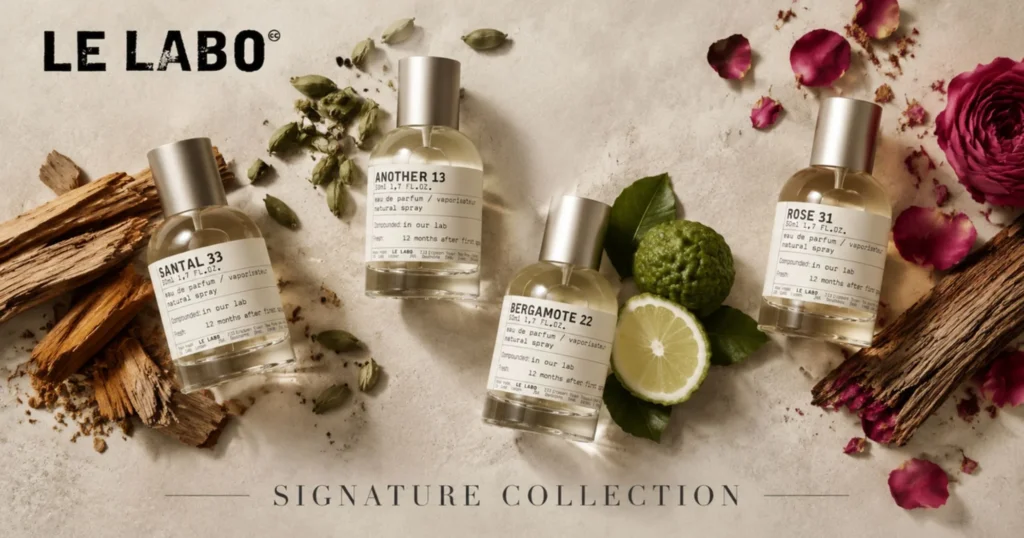
A strong collection turned a clever concept into a loyal following. Below, we start with the icon and then move through the rest of the signature range.
Le Labo Santal 33 and the Rise of an Iconic Scent
Launched in 2011, Le Labo Santal 33 blends Australian sandalwood, papyrus and cedarwood with cardamom and iris. It smells rugged and refined at once. It spread through noticing rather than advertising, and many fans simply say Santal Le Labo. Shoppers also ask about a Santal 33 candle; the closest match is Santal 26 from the home collection.
Another 13, Bergamote 22, Rose 31, and Other Signature Fragrances
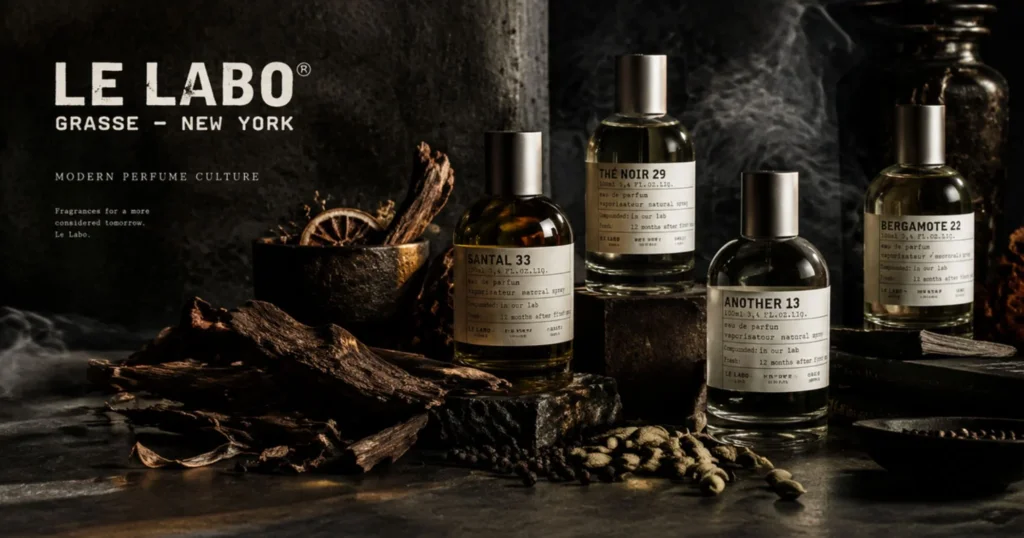
Each name pairs a headline ingredient with the number of materials in the formula. Le Labo Another 13 is a hypnotic, ambergris-like musk. Le Labo Bergamote 22 mixes bright citrus with a musky undertone. Rose 31 Le Labo pushes the flower toward wood and spice.
Thé Matcha 26 is green and calm, while the Le Labo Noir scent, Thé Noir 29, is darker and smoky. Le Labo Jasmine, sold as Jasmin 17, is the floral route.
Fragrance is often an extension of personal style, much like the clothes and accessories people choose to express themselves. Explore these sustainable outfit ideas for inspiration on putting together thoughtful everyday looks.
How Le Labo Made Personalisation Part of Luxury
Personal touches make each bottle feel like it belongs to one person. Below, we look at the made-to-order process and the labels that carry your name.
The Made-to-Order Fragrance Experience
Buying a bottle feels like commissioning something. You order the fragrance, and the brand fills the bottle and adds the date to the label. That signals freshness and gives the bottle a specific moment, so owners tend to use it, finish it, and come back for refills. A date and a personal line make a bottle too specific to forget in a drawer.
The same idea appears in fashion, where personal style and intentional wardrobe choices can matter more than simply following the latest trend.
Le Labo Customization and Personalised Labels
Le Labo customization is mostly about the label: add a name, a note, or a message for a friend. Skip it, and the label reads “Personalization: You.” Personalised gifts, the refill program, and discovery sets extend the same idea, letting people sample, commit, and top up.
How Le Labo Turned Fragrance Into a Sensory Experience
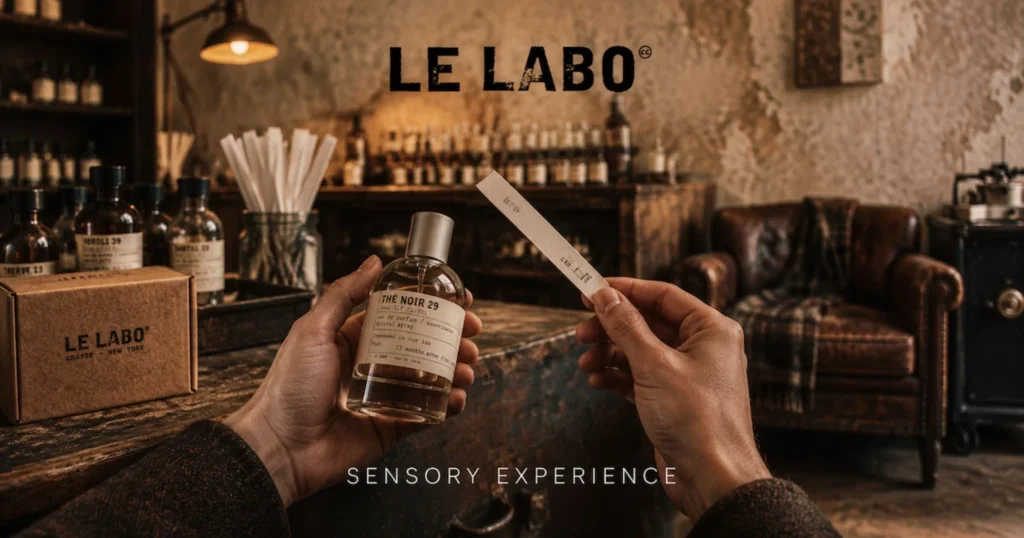
Perfume is a sensory product, so the buying experience matters as much as the scent. These parts explore the fresh blending and the lab-style store.
Fresh Blending, Ingredients, and Craftsmanship
Scent is invisible, so the brand made the process visible. You watch the liquid measured, the bottle sealed, and the label typed. You smell blotters, talk to staff, and narrow your choice slowly. That pace is deliberate, echoing the brand’s talk of Wabi-Sabi.
Why the Laboratory-Style Store Became Part of the Brand
Raw surfaces and lab furniture strip away perfume-counter fantasy and focus attention on the scent. Customers leave with a story about the visit as much as a bottle. The brand understood that people take memories home, so it designed every part of the visit around creating them.
How Le Labo Built Its City Exclusives Collection
Some scents cannot be found everywhere, and that is part of the appeal. Below, we explain what makes city scents different and why people hunt for them.
What Makes Le Labo City Exclusives Different
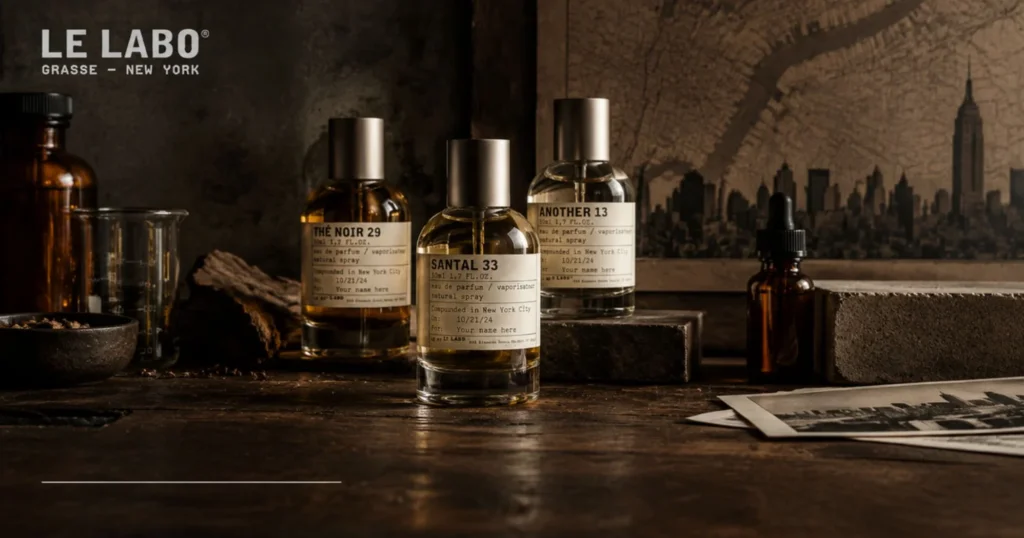
The brand creates City Exclusives for individual cities and mainly sells them in those locations, with each scent reflecting local character. The brand created Gaiac 10 for Tokyo as one example. The company also lists a City Exclusive refill collection.
How Limited City Scents Created a Sense of Discovery
Limited scents turn travel into a hunt. Visitors seek out what is sold only in that city, and collectors compare notes online. It works against global retail’s habit of selling the same item everywhere and keeps the brand feeling small. A city scent also works as an affordable souvenir, and plenty of travellers plan a lab visit the way others plan a restaurant booking.
How Le Labo Expanded Beyond Perfume
The brand’s philosophy did not stop at fragrance. Below, we look at the home range first and then the body products and gifts.
Le Labo Home Fragrance, Candles, and Diffusers
Le Labo home fragrance covers classic candles, concrete candles, votives, incense, and a Le Labo home diffuser, in scents like Santal 26, Palo Santo 14, and Ambroxyde 17. A Le Labo room spray handles quick refreshes, while candles suit slower evenings.
Le Labo Shower Gel, Lip Balm, Deodorant, and Body Products
The products of the brand now include hand soap, shampoo, body lotion, face care, and grooming products. For an easy introduction to the range, Le Labo shower gel and lip balm offer simple options. A Le Labo deodorant, where available, layers one scent across a routine. A Le Labo gift set or discovery set lets someone try before choosing.
How Le Labo Built a Luxury Brand Through Minimalism
Restraint is a big part of the brand’s look and feel. The next two parts cover its plain packaging and its take on luxury without glamour.
Simple Packaging and a Distinct Visual Identity
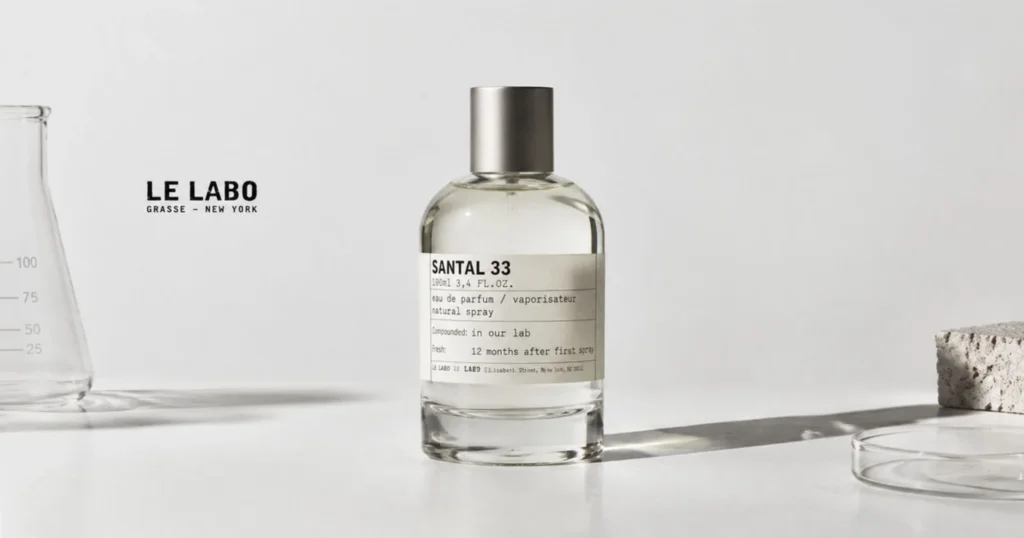
The packaging is plain: a clear bottle and a stark, typewriter-style label with no decoration. It resembles laboratory glassware more than a cosmetics counter and lets the liquid and the name take centre stage. That same restraint can be seen in minimalist fashion, where simplicity and purposeful choices often matter more than visual excess.
Creating a Premium Fragrance Experience Without Traditional Glamour
Luxury here relies on time, material, and attention rather than gold or famous faces. Shoppers pay for fresh blending, sourcing, and the ritual of choosing. Fashion has seen a similar shift, with growing interest in sustainable fashion rather than constant consumption.
This helped redefine high end perfumes in the 2010s and keeps Le Labo relevant today. A bottle may cost as much as a designer alternative, yet buyers feel they are paying for time and materials, not a logo, which is an easier price to defend.
How Le Labo Became Part of Modern Perfume Culture
The brand arrived just as perfume habits were changing. Below, we look at the rise of unisex scents and the growth of niche luxury.
The Rise of Unisex and Personal Fragrance
Perfume culture has moved past rigid gender labels. Fashion has undergone a similar shift, with modern street fashion becoming less restricted by traditional style rules.
Most scents here are sold as unisex perfume, built on woods, musks, tea, and florals. Rose 31 shows how a traditionally feminine note can turn woody and spicy, and many shoppers who once chose a standard cologne now explore scents like these.
Le Labo and the Growth of Niche Luxury Fragrance
Penot and Roschi showed that a niche label could grow without the old playbook. The same shift can be seen in fashion, where fashion aesthetics give people different ways to express their identity and personal taste.
Where the best designer perfumes lean on fashion names, this brand built trust through craft. Whether shoppers want luxury perfume for women, expensive perfumes for women, or simply something personal, it belongs in that conversation.
How Le Labo Expanded Its Global Luxury Presence
Growing from one shop to a worldwide network tested the brand’s values. These parts cover the spread of the labs and the role of Estée Lauder.
From New York to a Global Network of Laboratories
What began as one lab in Nolita became a global network of boutiques that kept the lab idea. Each location has its own technicians, its own city-specific scents, and the same ritual of blending and labelling. The result is a brand that feels local in every city while staying recognisable everywhere. A traveller can walk into a lab in a new country and find the same warm, slightly irreverent welcome, plus a scent they cannot buy at home. For a company that preaches intimacy, keeping that feeling across so many locations is the hardest trick of all.
Choosing versatile, long-lasting pieces is one way to make more thoughtful buying decisions. Explore our guide to capsule wardrobe essentials for ideas on building a wardrobe around quality and versatility.
How Estée Lauder Supported the Brand’s International Growth
When the Estée Lauder Companies acquired the brand in 2014, many fans worried about dilution. Penot and Roschi largely kept creative control and the slow approach to perfumery. The deal supplied money and reached for new stores, new categories, and international growth, without abandoning the artisanal ethos. For customers, the practical effect has been wider availability, more product types, and a steadier supply of popular scents, while the lab ritual stayed intact. The acquisition could easily have turned a craft label into a corporate one.
The Bottom Line: How Le Labo Built a Personalised Luxury Fragrance Brand
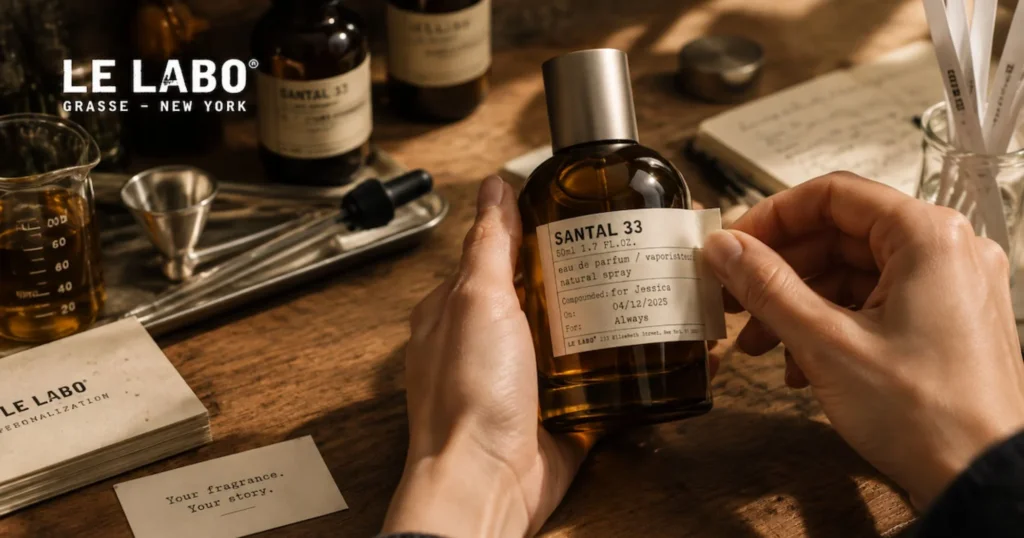
The story comes down to a handful of decisions made against fashion: blend fresh, name every bottle, show the ingredients, and keep the setting simple. The brand proved that personalisation can feel luxurious when it is built into the process rather than added as a gimmick.
If you are curious, start with a discovery set, pick the scent that stays with you after a day, and let the date on the label mark when it becomes yours. That is the real lesson of the Le Labo story: luxury does not always mean more decoration, sometimes it simply means more care. Fashion is moving through a similar conversation, with more attention on sustainable shopping rather than constantly chasing the next trend.
FAQs
When was Le Labo founded?
Le Labo was founded in 2006, when two friends opened their first lab in New York City.
What is Le Labo known for?
The brand is known for fresh hand-blended perfume, ingredient-based names, personalised labels and cult scents like Santal 33.
Why is Santal 33 so popular?
Its sandalwood, cedarwood, papyrus, cardamom and iris blend feels warm and sharp, which suits many wearers and occasions.
What makes Le Labo fragrances different?
Each bottle is made fresh, dated and labelled for you, and the scents focus on ingredients rather than celebrity or heavy advertising.
What does Le Labo customization mean?
It means adding your name or a message to the label. If you skip it, the label reads “Personalization: You.”
Is Le Labo perfume unisex?
Mostly, yes. The scents are designed around ingredients and mood rather than gender, so anyone can wear them.
Why is Le Labo considered a luxury fragrance brand?
The luxury comes from craft, fresh blending, quality materials and a personal experience rather than decoration or celebrity.
Le Labo was founded in 2006, when two friends opened their first lab in New York City.
The brand is known for fresh hand-blended perfume, ingredient-based names, personalised labels and cult scents like Santal 33.
Its sandalwood, cedarwood, papyrus, cardamom and iris blend feels warm and sharp, which suits many wearers and occasions.
Each bottle is made fresh, dated and labelled for you, and the scents focus on ingredients rather than celebrity or heavy advertising.
It means adding your name or a message to the label. If you skip it, the label reads “Personalization: You.”
Mostly, yes. The scents are designed around ingredients and mood rather than gender, so anyone can wear them.
The luxury comes from craft, fresh blending, quality materials and a personal experience rather than decoration or celebrity.
Tags:

Team NineE AI
Team NineE AI is the collective voice behind NineE AI's editorial desk, bringing together writers, r...
Read More
Get Latest Fashion Insights, Before Everyone Else.