Updated on Aug 25, 2026
Best Sustainable Fabrics for Everyday Clothing That Actually Last
Fashion GuidesTeam NineE AI16 Mins reading time
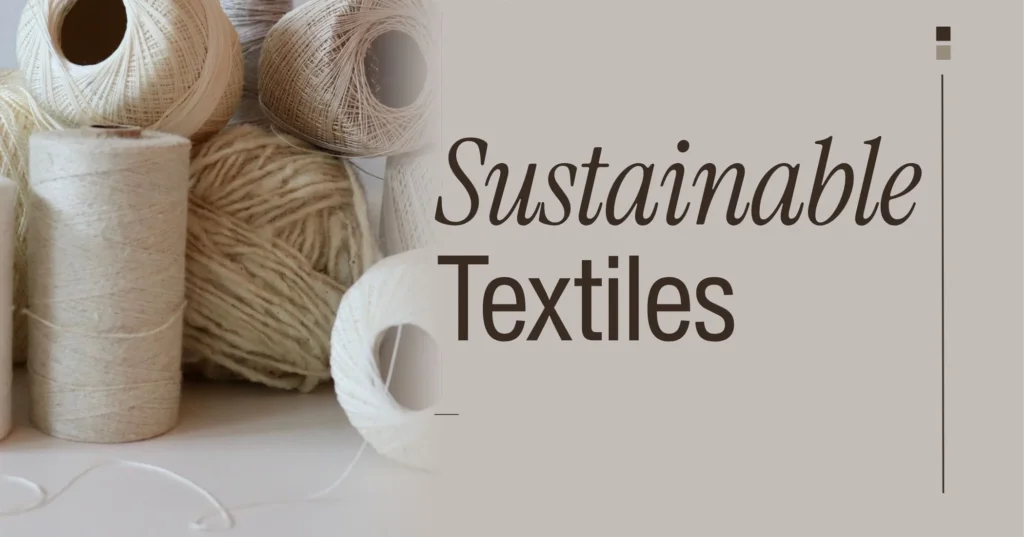
Choosing the best sustainable fabrics for your wardrobe is one of the easiest ways to reduce your environmental impact without sacrificing comfort or style. The fabric your clothes are made from affects everything, from how long they last to the amount of water, energy, and chemicals used during production. For a broader approach, the principles behind a sustainable fashion wardrobe also emphasize choosing pieces you can keep using rather than replacing frequently.
If you’re trying to build a more eco-conscious wardrobe, start with fabrics like organic cotton, hemp, TENCEL Lyocell, and linen. These sustainable fabrics for clothing are durable, breathable, and often produced using fewer natural resources than conventional materials. While no fabric is perfect, making informed choices can help you create a wardrobe that’s better for both you and the planet.
In this guide, you’ll discover:
- The best sustainable fabrics for everyday clothing
- What makes a fabric truly eco-friendly
- The pros and cons of each material
- Which fabrics are best for different lifestyles
- Fabrics that may not be as sustainable as they seem
- Practical tips for shopping smarter
Organic cotton is one of the strongest all-around choices for everyday wear because it offers comfort, breathability, and versatility, while its environmental advantages depend on how it is grown and processed. Better cotton principles and criteria outline requirements around more sustainable cotton production. For easy everyday styling, organic cotton works especially well in women’s T-shirts and other basics; shoppers can also browse white cotton T-shirts for men for a straightforward cotton option.
Which Sustainable Fabric Is Best for Everyday Clothing?
If you’re short on time, here’s the quick answer: organic cotton is the best all-around choice for everyday wear because it’s comfortable, breathable, durable, and widely available. However, the ideal fabric also depends on your lifestyle, local climate, and the type of clothing you’re buying.
| Fabric | Best For | Key Benefit |
| Organic Cotton | Everyday basics | Soft, breathable, versatile |
| Hemp | Frequent use | Extremely durable |
| Linen | Summer outfits | Lightweight and cooling |
| TENCEL Lyocell | Office and casual wear | Silky soft and moisture-wicking |
| Recycled Polyester | Sportswear | Reduces plastic waste |
| Bamboo Lyocell | Loungewear | Smooth and comfortable |
The right choice depends on your priorities, but investing in high-quality eco-friendly fabrics is always a step toward a more sustainable wardrobe.
What Makes a Fabric Truly Sustainable?
Not every natural fiber is automatically sustainable, and not every synthetic fabric is bad. The sustainability of a fabric depends on its entire lifecycle, from growing or producing the raw material to manufacturing, using, and eventually disposing of the garment.
When comparing sustainable fabrics for clothing, it’s important to look beyond marketing labels. Instead, focus on the environmental and social impact of the material.
Here’s what to consider:
- Water consumption during production
- Chemical use in farming and processing
- Ethical labor and manufacturing practices
- Durability and lifespan
- Ability to biodegrade or be recycled
These factors together determine whether a fabric deserves to be called one of the best sustainable fabrics for everyday use. Linen’s lightweight feel also makes it a natural fit for men’s casual shirts and warm-weather staples such as linen pants for summer ready style. For shoppers looking beyond basics, The Summer House is another brand worth browsing for contemporary fashion pieces.
Low Water Consumption
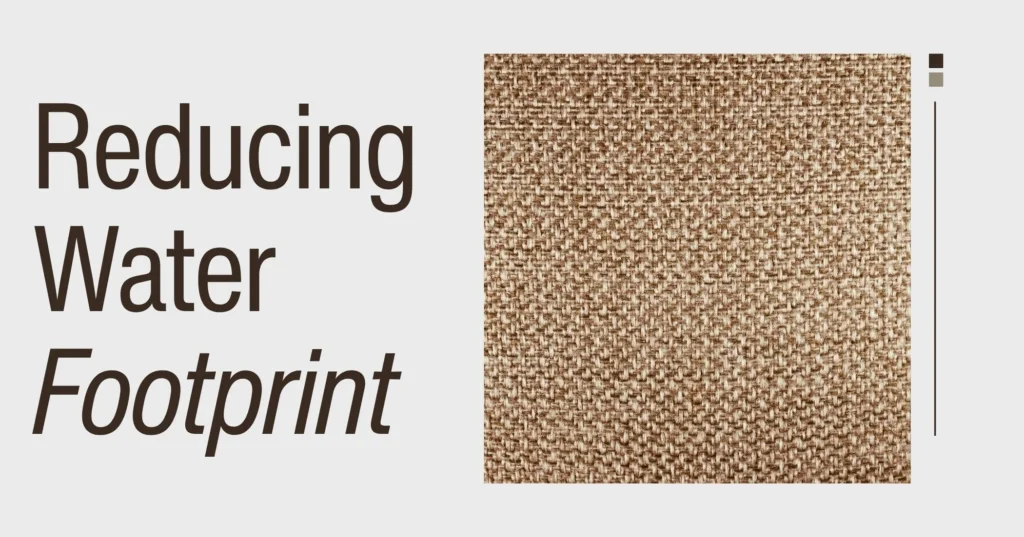
Some fabrics require enormous amounts of water to produce, while others thrive with minimal irrigation. For example, conventional cotton is known for its heavy water usage, whereas hemp and linen generally require much less water.
Imagine buying two similar shirts. One required thousands of liters of water to grow, while the other relied mostly on natural rainfall. Choosing the latter reduces your hidden environmental footprint without changing your daily routine.
Minimal Chemical Processing
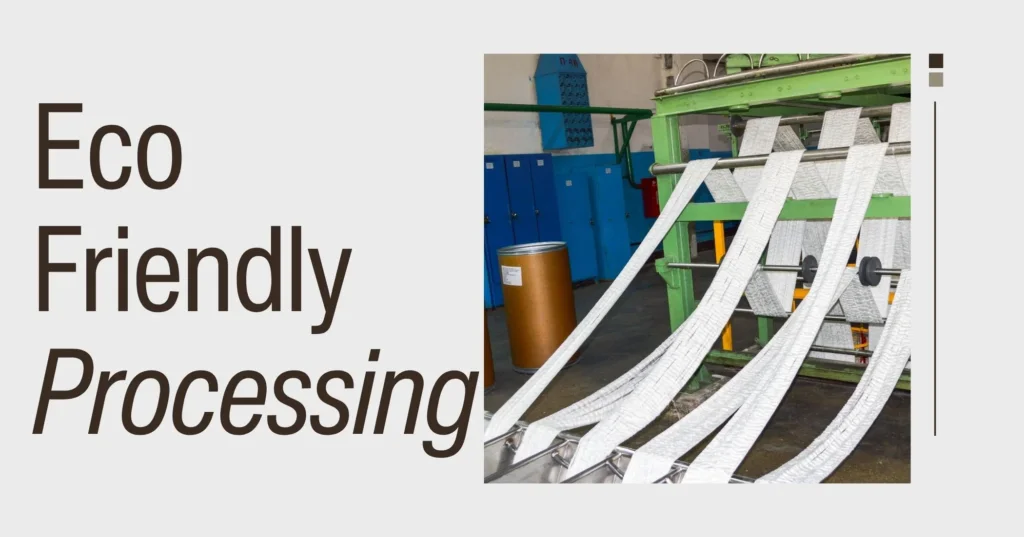
The way a fabric is processed matters just as much as the raw material itself. Conventional farming often relies on pesticides, herbicides, and chemical fertilizers that can harm ecosystems and nearby communities.
Many natural sustainable fabrics, such as certified organic cotton and responsibly produced TENCEL, are manufactured using cleaner processes and fewer harmful chemicals. Choosing these options supports healthier production methods from farm to finished garment.
Ethical Production
A fabric isn’t truly sustainable if the people making it are treated unfairly. Responsible brands focus on safe working conditions, fair wages, and transparent supply chains alongside environmental practices.
When shopping, look for brands that openly share information about where and how their clothing is made. Transparency often reflects a genuine commitment to sustainability rather than just marketing claims.
Durability
One of the most overlooked aspects of sustainability is how long your clothes last. A high-quality garment worn for several years usually has a lower environmental impact than replacing cheaper clothing every season.
That’s why many sustainable clothing materials, including hemp and responsibly sourced wool, are valued for their strength and longevity. Buying fewer, better-made pieces helps reduce textile waste over time.
Biodegradability or Recyclability
Eventually, every garment reaches the end of its life. Some fabrics naturally break down over time, while others remain in landfills for decades or even centuries.
Fibers like hemp, linen, and organic cotton are biodegradable under the right conditions. Meanwhile, recycled fabrics such as recycled polyester help give existing materials a second life, reducing demand for virgin resources.
Best Sustainable Fabrics for Everyday Clothing
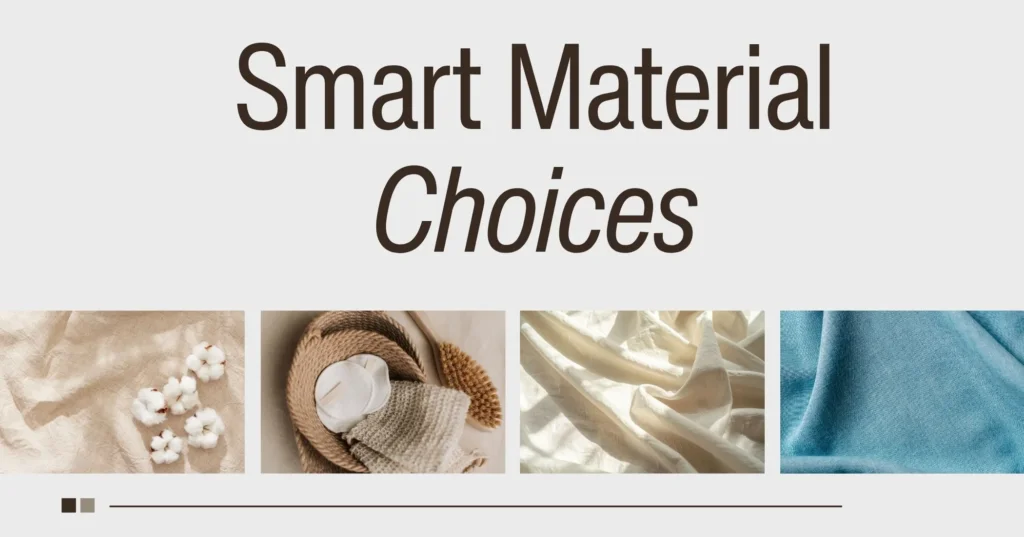
Now that you know what makes a fabric sustainable, let’s explore the materials that combine comfort, durability, and environmental responsibility. Each fabric has its own strengths, so the best choice depends on your lifestyle, climate, and clothing needs.
Before choosing, keep these points in mind:
- Match the fabric to your daily activities.
- Consider your local weather.
- Check how much maintenance each fabric requires.
- Prioritize quality over quantity.
- Look for trusted sustainability certifications whenever possible.
Let’s start with four of the most popular eco-friendly fabrics for everyday clothing.
Organic Cotton
Organic cotton remains one of the best sustainable fabrics because it offers the comfort people love while reducing many of the environmental problems linked to conventional cotton farming.
Unlike regular cotton, organic cotton is grown without synthetic pesticides or genetically modified seeds. Many farms also use farming techniques that improve soil health and conserve biodiversity, making it one of the most trusted sustainable clothing materials available today.
If you’re just beginning your sustainable fashion journey, organic cotton is one of the easiest and most practical places to start.
Hemp
Hemp has gained significant attention in recent years, and for good reason. It is widely considered one of the most environmentally friendly natural sustainable fabrics available today.
The hemp plant grows rapidly, needs very little water compared to many other crops, and generally requires fewer pesticides. It also improves soil quality, making it beneficial for future farming.
Modern hemp clothing is much softer than the rough fabrics many people remember from years ago. With every wash, hemp garments become even more comfortable while maintaining their exceptional durability.
Linen
Linen has remained a wardrobe favorite for centuries because of its exceptional breathability and timeless appeal. Made from flax plants, it’s one of the oldest and most respected eco-friendly fabrics still widely used today.
Linen naturally allows air to circulate, helping your body stay cool even on hot summer days. That’s why it’s commonly used for shirts, dresses, trousers, and lightweight blazers.
You’ll probably notice that linen wrinkles easily. Rather than seeing this as a flaw, many fashion enthusiasts consider those relaxed wrinkles part of linen’s natural charm.
TENCEL Lyocell
TENCEL Lyocell has become increasingly popular thanks to its luxurious feel and innovative production process. Produced from responsibly sourced wood pulp, it uses a closed-loop process that recovers more than 99.8% of the solvent used in Lenzing’s TENCEL™ Lyocell production. TENCEL™ Lyocell production process provides more detail on the technology.
Because wood sourcing also matters for cellulosic fibers, FSC fibre sourcing guidance can help explain why certified forest inputs are relevant.
More Sustainable Fabrics Worth Adding to Your Wardrobe
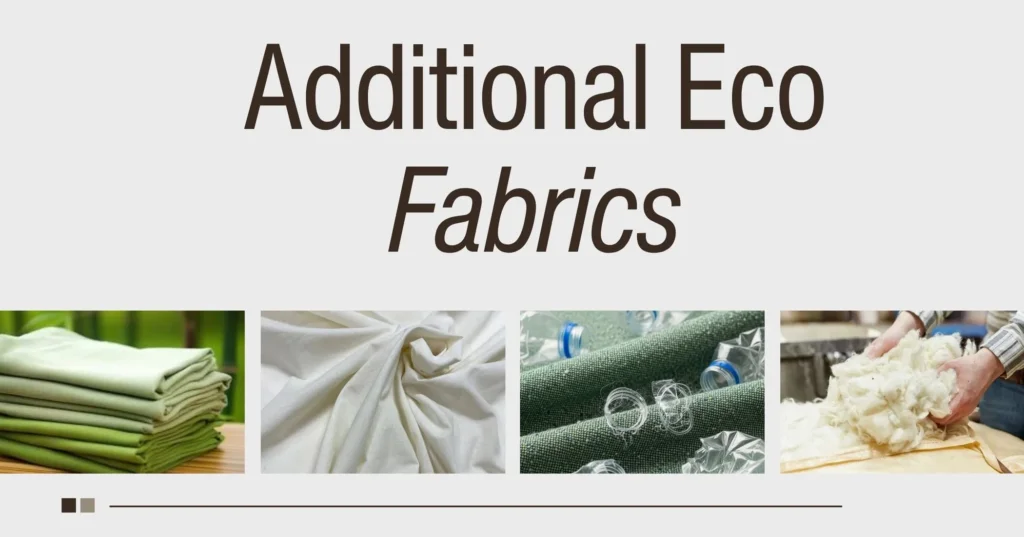
The first four fabrics are excellent choices for everyday wear, but they’re not the only options available. Several other sustainable fabrics for clothing deserve a place in your wardrobe, depending on your lifestyle and the type of garments you’re shopping for.
Before choosing your next outfit, remember:
- Consider how often you’ll wear the garment.
- Think about the weather in your region.
- Balance comfort with durability.
- Choose certified materials whenever possible.
- Buy pieces you’ll wear for years, not just one season.
Let’s look at four more fabrics that combine sustainability with everyday practicality.
Bamboo Lyocell
Bamboo is often marketed as one of the most sustainable fabrics, but the production route matters.
However, bamboo lyocell and bamboo viscose are produced differently, which affects their environmental profile. The Canopy’s Hot Button Report tracks forest sourcing and next-generation innovation across man-made cellulosic fibers.
In addition to its sustainability potential, the fabric is incredibly soft, breathable, and naturally moisture-wicking. It’s ideal for:
- T-shirts
- Loungewear
- Sleepwear
- Undergarments
- Lightweight tops
If you love silky-soft clothing, bamboo lyocell is a comfortable and more responsible alternative, as long as you verify how it’s made. Its soft, moisture-wicking feel can work particularly well for women’s sleepwear and loungewear when the manufacturing route is clearly disclosed.
Recycled Cotton
Every year, millions of tons of textile waste end up in landfills. Recycled cotton helps address this problem by giving discarded cotton garments and production scraps a second life.
Recycled cotton is commonly used in:
- Sweatshirts
- Hoodies
- Denim
- Casual T-shirts
- Tote bags
If reducing textile waste is important to you, recycled cotton is one of the most practical recycled fabrics to look for when shopping.
Recycled Polyester
Although polyester is made from fossil fuels, recycled polyester offers a better alternative by turning existing plastic bottles and textile waste into new fabric.
This fabric performs especially well in active lifestyles because it’s:
- Lightweight
- Quick drying
- Wrinkle resistant
- Durable
- Moisture-wicking
You’ll commonly find recycled polyester in sportswear, jackets, backpacks, outdoor clothing, and performance apparel.
If you’re buying workout clothes or outdoor gear, recycled polyester can be a preferable option to virgin polyester when recycled content and responsible manufacturing are verified. It does not eliminate concerns such as microfiber shedding. The EU Sustainable and Circular Textiles Strategy also highlights durability, recyclability, and microplastic release as important parts of textile sustainability.
Responsibly Sourced Wool
When produced responsibly, wool remains one of the longest-lasting natural sustainable fabrics available.
A well-made wool sweater or coat can last for decades with proper care, making it a smart investment for anyone trying to buy less and wear more. This durability-first approach fits naturally with a fast fashion vs sustainable fashion mindset that prioritizes longer use over frequent replacement.
Responsibly sourced wool offers several everyday benefits:
- Excellent insulation
- Temperature regulation
- Odor resistance
- Natural elasticity
- Long lifespan
Unlike many synthetic fabrics, wool naturally regulates body temperature, keeping you warm in winter while remaining breathable in cooler weather.
Sustainable Fabrics Comparison Table
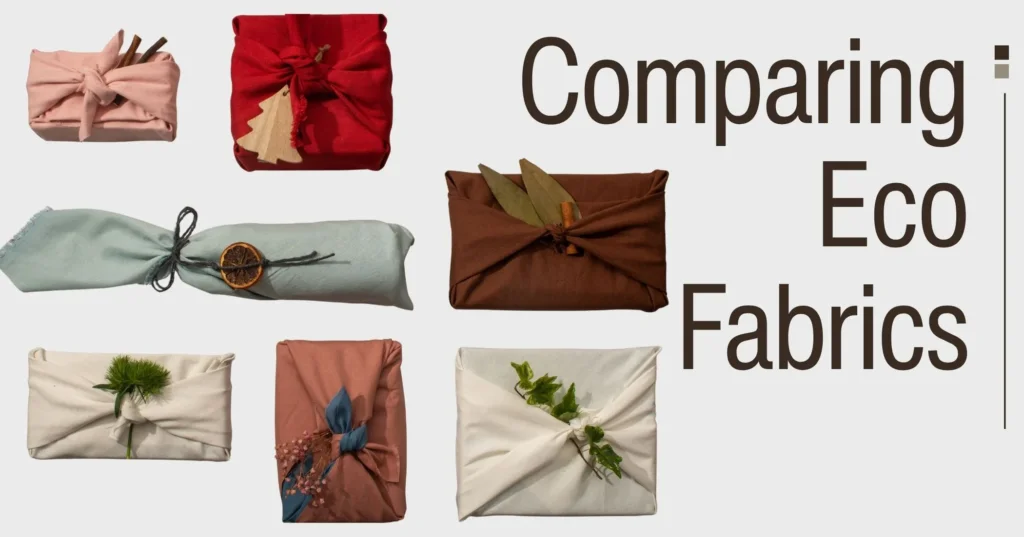
Choosing between different eco-friendly fabrics can feel overwhelming. While every material has its strengths, comparing them side by side makes the decision much easier.
Use this quick guide to match your clothing needs with the right fabric.
| Fabric | Sustainability Level | Durability | Breathability | Maintenance | Best For |
| Organic Cotton | Excellent | High | Excellent | Easy | Everyday basics, T-shirts, underwear |
| Hemp | Excellent | Excellent | High | Easy | Shirts, trousers, jackets |
| Linen | Excellent | High | Excellent | Moderate | Summer clothing, dresses |
| TENCEL Lyocell | Excellent | High | Excellent | Easy | Office wear, casual outfits |
| Bamboo Lyocell | Very Good | High | Excellent | Easy | Loungewear, sleepwear |
| Recycled Cotton | Very Good | Moderate | High | Easy | Hoodies, casual wear |
| Recycled Polyester | Good | Excellent | Moderate | Very Easy | Activewear, outdoor clothing |
| Responsibly Sourced Wool | Very Good | Excellent | High | Moderate | Sweaters, winter wear |
Instead of focusing on trends, compare fabrics based on durability, comfort, and environmental impact. A thoughtful purchase today often means fewer replacements tomorrow.
Fabrics That Sound Sustainable But Need a Closer Look
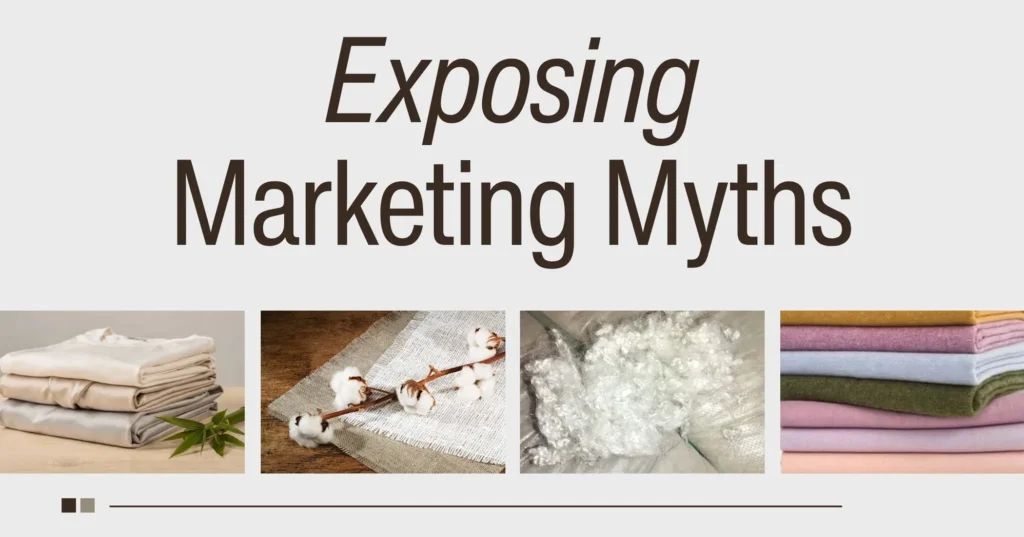
Not every fabric labeled as “green” is as sustainable as it appears. Clever marketing can make some materials sound environmentally friendly, even when their production has significant drawbacks.
Before adding a new item to your cart, pay attention to these commonly misunderstood materials.
Watch Out For
- Don’t rely on marketing claims alone.
- Read the fabric composition carefully.
- Look for third-party certifications.
- Understand how the material is processed.
- Consider the garment’s full lifecycle.
Conventional Bamboo Viscose
Many shoppers assume all bamboo fabrics are eco-friendly because bamboo grows quickly.
However, conventional bamboo viscose is often manufactured using intensive chemical processes that can create environmental concerns if waste isn’t properly managed.
If you’re buying bamboo clothing, choose bamboo lyocell instead whenever possible.
Conventional Cotton
Cotton is natural, but conventional cotton farming often requires significant amounts of water, pesticides, and synthetic fertilizers.
This doesn’t mean you should avoid cotton entirely. Instead, choose organic cotton, which generally has a much lower environmental impact while offering the same everyday comfort.
Virgin Polyester
Virgin polyester is inexpensive and durable, but it’s made from non-renewable fossil fuels.
It also sheds tiny plastic fibers during washing, contributing to microplastic pollution in rivers and oceans.
Whenever performance clothing is necessary, recycled polyester is typically the better option.
Fabric Blends
Blending fibers can improve stretch, softness, or durability, but it also makes recycling much more difficult.
For example, a cotton-polyester blend is harder to separate into reusable materials than a garment made from a single fiber.
Sustainable shopping isn’t just about choosing natural fibers, it’s about understanding how every fabric is produced, used, and eventually disposed of. The more informed your choices, the greater your positive impact on the environment.
How to Choose Sustainable Fabrics When Shopping
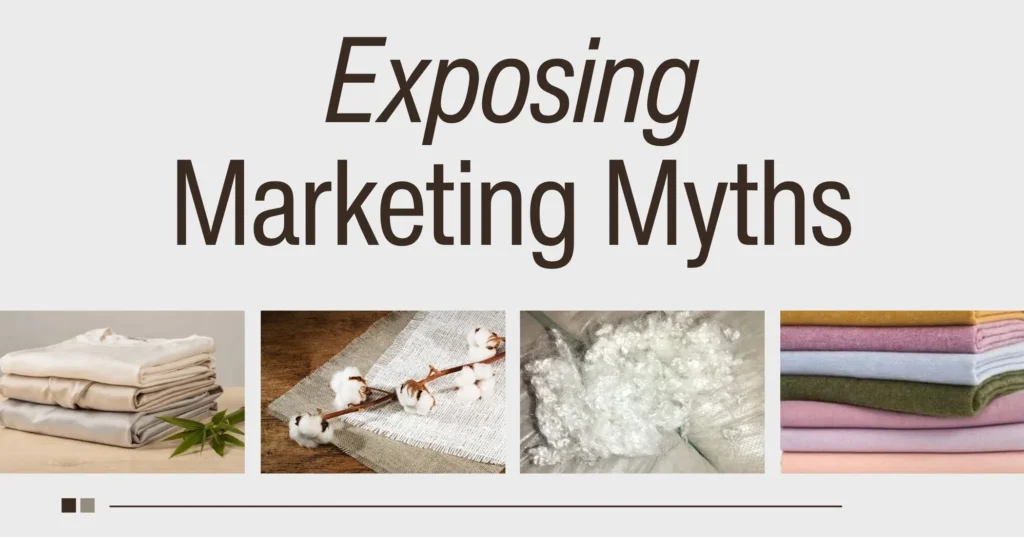
Knowing about the best sustainable fabrics is only half the journey. The next step is learning how to identify them when you’re shopping. Clothing labels and marketing claims can sometimes be confusing, but a few simple checks can help you make more informed choices.
Before you buy your next outfit, keep these tips in mind:
- Look for trusted sustainability certifications.
- Read the fabric composition carefully.
- Prioritize quality over quantity.
- Think about how you’ll care for the garment.
- Choose timeless styles you’ll wear often.
A little extra attention while shopping can help you build a wardrobe filled with eco-friendly fabrics that last longer and create less waste.
Check Certifications
Certifications provide independent verification that a fabric meets certain environmental or ethical standards. They can help distinguish stronger claims from vague green marketing. GOTS Version 8.0 strengthens supply-chain accountability, while OEKO-TEX® STANDARD 100 focuses on testing textiles for harmful substances.
Some of the most reliable certifications include GOTS (Global Organic Textile Standard), OEKO-TEX STANDARD 100, FSC Certification, Responsible Wool Standard (RWS), Global Recycled Standard (GRS). Certification is also only one part of responsible sourcing; social and labor practices matter too, which is where ethical fashion vs sustainable fashion becomes relevant when evaluating a brand’s broader approach.
While not every sustainable garment carries a certification, seeing these labels is usually a positive sign.
Read Fabric Labels
The front tag may highlight one sustainable material, but the fabric label tells the full story.
For example, a shirt advertised as “made with organic cotton” may contain only a small percentage of organic fibers blended with conventional materials.
Whenever possible, choose garments with a high percentage of sustainable fibers, especially if durability and recyclability are important to you.
Buy Fewer Better Clothes
One of the simplest ways to reduce your fashion footprint is to buy less. Building a smaller wardrobe can be easier when you choose colors that work across multiple outfits; practical planning such as capsule wardrobe can help reduce unnecessary purchases.
Instead of filling your wardrobe with trendy pieces you’ll wear a few times, invest in versatile clothing made from natural sustainable fabrics that can be styled throughout the year. The WRAP Sustainable Clothing Guide also emphasizes designing and buying clothing with durability, repair, and reuse in mind.
Ask yourself a few questions before purchasing:
- Will I wear this regularly?
- Can I style it in different ways?
- Is it made to last?
- Do I already own something similar?
Choosing quality over quantity saves money over time and helps reduce textile waste.
Think About Care
Even the most sustainable garment needs proper care to maximize its lifespan.
Simple habits can make a big difference, such as washing clothes in cold water, air-drying whenever possible, and repairing small tears instead of replacing garments.
You can also reduce environmental impact by:
- Washing only when necessary.
- Using gentle detergents.
- Avoiding excessive heat during drying.
- Storing clothes properly between seasons.
The longer your clothes stay in good condition, the more sustainable they become. These habits are especially useful for garments you rely on frequently, including pieces packed into a travel capsule wardrobe where versatile, durable items can reduce the need to overpack.
Frequently Asked Questions
What is the most sustainable fabric for clothing?
Hemp is widely considered one of the most sustainable fabrics because it requires little water, grows quickly, and produces durable clothing that lasts for years.
Which sustainable fabric lasts the longest?
Hemp and responsibly sourced wool are among the most durable sustainable fabrics, making them excellent long-term wardrobe investments.
Is bamboo fabric sustainable?
Bamboo lyocell can be sustainable, but conventional bamboo viscose often involves intensive chemical processing, so always check the manufacturing method.
Is recycled polyester eco-friendly?
Recycled polyester reduces plastic waste and fossil fuel use compared to virgin polyester, making it a better option for activewear despite its microplastic concerns.
Which sustainable fabric is best for hot weather?
Linen is one of the best sustainable fabrics for hot weather because it’s lightweight, breathable, and naturally cooling.
Tags:

Team NineE AI
Team NineE AI is the collective voice behind NineE AI's editorial desk, bringing together writers, r...
Read More
Get Latest Fashion Insights, Before Everyone Else.