Create Your Agent

Updated on Nov 23, 2026
Onitsuka Tiger: The Story Behind Its Iconic Mexico 66 Sneakers
Brand StoriesSmit Rangras13 Mins reading time
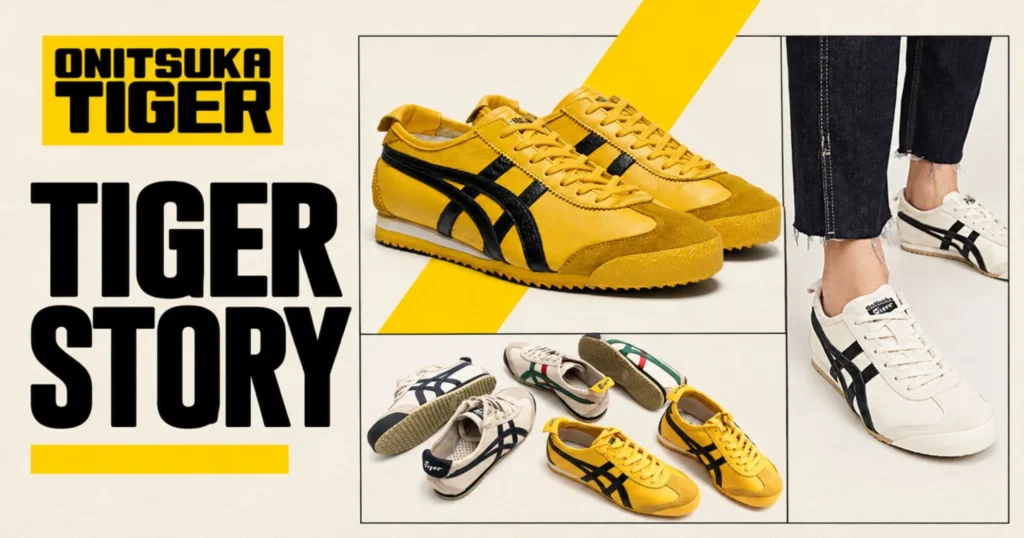
Onitsuka Tiger began as a small shoemaker in post-war Japan, and today people love it worldwide. Its Mexico 66 sneaker is a big reason why. This slim, low-top shoe started as gear for athletes. Now, people wear it to work, to class, and to concerts. So, how did that happen? The answer is a mix of smart ideas, bold design, and great timing. In this blog, you will see how a sports brand became a global fashion name. Also, you will learn why the Mexico 66 still feels fresh after all these years.
TL;DR:
- Kihachiro Onitsuka started the brand in 1949 to help Japan’s youth through sport.
- The famous tiger stripe first appeared in 1966 and became the brand’s signature.
- The Mexico 66 began as a shoe for the Olympic trials in Mexico City.
- Films, music fans, and fashion lovers moved the shoe from the track to the street.
- Newer models carry the same sports spirit to fresh fans today.
How Onitsuka Tiger Started Its Journey
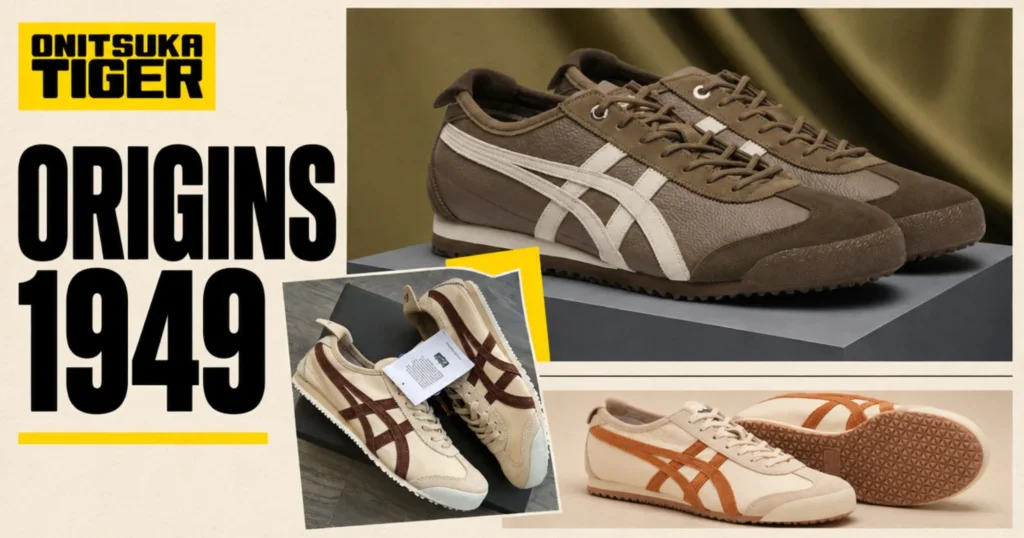
The Story of Kihachiro Onitsuka
Kihachiro Onitsuka lived in Kobe, Japan, when World War II ended. Many cities were damaged. Many young people felt lost. However, he had a hopeful idea. He believed sport could help the youth heal and grow. Moreover, he thought sport could bring communities together.
His idea came from a Latin saying, “Anima Sana In Corpore Sano.” It means a sound mind in a sound body. Later, those words gave the world the name ASICS. So, the goal was always clear. The best shoes for women and young people help them play. Play builds strong bodies and happy minds. In 1949, he started his shoe company to turn that belief into real products.
How the Brand Entered Sports Footwear
At first, the company made basketball, football and cricket shoes. This choice made sense. Basketball needs quick stops and sharp turns. Players often slipped on normal soles, so Onitsuka searched for a better grip.
The answer came from dinner. A piece of octopus stuck to a salad bowl served to him. He noticed how firmly the tentacle held on. As a result, the 1951 OK Basketball Shoe got a suction cup sole. Players could stop fast and change direction with ease. Soon, a Japanese high school team wore the shoes and won its championship. That win showed that clever ideas could beat old designs.
Next, he turned to running. In 1960, a hot bath gave him another idea. He watched the water wrinkle his toes. Then he linked heat to blisters on long runs. Therefore, he wanted shoes that let air move inside. He drilled small holes into the upper. The Magic Runner was lighter and cooler than other running shoes. This small step changed how people thought about airflow in athletic footwear.
How Japanese Design Shaped Its Early Shoes
Early shoes from the brand had a clear style. They were simple, light, and made with great care. Each pair solved one real problem. One fixed grip. Another fixed heat. A later one fixed shock on hard tracks. Because of this, the shoes felt useful, not flashy.
Furthermore, Japanese craftsmanship mattered a lot. Makers paid close attention to stitching, fit, and balance. That habit still shapes Onitsuka Shoes today. In short, this Japanese footwear brand grew from patient work, not loud marketing.
How Onitsuka Tiger Built Its Sports Heritage
How the Brand Developed Shoes for Athletes
Athletes were the brand’s best teachers. The team listened to runners, tested new ideas, and then improved each pair. As a result, performance always came first.
The 1964 Tokyo Games showed this clearly. There, the Runspark made its debut. It was the brand’s first fixed spike shoe for track athletes. Runners could pick from four spike lengths, based on track conditions. Additionally, the heel used soft layers of sponge to soak up shock. These track and field shoes proved that Japanese design could compete on the world stage.
How Tiger Stripes Became a Recognisable Feature
In 1966, the famous tiger stripe first appeared. It showed up on the Limber Up Leather BK, a shoe made for the 1968 Mexico Olympic Games. The stripe looked sharp. Yet it also had a job. It gave the leather upper extra support and shape. Over time, it became a signature mark.
Even now, the stripe marks both ASICS Onitsuka Tiger shoes and ASICS running shoes. That is rare. Few design details survive for more than fifty years.
How International Sports Events Raised Its Profile
Big events gave the brand a global stage. Tokyo in 1964 and Mexico City in 1968 put Japanese athletes and their shoes in front of the world. Because of this, other countries started to notice.
One visitor was Phil Knight, an American runner and business student. He met Kihachiro Onitsuka while studying how to sell athletic shoes. He loved the product. So, he started Blue Ribbon Sports to sell the shoes in the United States. That company later became Nike. Interestingly, the brand later made the Tiger Cortez after Blue Ribbon Sports asked for it.
Then, in 1977, Onitsuka’s company joined with two others and became ASICS. From that point, the focus moved toward high-tech performance running.
How the Mexico 66 Sneaker Was Born
The Connection With the 1966 Olympic Trials
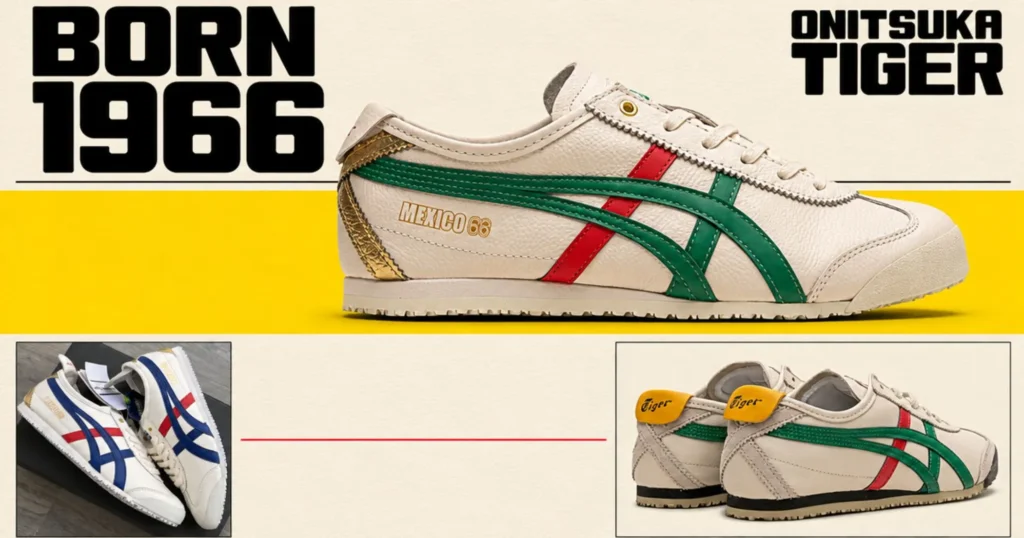
Mexico City was set to host the 1968 Olympic Games. Before that, teams took part in pre-Olympic trials there in 1966. The brand needed a shoe that looked good and moved fast. So, the team made the Limber Up Kawa BK. “Kawa” means leather in Japanese. The shoe debuted at those trials.
Years later, the brand revived the shoe and named it Mexico 66. The name honours that first year and place. Therefore, that early pair is the root of the Onitsuka Tiger Mexico 66 we know today.
How the Mexico 66 Design Took Shape
Athletes needed shoes that were light and close to the ground. So, the design stayed low and slim. The leather upper wrapped the foot neatly. Underneath, a flat rubber sole gave steady grip. Nothing was extra. Every part had a purpose.
This is where the style came from. The look was clean because the job was simple. Moreover, the low cut allowed free ankle movement, which runners and jumpers needed.
Why Its Stripes and Slim Silhouette Stood Out
First, think about the stripes. They run across the side in a bold pattern, so you can spot them from far away. Second, look at the shape. Compared with chunky trainers, this shoe looks neat and slim. Finally, consider the colours. Classic white with bold stripes looks sharp, while bright shades really pop. Together, these parts made a minimalist sneaker, such as a white sneaker, long before minimalism became a trend.
What Makes the Onitsuka Tiger Mexico 66 Iconic?
Its Distinctive Tiger Stripes
Many shoes have stripes. Few have stripes with a story. Here, the stripes tie back to 1966, to the Olympic path, and to a founder with a big idea. Because of that, they feel earned. Also, they are easy to spot. People recognise Tiger Shoes in a second, even in a crowd.
Its Slim Shape and Retro Design
The shape is low and light. It also has a vintage charm that never gets old. As a result, fans of retro sneakers love it. So do people who want vintage sneakers with a clean finish. The smooth leather adds a polished feel. Moreover, the shoe pairs easily with jeans, skirts, or even suits.
Its Connection to Japanese Footwear History
This sneaker carries decades of Japanese footwear history. It reflects the post-war drive to rebuild through sport. It also shows the brand’s habit of fixing real problems with simple ideas. Meanwhile, the brand still proudly highlights its Japanese roots. For example, its Nippon Made line is handmade by Japanese craftsmen. Each pair uses slow leather tanning and washing methods, so no two pairs look the same. Therefore, owning a pair feels like holding a small piece of that story.
How Mexico 66 Moved From Sports to Street Style
How the Sneaker Reached Beyond Athletic Use
In the 1970s, jogging became a worldwide habit. Meanwhile, running brands chased new technology. After the ASICS merger, the older Tiger looked and stayed quiet for a while.
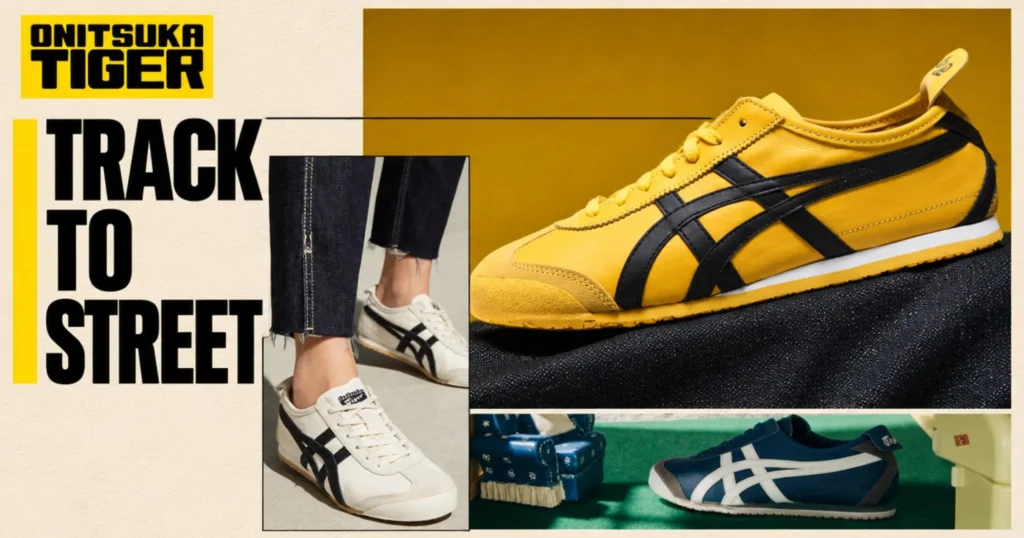
Then, in 2002, the brand relaunched the Onitsuka Tiger name. It took its original sports shoes as a starting point. The team changed the cuts, colours, and build to suit daily life. Mexico 66, California 78, and Nippon Made were among the first to return. This was a revival, not a copy.
How Pop Culture Increased Its Popularity
Movies gave the shoe a huge boost. A bright yellow pair with black stripes starred in the 2003 film Kill Bill. Soon, those Tiger Sneakers gained cult status. Fans also link the yellow and black look to Bruce Lee’s famous Game of Death outfit. Because of these screen moments, the shoes gained a cool, rebellious image.
In 2010, the brand fuelled the buzz further. It made only 250 pairs of its yellow Tai Chi sneaker. Then, it hand-delivered each pair in a Chinese takeaway box. Naturally, sneaker fans loved the surprise.
How Fashion Trends Renewed Interest in the Design
Style trends also helped. In the early 2020s, low-profile retro sneakers returned to fashion. The Mexico 66 fit right in. Celebrities and young shoppers loved its unusual silhouette and fun colours. As a result, it became a lifestyle staple, and it helped the brand compete with giants like Nike and Adidas.
Collaborations kept the shoe fresh. The brand worked with visual artists, fashion designers, art groups, and sneaker boutiques. Each project added a new twist while keeping the classic shape.
How Onitsuka Tiger Expanded Its Sneaker Collection
How Models Like Ultimate 81 Built on Its Sports Heritage
The brand did not stop at one hero shoe. The Onitsuka Tiger Ultimate 81 shows this growth well. Its name points to the early 1980s running era. Like the Mexico 66, it mixes athletic roots with a clean, wearable look.
The California 78 is another strong example. It was made for jogging. The wide, rounded heel helped with balance. The curved-up toe helped with forward movement. Even better, reflective patches on the back let drivers see runners from 300 metres away at night. That is smart, practical design.
How Classic Designs Reached New Generations
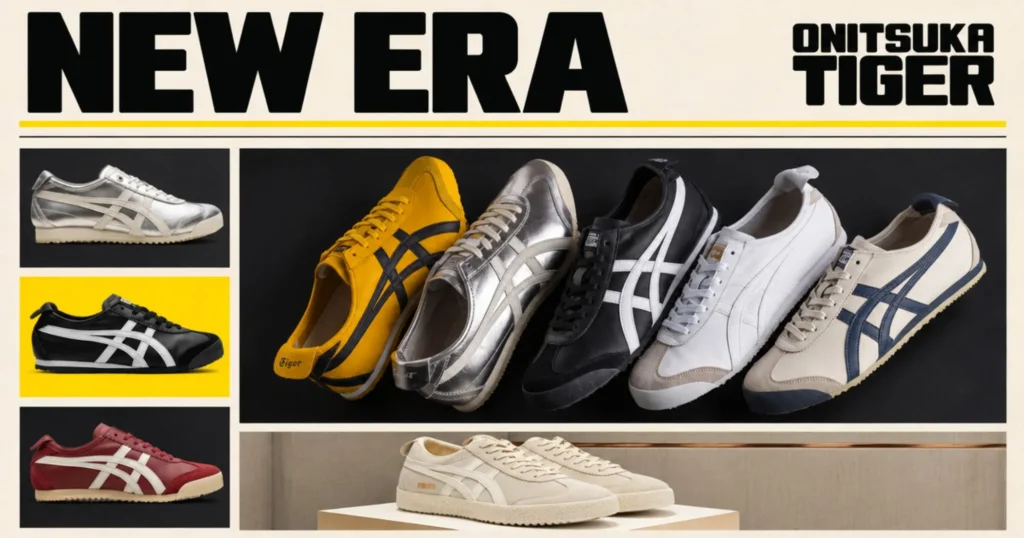
Reissues helped classics meet new fans. The brand offered fresh colours, new materials, and new forms. For example, Mexico 66 now comes in Slip-On, SD, and Paraty versions. Each one keeps the stripes but changes the feel.
Limited editions added fun, too. In 2013, the brand made 1978 pairs of the California 78 to mark its 35th year. Earlier, between 2007 and 2009, it even built meter-long shoes with Japanese themes. Clearly, the brand loves to play with its past.
How the Brand Balanced Heritage and Modern Fashion
The balance is tricky, yet the brand handles it well. It keeps the old stripe, the slim shape, and the focus on craft. At the same time, it updates colours, collaborations, and styling. Colour choices also influence how sneakers fit into everyday outfits. Exploring capsule wardrobe colors can help you understand how different shades work together to create versatile looks.
Today, Onitsuka Tiger Footwear sits beside clothing, bags, and accessories in a full lifestyle range. Even so, the sneakers remain the heart of the story. The brand also marked its 75th anniversary, which proves how long that story has lasted.
The Bottom Line
The journey started with a simple wish to help young people through sport. Then came clever ideas, from an octopus-inspired sole to airy running shoes. Next, the stripe arrived in 1966 and gave the brand a face. Finally, movies, collaborations, and fashion trends carried the design into daily life.
That is why Onitsuka Tiger keeps winning new fans. The Mexico 66 sneakers are slim, simple, and full of history. They work on the track, in the office, and on the street. In other words, this shoe proves that good design never goes out of style.
FAQs
When was Onitsuka Tiger founded?
The brand was founded in 1949 in Kobe, Japan. It began just after World War II. Its early goal was to support Japan’s youth through sport.
Who founded Onitsuka Tiger?
Kihachiro Onitsuka founded the brand. He believed sport could rebuild communities and lift young people. His clever grip and airflow ideas shaped its first shoes.
What is the story behind Mexico 66?
The shoe debuted in 1966 as the Limber Up Kawa BK. It was made for athletes in the Olympic trials in Mexico City. Years later, the brand named it Mexico 66 to honour that moment.
Why does Onitsuka Tiger use tiger stripes?
The stripes first appeared in 1966. They gave the leather upper extra support, and they also gave the shoes a bold look. Over time, they became the brand’s signature mark.
Is Onitsuka Tiger connected to ASICS?
Yes. The company joined with two others in 1977 to become ASICS. The name itself comes from a Latin saying about a sound mind in a sound body. Many people also call the shoes ASICS Tiger Shoes.
What makes Mexico 66 sneakers different?
Their slim, low-top shape stands out. The bold stripes add instant character. Also, the shoe has real Olympic-era roots, so it offers both story and style.
Are Onitsuka Tiger shoes suitable for everyday wear?
Yes, they are. Light leather, a flat sole, and a low cut make them easy to wear all day. Many people choose them for work, travel, and casual outings.
How can you style Onitsuka Tiger Mexico 66 sneakers?
Pair them with straight jeans for a classic look. Try them with a summer dress for a fresh contrast. You can also wear them with tailored trousers. Choose white for versatility or a bright shade for a bold finish.
The brand was founded in 1949 in Kobe, Japan. It began just after World War II. Its early goal was to support Japan’s youth through sport.
Kihachiro Onitsuka founded the brand. He believed sport could rebuild communities and lift young people. His clever grip and airflow ideas shaped its first shoes.
The shoe debuted in 1966 as the Limber Up Kawa BK. It was made for athletes in the Olympic trials in Mexico City. Years later, the brand named it Mexico 66 to honour that moment.
The stripes first appeared in 1966. They gave the leather upper extra support, and they also gave the shoes a bold look. Over time, they became the brand’s signature mark.
Yes. The company joined with two others in 1977 to become ASICS. The name itself comes from a Latin saying about a sound mind in a sound body. Many people also call the shoes ASICS Tiger Shoes.
Their slim, low-top shape stands out. The bold stripes add instant character. Also, the shoe has real Olympic-era roots, so it offers both story and style.
Yes, they are. Light leather, a flat sole, and a low cut make them easy to wear all day. Many people choose them for work, travel, and casual outings.
Pair them with straight jeans for a classic look. Try them with a summer dress for a fresh contrast. You can also wear them with tailored trousers. Choose white for versatility or a bright shade for a bold finish.
Tags:

Smit Rangras
Product Associate, NineE
Smit works on the product team at NineE, helping shape how the platform is built and how it serves t...
Read More
Get Latest Fashion Insights, Before Everyone Else.