Updated on Oct 4, 2026
Alo Yoga: Rise From Yoga Wear to Global Activewear
Brand StoriesSmit Rangras14 Mins reading time
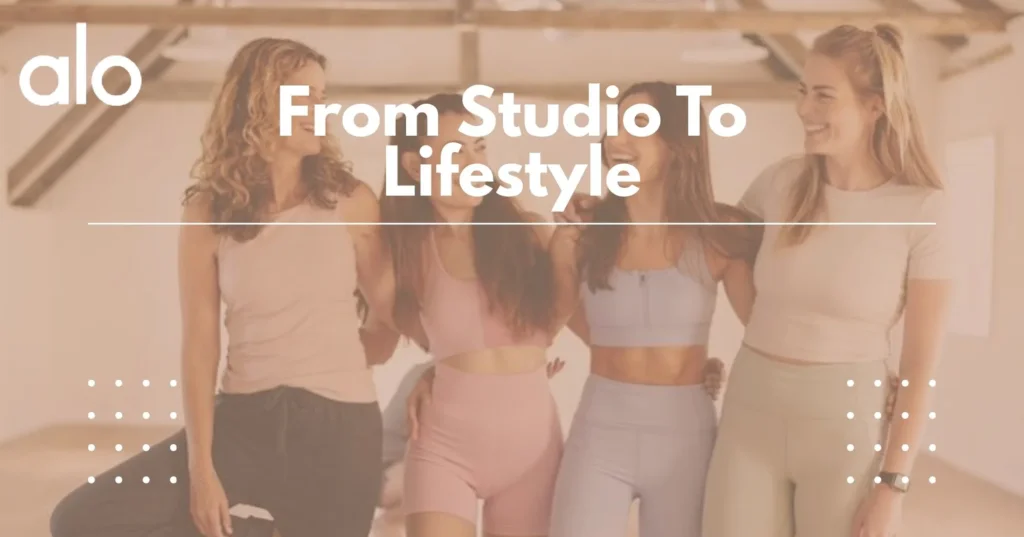
Alo Yoga began in 2007 as a small yoga clothing line run by two childhood friends in Los Angeles, at a time when most people still wore old gym shorts to class. Nearly twenty years later, that same brand sells leggings, sweatshirts, sneakers, and even leather bags in dozens of countries. So, how did Alo Yoga make that leap from a niche yoga label to a global lifestyle brand?
TL;DR
- Danny Harris and Marco DeGeorge, childhood friends, founded the brand in Los Angeles in 2007. The name stands for “air, land, ocean.”
- Both men came to yoga for personal reasons. DeGeorge was recovering from a back injury, and Harris was dealing with anxiety.
- Their earlier business, Color Image Apparel, already made clothing at scale, which gave the new label a manufacturing base most startups never get.
- The first physical store opened in Beverly Hills on April 20, 2016, after years of selling mostly online.
- Alo Moves, the brand’s digital yoga platform, launched around 2017, and it turned a clothing label into something closer to a wellness company.
- By 2022, reported sales passed $1 billion, and Forbes estimated Color Image Apparel’s 2024 revenue at close to $2 billion, with Alo making up most of it.
The Origins of Alo Yoga in Los Angeles
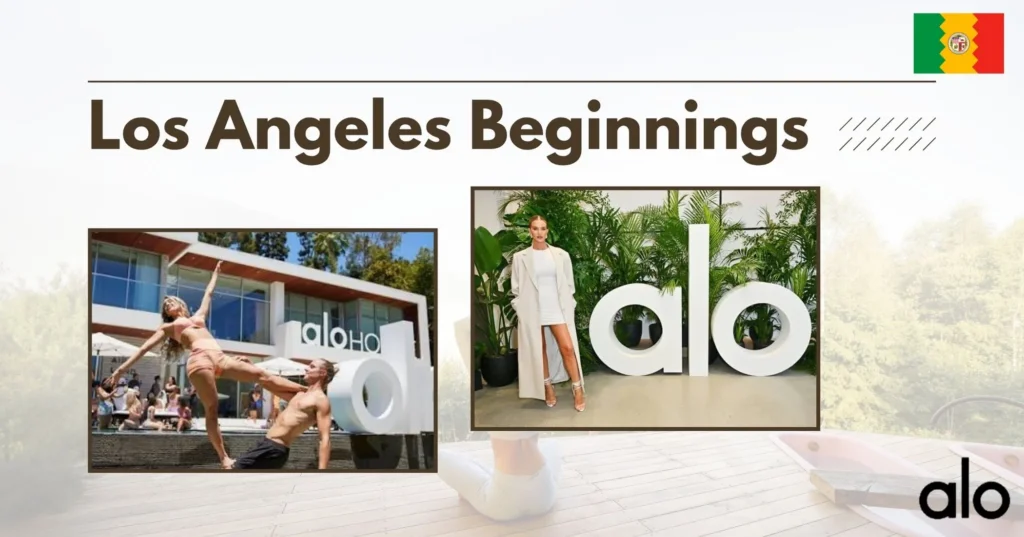
Plenty of fashion brands begin with a designer and a sketchbook. This one began with two guys who already knew how to make a lot of T-shirts.
How Danny Harris and Marco DeGeorge Started Alo Yoga
Harris and DeGeorge grew up as friends, and after college they turned a small screen-printing side hustle into Color Image Apparel, a company that produced basics like shirts and tanks in huge volume. One of its brands, Bella+Canvas, eventually became one of the largest blank-shirt makers in the United States. So by the time they launched Alo in 2007, they weren’t guessing about fabric, factories, or shipping. They’d been doing it for years.
Yoga entered the picture in a personal way. DeGeorge had dealt with back problems since childhood and turned to yoga for recovery, while Harris used it to manage anxiety. Both stuck with it, and that’s where the idea came from. They wanted clothing that matched how yoga actually felt to them, and they picked a name to go with it: air, land, ocean.
Why Yoga Became the Foundation of the Alo Brand
Timing helped a lot. Back in 2007, the athleisure category as we know it barely existed. Lululemon was still fairly new, and most yoga clothing was functional but plain, built for the mat and nothing else. The evolution of athleisure was already beginning to blur the line between workout wear and everyday clothing. Harris and DeGeorge saw a gap between clothes people practiced in and clothes people actually wanted to wear afterward. Because yoga was personal for them, the brand carried a calm, mindful tone from day one.
How Alo Yoga Created the Studio-to-Street Concept
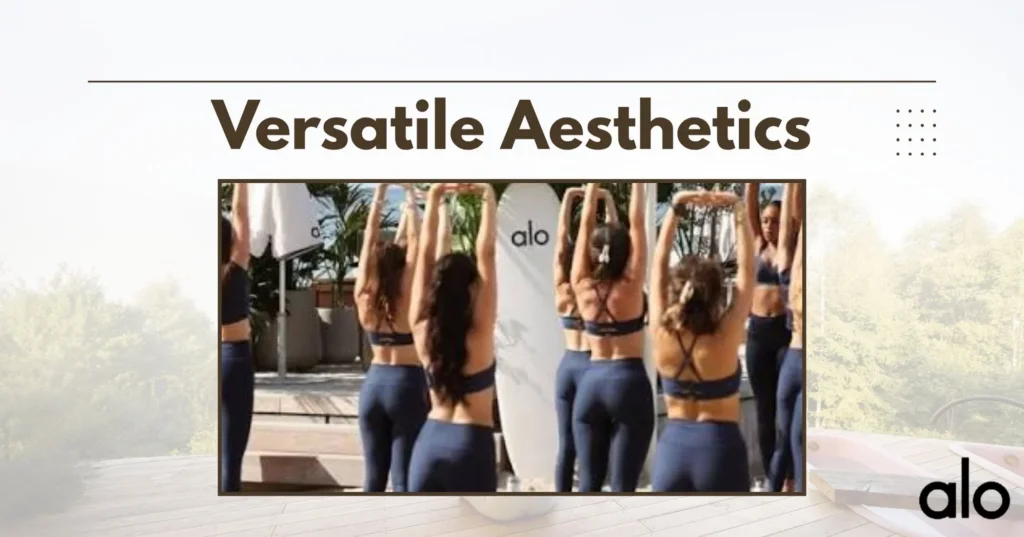
If one idea explains the brand, it’s this one. The company keeps calling it “studio to street,” and honestly it fits.
Bringing Yoga Clothing Into Everyday Life
The pitch was simple. A legging that works in a hot class should also work at coffee afterward, and maybe on a flight too. That sounds obvious today, but in 2007 most technical yoga gear looked like it belonged only in a studio. Alo leaned into cleaner cuts, softer colors, and silhouettes that didn’t scream “workout,” so wearers could stay in them all day without feeling underdressed.
Combining Performance With Modern Fashion
Performance still mattered, of course. Fabrics had to stretch, hold shape, and survive sweat. But the design team paid just as much attention to how each piece looked in photos and on the street. As activewear continues to evolve, fabrics such as organic cotton also highlight how material choices can influence comfort, feel, and everyday wearability. That mix of function and fashion is what set the label apart from gear that only nailed one side.
How Alo Yoga Built Its Signature Product Identity
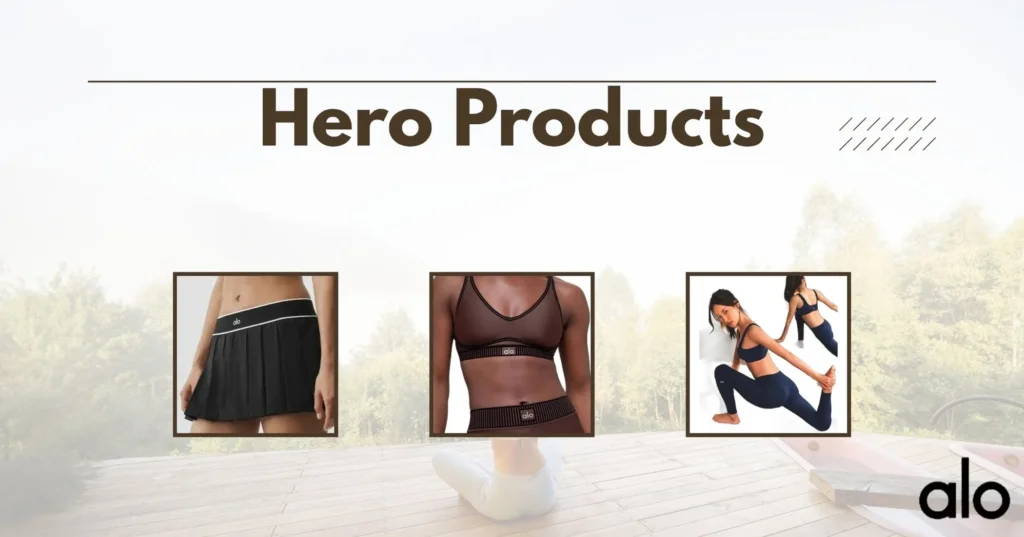
Every successful activewear brand has a hero product. Alo has a few, and they show up in almost every celebrity photo you’ve seen.
Alo Leggings and Alo Yoga Airlift Leggings
The Airlift activewear became the brand’s calling card. Its high shine, sculpting fit, and stay-put feel made it instantly recognizable, and the Airlift fabric has since spread across bras, shorts, and matching sets. Forbes noted that the leggings retail around $118, and the biker shorts around $68, which puts Alo clearly in premium territory rather than the mass market. Even so, the leggings became a status item, partly because people could spot them from across a room. Alo leggings also come in seasonal colors and limited editions, so fans tend to collect them rather than buy just one pair.
Alo Yoga Tops, Pants, and Sweatshirts
Around the leggings, the company built out a full wardrobe. Bras and bodysuits sit at the center, followed by relaxed pieces such as an oversized alo yoga sweatshirt or a cozy pair of alo yoga sweatpants for the trip home. Alo yoga pants in soft, wide-leg cuts filled another niche, giving customers something less form-fitting for travel days. Each item connects to the next, so many shoppers end up buying whole outfits instead of single pieces.
How Alo Yoga Expanded Beyond Traditional Yoga Wear
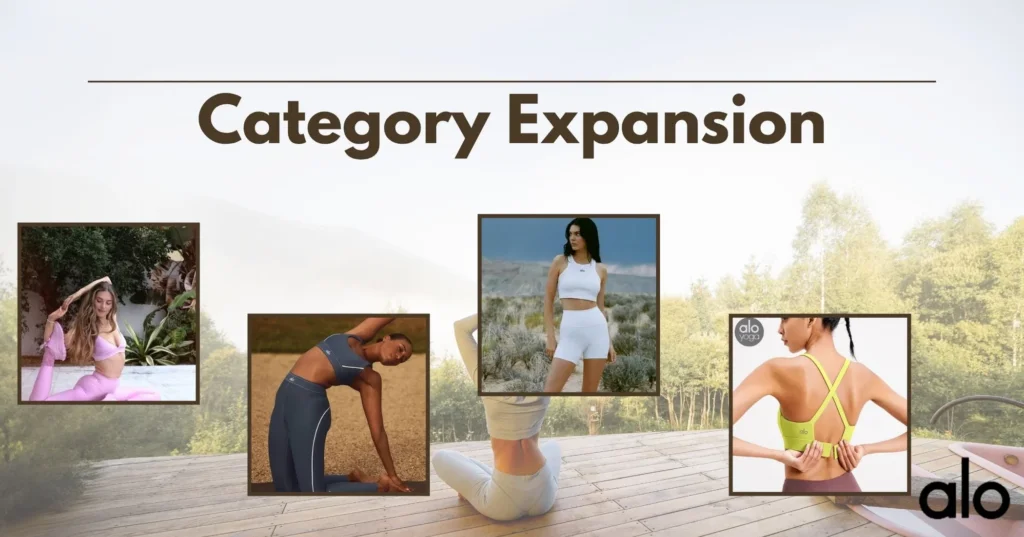
A brand that only sells yoga clothing eventually hits a ceiling. Alo pushed past it by widening what “movement” meant.
From Yoga Clothing to Everyday Activewear
Over the years, the label added running gear, tennis pieces, and cold-weather layers, so it could serve people who don’t practice yoga at all. That shift turned a niche yoga label into a full activewear brand, one that competes with much larger names for a slice of the same closet.
Alo Joggers, Shorts, Vests, and Cargo Styles
The casual side grew quickly. Alo joggers became a staple for men and women, alo yoga shorts covered summer and studio, and an alo vest offered a lightweight layer for cooler mornings. Later, Alo cargo pants and Alo skirts pushed the line further toward everyday fashion. The clothing now spans yoga, gym sessions, travel, and plain errands, reinforcing the brand’s tailored pants and broader studio-to-street approach.
How Celebrity Culture Helped Grow the Alo Brand

You can’t tell this story without talking about who wears the clothes. Celebrity fans shaped the reputation of Alo Yoga almost as much as the products did.
Celebrity Visibility and Alo Clothing
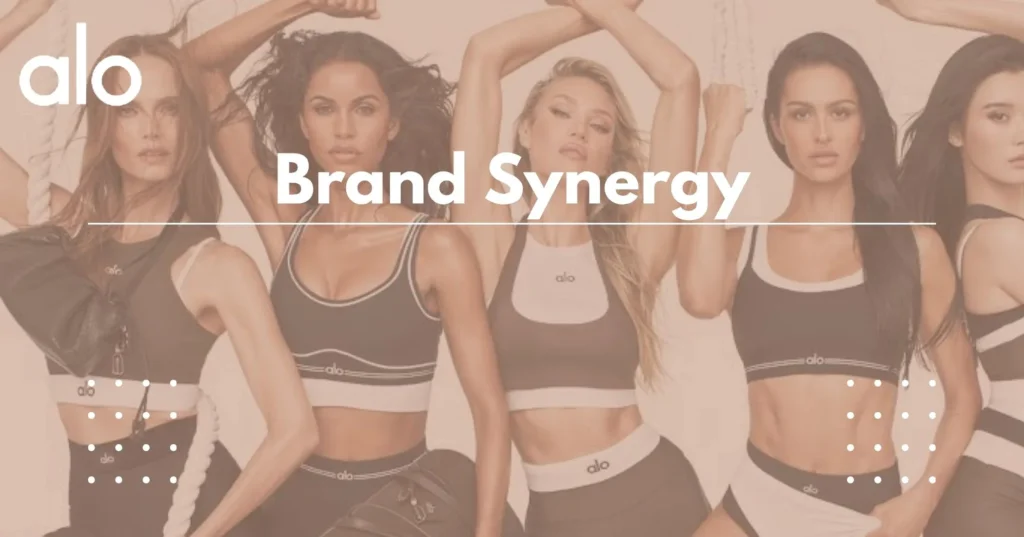
Paparazzi shots of Hailey Bieber leaving a store in Airlift leggings, or Taylor Swift, Kendall Jenner, and Bella Hadid wearing pieces on ordinary days, spread across social feeds within hours. Some of those partnerships are paid, but a lot of the exposure looks unplanned, which is exactly why it works. Alo clothing appears in real-life moments, so it reads as authentic rather than staged. Later, official campaigns starring Bella Hadid and Kylie Jenner followed.
How Influencers Increased Brand Awareness
Beyond A-list names, a huge circle of fitness instructors, wellness creators, and everyday shoppers posted their own outfits. That kept the brand visible in feeds and group chats, and many followers copied what they saw. Because the leggings looked so distinctive, a matching set almost worked as its own advertisement.
How Social Media Became Part of the Alo Yoga Strategy
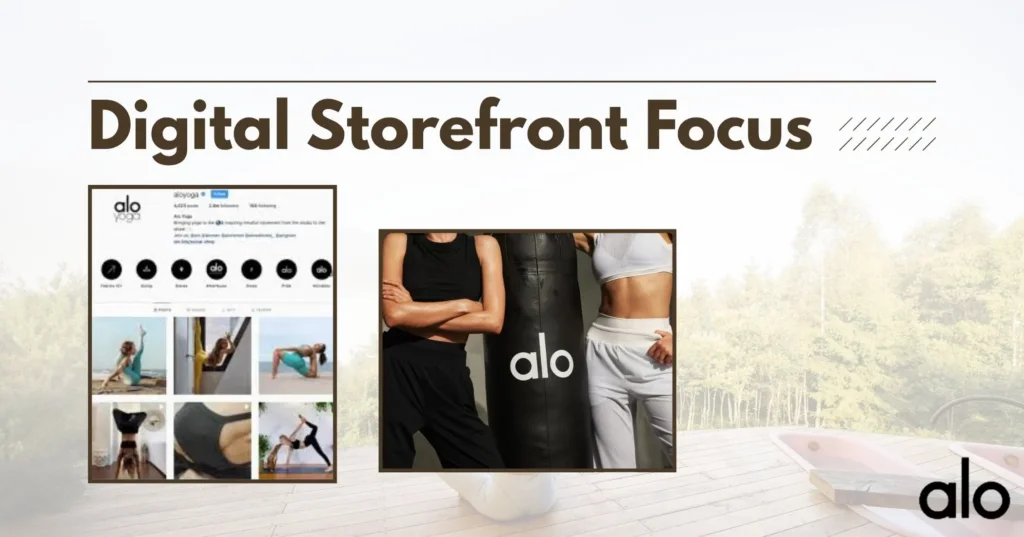
Alo didn’t treat social media as a side channel. It treated it like a storefront.
Building a Strong Visual Identity Online
Photos across Alo’s channels stay clean, warm, and minimal, with a lot of natural light, neutral tones, and calm poses. Anyone scrolling past can tell it’s the brand within a second, even without a logo.
Connecting Fitness, Fashion, and Lifestyle Content
Instead of posting only product shots, the brand mixed workouts, wellness tips, travel, and outfits together. So followers didn’t just see clothing, they saw an entire day built around movement. That lifestyle angle helped Alo stay relevant as trends shifted, since the audience followed the mood and not just the merchandise.
How Alo Moves Expanded the Brand Beyond Clothing
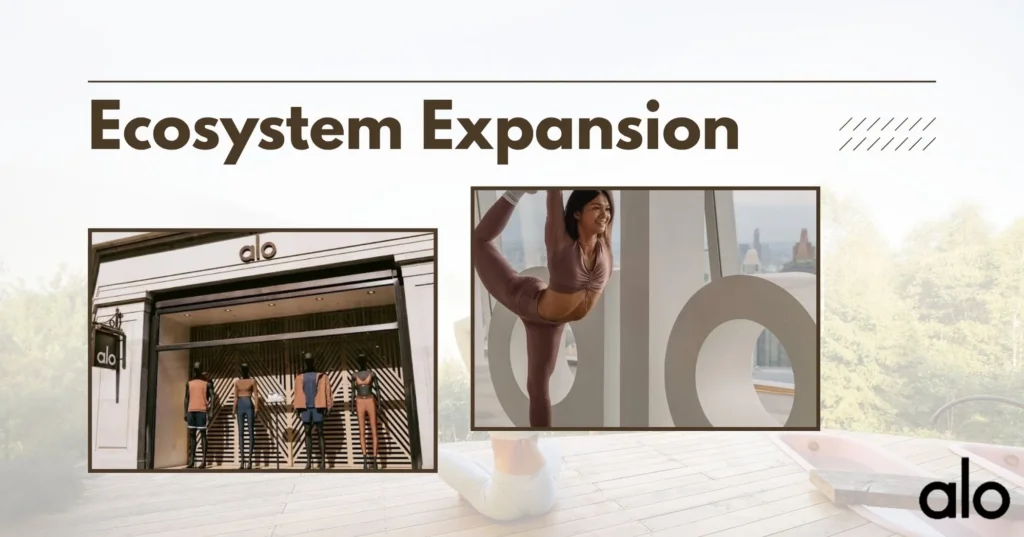
Alo Moves is probably the single move that separates Alo Yoga from most competitors.
Creating a Digital Wellness Platform
Launched around 2017, Alo Moves is a streaming platform offering yoga, Pilates, and fitness classes online. Analysts often point to it as the moment the label stopped being only an apparel company and started acting like a wellness ecosystem. Customers could practice at home with instructors while wearing the products, so the clothing and the content fed each other naturally.
Building a Community Around Yoga and Fitness
Live events, retreats, and in-person classes followed. Alo Moves even hosted a multiday retreat at a Waldorf Astoria property in Los Cabos in 2026, which shows how far the community has grown. Members feel like they belong to something, and that emotional loyalty is hard to copy with discounts alone.
How Alo Yoga Built a Lifestyle Around Wellness
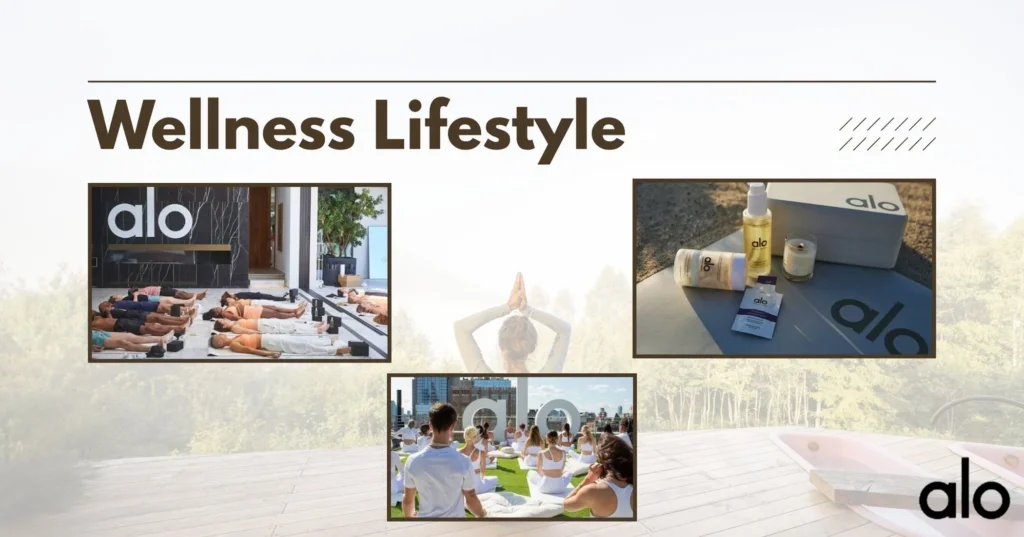
Once the community existed, the next step was turning wellness into an everyday habit, not an occasional event.
Connecting Activewear With Everyday Living
The brand’s message treats movement as part of normal life, from morning stretching to weekend hikes. Customers absorb that idea through classes, photos, and products, and soon the clothing feels less like gear and more like a routine.
Stores, Community, and Wellness Experiences
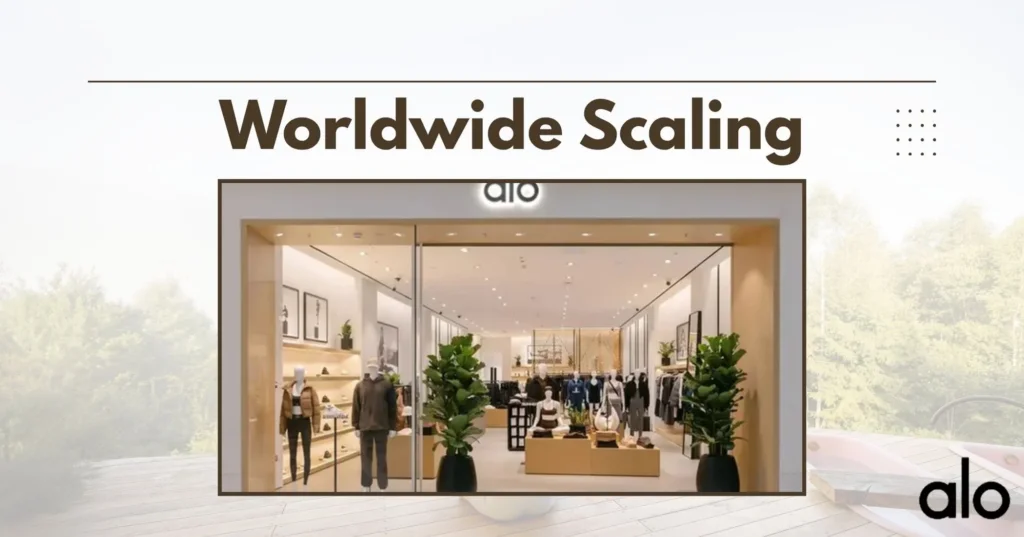
Alo calls its stores “sanctuaries,” and many include yoga studios, quiet corners, and spaces to hang out. The Beverly Hills flagship opened on April 20, 2016, and it reportedly features solar panels, gardens, and electric vehicle charging stations. So a shopping trip doubles as a small wellness experience, and that’s rare in ordinary retail.
How Alo Yoga Expanded Into a Global Activewear Brand
Once the model worked at home, growth abroad followed.
Growing From Los Angeles to International Markets
In 2021, all thirteen stores sat inside the United States. A year later, the brand opened an international flagship in Toronto, and expansion picked up fast after that. Forbes reports more than 150 stores worldwide, including 56 outside the U.S., while other reports put the count higher. Either way, the company went from an online label to a global retailer in less than ten years.
Expanding Alo Sportswear Across Different Audiences
Menswear grew alongside the women’s line, with pieces like pants, sweatpants, hoodies, and puffer jackets. Footwear, backpacks, and accessories arrived too, so alo sportswear now reaches shoppers who don’t fit the original yoga-studio profile. Broader audiences also keep the brand from depending on a single trend.
Alo Yoga’s Place in Modern Activewear and Athleisure
Today the label sits among the most talked-about names in premium athleisure.
The Growth of Women’s Athletic Wear and Mens Activewear
Women’s athletic wear drives most of the business, and shoppers often search for the best workout clothes for women when they land on Alo. Meanwhile, mens activewear keeps growing, helped by simple, well-cut basics that men can wear beyond the gym. Both sides benefit from the same principle: clean design plus comfortable fabric.
Alo Yoga Among Modern Gym Clothing Brands
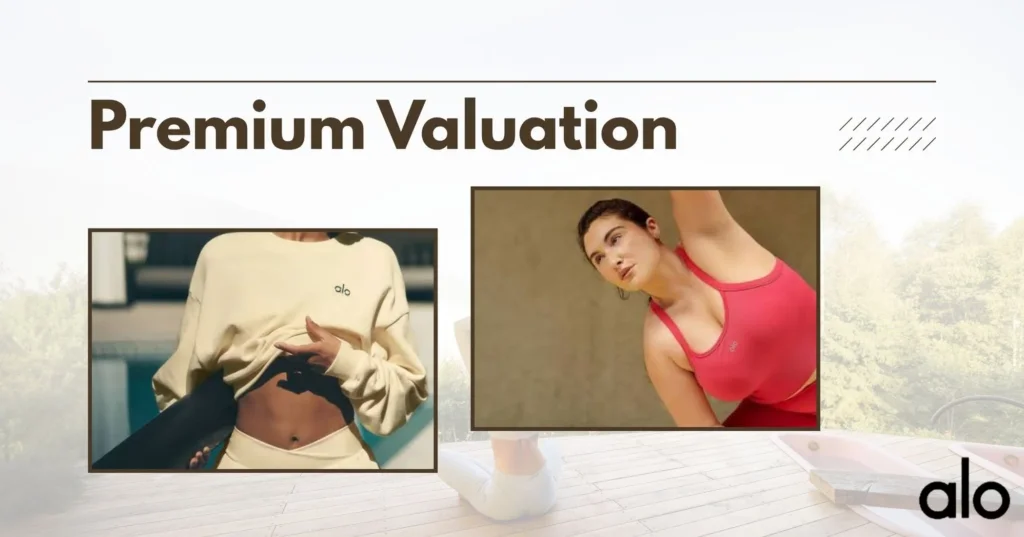
Among gym clothing brands and other workout clothing brands, Alo occupies the premium, style-first end of the market, next to names like Lululemon, though with a more fashion-forward, studio-to-street look. In 2023, the founders reportedly explored outside investment at a valuation near $10 billion, although no deal closed. ECDB estimates that Alo Yoga generated US$454 million in e-commerce GMV in 2025, with Alo Yoga revenue figures showing projected growth for 2026.
The Bottom Line: How Alo Yoga Built a Global Activewear Brand
The story really comes down to a few smart choices made in sequence. Two friends used their manufacturing know-how to make better yoga clothing, then widened the idea into everyday wear, then added celebrity attention, social media polish, a digital platform, and stores designed like sanctuaries. None of those steps was flashy on its own. Together, they turned a small Los Angeles label into a global name worth billions, and they did it without ever dropping the calm, mindful tone that started it all. That shift from performance clothing to everyday style helped Alo develop a recognizable fashion aesthetic that extends beyond traditional activewear.
FAQs
When was Alo Yoga founded?
2007, in Los Angeles. It stayed mostly online for years, and the first real store didn’t show up until 2016.
Who founded Alo Yoga?
Two childhood friends, Danny Harris and Marco DeGeorge. They still own it together, with Harris as CEO.
Where did Alo Yoga start?
Los Angeles. The first physical store opened in Beverly Hills on April 20, 2016, and that’s still where the company is headquartered.
What is Alo Yoga known for?
Mostly the Airlift leggings, honestly. Beyond those, it’s the studio-to-street look, clothes you can wear to class and then straight to lunch.
Why are Alo leggings popular?
The fit does a lot of the work, since they sculpt and stay put. Then celebrities keep getting photographed in them, which doesn’t hurt.
Is Alo Yoga a yoga clothing brand?
It started as one, sure. These days it sells way more than yoga gear, including lounge pieces, footwear, bags, and general activewear.
Does Alo Yoga make men’s activewear?
Yes. There’s a full men’s line with pants, sweatpants, hoodies, tops, outerwear, and even sneakers.
What makes Alo Yoga different from other activewear brands?
It sells a whole wellness lifestyle, not just clothes. There’s an online class platform, community events, and stores built more like calm spaces than shops.
Is Alo Yoga a sustainable activewear brand?
Not really; it’s not its main pitch. The brand has reportedly added solar panels and gardens at its Beverly Hills flagship, but if material claims matter to you, check the product pages directly.
2007, in Los Angeles. It stayed mostly online for years, and the first real store didn’t show up until 2016.
Two childhood friends, Danny Harris and Marco DeGeorge. They still own it together, with Harris as CEO.
Los Angeles. The first physical store opened in Beverly Hills on April 20, 2016, and that’s still where the company is headquartered.
Mostly the Airlift leggings, honestly. Beyond those, it’s the studio-to-street look, clothes you can wear to class and then straight to lunch.
The fit does a lot of the work, since they sculpt and stay put. Then celebrities keep getting photographed in them, which doesn’t hurt.
It started as one, sure. These days it sells way more than yoga gear, including lounge pieces, footwear, bags, and general activewear.
Yes. There’s a full men’s line with pants, sweatpants, hoodies, tops, outerwear, and even sneakers.
It sells a whole wellness lifestyle, not just clothes. There’s an online class platform, community events, and stores built more like calm spaces than shops.
Not really; it’s not its main pitch. The brand has reportedly added solar panels and gardens at its Beverly Hills flagship, but if material claims matter to you, check the product pages directly.
Tags:

Smit Rangras
Product Associate, NineE
Smit works on the product team at NineE, helping shape how the platform is built and how it serves t...
Read More
Get Latest Fashion Insights, Before Everyone Else.