Updated on Oct 30, 2026
HOKA: The Rise of Maximalist Running Shoes and the Future of Footwear
Brand StoriesChirag Pariyani14 Mins reading time
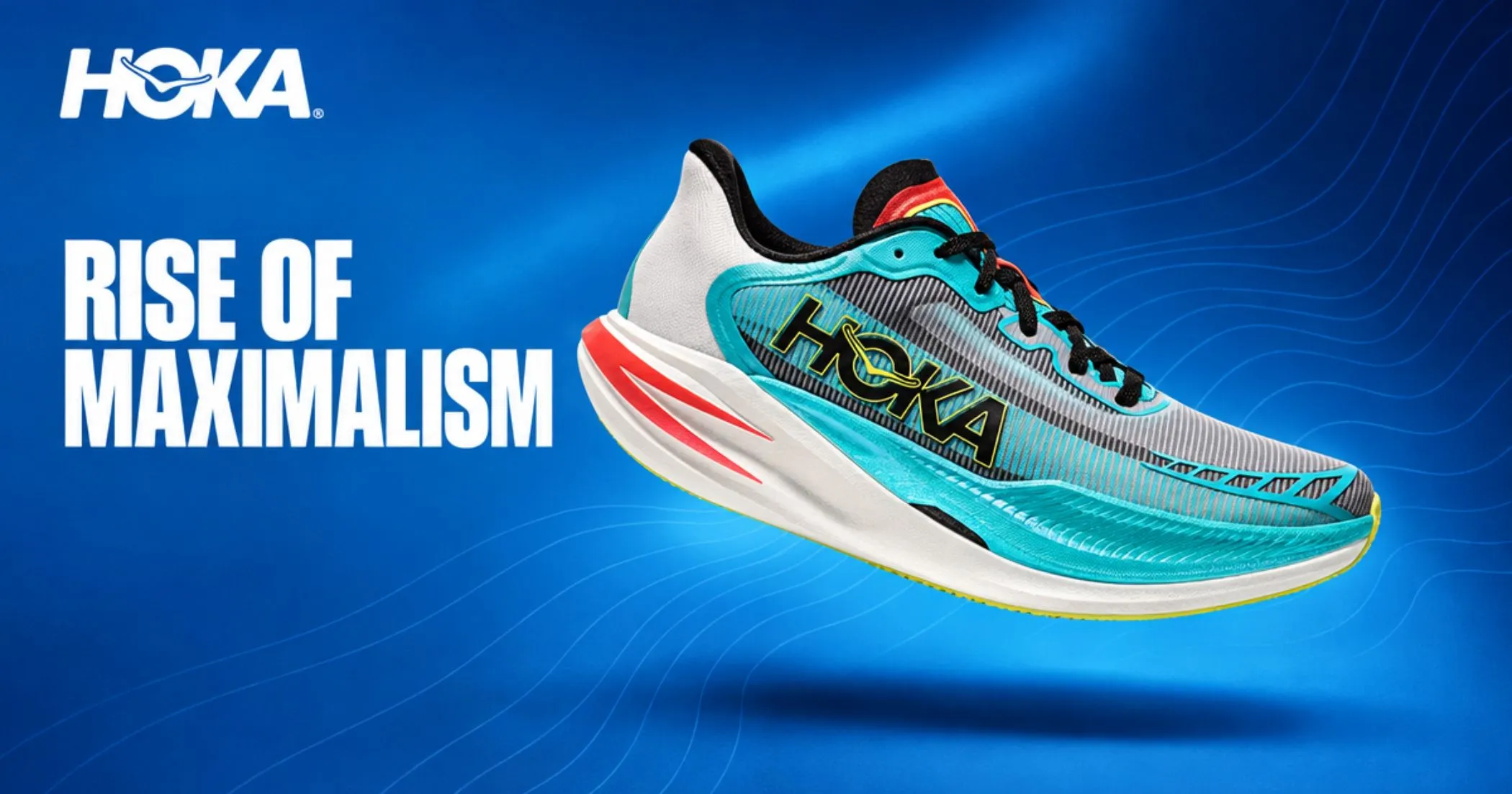
Hoka began in 2009 as a bold idea from two friends in the French Alps. They wanted shoes that made running downhill feel fast and safe. At the time, most brands made shoes thinner and lighter. These friends did the opposite. They built big, soft soles, and the world slowly took notice. This guide shows how that risky idea changed the footwear industry.
TL;DR
- Two former Salomon employees launched the brand in France in 2009 to help runners move faster downhill.
- Ultramarathon runners wore it first, and everyday runners joined them later.
- Today, the company earns about $1.8 billion in yearly revenue.
- Oversized midsoles gave runners more cushion at a time when thin, minimalist shoes ruled.
- A curved rocker sole and light foam kept those thick soles smooth and quick.
How Hoka Started in the French Alps
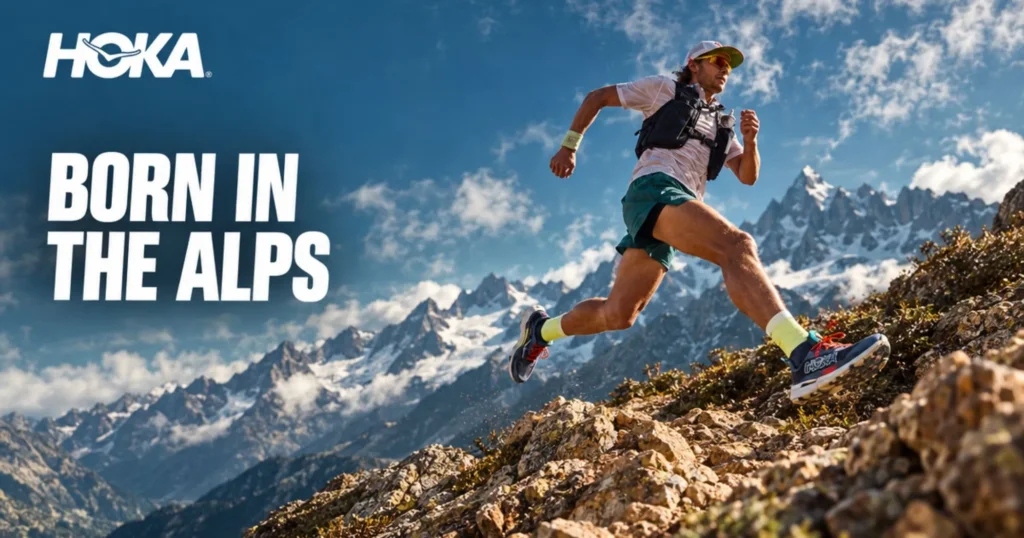
Great ideas often start on a hill. This one began on steep trails, where tired legs and hard ground made running tough.
How Nicolas Mermoud and Jean-Luc Diard Founded Hoka in 2009
Nicolas Mermoud and Jean-Luc Diard, the founders of Hoka, both worked at Salomon. They knew mountains and they knew gear. In 2009, they started their own company in Annecy, France. The name comes from a Māori word that means “to fly.” Later, the company moved its base to California.
Why the Founders Wanted Runners to Move Faster Downhill
Downhill running is hard on the body. Each step slams the legs, so many runners slow down. The founders asked a simple question. What if a shoe could soak up that shock? Because of this, they built an oversized outsole with far more cushion than other shoes.
How Trail Running Inspired Hoka’s First Shoe Designs
Trail running shaped every early choice. Mountains are rough, so the shoes needed grip, support and soft landings. Ultramarathon runners tried them first and felt the benefit fast. Soon, other runners spotted the shoes at races and wanted a pair. In time, the idea moved from trails to roads.
How Hoka Made Thick-Soled Running Shoes Different
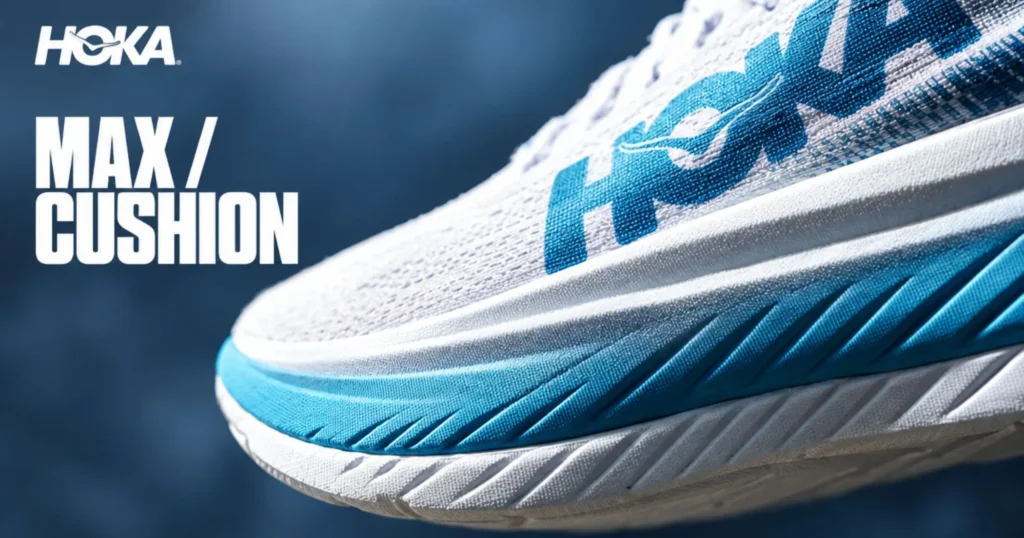
Thick soles look odd at first glance. Yet each part has a clear job. Here is how the design works.
Why Hoka Chose Oversized Midsoles and Maximum Cushioning
The HOKA cushioning technology uses oversized midsoles to deliver a soft, cushioned feel with every step. The midsole is the soft layer between foot and ground. In these shoes, it is very tall. That extra foam takes more shock from each step. As a result, legs feel fresher late in a run. HOKA maximalist running shoes grew from this bold test of extreme cushioning.
How the Rocker Sole Helped Create Smoother Transitions
A tall sole could feel clumsy. To fix that, the team curved the bottom. This shape helps the foot roll forward from landing to push-off. The Hoka rocker sole is one of the brand’s three key ideas. Plush cushion and a flexible, sturdy frame are the other two.
How Lightweight Construction Balanced the Thick Sole
A big sole could feel heavy. However, the foam is light, so the shoes feel lighter than they look. Designers also keep the frame flexible. Therefore, the foot moves in a natural way. That surprise won over many doubters.
How Hoka Clifton and Bondi Changed Everyday Running Shoes
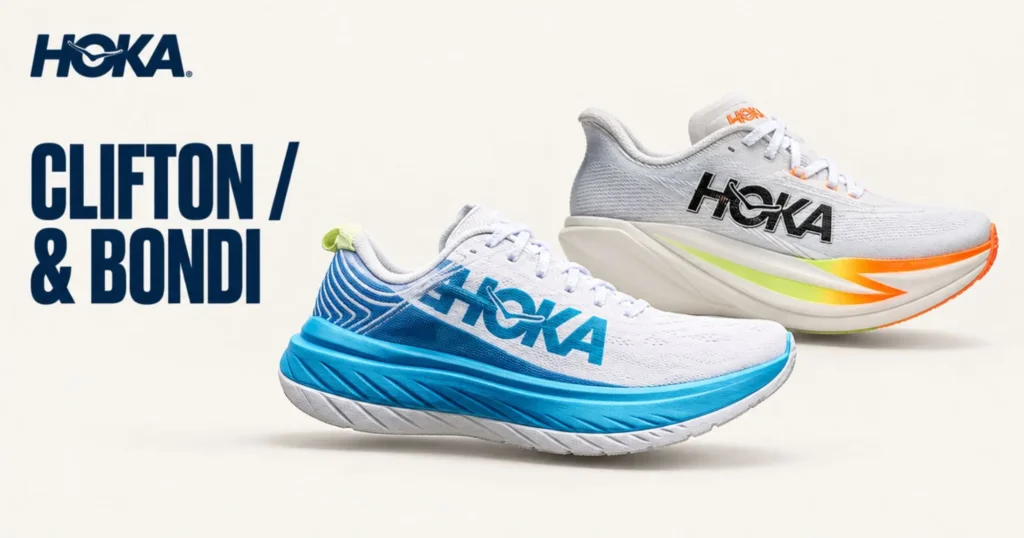
Two models did a lot to build the brand’s fame. They gave everyday runners an easy way to try the idea.
How the Hoka Clifton Became a Popular Daily Trainer
The latest addition to the HOKA Clifton lineup, the Hoka Clifton PRO, builds on the original Clifton’s legacy with enhanced cushioning and a more performance-focused design. The Clifton arrived in 2014 and aimed to be lighter than earlier models. Many runners call it a daily trainer, which means a shoe for easy miles. Because it feels soft yet quick, new runners and veterans both liked it.
Why the Bondi Became Known for Maximum Cushioning
The Bondi is the plush one. It has a tall, soft sole and a calm ride. Runners pick it for long, slow miles. In short, it puts comfort first. If the Clifton is the all-rounder, the Bondi is the cloud.
How Models Like the Clifton 8 and Bondi 8 Built Brand Recognition
Updates keep favorites fresh. The Hoka Clifton 8 kept the light, smooth feel. Meanwhile, the Hoka Bondi 8 kept the deep cushion. Runners often return to the same model year after year. As a result, these names became easy to spot.
How Hoka Expanded From Trail Running to Road Racing
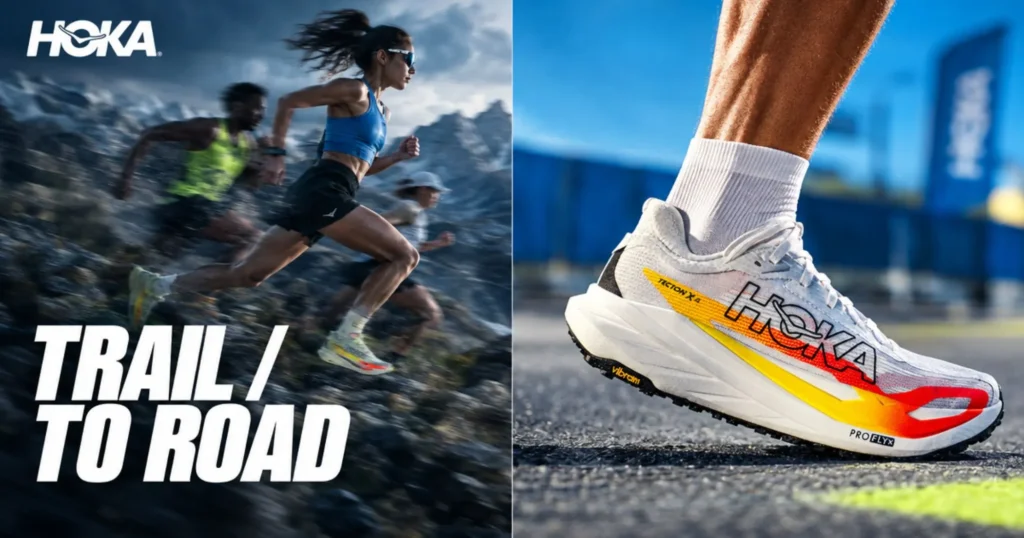
The brand did not stay on the trails. Over time, it moved to roads and race tracks, using what it learned in the mountains.
How Hoka Developed Shoes for Long-Distance Runners
HOKA road running shoes are designed for runners who want comfort and performance over long distances. Long races demand comfort. The Challenger ATR won a Trail Shoe of the Year award in 2015. Later, the brand added carbon plates and a super-light foam called PEBA. The HOKA Skyward X is a gliding shoe for everyday miles. Meanwhile, the Cielo X1 aims at speed for advanced athletes.
How the Mach 5 Brought Lightweight Speed to Training
HOKA fitness shoes, including the HOKA Mach 5, offer options for runners looking for lightweight performance and cushioning. The Mach 5 is a lively, light trainer suited to tempo runs and faster training days. It keeps the soft feel while cutting weight. Because of this, it feels springy. It shows that cushioning and speed can work together.
How Hoka Built Shoes for Trails, Roads, and Race Day
HOKA trail running shoes are designed for runners tackling challenging terrain and race-day conditions. The Tecton X came out in 2022 for trail racing. Instead of one carbon plate, it uses two. Elite runners Jim Walmsley and Hayden Hawks gave feedback during design. Hawks later won a 100K race at the UTMB World Series Finals in a Tecton X 2.5. In other words, the brand tests ideas with real racers. Later, it also introduced Tecton X 4.
How Hoka’s Design Challenged Traditional Running Shoe Brands
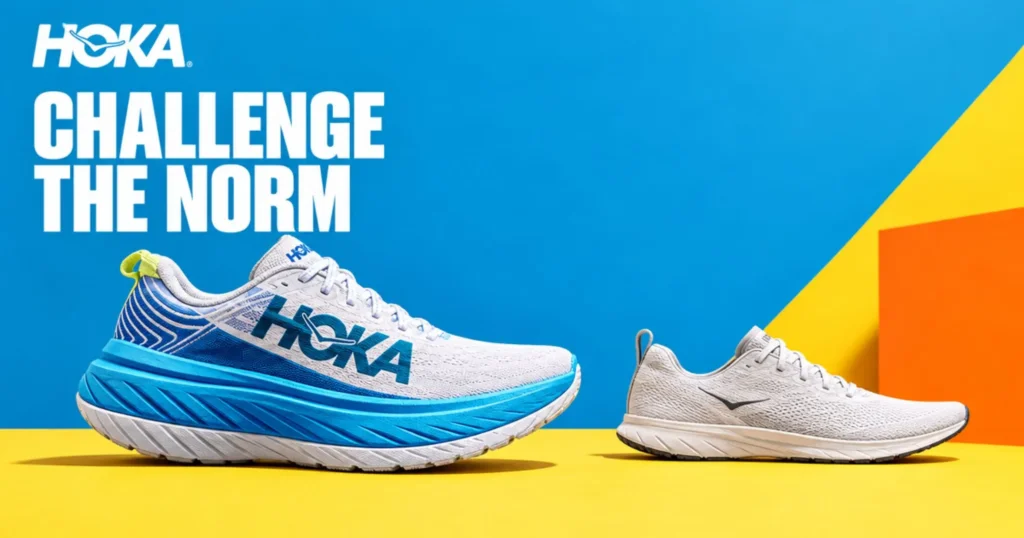
When the brand began, the trend was minimal. Thin, light shoes were seen as smart. This section shows how it went the other way.
How Maximalist Running Shoes Challenged Minimalist Designs
Minimalist shoes aimed to feel the ground. Big soles seemed like a step backward. Yet the brand held firm. It treats shoes like gear, much like skis or bikes. Over time, results spoke louder than doubts.
Why Runners Started Paying More Attention to Cushioning
Runners began asking better questions. How does a shoe feel at mile twenty? Does it protect the legs? Shoe cushioning moved from a side note to a main feature. Soon, other brands built softer, taller shoes of their own.
How Hoka Combined Thick Soles With Lightweight Performance
The key was balance. A thick sole can feel heavy, and a light one can feel harsh. So, the brand used light foam, smart curves and a flexible frame. Because of this, Hoka running shoes feel soft without feeling slow. That mix is now a pattern for modern running shoes.
How Hoka Reached Beyond Serious Runners
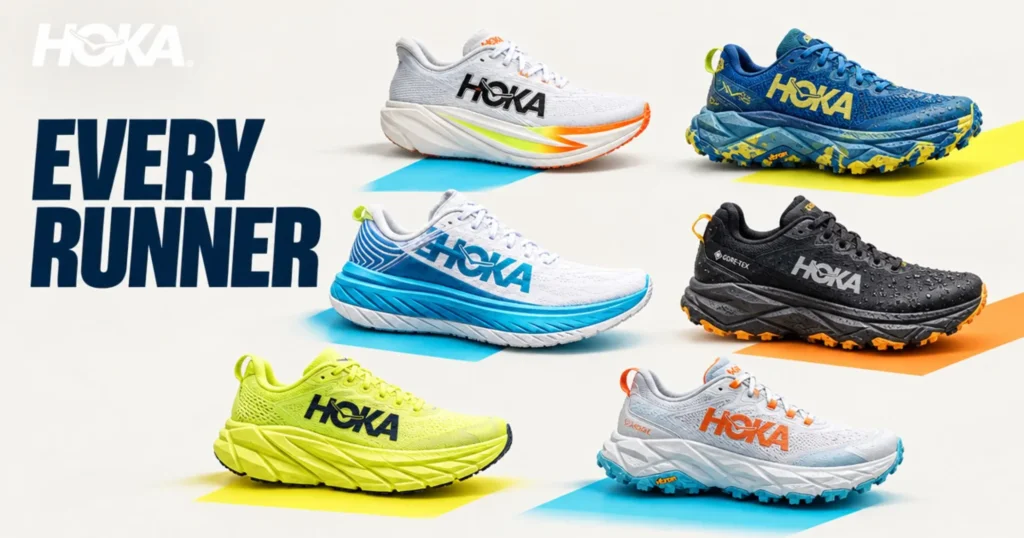
Great gear often finds new fans. The brand began with trail athletes. Today, many people wear it for work, errands and walks.
How Hoka Shoes Reached Walkers and Everyday Users
Soft soles help anyone who is on their feet all day. Nurses, teachers and shop workers like the comfort. HOKA hiking boots & shoes also suit travelers on long airport days. Building a travel capsule wardrobe can help travelers pack versatile outfits for long journeys. As a result, many buyers have never run a race. They just want comfy steps.
How Hoka Sneakers Became Part of Casual Fashion
Running became cool in its own right. Dave Powers, a former Deckers chief executive, said running is “the new streetwear.” Hoka sneakers fit that mood. Their chunky shape looks bold, yet feels soft. These shoes can also complement different streetwear outfit ideas.
How White Hokas and Other Everyday Styles Expanded Their Appeal
Color matters for style. White Hokas look clean and fresh with jeans or work outfits. The right fashion aesthetic can help tie footwear and clothing together.
Black and gray options hide dirt well. Bright colors suit people who like to stand out. Therefore, style now sits beside performance.
Learning how to choose wardrobe colors can help you create versatile outfits that mix and match effortlessly.
How Hoka Expanded Its Footwear Range for Different Runners
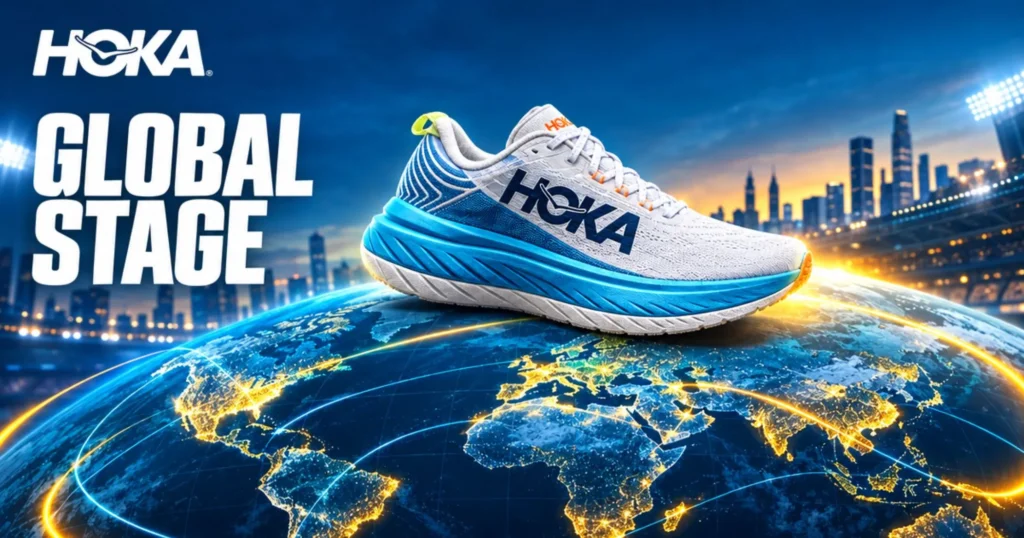
One shoe cannot fit every foot. So, the brand grew its lineup to match many needs.
Hoka Shoes for Women and Men
Men and women often need different fits. Hoka shoes women choose often have narrower shapes. The Hoka Clifton 8 womens version is a popular example. Searches for the best running shoes for women often point to such styles. Meanwhile, mens running shoes use roomier shapes.
Hoka sneakers for men and women come in many colors. A versatile pair of sneakers can become one of the most useful capsule wardrobe essentials for everyday dressing.
How Hoka Developed Waterproof Shoes and Trail Running Models
Weather changes plans. So, waterproof options help in rain and mud. Trail models add deep lugs for grip and protect the foot from sharp stones. Hoka running shoes women pick for trails include these tougher types. Because of this, runners can train all year.
How Hoka Slides Expanded the Brand Beyond Running
Not every day is a run day. Recovery matters too. Hoka slides give tired feet a soft landing after a workout. Easy to step into, they also work at home or on the beach.
How Hoka Balanced Comfort, Stability, and Performance
Good shoes balance three things. They must feel soft, stay steady and move fast. Too much cushion can feel wobbly, while too much stability can feel stiff. So, the team tunes each model with care. Some shoes add firm guide rails, and others keep a neutral ride.
How Hoka Built a Global Athletic Footwear Brand
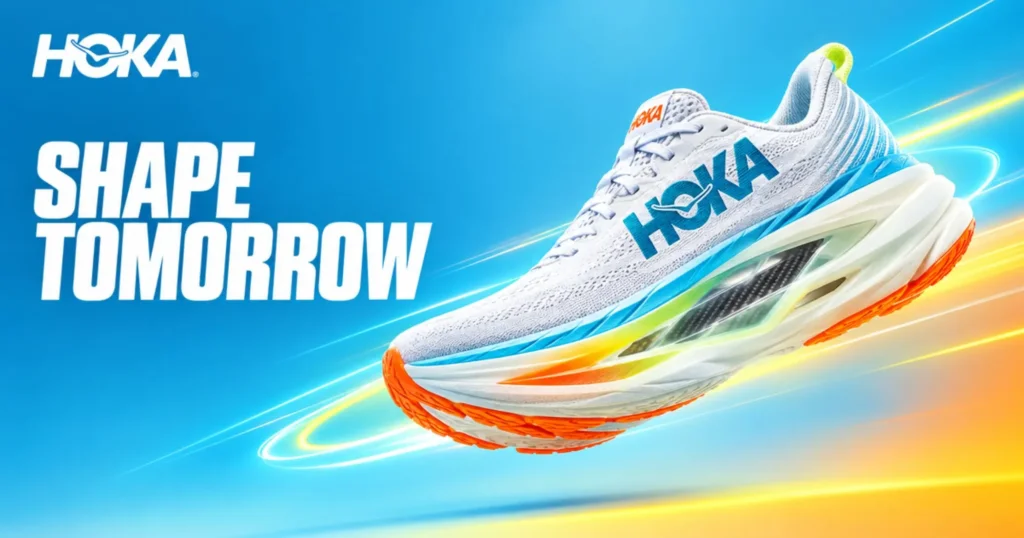
Growth takes more than good shoes. It needs trust, reach and a strong message. Here is how the company built all three.
How Athlete Endorsements and Race Performance Built Trust
Race results speak loudly. When elite runners win in the shoes, trust grows. The brand’s connection with HOKA and NAZ Elite highlights its involvement in elite distance running. Early ultramarathon fans helped too, since they shared their love at races. Real use gave the brand real credit.
How Hoka Used Retail, Digital Marketing, and Community Events
Community sits at the heart of the brand. It runs a Hoka Strava club and an events hub. Additionally, it backs races such as UTMB Mont-Blanc and the Paris half marathon. Its motto is “Together We Fly Higher.” Shops and online stores of Hoka then make buying easy.
How Hoka Competed With Established Running Shoe Brands
Wikipedia says Deckers Brands bought Hoka in 2013, while Footwear News dates the deal to 2012. Either way, the backing helped it grow. In December 2021, the brand dropped “One One” from its name. Today, the Hoka brand stands next to giants like Nike and Adidas.
How Hoka Continues to Shape Modern Running Shoes
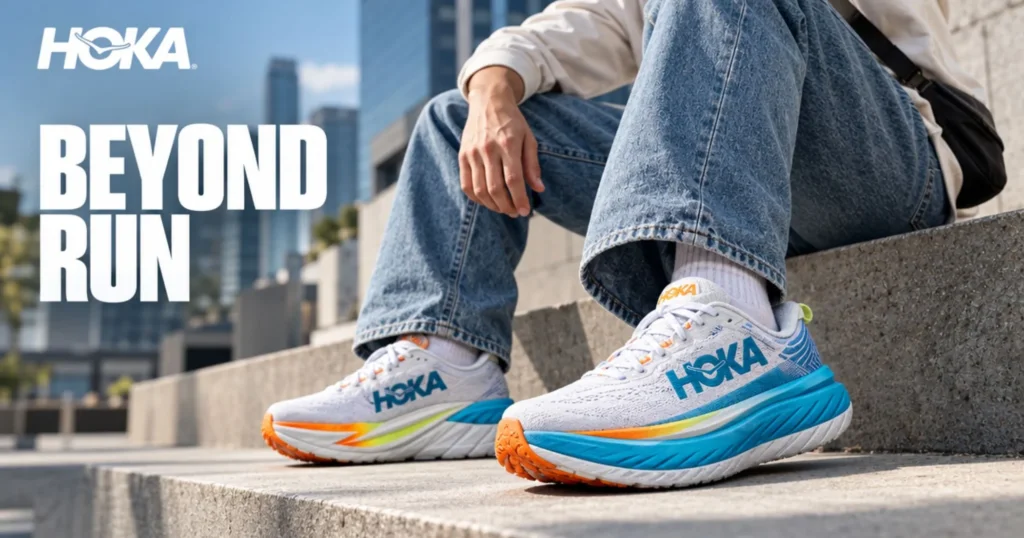
Running shoes keep changing, and this brand keeps testing. The next three parts show where it is headed.
How Cushioning and Rocker Technology Continue to Evolve
Engineers keep tuning foam and shape. The Tennine in 2020 had the most extreme heel cushion yet. Later versions toned it down for wider appeal. Carbon plates and PEBA foam now add snap. The team calls this a tinkering mindset.
How Hoka Responds to Changing Runner Needs
Runners are not all alike. Some want speed, while others want comfort. Since the 2020 boom, many new runners are teens and women. The brand listens and adjusts fit, color and softness. As a result, more people find a shoe that suits them.
What Hoka’s Growth Means for the Future of Athletic Footwear
Hoka footwear shows that comfort now matters as much as speed. Thick-soled running shoes went from odd to normal. Diard says brands with strong performance roots often become lifestyle brands. So, athletic footwear and daily fashion will keep blending.
The Bottom Line
The story is simple. Two friends wanted to run downhill with less pain. They built a thick, soft, curved sole. At first, many people laughed. Then ultramarathon runners proved it worked. Soon, road runners, walkers and style fans joined in. Because of this, the brand helped turn thick soles from a risk into a rule. The history and evolution of Hoka running shoes show a clear lesson. A bold idea, tested with care, can change a whole industry.
FAQs
When was Hoka founded?
It was founded in 2009 in Annecy, France.
Who founded Hoka?
Nicolas Mermoud and Jean-Luc Diard founded it. Both had worked at Salomon.
Why did Hoka introduce maximalist running shoes?
The founders wanted faster, safer downhill running. Extra cushion soaked up shock and eased the pain.
What makes Hoka shoes different from other running shoes?
They have tall, soft midsoles and a curved rocker shape. Even so, they stay light.
What is the Hoka rocker sole?
It is a curved sole shape. Therefore, the foot rolls forward from landing to push-off.
What is the difference between Hoka Clifton and Bondi?
The Clifton is lighter and suits daily runs. In contrast, the Bondi has more cushion for long, slow miles.
Are Hoka shoes suitable for everyday walking?
Yes, many people use them for walking. The soft soles and smooth roll help on long days.
Does Hoka make running shoes for women and men?
Yes, it makes both. Many models come in fits made for women and for men.
It was founded in 2009 in Annecy, France.
Nicolas Mermoud and Jean-Luc Diard founded it. Both had worked at Salomon.
The founders wanted faster, safer downhill running. Extra cushion soaked up shock and eased the pain.
They have tall, soft midsoles and a curved rocker shape. Even so, they stay light.
It is a curved sole shape. Therefore, the foot rolls forward from landing to push-off.
The Clifton is lighter and suits daily runs. In contrast, the Bondi has more cushion for long, slow miles.
Yes, many people use them for walking. The soft soles and smooth roll help on long days.
Yes, it makes both. Many models come in fits made for women and for men.
Tags:

Chirag Pariyani
AI Engineer, NineE
Chirag is part of the engineering team at NineE, working on the technology that powers the product —...
Read More
Get Latest Fashion Insights, Before Everyone Else.